 how-to
Preventing Potholes in Commercial Lots: A Maintenance Guide
Table of Contents
- What Causes Potholes in Commercial Parking Lots
- Why Regular Inspections Matter for Pothole Prevention
- Asphalt Sealcoating Benefits and Application Frequency
- Asphalt Crack Sealing vs Filling: Which Method Stops Potholes
- Improving Drainage Systems to Prevent Water Damage
- Commercial Parking Lot Maintenance Schedule That Works
- Cost-Benefit Analysis: Why Preventative Maintenance Saves Money
- Conclusion
- Frequently Asked Questions
Last Updated: August 24, 2026
What Causes Potholes in Commercial Parking Lots
Potholes develop through a predictable sequence of damage that begins long before the surface breaks apart. Water infiltration is the primary culprit. When asphalt develops small cracks, moisture seeps through and reaches the sub-base. During freeze-thaw cycles, trapped water expands as it freezes, weakening the aggregate base and subgrade until the asphalt binder can no longer hold the surface together (fhwa.dot.gov).
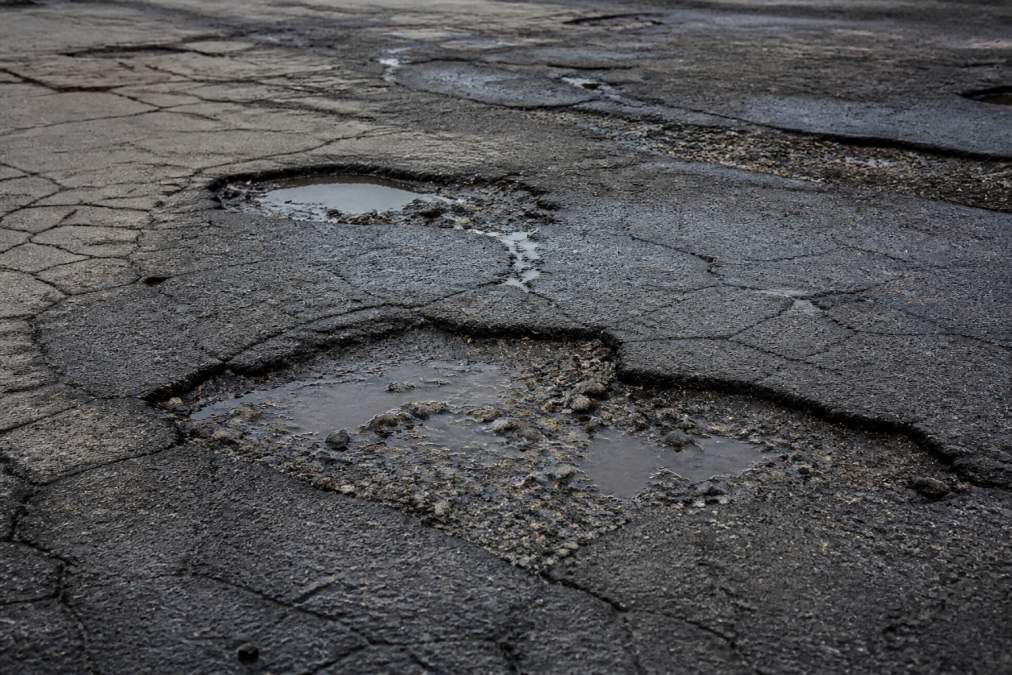
Traffic load plays a secondary but critical role. Heavy vehicles concentrate force on weakened pavement, causing the asphalt to flex and break. The broken pieces dislodge, creating the characteristic bowl-shaped hole.
Poor drainage accelerates this process significantly. Standing water saturates the asphalt, causing the binder to oxidize and lose its binding properties. UV radiation and petroleum-based fluids also contribute by degrading the asphalt binder over time. The timeline from first crack to pothole typically spans months to years, depending on traffic volume, climate, and drainage conditions.
Why Regular Inspections Matter for Pothole Prevention
Regular inspections catch damage at stages when prevention is still possible. Most property managers wait until potholes appear, but by then repairs are expensive. Inspections shift the economics entirely by addressing surface-level issues before they become structural failures.
Inspections also document your maintenance efforts, which matters for liability mitigation. If someone is injured due to a pothole, documentation of inspection schedules and maintenance records demonstrates that you took reasonable steps to maintain a safe surface.
The frequency depends on traffic volume and climate. High-traffic commercial lots in areas with significant freeze-thaw cycles should be inspected quarterly. Medium-traffic lots can move to twice yearly. Light-traffic lots might get by with annual inspections.
During an inspection, look for cracks wider than 1/8 inch, alligator cracking, potholes, standing water, uneven pavement, and debris accumulation. Document findings with photos and notes to create a baseline for tracking deterioration patterns.
Houston Pavement Repair LLC recommends treating inspections as the foundation of any maintenance strategy.
Asphalt Sealcoating Benefits and Application Frequency
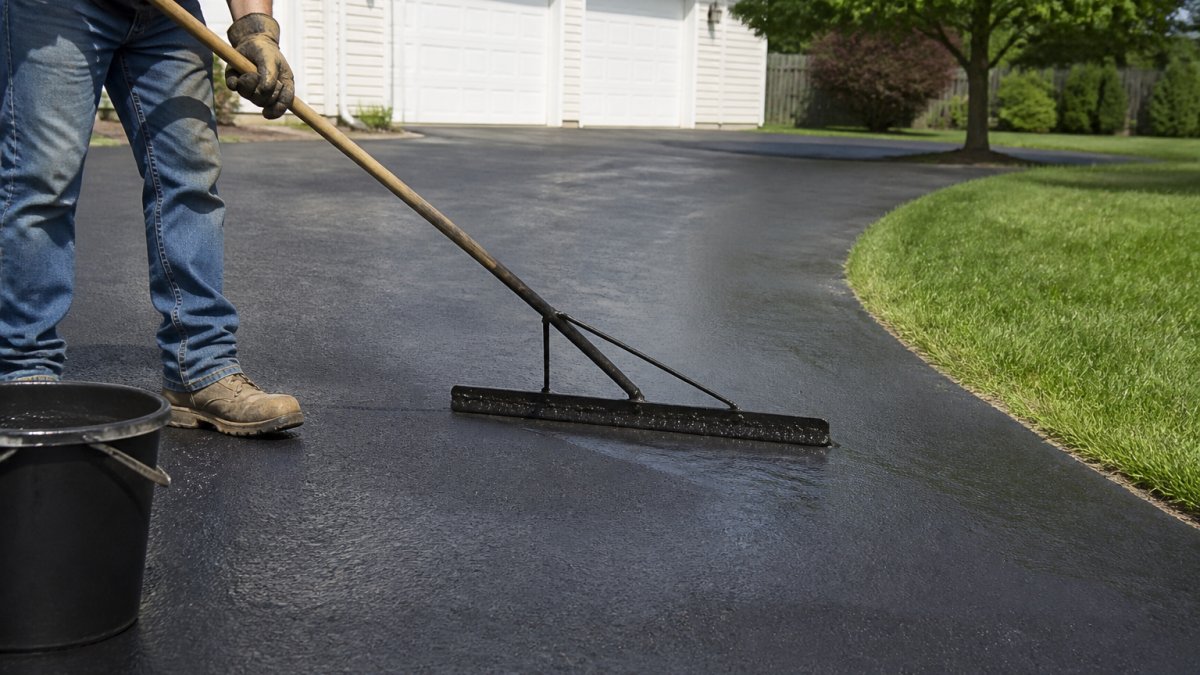
Sealcoating acts as a protective barrier against the elements. It seals the microscopic pores in the asphalt surface, preventing water infiltration and UV radiation from degrading the asphalt binder. Water runs off sealed asphalt instead of soaking in, directly reducing the conditions that lead to pothole formation.
Sealcoating also improves curb appeal. A freshly sealed parking lot looks darker and more uniform, signaling maintenance and care to customers or tenants.
The application process involves cleaning the surface thoroughly, filling existing cracks, and applying a protective coating. The coating cures over several days, during which the lot should remain closed to traffic. Most jobs can be completed in 1-2 days depending on lot size.
Application frequency depends on traffic and climate. High-traffic commercial lots typically need resealing every 2-3 years. Medium-traffic lots can stretch to 3-4 years. Light-traffic lots might go 4-5 years. The economics favor regular sealcoating: a sealed parking lot requires less frequent pothole repairs, crack sealing, and eventually less frequent full-depth repairs or overlays.
Asphalt Crack Sealing vs Filling: Which Method Stops Potholes
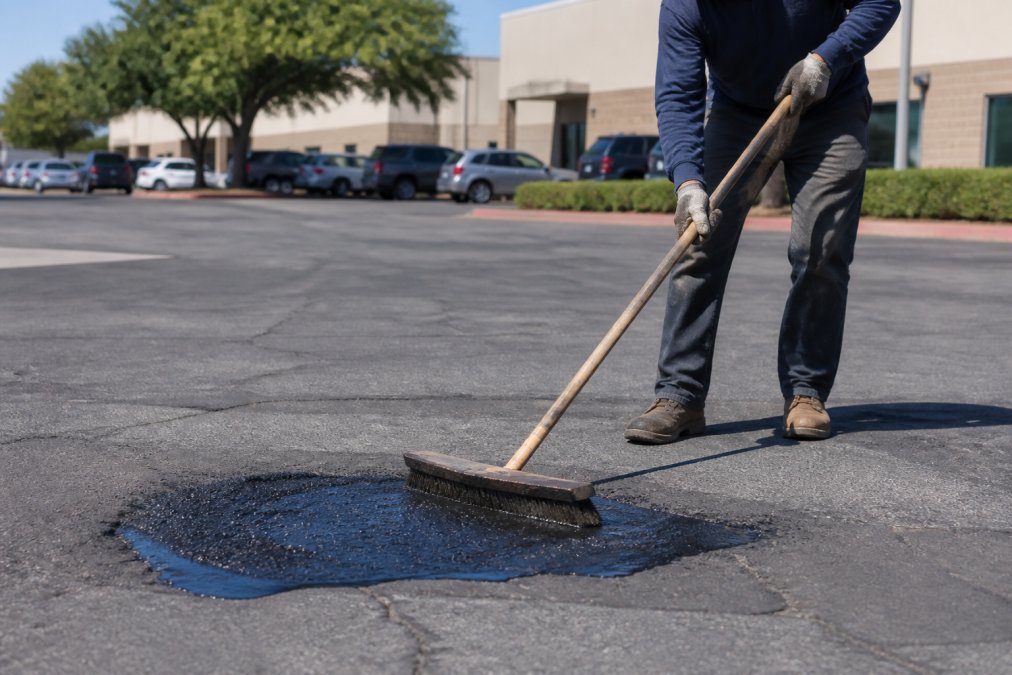
Crack filling uses a rubberized asphalt emulsion poured into the crack. It works well for narrow cracks (less than 1/4 inch) that are relatively straight and stable.
Crack sealing involves routing the crack to a uniform width and depth, then filling it with a specialized sealant designed to flex with the pavement. Sealing works better for wider cracks (1/4 inch to 1/2 inch) or cracks that show signs of movement.
For preventing potholes, crack sealing is the more effective long-term solution. It maintains its seal longer because it flexes with the pavement. Sealed cracks stay flexible and keep water out, while filled cracks sometimes re-open as the asphalt moves.
Address cracks as soon as you identify them during inspections. A crack sealed in its early stages prevents water infiltration before the sub-base becomes compromised. For alligator cracking, the interconnected pattern indicating widespread surface distress, neither sealing nor filling is sufficient, you'll need infrared patching or full-depth repair.
Cost-wise, crack sealing runs higher per linear foot than filling, but it delivers better protection. A crack sealed properly might remain effective for 5-7 years, while a filled crack might need re-treatment within 2-3 years (fhwa.dot.gov). Over a decade, sealing costs less.
Improving Drainage Systems to Prevent Water Damage
Drainage is the silent hero of pothole prevention. Even with sealcoating and crack sealing, poor drainage will eventually defeat your maintenance efforts because water finds its way to the sub-base.
Surface drainage, the slope and grading that directs water away from the pavement, is the first line of defense. Water should flow toward storm drains or drainage swales, not pool on the asphalt surface. Subsurface drainage systems remove water that infiltrates through cracks or beneath the pavement, directing it away from the sub-base.
Call now to schedule your free estimate →
Catch basins, storm drains, and drainage swales must be maintained. Debris accumulation blocks water flow and causes ponding. Quarterly cleaning of catch basins and swales prevents this common problem.
For lots with chronic drainage issues, consider French drains or permeable pavement sections. These solutions are more expensive upfront but eliminate standing water permanently. The relationship between drainage and moisture infiltration is direct: better drainage means less water reaching the sub-base, which means slower deterioration and fewer potholes.
Commercial Parking Lot Maintenance Schedule That Works
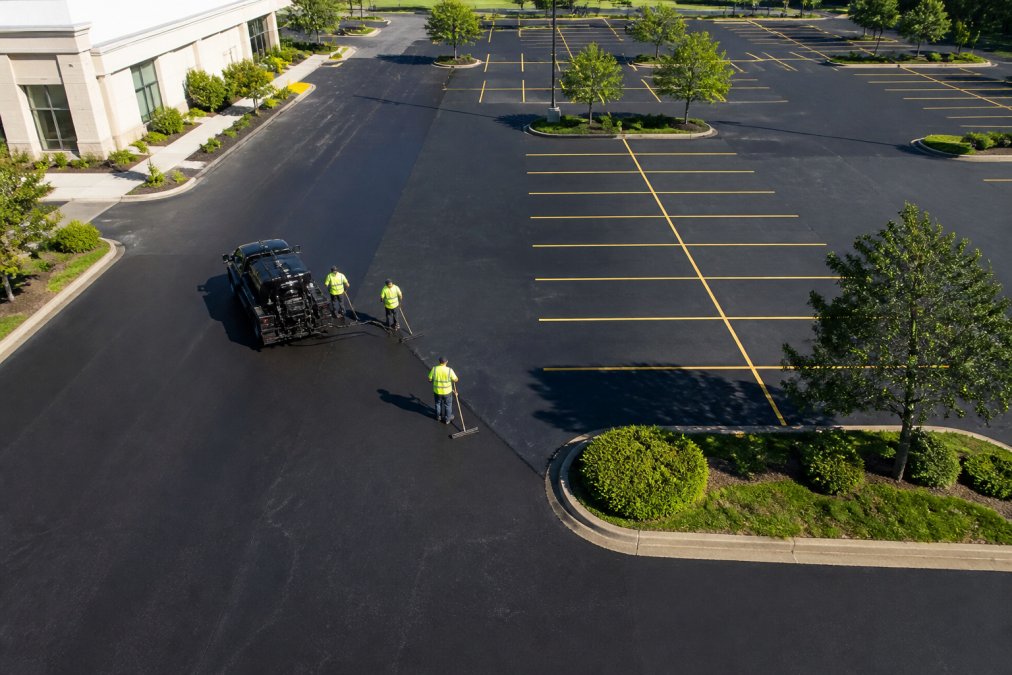
A structured maintenance schedule prevents reactive emergency repairs. Here's a practical framework:
Quarterly (every 3 months):
- Visual inspection for new cracks, potholes, or surface distress
- Clean catch basins and drainage areas
- Remove debris and sweep surfaces
Twice yearly (spring and fall):
- Detailed inspection with documentation and photos
- Crack sealing for any new cracks identified
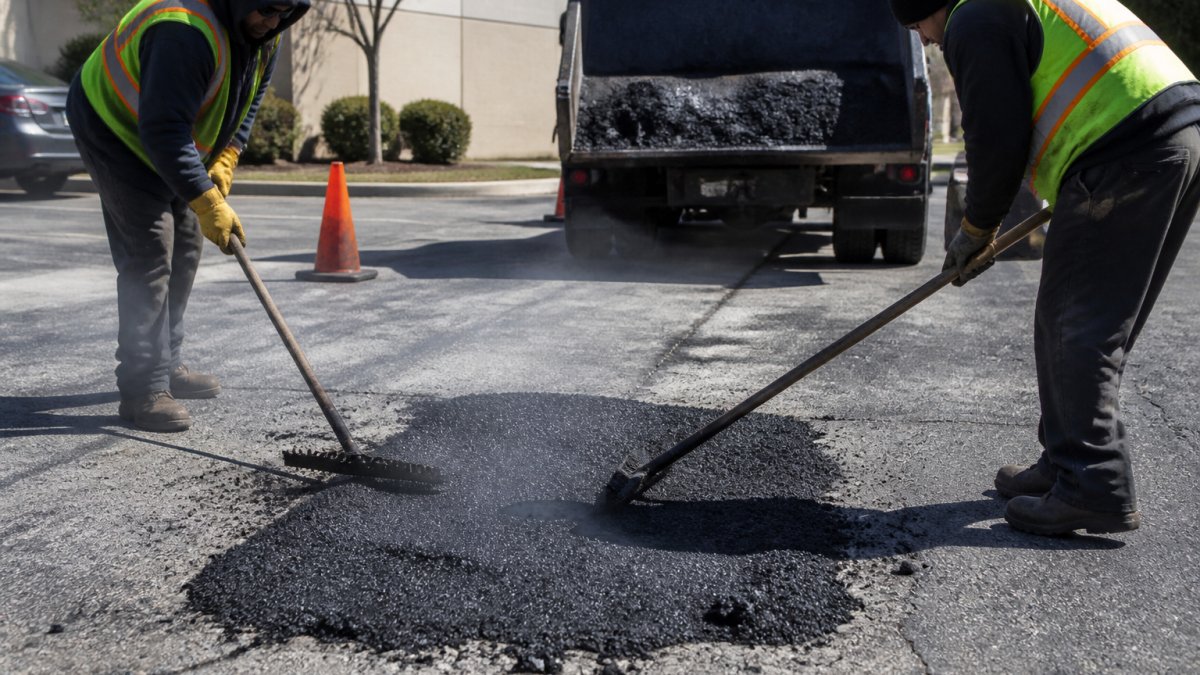
- Pothole repair if any have formed
- Drainage system check and cleaning
Annually:
- Professional assessment of overall pavement condition
- Plan for sealcoating or overlay based on condition
Every 2-3 years:
- Sealcoating application (adjust based on traffic and climate)
- Parking lot striping refresh if faded
Every 5-10 years:
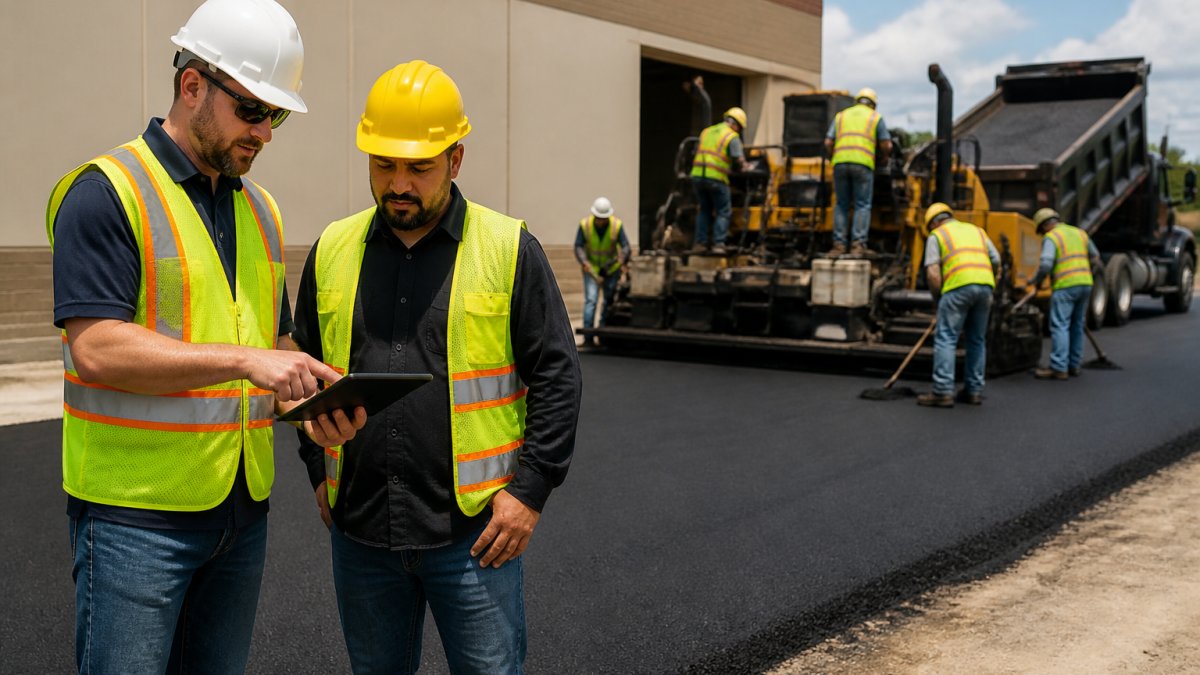
- Major overlay or full-depth repair if needed
- Comprehensive drainage system evaluation and upgrades
The key is consistency. A lot that receives quarterly inspections and timely crack sealing will have dramatically fewer potholes than a lot inspected once yearly with reactive repairs. Document everything to create a maintenance history that helps forecast future needs and demonstrates due diligence.
Cost-Benefit Analysis: Why Preventative Maintenance Saves Money
The financial case for preventing potholes is compelling. A single pothole repair typically costs more than a year of preventative maintenance. Emergency repairs often command premium pricing because they're urgent. Full-depth pothole repairs, where damage extends through the entire asphalt layer and into the sub-base, cost substantially more than surface patching.
Preventative sealcoating costs less than pothole repairs. Crack sealing costs less than pothole repairs. Drainage improvements cost less than the cumulative cost of pothole repairs over the life of the parking lot.
Consider the operational impact too. Potholes create liability exposure. A customer or tenant injured by a pothole can file a claim. Documented preventative maintenance reduces this risk. There's also the reputation factor: a parking lot full of potholes signals poor property management and affects customer perception and tenant retention.
Spending 1-2% of your property's annual operating budget on parking lot maintenance typically prevents 80-90% of pothole formation. The alternative, reactive repairs and emergency fixes, often costs 3-5% of the budget and leaves you with a deteriorating lot anyway. Each year you defer maintenance, the underlying damage accelerates, multiplying costs.
Conclusion
Preventing potholes in commercial lots requires commitment to a maintenance schedule. The foundation is regular inspections that catch problems early, combined with sealcoating and crack sealing to protect the asphalt surface. Proper drainage removes the water that causes sub-base failure. A structured maintenance calendar keeps you ahead of deterioration instead of chasing emergencies.
Houston Pavement Repair LLC specializes in exactly this type of proactive pavement management. We conduct thorough inspections, perform professional crack sealing and sealcoating, and address drainage issues that undermine your lot's longevity. Our team understands that preventing potholes in commercial lots is far more cost-effective than repairing them after the fact. Contact us today to schedule your free estimate and put a maintenance plan in place that protects your investment.
Frequently Asked Questions
What is the most effective way to prevent potholes in asphalt?
The most effective prevention combines three strategies: regular sealcoating every 2-3 years to protect against UV radiation and moisture infiltration, prompt crack sealing as soon as cracks appear, and maintaining proper drainage so water doesn't pool on the surface. Together, these address the root causes of pothole formation, freeze-thaw cycles, water penetration, and structural stress. Starting preventative maintenance early stops small issues before they become expensive repairs.
How often should commercial parking lots be sealcoated?
Commercial parking lots should be sealcoated every 2-3 years, depending on traffic volume and climate conditions. Sealcoating creates a protective barrier against UV radiation, petroleum-based fluids, and moisture infiltration that weakens the asphalt binder. In high-traffic areas or climates with harsh freeze-thaw cycles, annual inspections help determine if more frequent application is needed. Regular sealcoating extends pavement life cycle significantly and reduces pothole formation.
Can crack sealing prevent future pothole development?
Yes, crack sealing is a critical preventative step. When cracks go unsealed, moisture infiltration occurs, weakening the sub-base and aggregate base layers underneath. This leads to alligator cracking and eventually potholes. Sealing cracks promptly stops water from entering the pavement structure, maintaining structural integrity and preventing the freeze-thaw cycle from expanding damage. Addressing cracks early is far more cost-effective than waiting for potholes to form.
What are the signs that a parking lot needs professional repair?
Watch for alligator cracking (interconnected crack patterns), surface oxidation (faded or chalky appearance), standing water or poor drainage, visible potholes or spalling, and areas where the pavement feels soft or unstable under vehicle weight. If you notice hydroplaning during rain or debris accumulation in cracks, drainage and maintenance issues are present. These signs indicate pavement distress that requires professional inspection and intervention to prevent further deterioration and liability issues.
This article was written using GrandRanker