 listicle
5 Ways to Prevent Concrete Spalling
Table of Contents
- What Is Concrete Spalling and Why It Matters
- 1. Apply the Best Concrete Sealer for Spalling Prevention
- 2. How to Seal Concrete to Prevent Spalling
- 3. Manage Moisture and Drainage to Stop Spalling
- 4. Ensure Proper Concrete Curing and Mix Design
- 5. Avoid De-Icing Salts and Protect Against Freeze-Thaw Cycles
- Professional Concrete Driveway Repair Cost and When to Call an Expert
- Conclusion
- Frequently Asked Questions
Last Updated: September 17, 2026
What Is Concrete Spalling and Why It Matters
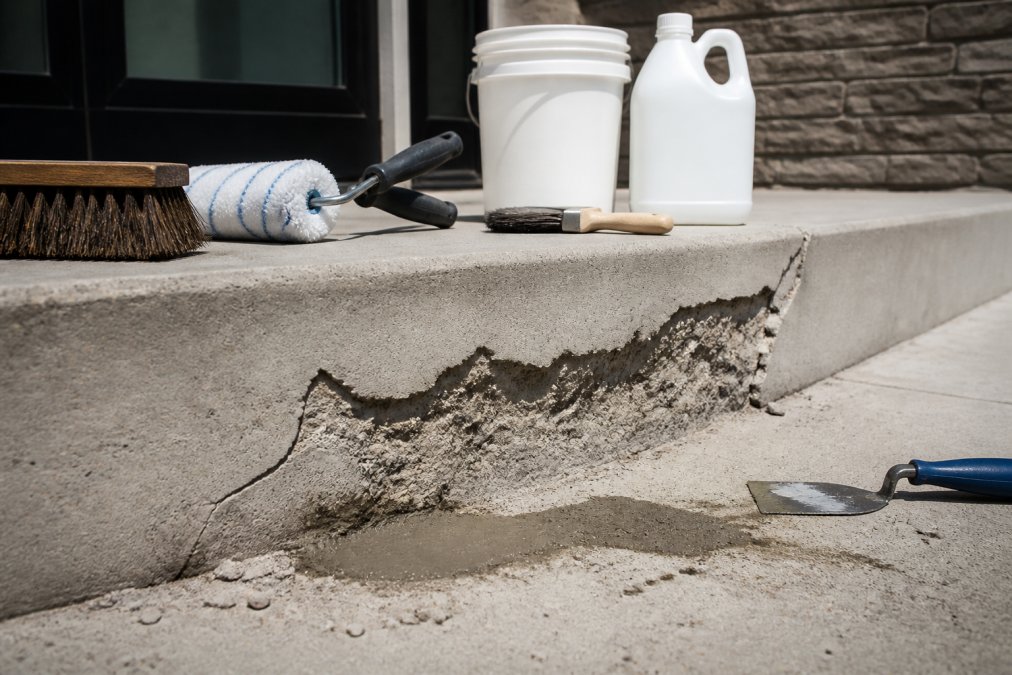
Concrete spalling occurs when the surface layer of concrete breaks away, exposing the underlying material and reinforcing steel beneath. This deterioration weakens your driveway, parking lot, or foundation and creates safety hazards. Understanding how to prevent concrete spalling is far more cost-effective than dealing with major repairs down the road. Understanding how to prevent concrete spalling is far more cost-effective than dealing with major repairs down the road.
Spalling happens because concrete is porous. Water seeps into tiny cracks and pores, freezes during cold weather, and expands, pushing the surface layer outward. Salt used on driveways accelerates this process by drawing moisture deeper into the concrete. Once reinforcing steel corrodes from chloride ion penetration, the concrete loses structural integrity and spalls accelerate dramatically.
The good news: prevention works. The five strategies we cover can help prevent spalling. Most property owners wait until visible damage appears, but the real protection happens before cracks form.
1. Apply the Best Concrete Sealer for Spalling Prevention
A quality concrete sealer creates a water-repellent barrier that stops moisture from entering the concrete in the first place. This is the single most effective preventative measure you can take. Sealers work by filling surface pores and blocking chloride ion penetration, the chemical process that corrodes reinforcing steel and triggers spalling.
Not all sealers perform equally. Two main categories dominate the market, and choosing the right one depends on your climate and concrete type.
Silane-Siloxane Sealers for Deep Protection
Silane-siloxane sealers penetrate deep into the concrete matrix, providing long-lasting protection against freeze-thaw damage and salt exposure. These penetrating sealers allow moisture vapor transmission, meaning trapped water can still escape, while blocking liquid water and chloride ions from entering.
SpecChem Silane-Siloxane Sealer is a high-performance option specifically formulated to block chloride penetration and prevent spalling. The deep-penetrating silane/siloxane formula resists deicing salts and freeze-thaw damage, making it ideal for driveways exposed to harsh seasonal conditions. This sealer maintains breathability, so your concrete won't trap moisture underneath.
The tradeoff: silane-siloxane sealers require professional application for optimal results. DIY application often misses coverage areas or applies uneven thickness, reducing effectiveness.
Water-Repellent Barrier Sealers
Water-repellent barrier sealers sit on the concrete surface, creating a visible protective coating. These products work well for surfaces that don't experience extreme freeze-thaw cycles. CoverTec Concrete Sealers specialize in water-repellent barrier technology formulated to prevent pitting, flaking, and spalling on concrete surfaces. Their UV-stable formulations maintain appearance while reducing surface porosity.
The advantage: barrier sealers are easier to apply and reapply yourself. The disadvantage: they require periodic re-application, typically every 2-3 years, and don't penetrate as deeply as silane-siloxane products.
2. How to Seal Concrete to Prevent Spalling
Applying sealer correctly matters as much as choosing the right product. Poor application leaves gaps in protection and wastes your investment. The process involves three critical steps: surface preparation, timing, and application technique.
Timing and Surface Preparation
The concrete must be clean and dry before sealing. Any dirt, algae, or existing sealant reduces adhesion and effectiveness. Pressure wash the surface thoroughly and allow it to dry completely, typically 24-48 hours depending on humidity and temperature. For new concrete, wait a minimum of 28 days after pouring before sealing; fresh concrete is still curing and won't accept sealer properly.
Surface preparation determines whether your sealer bonds correctly. Rough, weathered concrete accepts sealer better than smooth, polished surfaces. If your concrete is very smooth, light etching with a concrete acid wash improves sealer penetration. Achieving this ideal texture creates a durable foundation, though you must employ different techniques to maintain polished concrete once the surface has been finished to a high sheen.
Application Methods for Maximum Coverage
Spray application provides the most even coverage and penetration depth. Professional equipment delivers sealer in a fine mist that soaks into the concrete rather than pooling on the surface. Roller application works for barrier sealers but often leaves uneven thickness with penetrating products.
Apply sealer in thin, even coats rather than one thick coat. Multiple thin layers build protection better than a single heavy application. Allow proper drying time between coats, check the product label, as drying times vary by sealer type and humidity.
3. Manage Moisture and Drainage to Stop Spalling
Moisture is the root cause of spalling. Even with a quality sealer, standing water and poor drainage accelerate deterioration. Proper grading and drainage management are essential prevention strategies that many property owners overlook.
Call now to schedule your free estimate →
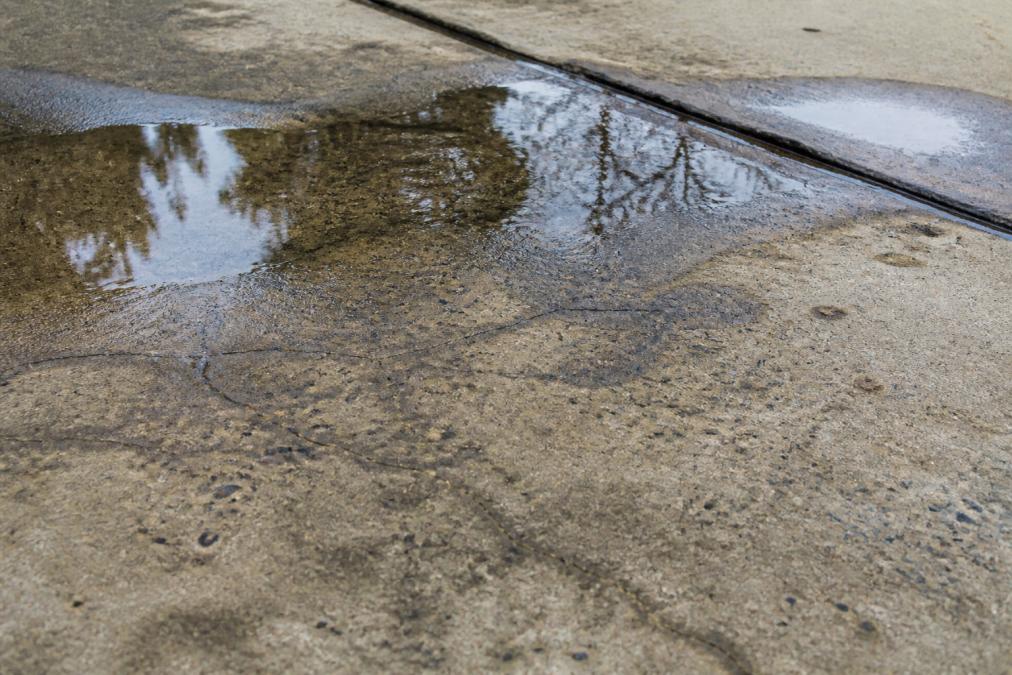
Concrete should slope away from buildings and low points at a minimum grade of 2% (roughly 1/4 inch drop per foot). This prevents water from pooling and forces it to drain away. Check your driveway's grading by observing where water flows after rain. If water collects in certain areas, that's where spalling will eventually appear.
Subsurface drainage matters equally. Water trapped beneath the concrete creates hydrostatic pressure that pushes upward, forcing moisture into the concrete from below. Proper subgrade preparation during installation includes compacted base material and drainage grading. If you're dealing with an existing driveway, improve surface drainage through these steps:
- Clear gutters and downspouts so roof water drains away from pavement edges
- Install or repair swales to redirect surface water
- Seal cracks and gaps where water can enter the subgrade
- Add French drains or perimeter drainage in areas with persistent moisture
Foundation settlement often causes low spots where water collects. These areas deteriorate fastest. If settlement is severe, professional concrete repair may be necessary, but managing surface water is always the first step.
4. Ensure Proper Concrete Curing and Mix Design
How concrete is mixed and cured during installation determines its long-term durability. Poor mix design or inadequate curing creates porosity and weakness that leads to spalling years later. This is why new concrete installations require careful attention to these fundamentals.
The water-cement ratio is the critical variable in concrete durability.
Common curing mistakes include:
- Finishing too soon before bleed water evaporates
- Allowing concrete to dry too quickly in hot weather
- Skipping curing compound application
- Not protecting fresh concrete from rain
5. Avoid De-Icing Salts and Protect Against Freeze-Thaw Cycles
De-icing salts accelerate spalling by introducing chloride ions that corrode reinforcing steel and draw moisture deeper into concrete. In freeze-thaw climates, salt is often the primary culprit behind accelerated deterioration. Reducing salt use is one of the most effective prevention strategies available.
Better alternatives include:
- Calcium chloride or magnesium chloride: These work at lower temperatures than rock salt and are less corrosive to concrete, though still not ideal
- Sand or kitty litter: Provides traction without chemical damage
- Heated driveways: Prevent ice formation entirely, eliminating the need for salt
- Mechanical removal: Shovel or plow before ice bonds to the surface
Professional Concrete Driveway Repair Cost and When to Call an Expert
Some spalling damage requires professional intervention. Understanding when DIY prevention ends and professional repair begins saves money and prevents further deterioration.
DIY vs. Professional Intervention Thresholds
Small surface scaling (flaking less than 1/8 inch deep) can often be addressed with sealing and monitoring. These minor defects don't expose reinforcing steel and progress slowly if moisture is managed properly. Applying a quality sealer to surrounding areas prevents expansion.
Conclusion
Preventing concrete spalling requires a multi-layered approach: seal the surface to block moisture, manage drainage to eliminate standing water, ensure proper curing and mix design during installation, and minimize salt exposure during winter. These five strategies work together to stop the freeze-thaw cycle and chloride ion penetration that cause spalling.
Frequently Asked Questions
What is the most common cause of concrete spalling?
Freeze-thaw cycles are the leading cause of concrete spalling in cold climates. When water enters the concrete, freezes, and expands, it creates internal pressure that forces the surface to flake and chip away. Moisture intrusion from poor drainage, de-icing salts, and inadequate sealing accelerate this process. In warmer regions, chloride ion penetration from road salt and improper mix design also trigger spalling.
Does sealing concrete stop spalling?
Yes, sealing concrete significantly reduces spalling when applied properly. A quality surface sealant blocks moisture and chloride penetration, which are primary spalling triggers. Silane-siloxane sealers offer deep protection by allowing moisture vapor transmission while preventing water infiltration. However, sealing works best as prevention on new or undamaged concrete; existing spalling requires professional repair first. Reapply sealers every 2-3 years for optimal protection.
What is the best product to repair spalling concrete?
For small cracks and prevention, SikaFlex polyurethane sealants work well for DIY application. For existing spalling damage, professional-grade solutions like SpecChem silane-siloxane sealers or BASF MasterProtect coatings provide superior protection. Quikrete curing compound ensures proper hydration during new concrete installation. The best choice depends on damage severity: minor surface scaling responds to sealers, while structural spalling requires professional concrete driveway repair to address root causes.
When should I hire a professional instead of doing repairs myself?
Call a professional if spalling covers more than 10% of the surface, affects structural areas near reinforcing steel, or recurs after previous repairs. If your driveway floods or shows signs of foundation settlement, professional diagnosis is essential to identify underlying moisture and drainage problems. Professionals assess water-cement ratio, compressive strength, and bond failure, issues DIY methods cannot fix. A free estimate helps determine whether your situation requires professional concrete driveway repair cost investment.
How often should I seal concrete to prevent spalling?
Reapply surface sealants every 2-3 years for residential driveways in freeze-thaw climates, or annually in harsh environments with heavy salt exposure. New concrete should be sealed within the first year after curing. Inspect your driveway annually for signs of moisture intrusion, surface scaling, or aggregate exposure, these indicate it's time to reseal.