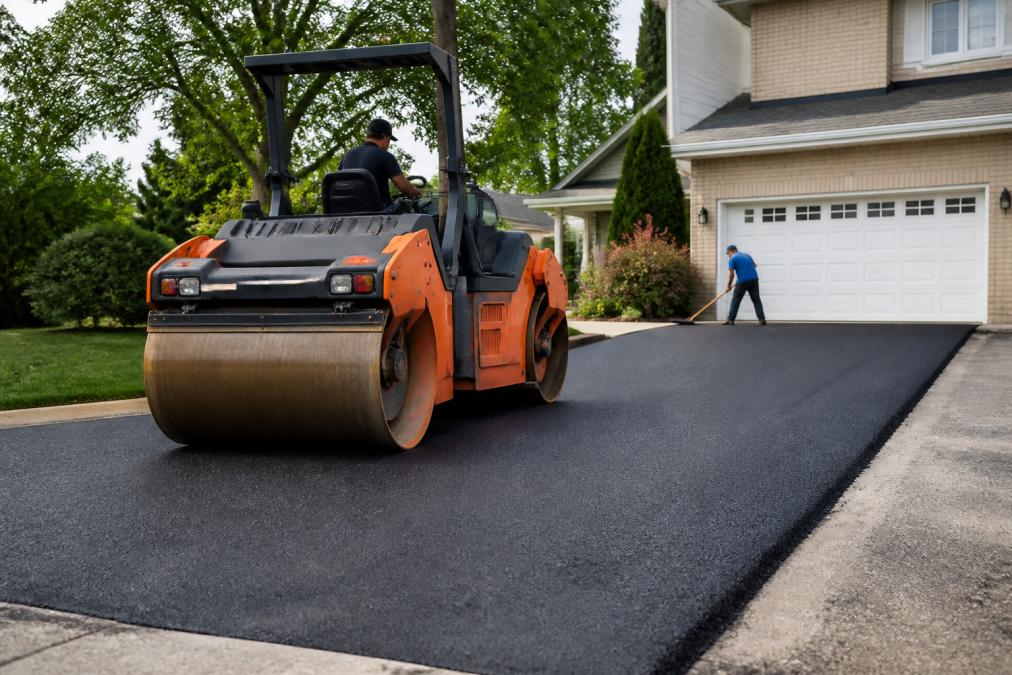
 comparison
Affordable Driveway Paving Options for Homes
Table of Contents
- Comparing Affordable Driveway Paving Options: A Quick Reference
- Gravel and Crushed Stone: The Budget-Friendly Standard
- Asphalt Paving: Balancing Upfront Cost and Durability
- How Long Does Asphalt Paving Last in a Humid Climate?
- Cost of Gravel vs Asphalt Driveway: A Detailed Breakdown
- Permeable Pavers and Recycled Materials: Eco-Friendly Alternatives
- Maintenance Requirements for Budget Driveways
- Site Preparation, Permitting, and Long-Term ROI
- Frequently Asked Questions
Last Updated: September 16, 2026
Comparing Affordable Driveway Paving Options: A Quick Reference
Affordable driveway paving options for homes come down to four choices: gravel and crushed stone, asphalt, concrete, and permeable or recycled materials. Each trades upfront material cost against installation labor, drainage performance, and years before major repairs. This guide breaks down what each surface actually costs over time, not just on the quote.
| Material | Upfront Cost Level | Life Expectancy | Maintenance Level | Best For |
|---|---|---|---|---|
| Gravel / crushed stone | Lowest | Moderate, with re-grading | High (annual) | Tight budgets, long rural drives |
| Asphalt | Low to moderate | Good with sealing | Moderate | Most suburban homes |
| Concrete | Moderate to high | Long | Low | Heavy use, minimal upkeep |
| Permeable pavers | Moderate to high | Long | Low to moderate | Drainage problems, eco goals |
Gravel and Crushed Stone: The Budget-Friendly Standard
Gravel is the cheapest driveway surface you can install, and you can spread it yourself with a rented plate compactor and a few weekends. Crushed stone and recycled materials like crushed concrete and asphalt millings keep material cost low while still forming a stable aggregate surface.
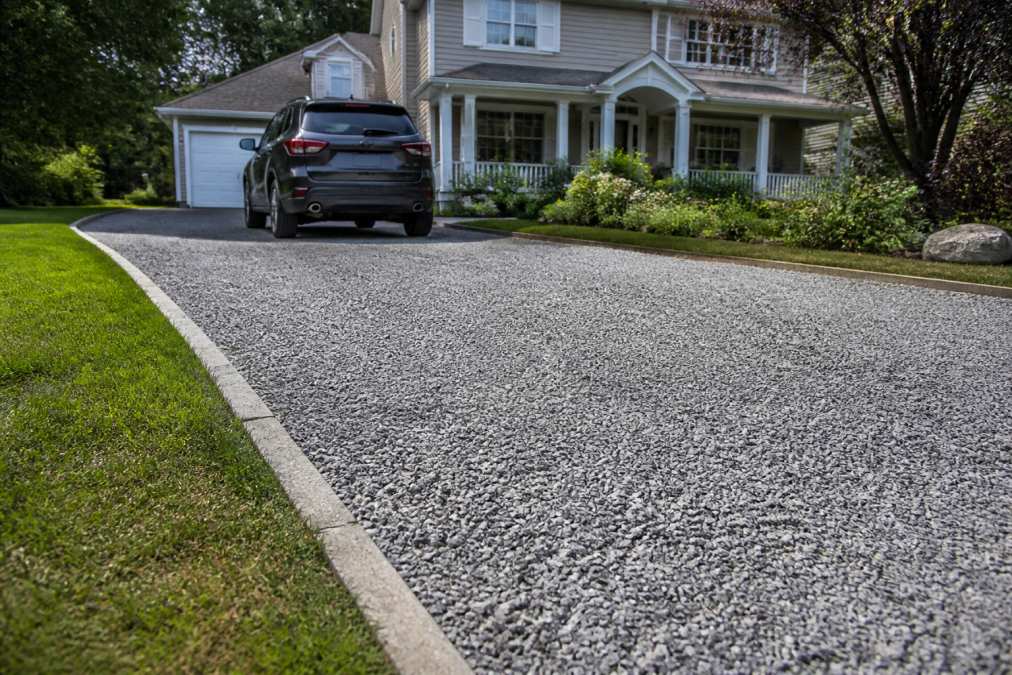
- Best for: Long driveways, rural properties, and anyone testing a layout before committing to a hard surface.
- Watch out for: Poor drainage. Without a proper base layer and grading, gravel turns into ruts and potholes fast.
Asphalt Paving: Balancing Upfront Cost and Durability
Asphalt sits in the sweet spot for most homeowners: cheaper than concrete, smoother than gravel, and repairable in patches rather than full slabs. A properly compacted surface with a sealed top coat handles daily traffic and resists cracking when the sub-base is right.
How Long Does Asphalt Paving Last in a Humid Climate?
Asphalt paving in a humid climate typically lasts 15 to 20 years with proper sealing and drainage, but that drops sharply if water sits on the surface or the base was never compacted correctly. Humidity accelerates oxidation, and freeze-thaw cycles widen existing cracks.
- Seal cracks as soon as they appear, before water gets into the base.
- Keep the surface graded so runoff moves away from the house and garage.
- Avoid parking heavy vehicles on the edges, where the asphalt is thinnest.
Cost of Gravel vs Asphalt Driveway: A Detailed Breakdown
The cost of gravel versus an asphalt driveway comes down to three variables: material cost, installation labor, and repair or resurfacing frequency. Gravel wins on the first two; asphalt wins on how little you touch it afterward. But the number that matters isn't the quote, it's the ten-year cost of ownership.
| Cost Factor | Gravel | Asphalt |
|---|---|---|
| Material cost | Lowest per square foot | Moderate |
| Installation labor | Low, DIY-friendly | Higher, needs equipment |
| Resurfacing frequency | Annual top-ups | Every 15-20 years |
| Repair method | Rake and re-spread | Patch or sealcoat |
| Drainage needs | Grading and edging | Base layer and slope |
| Ten-year ownership cost | Higher than the quote suggests | Lower than the quote suggests |
Why the Ten-Year Math Flips the Winner
Gravel's low upfront number hides recurring costs that compound: annual re-grading, a fresh load of crushed stone every one to three years on a heavily used drive, edge repair after every wet season, and periodic weed control. None are large alone, but stacked over a decade they routinely push gravel's total cost of ownership past a properly built asphalt drive, especially on a drive longer than about 100 feet, where material volume and hauling scale up fast.
Climate Changes the Crossover Point
This is the variable most cost comparisons ignore, and it decides whether "cheap" stays cheap.
- Freeze-thaw cycles: Where temperatures swing above and below freezing, water trapped in a gravel base expands and contracts. Gravel migrates into the voids, the surface ruts, and you re-grade more than once a year. Asphalt on a properly compacted base flexes with the movement instead of losing material, so its maintenance schedule holds.
- Extreme heat and sun: Asphalt softens and oxidizes faster in sustained heat, shortening the sealcoat interval and causing edge slumping on unshaded drives. Gravel is unaffected by heat but dries out and dusts, making dust suppression a recurring line item.
- Heavy, sustained rain: Without a crowned surface and defined drainage path, a single storm can move a season's worth of gravel to the low corner of the lot. Asphalt sheds water off a properly sloped surface with far less material loss.
The Hidden Line Items on Both Sides
Before you compare quotes, price these in:
- Base and sub-base material. Neither surface works without it. Crushed stone base, geotextile fabric, and compaction are real costs on both sides.
- Edge restraints. Gravel needs edging to stop lateral spread. Asphalt needs a stable shoulder or curb. Skip either and the surface fails at the edges first.
- Drainage work. Grading, swales, and sometimes a French drain or dry well. This is the most common hidden cost, and it applies regardless of surface.
- Permits and inspections. Many jurisdictions require a permit for driveway work that changes grade or the street connection. Budget the fee and the time.
- Removal and disposal. If you're replacing an existing surface, tear-out and haul-away can rival the cost of the new material on a long drive.
If your priority is the lowest project estimate today, gravel is the answer. If you want to stop thinking about your driveway for a decade, asphalt is worth the extra upfront spend, provided the base and drainage are built correctly underneath it.
Permeable Pavers and Recycled Materials: Eco-Friendly Alternatives
Permeable pavers and recycled materials solve the drainage problem that wrecks most budget driveways. Interlocking grid systems like TRUEGRID hold gravel or grass in place, letting runoff soak through instead of pooling. Recycled asphalt millings and crushed concrete do the same at lower material cost.
- Best for: Properties with drainage issues, sloped lots, and homeowners chasing a greener surface.
- Watch out for: Skipping the base layer. Permeable systems still need proper compaction underneath, or the grid shifts.
Maintenance Requirements for Budget Driveways
Maintenance requirements for budget driveways are lighter than most homeowners expect, provided the base was built correctly. Gravel needs annual re-grading and top-ups, asphalt needs sealing every few years and prompt crack repair, concrete needs little beyond joint sealing, and permeable systems need occasional sweeping to keep draining.
Site Preparation, Permitting, and Long-Term ROI
Site preparation decides whether your driveway lasts five years or twenty. Excavation, grading, sub-base compaction, and drainage all happen before a single load of material arrives. It's the step budget-minded homeowners most often cut, and the one that costs the most to fix later. On a long drive, site prep can equal or exceed the cost of the surface material, which is why a "cheap" material over a bad base is the most expensive driveway you can build.
What Site Prep Actually Involves
A correctly built driveway is a layered system, and each layer has a job:
- Stripping and excavation. Remove topsoil and organic material to the depth your base design requires. Organic matter under a driveway decomposes, settles, and takes the surface with it.
- Grading and crowning. Shape the subgrade so water moves off the surface and away from the house, garage, and foundation. A flat or inward-sloped drive is a drainage problem waiting to happen.
- Sub-base and base layers. Compacted crushed stone in lifts, often separated from the subgrade by geotextile fabric to stop fines from pumping up. Each lift gets compacted before the next goes down.
- Edge restraints and drainage. Edging, curbs, or shoulders to hold the surface in place, plus swales, catch basins, or a dry well where the lot requires them.
- Final compaction and curing. The surface goes down on a stable, uniform base, not on loose fill.
Permitting and HOA Checklist
This is the step most guides skip entirely, and it's where DIYers get fined or forced to tear out finished work. Before you buy a single load of material, run this checklist:
- Call your local building or public works department. Ask whether a permit is required for driveway work that changes grade, drainage, width, or the connection to the street or sidewalk.
- Ask about right-of-way rules. The apron where your driveway meets the street is often in the public right-of-way, and work there frequently needs a separate permit and inspection.
- Check stormwater and impervious-surface rules. Many jurisdictions limit how much impervious surface a lot can have, or require on-site drainage for new hard surfaces. Permeable options can sometimes satisfy these rules where solid asphalt or concrete cannot.
- Read your HOA covenants. HOAs commonly restrict material type, color, width, and sometimes the contractor you can use. Get written approval before you start, verbal approval is not approval.
- Confirm setback and easement limits. Utility easements across the front of a lot can prohibit paving or require a removable surface.
- Ask about inspections. Some jurisdictions require a base inspection before the surface goes down. Miss it and you may have to expose the base again.
The Ten-Year ROI Math
Long-term ROI on a driveway isn't about resale alone, it's about avoided cost. A cheap surface over a bad base means patching, re-grading, and eventually full replacement, so you pay for the base twice. A correctly built driveway with proper base and drainage pays that back in avoided repairs and holds curb appeal at resale.
Frequently Asked Questions
What is the cheapest material to pave a driveway with?
Gravel and crushed stone are typically the most affordable driveway paving options for homes, with lower material and installation labor costs than asphalt or concrete. Recycled materials like crushed concrete or asphalt millings can reduce costs further. However, the lowest upfront price does not always mean the lowest long-term cost, since gravel requires periodic replenishment and more frequent grading than hard surfaces.
Is gravel cheaper than asphalt for a driveway?
Yes, gravel generally costs less than asphalt per square foot, both in material and installation labor. The cost of gravel vs asphalt driveway projects often differs by thousands of dollars for a standard two-car driveway. Gravel also allows for DIY installation, which can save on labor. Keep in mind that gravel needs re-grading and occasional top-ups, while asphalt offers a smoother, more permanent surface with its own maintenance needs.
How long does asphalt paving last compared to concrete?
Asphalt driveways typically last 15 to 20 years with proper maintenance, while concrete can last 30 years or more. In hot, humid climates with heavy rain, asphalt may need more frequent resurfacing and crack sealing. Concrete resists heat better but can crack from soil movement. The lifespan of either material depends heavily on site preparation, drainage, and base layer compaction.
Can I install a driveway myself to save money?
You can install gravel or crushed stone driveways yourself with basic tools, saving on installation labor. Permeable paver grids are also DIY-friendly. Asphalt and concrete require specialized equipment and expertise, so professional installation is recommended. Even for DIY projects, proper site preparation including grading, drainage, and compaction is critical. Skipping these steps leads to early failure and higher long-term costs.
How much does it cost to pave a standard residential driveway?
The cost to pave a standard residential driveway varies widely based on material, square footage, site conditions, and local labor rates. Gravel is the most budget-friendly, followed by asphalt, then concrete and pavers. Factors like excavation, base layer thickness, drainage solutions, and permitting fees add to the project estimate. For an accurate quote tailored to your property, contact a local paving contractor for a free estimate.
Picking a driveway surface isn't really about the material. It's about whether the base, drainage, and installation are done right, because that's what determines how long your investment lasts. Houston Pavement Repair LLC handles asphalt and concrete paving and repair for residential and commercial clients, with free estimates and a focus on fixing the root cause instead of patching symptoms. Call now to schedule your free estimate and get a surface built to last.