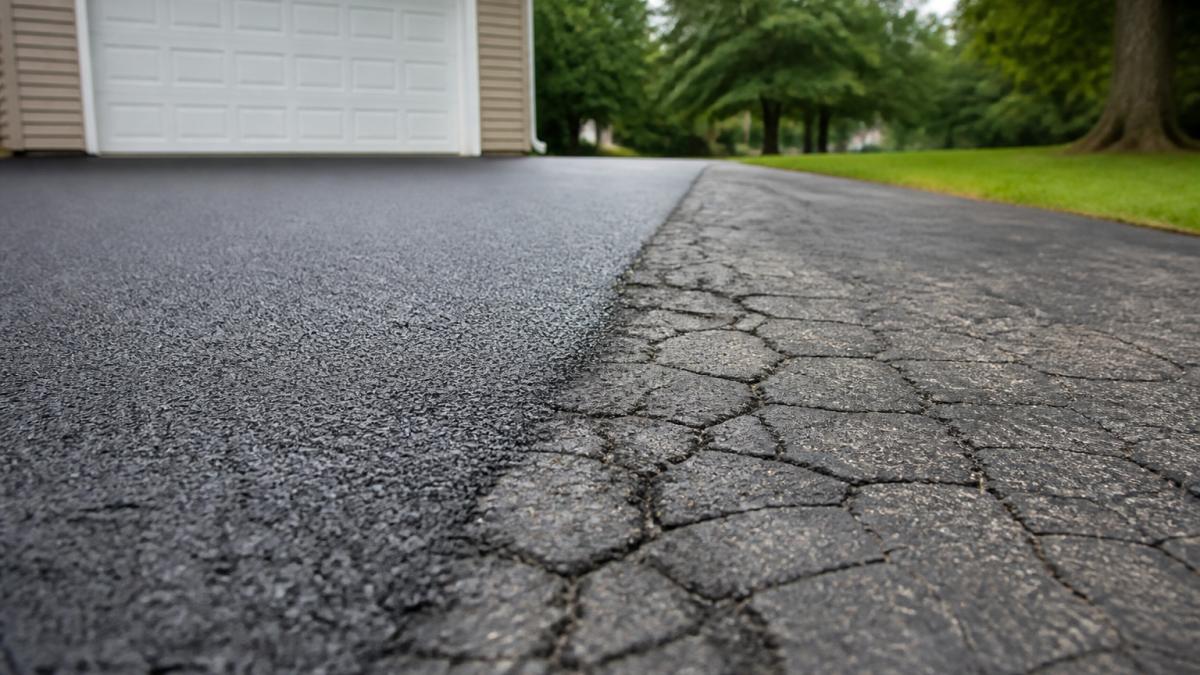
 ultimate-guide
Asphalt Driveway Lifespan: What to Expect
Table of Contents
- How Long Does an Asphalt Driveway Last
- Factors That Affect Asphalt Driveway Lifespan
- Asphalt vs. Concrete Driveway Lifespan
- Asphalt Driveway Maintenance Tips for Longevity
- Asphalt Driveway Sealcoating Frequency and Benefits
- Cost to Replace Asphalt Driveway: When Repair Stops Making Sense
- Signs Your Driveway Needs Replacement, Not Repair
- Frequently Asked Questions
Last Updated: September 30, 2026
How Long Does an Asphalt Driveway Last
An asphalt driveway typically lasts 15 to 20 years, though this varies based on installation quality, climate, and maintenance. The asphalt driveway lifespan depends on base layer compaction, freeze-thaw cycles, and preventative care like sealcoating.
Driveways receiving regular sealcoating and crack filling routinely outlast neglected ones. A well-maintained asphalt surface can reach 25 years or beyond, while neglected pavement may fail in 8 to 10 years.
Factors That Affect Asphalt Driveway Lifespan
Installation quality, climate exposure, traffic patterns, and drainage determine asphalt driveway lifespan. A poorly prepared subgrade or inadequate base layer compromises structural integrity from day one. These factors interact to accelerate or slow oxidation and crack formation.
Installation Quality and Base Preparation
Proper sub-base preparation involves compacting the subgrade and adding a 4 to 6 inch compacted aggregate base layer. This distributes vehicle loads evenly and prevents differential settling that creates stress points in the pavement.
A thin or poorly compacted base allows excessive flexing under load, accelerating alligator cracking and potholes. Professional installation includes proper drainage design to prevent water pooling beneath the surface.
Higher-quality binders resist oxidation longer and maintain flexibility in temperature extremes. A properly installed driveway with appropriate binder selection can reach 20-25 years; a poorly installed one may fail in 8-10 years.
Climate and Weather Exposure: Regional Degradation Patterns
Temperature swings and moisture cycles degrade pavement, but their impact varies by region. Understanding your climate zone helps predict realistic lifespan and prioritize maintenance.
Freeze-Thaw Climates (Northern regions, mountain areas): Water infiltrates micro-cracks and expands as it freezes, widening cracks. In regions experiencing 30-50 freeze-thaw cycles annually, asphalt driveways degrade 20-30% faster than in temperate climates. A driveway lasting 20 years in a mild climate may last only 14-16 years without aggressive maintenance. Solution: sealcoat every 18 months and fill cracks immediately.
Hot, Sunny Climates (Southwest, South, Southeast): UV rays cause oxidation, hardening asphalt and making it brittle. Thermal cracking forms from daily expansion and contraction. Sealcoat every 18-24 months to prevent oxidation from reducing pavement life by 3-5 years.
Wet, Humid Climates (Pacific Northwest, Southeast): Heavy rainfall and poor drainage weaken the base layer. Standing water is a red flag. In regions receiving 40+ inches of rain annually, inadequate drainage can reduce pavement life by 2-4 years. Ensure the driveway slopes away from structures and clear debris regularly.
Temperate Climates: Driveways in temperate climates with 5-15 freeze-thaw cycles annually and moderate UV exposure typically achieve the full 18-22 year lifespan with standard sealcoating every 2-3 years.
Traffic Load and Usage Patterns
Residential driveways typically handle lighter loads than commercial lots and last longer. However, even light-duty driveways degrade faster under sustained use.
Repeated parking in the same spots creates rutting and accelerates crack formation. A driveway supporting a work truck parked daily may show rutting within 5-7 years; occasional-use driveways may not until year 12+. Varying parking locations extends lifespan.
Asphalt vs. Concrete Driveway Lifespan
Concrete driveways typically outlast asphalt, lasting 25 to 40 years with proper maintenance. However, the comparison isn't straightforward. Concrete's longer lifespan comes with higher upfront costs and different maintenance demands. Concrete is also more prone to cracking in freeze-thaw climates and requires sealing every 2 to 3 years to prevent spalling and deterioration. Weighing these durability trade-offs against installation expenses often necessitates a broader asphalt cost comparison to determine the most sustainable investment for your specific property.
Asphalt driveways cost less initially and are easier to repair in small sections, making them attractive for budget-conscious homeowners. The trade-off is more frequent maintenance. Concrete offers superior load-bearing capacity and resists UV oxidation better, making it ideal for commercial applications with heavy traffic. Asphalt's flexibility makes it more forgiving in areas with significant ground movement or poor drainage.
For most residential applications in our region, asphalt driveway lifespan of 15 to 20 years represents good value when maintenance is performed consistently. Concrete makes sense if you plan to stay in your home 30+ years and want minimal upkeep, despite higher installation costs.
Call now to schedule your free estimate →
Asphalt Driveway Maintenance Tips for Longevity
The most effective way to extend asphalt driveway lifespan is preventative maintenance. This means addressing small problems before they become expensive failures. Regular inspection, sealcoating, and timely crack repairs can add 5 to 10 years to your pavement's life. More importantly, the financial case for maintenance is compelling: preventative care can prevent damage that would otherwise cost significantly more in repairs or accelerate the need for full replacement.
Sealcoating and Protective Treatments
Sealcoating is the single most impactful maintenance action you can take, and the math justifies the investment. A sealcoat is a thin protective layer applied over the asphalt surface that blocks UV rays and water infiltration. It restores the dark appearance of new pavement and provides a sacrificial barrier that oxidizes instead of the asphalt binder beneath.
Most professionals recommend sealcoating every 2 to 3 years for residential driveways. The timing depends on climate exposure and traffic intensity. A driveway in a hot, sunny climate with heavy use might need sealcoating every 18 months, while a lightly-used driveway in a temperate area might go 3 years between applications.
Here's the cost-benefit reality: Consistent sealcoating involves a small, consistent investment that directly extends asphalt driveway lifespan and delivers measurable financial returns. Without sealcoating, a driveway typically requires more frequent and expensive reactive repairs, and may need premature resurfacing or replacement.
The protective mechanism is straightforward: UV rays oxidize the asphalt binder, making it brittle and prone to cracking. Water infiltration through cracks weakens the base layer, triggering accelerated failure. A sealcoat barrier prevents both. In climates with freeze-thaw cycles, sealcoating is even more critical, it reduces water absorption that leads to ice-lens formation and pavement heave.
Crack Filling and Repair Timing
Small cracks should be filled as soon as they appear. Water infiltration through cracks is the primary mechanism of pavement failure. Once water reaches the base layer, it weakens the structural support, and deterioration accelerates exponentially.
Crack filling involves cleaning the crack and injecting asphalt emulsion or hot-pour sealant. This is inexpensive when done early. Waiting until cracks become 1/4 inch wide or larger makes the repair more difficult and less effective. The longer you wait, the more likely water has already infiltrated deeper into the pavement structure, requiring more invasive (and expensive) repairs.
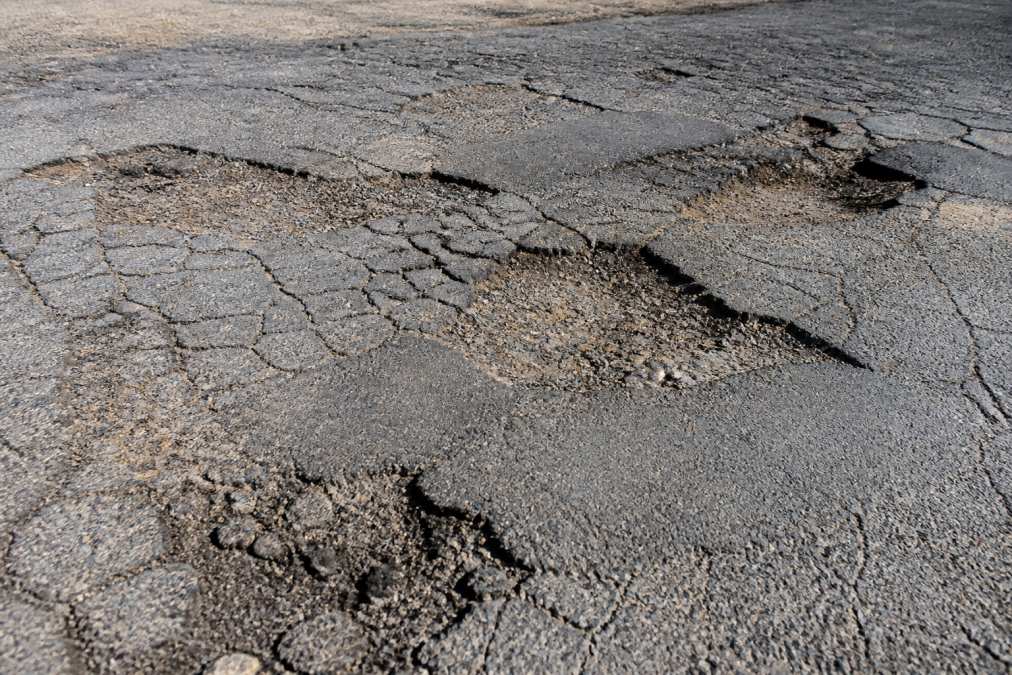
Alligator cracking, a pattern of interconnected cracks resembling reptile skin, signals that structural failure is imminent. At this stage, filling individual cracks is futile. The pavement has lost load-bearing capacity and requires resurfacing or replacement. The lesson: a small investment in crack filling can prevent significantly more expensive resurfacing or replacement later on.
Drainage Maintenance
Often overlooked, proper drainage is as critical as sealcoating. Water pooling on the driveway surface or along edges indicates that the base layer has settled or drainage is compromised. Standing water accelerates oxidation, promotes algae growth, and forces water into micro-cracks. Clear debris from the driveway edges, ensure gutters and downspouts direct roof runoff away from the pavement, and grade the surrounding soil so water slopes away from the driveway. These no-cost or low-cost actions prevent the water infiltration that drives most premature failures.
Asphalt Driveway Sealcoating Frequency and Benefits
Sealcoating frequency directly impacts how long your asphalt driveway lifespan extends. Regular sealcoating protects against oxidation, water infiltration, and UV damage. Each application creates a fresh protective barrier and extends the interval before major repairs become necessary.
The benefits of consistent sealcoating include enhanced appearance, improved water resistance, and reduced oxidation. A well-sealed driveway maintains its dark color and looks professionally maintained.
Cost to Replace Asphalt Driveway: When Repair Stops Making Sense
Determining when to replace versus repair depends on the extent of damage and the remaining asphalt driveway lifespan. A general rule: if repairs exceed 50% of replacement cost, replacement becomes the better investment. This is because extensive repairs often fail quickly, requiring you to pay for repairs again within a few years.
Signs Your Driveway Needs Replacement, Not Repair
| Maintenance Action | Frequency | Impact on Lifespan |
|---|---|---|
| Sealcoating | Every 2-3 years | Adds 5-10 years |
| Crack filling | As cracks appear | Prevents major damage |
| Pressure cleaning | Annually | Removes contaminants |
| Full replacement | When damage exceeds 50% | Resets lifespan to 15-20 years |
Frequently Asked Questions
What are the primary factors that shorten the asphalt driveway lifespan?
Poor installation quality, inadequate sub-base preparation, freeze-thaw cycles, heavy traffic loads, and lack of maintenance are the main culprits. Water penetration through cracks accelerates degradation by compromising the base layer and subgrade. UV rays cause oxidation of the asphalt binder, making the surface brittle. In areas with significant temperature swings, thermal expansion and contraction create stress that leads to cracking. Regular sealcoating and prompt crack filling can prevent these issues from compounding.
How does asphalt vs. concrete driveway lifespan compare?
Asphalt typically lasts 15-20 years with proper maintenance, while concrete driveways often last 30-40 years. However, concrete requires less frequent maintenance and is more resistant to UV damage and freeze-thaw cycles. Asphalt is cheaper to install and repair initially, making it a better choice for budget-conscious homeowners. Concrete's longevity advantage comes at a higher upfront cost and can crack if the base is inadequate. Your choice depends on your climate, traffic patterns, and long-term budget.
How often should I apply sealcoating to extend my asphalt driveway lifespan?
Sealcoating should be applied every 2-3 years for residential driveways, or every 1-2 years for commercial parking lots with heavy traffic. The first sealcoat should be applied 6-12 months after new asphalt installation. Sealcoating protects against UV oxidation, water infiltration, and chemical damage, significantly extending pavement longevity. It also improves appearance and helps maintain structural integrity by preventing the asphalt binder from breaking down. Skip a sealcoat cycle and you'll notice accelerated aging.
What should I expect to pay for asphalt driveway replacement?
Replacement costs depend on driveway size, site conditions, base layer requirements, and local labor rates. Pricing varies based on whether existing asphalt must be removed, the quality of the subgrade, and whether drainage improvements are needed. For an accurate quote, contact a local contractor who can assess your specific site. Many factors, such as compaction standards, aggregate quality, and asphalt binder specifications, affect final cost. Request detailed estimates that break down material and labor to compare options fairly.