 ultimate-guide
What Causes Alligator Cracking in Asphalt
Table of Contents
- What Is Alligator Cracking and Why It Matters
- Primary Causes of Alligator Cracking in Asphalt
- How to Fix Alligator Cracks in Driveway and Parking Lots
- Asphalt Repair Cost and When to Replace vs. Repair
- Asphalt Maintenance Best Practices to Prevent Cracking
- Climate-Specific Factors and Pavement Life Cycle
- Frequently Asked Questions
Last Updated: September 22, 2026
What Is Alligator Cracking and Why It Matters
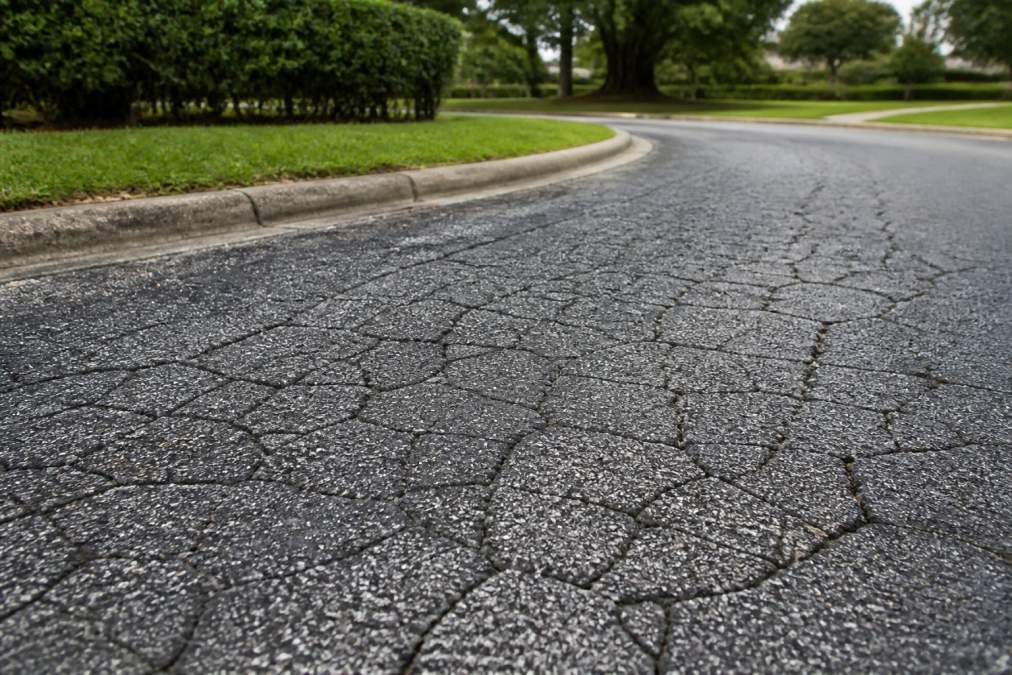
Alligator cracking is a network of interconnected cracks that resembles the skin of an alligator, forming a pattern of small polygonal pieces across an asphalt surface. This type of pavement distress typically develops when the structural integrity of the asphalt fails under repeated stress, causing the surface to fracture into a web-like pattern. Understanding what causes alligator cracking in asphalt is essential for property managers, homeowners, and facilities operators because it signals deeper problems beneath the surface that won't resolve on their own.
Alligator cracking is almost never a surface problem. It's always a symptom of something happening below, fatigue failure, moisture damage, or structural failure in the subgrade. The difference between a quick patch and a lasting solution depends entirely on identifying the root cause first.
Alligator cracking matters because it accelerates rapidly. A small area with a few interconnected cracks can spread to cover half your parking lot within a season or two. Once it starts, the cracks widen, water infiltrates deeper, and the structural failure compounds. The cost to repair grows exponentially the longer you wait.
Primary Causes of Alligator Cracking in Asphalt
Alligator cracking doesn't happen by accident. It emerges from specific failure mechanisms that load the asphalt beyond its capacity. Here's what actually causes it.
Fatigue Failure From Heavy Traffic and Overloading
Fatigue failure is the most common cause of alligator cracking. When asphalt experiences repeated heavy loads, trucks, buses, or concentrated parking traffic, the flexible pavement deflects slightly with each pass. Over thousands of cycles, the asphalt binder loses its ability to bond the aggregate particles together. The material fatigues like a metal wire that bends back and forth until it snaps.
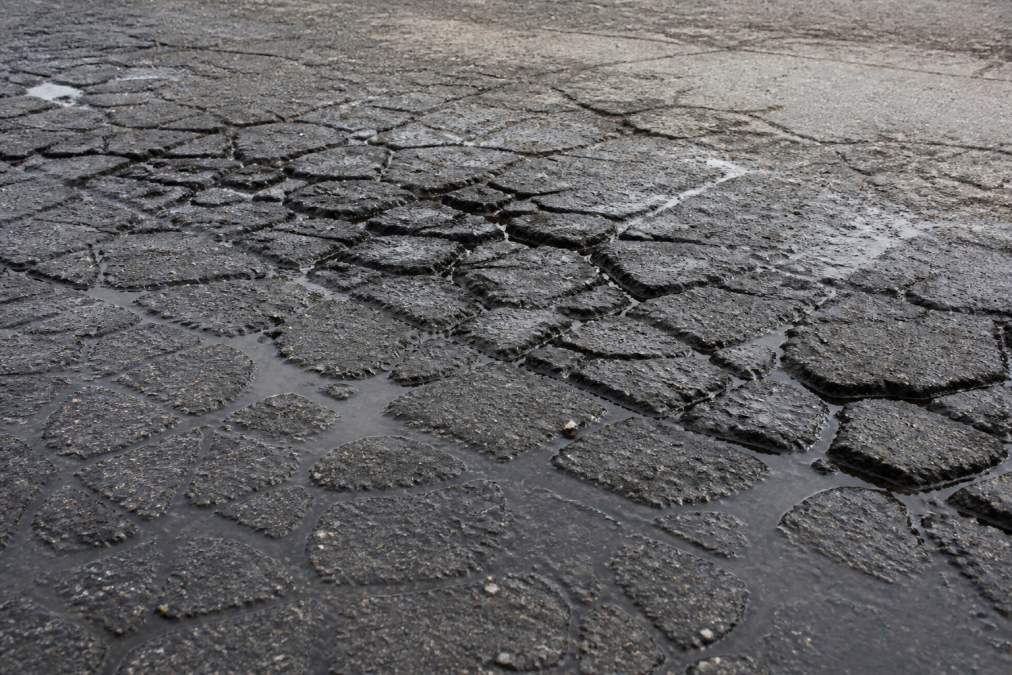
The problem intensifies when loads exceed the pavement's design capacity. A parking lot built to handle standard vehicles fails faster when delivery trucks or heavy equipment regularly park there. The load-bearing capacity of the asphalt and base course determines how many stress cycles it can withstand before fatigue cracks initiate. Once tensile stress in the asphalt binder exceeds its strength, cracking begins at the bottom of the asphalt layer and propagates upward, eventually breaking through the surface as alligator cracks.
Heavy traffic also creates rutting, permanent deformation in wheel paths. Rutting concentrates water and accelerates fatigue failure in those specific zones, which is why alligator cracking often appears first in high-traffic areas.
Moisture Infiltration and Drainage Deficiency
Water is asphalt's enemy. Moisture infiltration weakens the bond between the asphalt binder and aggregate particles, reducing the structural integrity of the entire pavement. When water gets trapped beneath the asphalt surface, it saturates the base course and subgrade, compromising their load-bearing capacity.
Drainage deficiency is the culprit. Poor drainage allows water to pond on the surface or seep through cracks into the layers below. Once water reaches the sub-base and subgrade, it causes saturation that reduces support for the pavement above. The saturated soil loses strength, the asphalt flexes more under load, and fatigue cracks develop faster. In freeze-thaw climates, this problem worsens, water in the base course and subgrade freezes, expands, and heaves the pavement, creating additional stress on the asphalt layer.
Many parking lots and driveways lack adequate slope for drainage. If water doesn't run off quickly, it accumulates in low spots and penetrates through the asphalt. Clogged storm drains, missing or failed drainage systems, and compacted soil that prevents water permeability all contribute to moisture problems. The result: permeability failures that allow water to reach the structural layers.
Poor Compaction and Subgrade Support Failure
Alligator cracking often traces back to what happened during construction. If the base course or subgrade wasn't compacted to proper density, the pavement has insufficient support from the start. Low compaction density means higher deflection under load, which accelerates fatigue failure.
Subgrade support failure occurs when the soil beneath the pavement can't properly support the asphalt and base layers. Weak subgrade materials, inadequate thickness of the aggregate base, or settlement of the subgrade all reduce the foundation's ability to distribute loads. When subgrade support fails, the asphalt above flexes excessively, and fatigue cracking develops rapidly.
Poor compaction also creates voids in the base course and subgrade, allowing water infiltration and further weakening of the structural layers.
Aging and Surface Oxidation of Asphalt Binder
Asphalt binder oxidizes over time when exposed to UV radiation and oxygen. The binder becomes brittle and loses its ability to flex with traffic loads. As the asphalt binder ages and hardens, it can no longer accommodate the tensile stresses from repeated loading, and cracking initiates more easily.
How to Fix Alligator Cracks in Driveway and Parking Lots
Fixing alligator cracking requires a methodical approach. The repair method depends entirely on severity and the underlying cause.
Call now to schedule your free estimate →
Step 1: Assess Severity and Identify Root Cause
Before choosing a repair method, determine how extensive the cracking is and what caused it. Light alligator cracking confined to a small area (less than 10% of the surface) may be repairable with crack sealing or patching. Moderate cracking (10-30% of the surface) typically requires removal and replacement of the affected area or an overlay. Severe cracking (more than 30% of the surface) usually signals that the pavement has reached the end of its life and needs full-depth reclamation or replacement.
Step 2: Choose Your Repair Method
Crack sealing works only for hairline cracks before they interconnect. Once cracks form the alligator pattern, sealing alone won't stop the underlying fatigue failure. Crack sealing may extend pavement life by 1-3 years but won't resolve what's causing the cracking.
Step 3: Execute the Repair
Once you've selected the repair method, proper execution matters. Ensure that whoever performs the work addresses the root cause, not just the symptom. If drainage is the problem, install or improve drainage before paving. If the base is inadequate, bring it to proper thickness and compaction. If the subgrade is weak, stabilize or replace it.
Asphalt Repair Cost and When to Replace vs. Repair
The decision to repair or replace depends on the extent of cracking, the remaining pavement life, and long-term cost analysis. Small repairs cost less upfront but may need repetition. Full replacement costs more initially but eliminates recurring repairs.
Asphalt Maintenance Best Practices to Prevent Cracking
Prevention is far more cost-effective than repair. Simple maintenance practices extend pavement life and reduce the risk of alligator cracking.
Seal Coating and Crack Sealing
Seal coating protects the asphalt binder from oxidation and UV damage, keeping the pavement flexible longer. A quality seal coat applied every 2-3 years slows the aging process and extends pavement life by several years. Crack sealing, filling small cracks before they widen, prevents water infiltration and stops cracks from growing into alligator patterns. Seal small cracks as soon as they appear, before they connect and create larger problems.
Drainage Management and Moisture Control
Proper drainage is the foundation of pavement longevity. Ensure your parking lot or driveway slopes adequately to shed water. Clean catch basins and storm drains regularly so water doesn't pond on the surface. If you notice areas where water accumulates, address the drainage problem immediately. Install or repair edge drains and subsurface drainage systems if water is infiltrating beneath the pavement.
Regular Inspection and Timely Patching
Walk your pavement quarterly and look for early signs of distress. Small cracks, potholes, and surface deterioration are early warnings. Patch small problems before they grow. A pothole that's 2 inches deep costs far less to repair than one that's 4 inches deep and spreading. Regular inspection catches problems early, when repair costs are lowest.
Climate-Specific Factors and Pavement Life Cycle
Climate influences how quickly alligator cracking develops. In regions with freeze-thaw cycles, moisture in the base course and subgrade freezes and expands, heaving the pavement and creating stress that leads to cracking. Spring thaw accelerates this process as ice melts and the pavement settles unevenly.
Frequently Asked Questions
How serious is alligator cracking in asphalt?
Alligator cracking indicates structural failure of the pavement. Water infiltrates through the cracks, weakening the sub-base and subgrade support, which accelerates deterioration. Once interconnecting cracks form, the pavement's load-bearing capacity drops significantly. If left untreated, the affected area will develop potholes and full-depth failure within months to a few years, depending on traffic volume and climate. Early intervention through crack sealing or patching can slow progression, but widespread alligator cracking typically signals the need for overlay or full-depth reclamation.
What is the best way to fix alligator cracks in a driveway?
The repair method depends on severity and the root cause. For light cracking (less than 25% of the surface), crack sealing with specialized asphalt binder fills stops water infiltration and prevents spread. Moderate cracking (25-50%) often requires patching with hot-mix asphalt after cleaning and priming the damaged area. Severe alligator cracking covering more than 50% of the surface typically demands an overlay or full-depth reclamation, which removes and replaces the damaged pavement. Always address the underlying cause, drainage, subgrade settlement, or traffic overload, or cracking will recur.
Can you pave over alligator cracks?
Overlaying alligator cracks is possible but only works if the underlying structural integrity remains sound. An overlay (new asphalt layer) can hide minor to moderate cracking and extend pavement life by 10-15 years. However, if the sub-base is saturated, the subgrade has failed, or cracking is severe, an overlay will fail quickly as the new layer reflects the movement of the damaged pavement below. Proper diagnosis is essential: if moisture infiltration or subgrade failure caused the cracking, the root problem must be fixed first, or the overlay will crack within a few years.
What causes alligator cracking to return after repair?
Cracking recurs when the root cause is not addressed. If drainage issues or moisture infiltration caused the original failure, water continues to weaken the sub-base and subgrade, triggering new cracks near the repair. Similarly, if traffic overload or poor compaction was the culprit, the repair patch experiences the same fatigue stress and fails again. Proper repair involves identifying why the pavement failed, fixing that underlying problem (improved drainage, subgrade reinforcement, or load distribution), and then repairing the visible damage. Without this approach, patches and overlays are temporary solutions.