 ultimate-guide
Asphalt Parking Lot Maintenance Schedule: A Complete Guide
Table of Contents
- Why an Asphalt Parking Lot Maintenance Schedule Matters
- Asphalt Sealcoating Frequency and Benefits
- Parking Lot Crack Filling Benefits and Best Practices
- Your Complete Asphalt Maintenance Checklist
- When to Repave vs. Resurface Your Parking Lot
- Budgeting and ROI: How Maintenance Saves Money Long-Term
- Climate-Specific Maintenance Considerations
- Selecting a Reliable Maintenance Partner
- Frequently Asked Questions
Last Updated: August 28, 2026
Why an Asphalt Parking Lot Maintenance Schedule Matters
A well-maintained asphalt parking lot is one of the most visible assets on any commercial property. Yet most property managers treat parking lot maintenance as something to handle when problems become obvious, by then, you're already looking at expensive repairs or complete resurfacing. This guide from Houston Pavement Repair LLC breaks down how a structured asphalt parking lot maintenance schedule prevents costly deterioration and extends pavement life by years.
Pavement deteriorates predictably: water infiltrates cracks, UV rays oxidize the asphalt binder, traffic loads compress the surface, and temperature swings create stress cycles. A maintenance schedule intercepts each threat before it compounds into structural failure. Property managers who implement proactive maintenance report fewer emergency repairs, better safety conditions, and improved property valuations.
Asphalt Sealcoating Frequency and Benefits
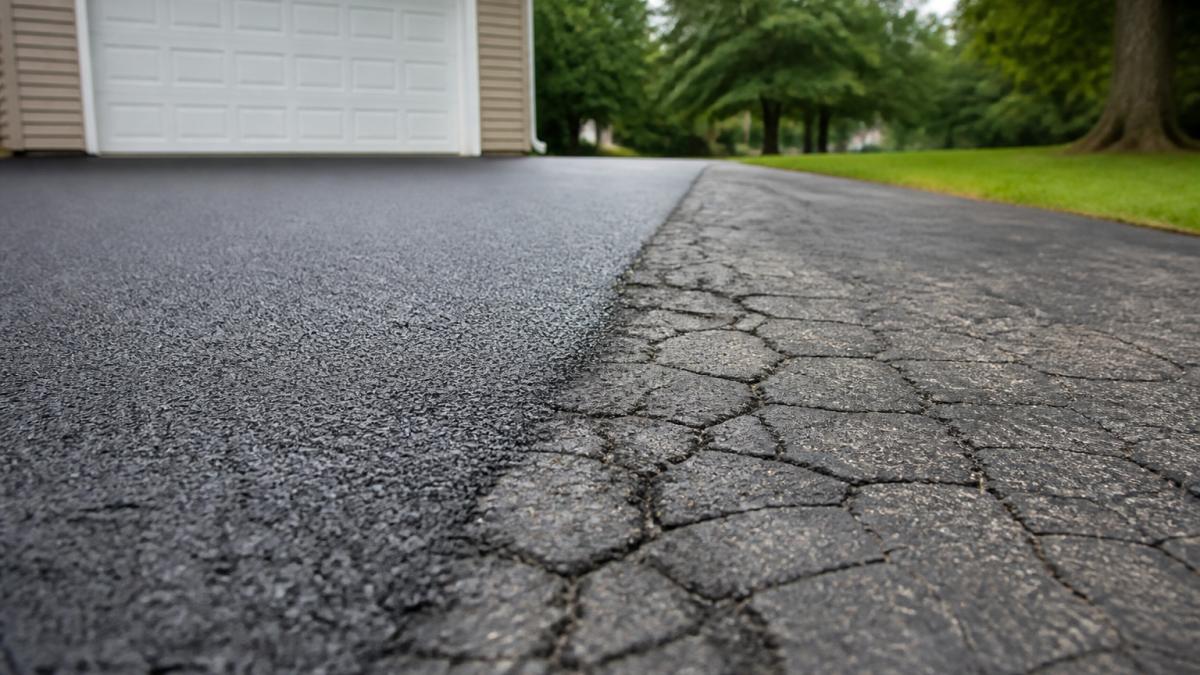
Sealcoating is the most cost-effective preventative tool in your maintenance arsenal. It's a protective layer that shields the asphalt binder from UV degradation and water penetration.
Most parking lots benefit from sealcoating every 2-3 years, depending on traffic volume, climate exposure, and pavement age. High-traffic commercial lots may need annual sealcoating; residential driveways might stretch to 3-4 years.
Apply sealcoat when temperatures are between 50-85°F and rain isn't forecast for 24-48 hours. Spring and fall are ideal in most climates. Summer heat can cause the emulsion to cure too fast, creating a brittle surface, while winter cold prevents proper curing entirely.
Regular sealcoating resists oil spot treatment needs, reduces water infiltration, and slows oxidation. You'll notice less cracking, fewer potholes, and better overall structural integrity.
Parking Lot Crack Filling Benefits and Best Practices
Cracks are the entry point for water that destroys asphalt. A single untreated crack can expand into a network of damage within one freeze-thaw cycle.
Crack sealing should happen twice yearly: spring after freeze-thaw damage appears, and late summer or early fall before winter. Fill cracks before they widen beyond 1/4 inch (asphaltpavement.org). Once cracks exceed 1/2 inch, they require routing and hot-pour repair rather than simple sealing.
The process involves cleaning debris, applying flexible sealant (usually rubberized asphalt emulsion or polyurethane), and allowing proper curing. The sealant must bond to both sides of the crack and flex as temperature changes occur. Common mistakes include overfilling cracks (which traps water) and applying sealant to wet cracks (which prevents adhesion).
For larger cracks showing signs of sub-base failure, Houston Pavement Repair LLC recommends professional assessment before sealing, as some cracks indicate deeper structural issues that sealant alone won't solve.
Your Complete Asphalt Maintenance Checklist
A structured maintenance calendar keeps your parking lot in predictable condition, addressing surface oxidation, aggregate loss, drainage issues, and traffic load impacts.
Spring Tasks
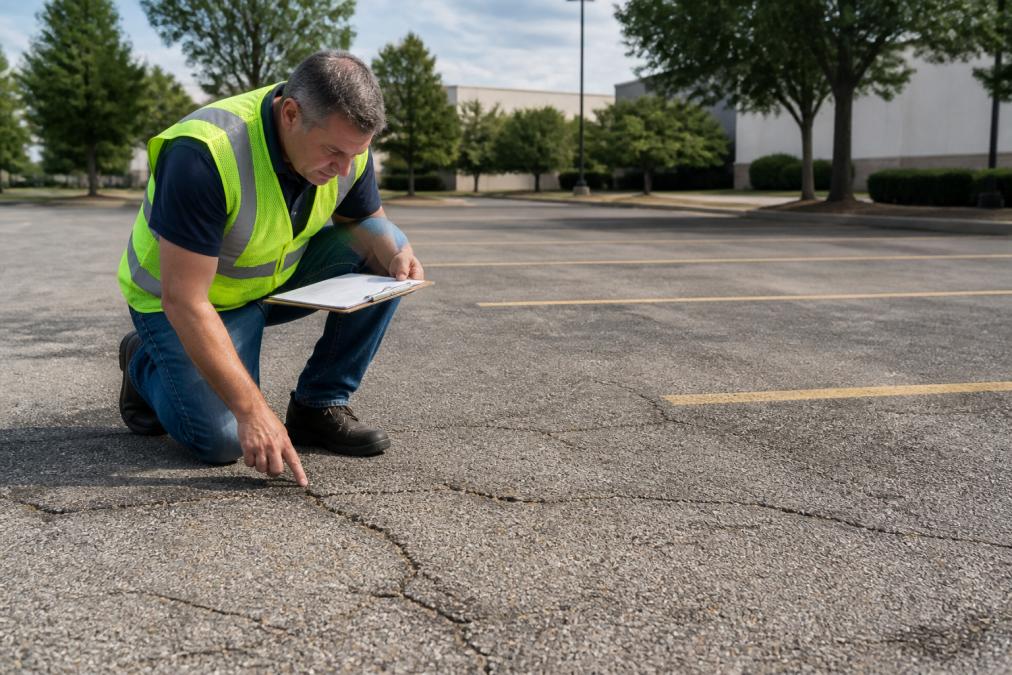
Spring is when freeze-thaw damage becomes visible. Priorities include identifying and addressing winter deterioration.
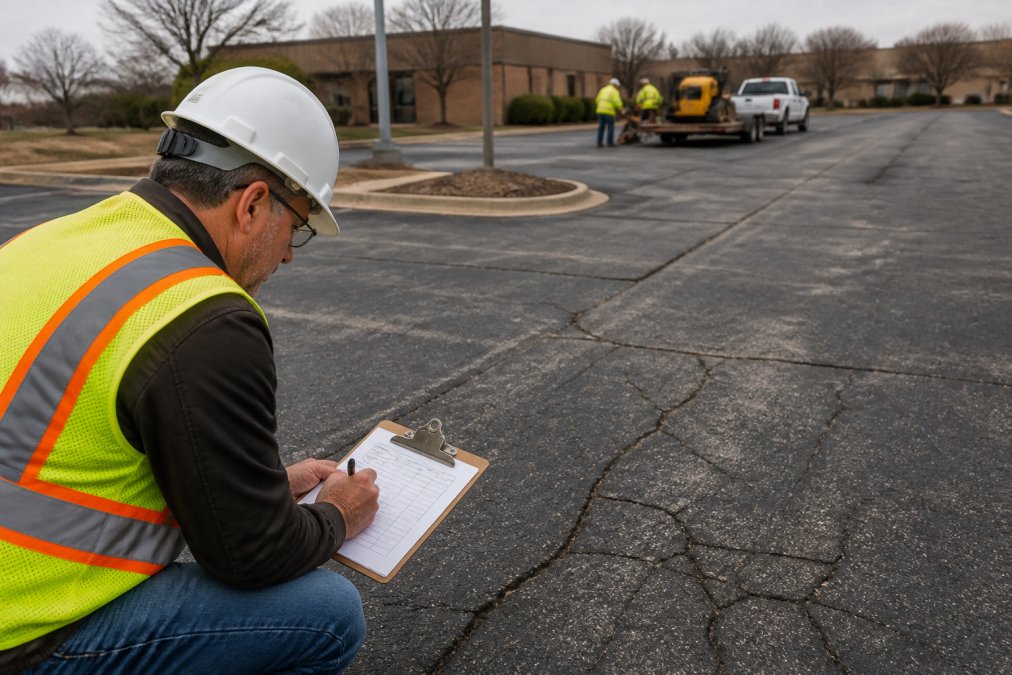
Visual inspection: Walk the entire lot and document all cracks, potholes, and surface damage with photos and locations.
Pothole patching: Winter cycles create potholes as water freezes in sub-base voids. Patch immediately to prevent water infiltration and liability issues.
Crack sealing: Address all visible cracks before spring rains intensify water penetration. Seal cracks under 1/2 inch; flag larger cracks for routing and hot-pour repair.
Debris removal: Remove winter salt residue, sand, gravel, and accumulated debris. Salt and grit trap moisture against the pavement.
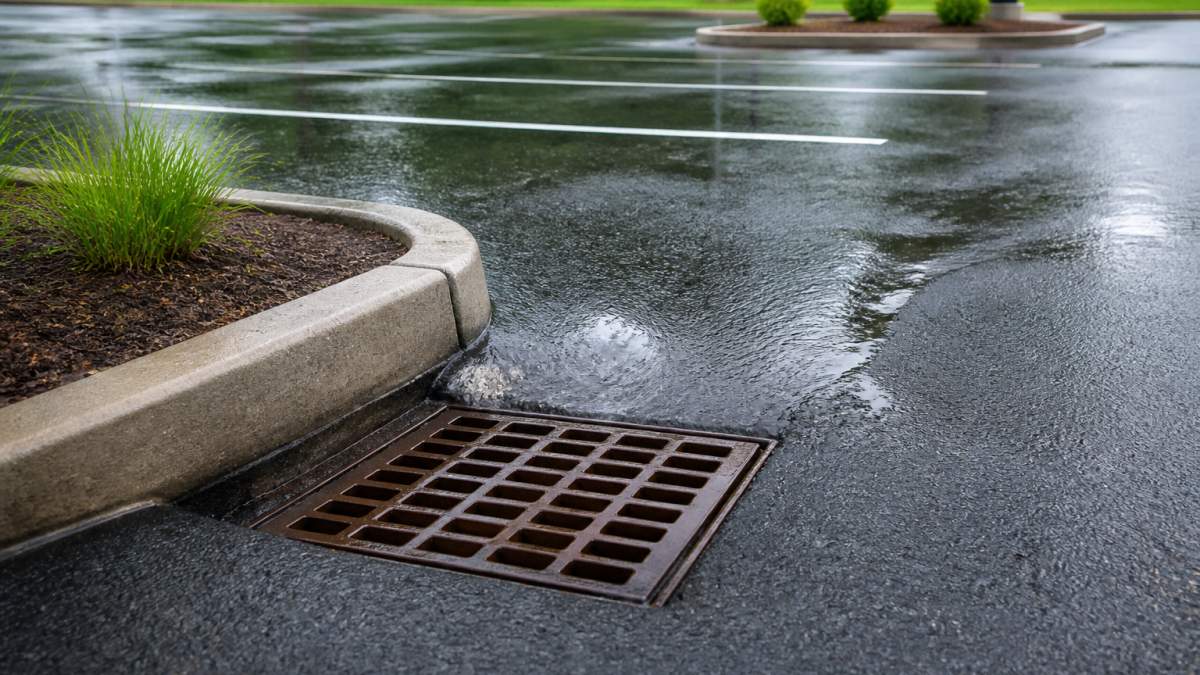
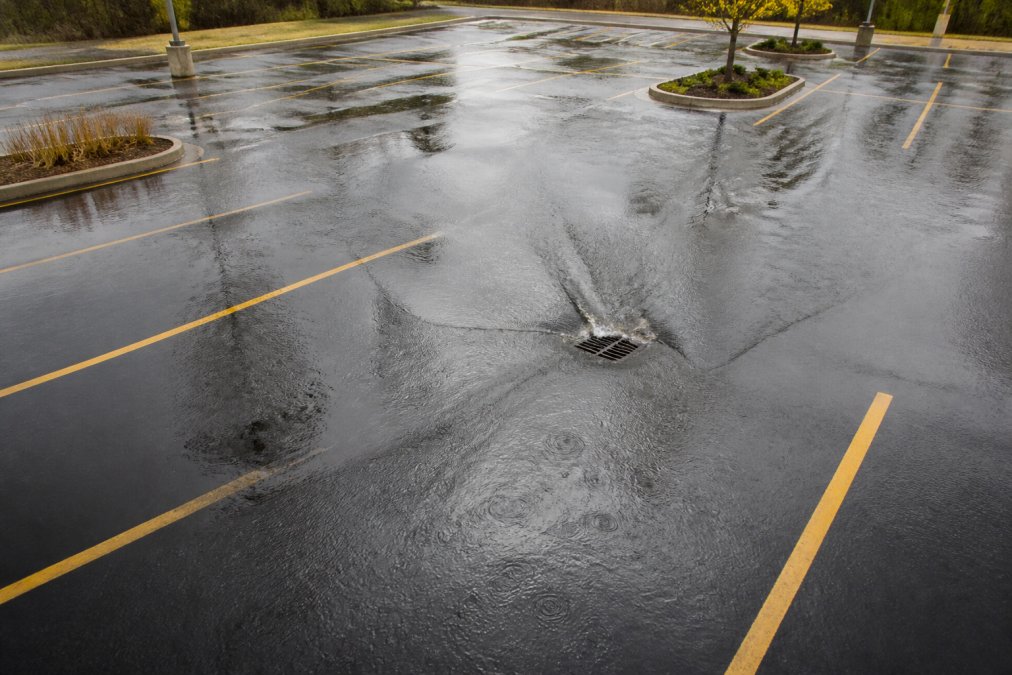
Drainage assessment: Check that storm drains, catch basins, and gutters are clear. Standing water is your pavement's worst enemy.
Summer Tasks
Summer heat accelerates oxidation but provides ideal conditions for sealcoating and hot-pour repairs.
Sealcoating: If your maintenance schedule calls for sealcoating this year, early summer (May-June) is safer than peak heat (July-August).
Hot-pour crack repair: Address larger cracks (over 1/2 inch) that require routing and hot-pour application.
Oil spot treatment: Treat oil stains from vehicle leaks; oil degrades the asphalt binder over time.
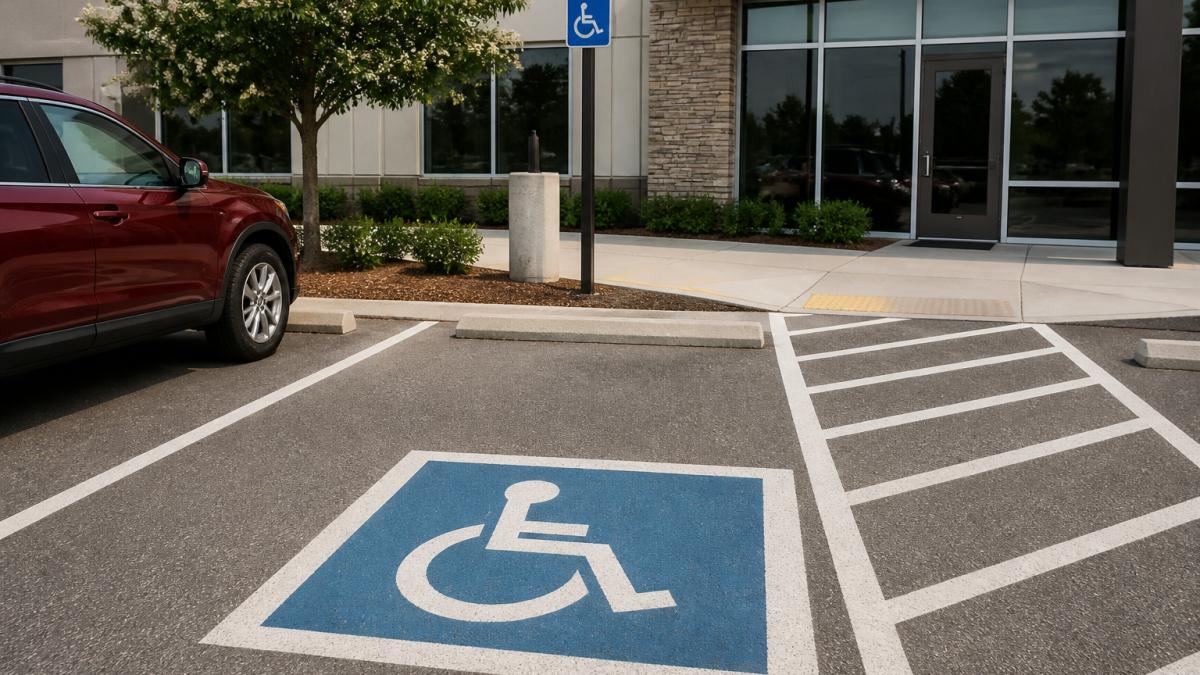
Striping and marking: Repaint faded lines, arrows, and markings to address liability and safety issues.
Pavement condition index assessment: Conduct a mid-year assessment to track deterioration rates and adjust your maintenance schedule if needed.
Fall Tasks
Fall is the second critical maintenance window, preparing for winter stress and addressing summer deterioration.
Crack sealing (second application): Apply the second annual crack sealing before winter arrives to prevent freeze-thaw damage.
Pothole repairs: Patch any new potholes that formed during summer before winter worsens them.
Sealcoating (alternative timing): If you didn't sealcoat in summer, fall (September-October) is ideal with moderate temperatures and optimal curing conditions.
Drainage clearing: Clear leaves, debris, and sediment from drains and gutters to prevent water pooling.
Curb and gutter maintenance: Inspect and repair curbing; damaged curbs allow water to run under the pavement edge, weakening the sub-base.
Winter Tasks
Winter maintenance focuses on preventing water damage and managing salt/ice control materials.
Snow and ice management: Remove snow promptly; accumulated snow melts unevenly, creating water pooling and infiltration. Use sand or non-salt de-icers when possible.
Salt residue monitoring: If salt is used, plan spring cleanup to remove residue that traps moisture and promotes oxidation.
Inspection after freeze-thaw events: After significant temperature swings, inspect for new cracking or pothole formation.
Documentation: Record winter conditions and damage observed to predict next winter's maintenance needs.
When to Repave vs. Resurface Your Parking Lot
Knowing when to repave versus resurface is critical for budgeting and long-term planning.
Resurfacing (asphalt overlay) is appropriate when the existing pavement structure is sound but the surface has oxidized, cracked, or lost aggregate. You're adding a new wearing course (typically 1.5-2 inches) over the existing base. Resurfacing extends pavement life 8-12 years and costs less than full repaving (fhwa.dot.gov).
Repaving (full replacement) is necessary when the sub-base has failed, alligator cracking is widespread, or structural integrity is compromised. You're removing old asphalt and building a new pavement structure from the sub-base up. Repaving provides 15-20 years of life but costs significantly more.
The decision hinges on pavement condition. If your lot shows isolated cracking, surface oxidation, or aggregate loss but feels structurally solid, resurfacing is sufficient. If you see extensive alligator cracking, major potholes, or areas breaking apart, the sub-base has likely failed and full repaving is required.
Houston Pavement Repair LLC recommends a professional pavement condition assessment when your lot reaches 8-10 years of age or shows accelerated deterioration.
Budgeting and ROI: How Maintenance Saves Money Long-Term
The mathematics of asphalt maintenance are straightforward: preventative spending prevents exponentially larger emergency spending. A parking lot built to last 20 years will reach that lifespan with proper maintenance. Without maintenance, the same lot deteriorates to unusable condition in 8-10 years. This affects property value, prospective tenants, buyers, and lenders assess parking lot condition as part of overall property quality.
Budget for maintenance by allocating funds annually rather than facing massive capital expenses when failure occurs. A reasonable annual budget for a commercial parking lot is 2-5% of the original construction cost, spread across sealcoating, crack sealing, pothole repair, and striping.
Document all maintenance work to create a maintenance history that demonstrates responsible stewardship to lenders and potential buyers. Properties with documented maintenance schedules command higher valuations.
Climate-Specific Maintenance Considerations
Climate dramatically affects pavement deterioration rates and optimal maintenance timing.
Freeze-thaw regions (northern climates) experience rapid deterioration from water infiltration followed by ice expansion. These areas need aggressive crack sealing (twice yearly minimum), frequent pothole patching, and careful salt management. Sealcoating should happen in late spring after winter damage is visible and again in early fall before winter arrives.
Hot, arid climates experience accelerated surface oxidation and UV degradation. Sealcoating becomes more critical, every 2 years rather than 3. Regular crack sealing prevents water infiltration during occasional heavy rains.
Humid subtropical regions (like the Houston area) face year-round moisture exposure and heavy rainfall. Water infiltration is the primary concern. Drainage management is critical; standing water causes rapid sub-base deterioration. Sealcoating every 2-3 years is standard, with aggressive crack sealing especially after heavy rain events.
Coastal regions add salt spray and humidity to the deterioration mix. Sealcoating frequency increases to every 1-2 years. Drainage is critical to prevent salt-laden water from pooling on the surface.
Tailor your asphalt parking lot maintenance schedule to your specific climate. Work with local pavement professionals who understand regional challenges and seasonal patterns.
Selecting a Reliable Maintenance Partner
Implementing a maintenance schedule requires consistent execution. A reliable maintenance partner should provide:
Regular inspections: Conduct formal pavement assessments at least annually, documenting condition with photos and detailed notes.
Honest recommendations: Tell you when maintenance is sufficient and when you need resurfacing or repaving. Don't oversell services or recommend unnecessary work.
Consistent scheduling: Remind you of upcoming seasonal tasks and help you plan work around operational needs.
Quality workmanship: Sealcoating, crack sealing, and patching must meet industry standards.
References and documentation: Provide references from similar properties and documentation of past work, photos, and inspection reports.
Transparent pricing: Explain what you're paying for and why.
Houston Pavement Repair LLC works with property managers and facilities directors throughout the region to implement customized maintenance schedules. We provide free assessments to establish your pavement's current condition and recommend a maintenance plan tailored to your property's age, traffic volume, and climate exposure. Our team conducts regular inspections, handles all seasonal maintenance tasks, and provides honest guidance on when resurfacing or repaving becomes necessary.
A structured asphalt parking lot maintenance schedule, executed consistently by a qualified contractor, is the best investment you can make in your property's long-term value and safety.
=== FAQ ANSWERS (audit these too, same rules) ===
[1] Q: How often should I reseal an asphalt parking lot? A: Most asphalt parking lots benefit from sealcoating every 2-3 years, depending on traffic volume and climate conditions. High-traffic commercial lots may need resealing every 18-24 months to protect against UV degradation and surface oxidation. Sealcoating extends pavement longevity by preventing water penetration and aggregate loss. Inspect your lot annually to assess wear patterns and adjust your sealcoating frequency accordingly.
[2] Q: What is the life expectancy of an asphalt parking lot? A: A well-maintained asphalt parking lot typically lasts 15-20 years (asphaltpavement.org). However, life expectancy depends heavily on climate, traffic load, and maintenance consistency. Freeze-thaw cycles, heavy rainfall, and intense UV exposure can accelerate pavement deterioration. Properties that follow a preventative maintenance schedule often extend their pavement longevity by 5-10 years compared to those with reactive-only repairs. Regular sealcoating and crack sealing are the primary factors in achieving maximum lifespan.
[3] Q: How often should a parking lot be repaved? A: Full repaving is typically needed every 15-20 years for well-maintained lots, or every 10-15 years for high-traffic commercial properties. Before committing to full repaving, evaluate whether an asphalt overlay or resurfacing would address your specific damage. Alligator cracking, sub-base failure, or structural integrity issues indicate repaving is necessary. A pavement condition index assessment helps determine whether your lot needs resurfacing versus complete replacement.
[4] Q: What are the signs that my parking lot needs immediate repair? A: Watch for alligator cracking, large potholes, standing water, or oil spots that indicate surface breakdown. Hydroplaning conditions during rain suggest drainage failure. Visible aggregate loss, soft asphalt, or areas where the binder has failed require urgent attention to prevent sub-base failure. Striping and marking deterioration, while cosmetic, signals that the top layer is aging. Address these issues within 30-60 days to prevent exponential damage and higher repair costs.
[5] Q: How does a regular maintenance schedule save money on long-term paving costs? A: Preventative maintenance costs less than emergency repairs and full replacements. Sealing cracks before they widen prevents water infiltration that leads to sub-base failure, the most expensive repair. Regular debris removal, drainage maintenance, and visual inspections catch small issues before they require pothole patching or resurfacing. A structured maintenance cycle extends your pavement's life by 5-10 years, deferring major capital expenses. Properties that skip maintenance often face unexpected costs that disrupt budgets and operations.
[6] Q: Is asphalt still soft after 2 weeks? A: Asphalt requires a full curing time of 2-3 weeks before it reaches full strength, though it becomes walkable within 24-48 hours. During the first 2 weeks, the asphalt binder is still setting, and the surface remains vulnerable to marking, scuffing, and damage from heavy traffic. Avoid parking or driving on newly paved areas for at least 2 weeks. Hot weather accelerates curing, while cold or wet conditions may extend the timeline. Your contractor should provide specific curing guidelines based on temperature and humidity conditions.
[7] Q: How can I tell if my parking lot has drainage issues? A: Standing water after rain, soft or spongy areas, and accelerated cracking indicate drainage failure. Water pooling in specific zones suggests sub-base saturation or improper slope. Alligator cracking concentrated in low spots signals freeze-thaw cycle damage from trapped moisture. Check curb and gutter condition, deterioration prevents water from flowing away. If your lot floods during heavy rain, drainage remediation should be your first priority before sealcoating or crack sealing, as water penetration is the primary cause of pavement deterioration.
[8] Q: What's the difference between asphalt overlay and resurfacing? A: Resurfacing removes the top 1-2 inches of damaged asphalt and replaces it, addressing surface-level issues like alligator cracking and aggregate loss. An asphalt overlay applies a new layer on top of existing pavement without removal, working best for structurally sound lots with minor surface damage. Overlay is faster and cheaper but may not solve sub-base or drainage problems. Resurfacing provides longer-lasting results when structural integrity is compromised. A pavement condition index assessment determines which approach suits your lot's specific damage.
Frequently Asked Questions
How often should I reseal an asphalt parking lot?
Most asphalt parking lots benefit from sealcoating every 2-3 years, depending on traffic volume and climate conditions. High-traffic commercial lots may need resealing every 18-24 months to protect against UV degradation and surface oxidation. Sealcoating extends pavement longevity by preventing water penetration and aggregate loss. Inspect your lot annually to assess wear patterns and adjust your sealcoating frequency accordingly.
What is the life expectancy of an asphalt parking lot?
A well-maintained asphalt parking lot typically lasts 15-20 years. However, life expectancy depends heavily on climate, traffic load, and maintenance consistency. Freeze-thaw cycles, heavy rainfall, and intense UV exposure can accelerate pavement deterioration. Properties that follow a preventative maintenance schedule often extend their pavement longevity by 5-10 years compared to those with reactive-only repairs. Regular sealcoating and crack sealing are the primary factors in achieving maximum lifespan.
How often should a parking lot be repaved?
Full repaving is typically needed every 15-20 years for well-maintained lots, or every 10-15 years for high-traffic commercial properties. Before committing to full repaving, evaluate whether an asphalt overlay or resurfacing would address your specific damage. Alligator cracking, sub-base failure, or structural integrity issues indicate repaving is necessary. A pavement condition index assessment helps determine whether your lot needs resurfacing versus complete replacement.
What are the signs that my parking lot needs immediate repair?
Watch for alligator cracking, large potholes, standing water, or oil spots that indicate surface breakdown. Hydroplaning conditions during rain suggest drainage failure. Visible aggregate loss, soft asphalt, or areas where the binder has failed require urgent attention to prevent sub-base failure. Striping and marking deterioration, while cosmetic, signals that the top layer is aging. Address these issues within 30-60 days to prevent exponential damage and higher repair costs.
How does a regular maintenance schedule save money on long-term paving costs?
Preventative maintenance costs less than emergency repairs and full replacements. Sealing cracks before they widen prevents water infiltration that leads to sub-base failure, the most expensive repair. Regular debris removal, drainage maintenance, and visual inspections catch small issues before they require pothole patching or resurfacing. A structured maintenance cycle extends your pavement's life by 5-10 years, deferring major capital expenses. Properties that skip maintenance often face unexpected costs that disrupt budgets and operations.
Is asphalt still soft after 2 weeks?
Asphalt requires a full curing time of 2-3 weeks before it reaches full strength, though it becomes walkable within 24-48 hours. During the first 2 weeks, the asphalt binder is still setting, and the surface remains vulnerable to marking, scuffing, and damage from heavy traffic. Avoid parking or driving on newly paved areas for at least 2 weeks. Hot weather accelerates curing, while cold or wet conditions may extend the timeline. Your contractor should provide specific curing guidelines based on temperature and humidity conditions.
How can I tell if my parking lot has drainage issues?
Standing water after rain, soft or spongy areas, and accelerated cracking indicate drainage failure. Water pooling in specific zones suggests sub-base saturation or improper slope. Alligator cracking concentrated in low spots signals freeze-thaw cycle damage from trapped moisture. Check curb and gutter condition, deterioration prevents water from flowing away. If your lot floods during heavy rain, drainage remediation should be your first priority before sealcoating or crack sealing, as water penetration is the primary cause of pavement deterioration.
What's the difference between asphalt overlay and resurfacing?
Resurfacing removes the top 1-2 inches of damaged asphalt and replaces it, addressing surface-level issues like alligator cracking and aggregate loss. An asphalt overlay applies a new layer on top of existing pavement without removal, working best for structurally sound lots with minor surface damage. Overlay is faster and cheaper but may not solve sub-base or drainage problems. Resurfacing provides longer-lasting results when structural integrity is compromised. A pavement condition index assessment determines which approach suits your lot's specific damage.
Parking lot deterioration doesn't happen overnight, but it accelerates rapidly once it begins. The cost difference between catching problems early and dealing with them after failure is dramatic. Houston Pavement Repair LLC helps property managers implement maintenance schedules that keep parking lots safe, attractive, and functional for decades. Call now to schedule your free assessment and learn how a customized maintenance plan protects your property investment.
This article was written using GrandRanker