 comparison
Asphalt Patch vs Full Replacement: Cost & Decision Guide
Table of Contents
- Asphalt Patch vs Full Replacement: Quick Comparison
- When to Choose Asphalt Patching Over Replacement
- Signs Your Asphalt Driveway Needs Full Replacement
- Asphalt Driveway Repair Cost Breakdown
- Asphalt Patching Lifespan and Durability
- When to Replace Asphalt Driveway: Structural Assessment
- The Root Problem: Sub-base Failure and Drainage Issues
- Frequently Asked Questions
Last Updated: August 27, 2026
Asphalt Patch vs Full Replacement: Quick Comparison
When your driveway develops cracks and potholes, the decision between patching and full replacement isn't just about cost, it's about understanding what's actually wrong beneath the surface. The asphalt patch vs full replacement cost question comes down to one fundamental issue: is the damage superficial, or has the structural foundation failed?
At Houston Pavement Repair LLC, we are dedicated to delivering reliable, high-quality surface solutions. Most people assume the cheapest option is the smartest choice. But temporary patches that fail within months end up costing far more than a single comprehensive solution. Here's what actually matters when comparing these two approaches.
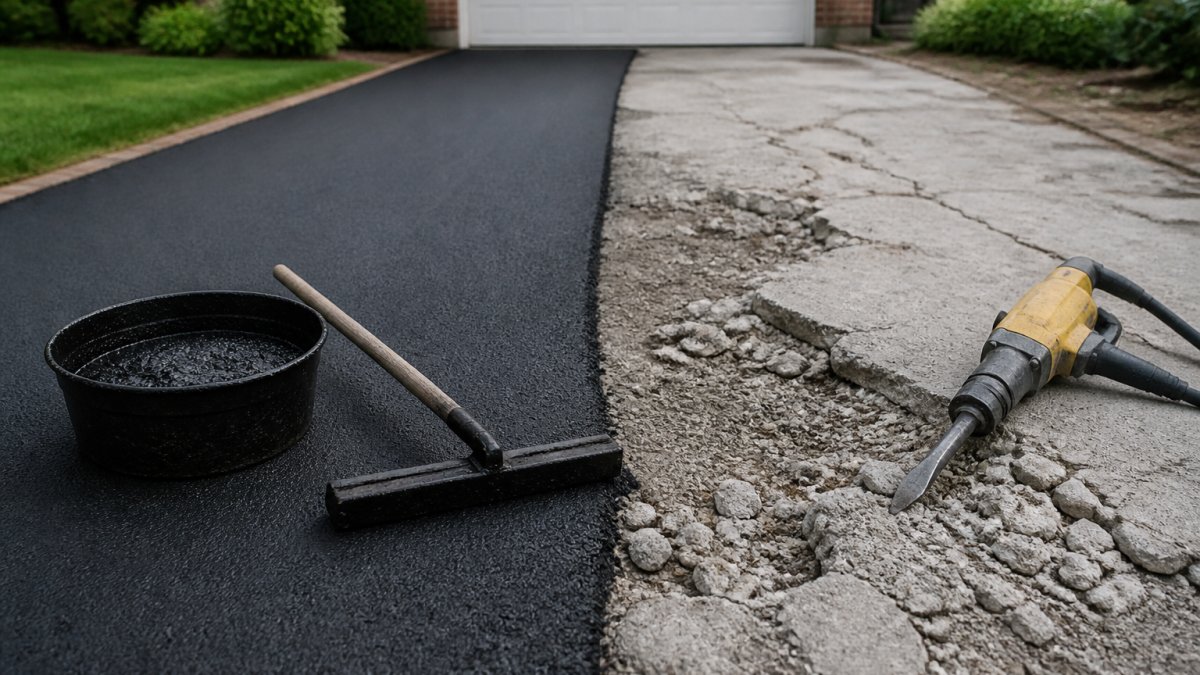
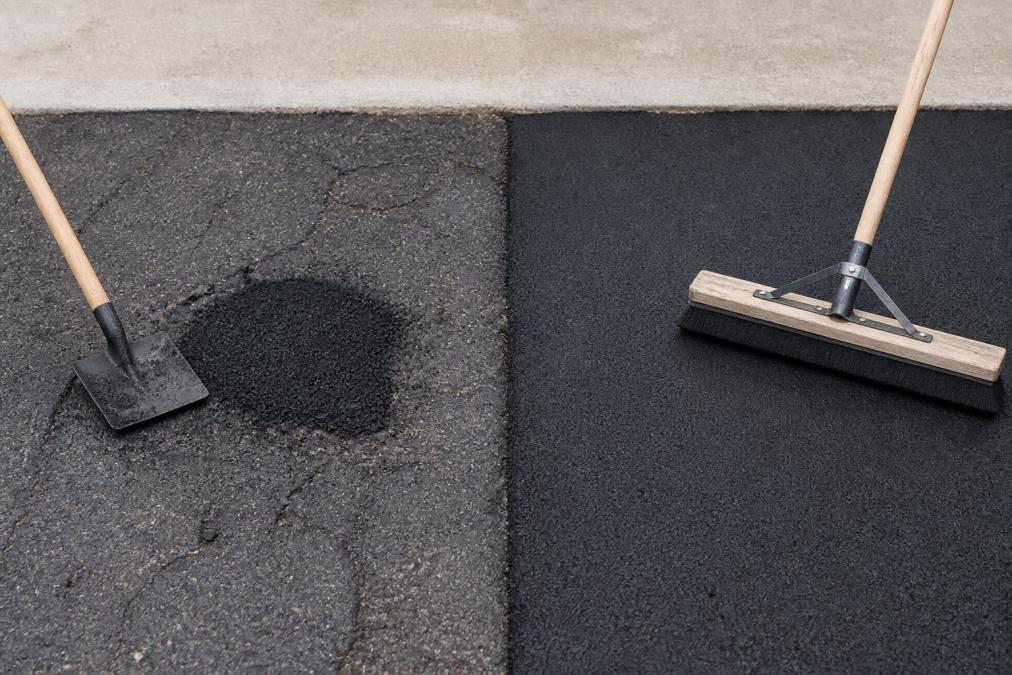
A patch addresses visible surface damage, potholes, cracks, and deteriorated areas, by filling or resurfacing the affected zone. Full replacement removes the entire asphalt layer and installs new hot mix asphalt over a properly prepared base. The choice depends on whether you're fixing a symptom or solving the underlying problem.
| Factor | Asphalt Patching | Full Replacement |
|---|---|---|
| Upfront Cost | Lower initial investment | Higher initial investment |
| Time to Complete | Days to weeks | 1-2 weeks typically |
| Longevity | 2-5 years average | 15-20 years typical |
| Best For | Isolated damage, aging pavement | Widespread failure, structural issues |
| Structural Assessment | Limited | Comprehensive |
| Sub-base Evaluation | Not addressed | Fully evaluated and repaired |
The real issue most contractors won't tell you: patching works only when the base layer beneath the asphalt is still sound. If water has infiltrated the sub-base or the aggregate foundation has failed, patches are temporary theater, they'll crack again in the same spots because the problem underneath never got fixed.
When to Choose Asphalt Patching Over Replacement
Patching makes sense when damage is localized and the underlying structure remains intact. This typically means you're dealing with surface-level deterioration, not systemic failure.
Choose patching if your pavement shows isolated potholes or cracks that haven't spread across large areas. A single pothole or a few stress cracks in otherwise stable asphalt respond well to targeted repair. The base layer should be firm, not soft or spongy when you press on the edges of the damaged area. If the surrounding pavement is solid and only one or two distinct problem zones exist, patching can extend your driveway's life by several years.
Patching also makes financial sense for properties with budget constraints or those approaching the end of a driveway's natural lifespan. If your asphalt is already 12-15 years old, full replacement might be coming anyway within the next few years. A strategically placed patch can buy time until you're ready for that investment.
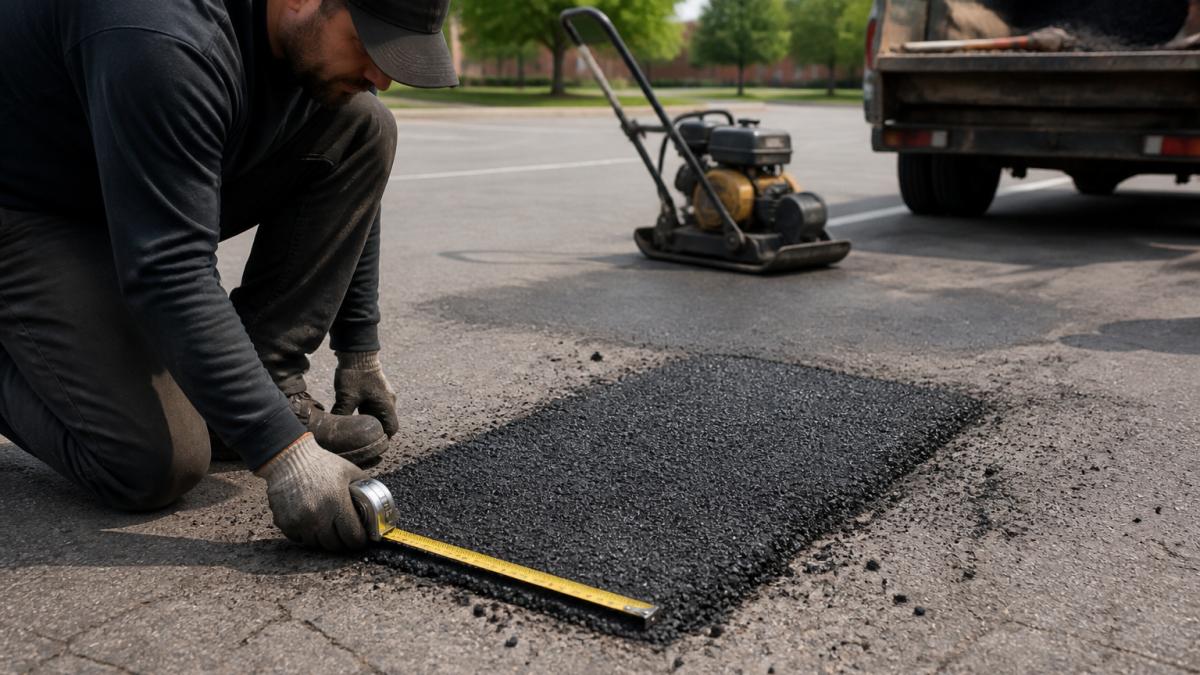
The turnaround time favors patching significantly. Professional patching typically takes days, not weeks. Your property returns to full use quickly. For commercial facilities or rental properties where downtime costs money, this speed advantage matters.
EZ Street Cold Asphalt offers a permanent repair solution for potholes and utility cuts that works in all weather conditions, including wet environments. Unlike temporary cold patches, this polymer-modified product creates a lasting fix without requiring special equipment or traffic control. For DIY or small-scale repairs, this type of material eliminates the need for heating equipment while delivering durability that basic cold patch products cannot match.
Signs Your Asphalt Driveway Needs Full Replacement
When your driveway shows these warning signs, patching becomes an expensive temporary fix rather than a practical solution.
Alligator cracking, a pattern of interconnected cracks resembling alligator skin, indicates the asphalt layer is breaking apart from structural stress. This isn't surface damage. The entire pavement is failing under load. Patches applied to alligator-cracked surfaces fail quickly because the underlying instability continues.
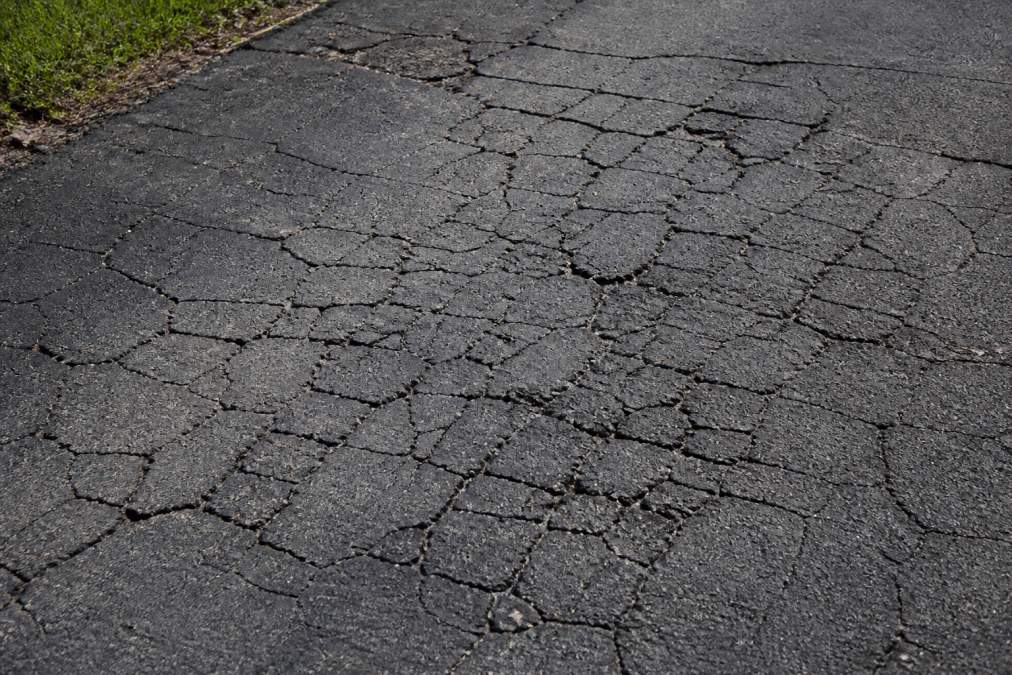
Widespread potholes across the driveway surface signal that water has penetrated multiple areas of the base layer. When potholes appear in different locations rather than recurring in one spot, the sub-base has compromised integrity across the property. Patching each pothole individually becomes futile because new failures will emerge elsewhere.
Soft or spongy pavement that yields under foot pressure indicates water saturation in the base layer. Press the edge of a damaged area with your shoe. If it feels mushy rather than solid, the aggregate foundation has absorbed moisture and lost load-bearing capacity. This condition cannot be reversed with surface patching.
Drainage pooling, water standing on the pavement after rain, shows that the base layer has settled or the sub-base has failed, preventing proper water runoff. Standing water accelerates deterioration exponentially. Each rain event worsens the damage. This requires sub-base correction, not surface repair.
Pavement displacement or heaving, where sections of asphalt have shifted upward or buckled, indicates structural movement beneath the surface. This typically results from soil expansion, poor drainage, or base layer failure. Surface patching cannot address movement of this magnitude.
Asphalt Driveway Repair Cost Breakdown
Understanding what drives costs helps you evaluate whether patching or replacement makes financial sense for your specific situation.
Material costs vary based on the repair method. Cold patch materials cost significantly less per unit than hot mix asphalt, but they deliver shorter lifespan. Hot mix asphalt, the standard for professional patching and all replacement work, costs more upfront but lasts substantially longer. Professional-grade materials like Crack-Stix Black Permanent Crack Filler provide superior durability compared to basic consumer products, though the upfront material expense increases. concrete deck resurfacing.
Labor represents the largest cost component for professional asphalt work. Preparation work, cleaning the damaged area, removing loose material, and applying tack coat, consumes significant time. The more extensive the preparation, the higher the labor cost. Full replacement requires extensive preparation including base evaluation and potential sub-base repair, which substantially increases labor hours compared to patching.
Equipment and site management costs depend on project scope. Small patching projects may require only basic tools and minimal traffic control. Full replacement projects typically require heavy equipment like asphalt milling machines, compactors, and paving equipment. Commercial properties need traffic management, signage, and sometimes temporary access routes, all of which add to project cost.
Geographic factors influence pricing. Climate conditions, local material availability, and regional labor rates create variation. Properties with poor site access or challenging drainage conditions incur higher costs due to additional preparation work.
Asphalt Patching Lifespan and Durability
How long your patch lasts depends entirely on whether the underlying cause of failure was addressed.
When patching addresses isolated surface damage on structurally sound pavement, expect 2-5 years of durability. This assumes normal traffic and weather exposure. The patch material itself, whether cold patch, hot mix, or specialized products, has inherent durability limitations. Cold patch products typically last 1-3 years before re-cracking (peer-reviewed research). Professional hot mix patches last 3-5 years on average. Specialized products like Crack-Stix can extend durability for crack sealing specifically, though full pothole patches rarely achieve that longevity.
Repeated patches in the same location signal that durability is being compromised by ongoing structural issues. If you're patching the same pothole annually, the base layer is failing. Each new patch will fail faster than the last because the underlying problem worsens with each rain cycle.
Sealcoating extends patch lifespan by protecting the repair from UV degradation and water infiltration. Latex-ite Airport Grade Asphalt Driveway Filler Sealer provides protection that can add 1-2 years to patch longevity, but sealcoating cannot fix structural problems. It's preventative maintenance, not a cure for failed sub-base conditions.
Professional hot mix patches, when applied to stable pavement, typically outlast cold patches by 2-3 years. The material bonds more effectively with existing asphalt, creating a stronger repair. However, even professional patches have a ceiling on durability, typically 5 years maximum when applied to pavement with underlying structural issues.
When to Replace Asphalt Driveway: Structural Assessment
The decision between patching and replacement hinges on a structural assessment that most DIY approaches cannot provide.
Call now to schedule your free estimate →
Professional assessment begins with identifying whether damage is surface-level or structural. A qualified technician evaluates the pavement's response to load pressure, examines the pattern and distribution of damage, and probes the sub-base condition. This evaluation determines whether the asphalt layer can support additional years of use or whether replacement is necessary.
Load-bearing capacity assessment involves checking whether the base layer can support vehicle weight without further deterioration. If the pavement feels soft at the edges of damaged areas or if pressing on the surface produces visible deflection, structural compromise has occurred. When load-bearing capacity is compromised, patching cannot restore it.
Drainage evaluation identifies whether water is properly flowing away from the pavement surface and whether the sub-base has adequate drainage. Poor drainage accelerates all forms of asphalt failure. If water pools on the surface or if the base layer shows moisture saturation, replacement becomes necessary to install proper drainage solutions.
Age assessment matters significantly. Asphalt pavement typically lasts 15-20 years under normal conditions (fhwa.dot.gov). If your driveway is already 12+ years old and showing damage, replacement makes more economic sense than patching because you're approaching the end of natural lifespan anyway. A patch might extend life by 2-3 years, but replacement provides 15-20 years of service.
Houston Pavement Repair LLC conducts comprehensive structural assessments that identify the root cause of pavement failure, not just the visible symptoms. This prevents the costly cycle of repeated patches that fail because the underlying problem was never addressed.
The Root Problem: Sub-base Failure and Drainage Issues
Sub-base failure is the hidden culprit behind most repeated patch failures. Understanding this mechanism explains why some driveways fail repeatedly while others last decades.
The sub-base is the aggregate layer beneath the asphalt, typically 4-6 inches of compacted stone and gravel (fhwa.dot.gov). This layer distributes vehicle loads across the soil foundation and provides drainage. When water infiltrates the sub-base, it destabilizes the aggregate, reducing load-bearing capacity. The asphalt layer above, now unsupported, cracks and deteriorates rapidly.
Drainage failures cause most sub-base problems. If surface water pools on the pavement or if the grade slopes toward the driveway instead of away from it, water continuously infiltrates the sub-base. Each freeze-thaw cycle worsens the damage. In regions with significant temperature variation, this process accelerates dramatically.
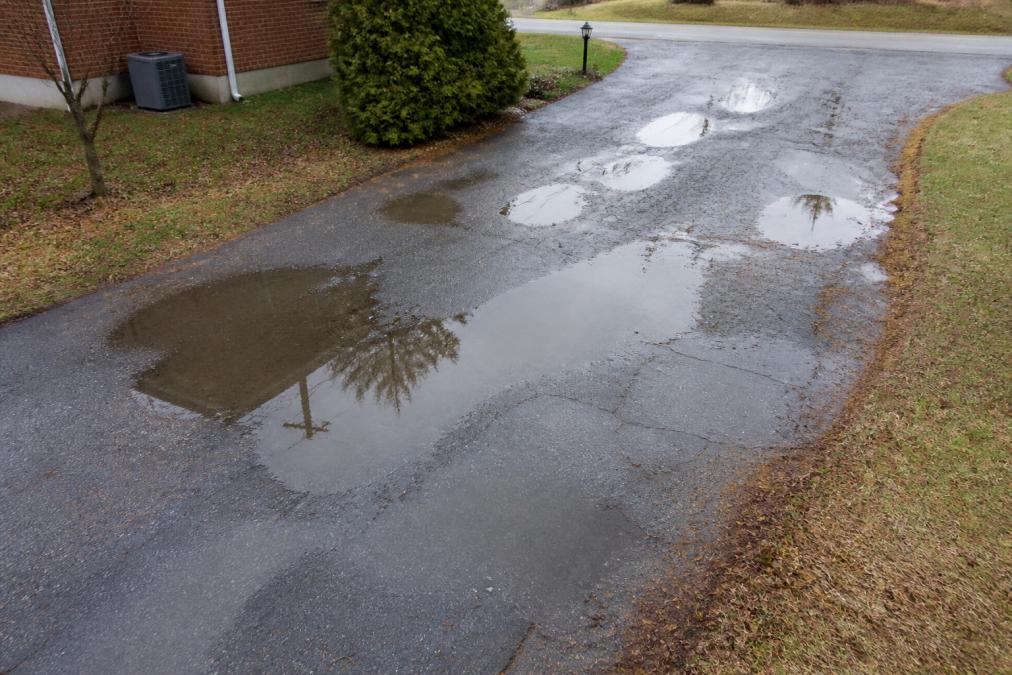
Compaction issues during initial installation create sub-base vulnerabilities. If the aggregate wasn't properly compacted during construction, settling occurs over time, creating low spots where water collects. Improper compaction also reduces load-bearing capacity, accelerating failure under normal traffic.
Soil expansion beneath the sub-base contributes to pavement displacement and failure. In clay-heavy soils, moisture absorption causes expansion that pushes the pavement upward. As the soil dries, it contracts, creating voids. This cycle of expansion and contraction destabilizes the entire pavement structure.
Addressing sub-base issues requires full replacement or asphalt overlay solutions that include sub-base stabilization. Patching cannot fix what's happening underground. This is why repeated patches fail, they're treating symptoms while the foundation continues deteriorating.
Proper drainage solutions during replacement prevent future sub-base failure. Installing perimeter drainage, ensuring correct surface grade, and using appropriate base materials creates conditions where the sub-base remains stable for 15-20 years.
The choice between asphalt patch and full replacement ultimately depends on what's actually causing the damage. If your driveway shows isolated damage and the base layer is sound, patching extends its life cost-effectively. But if you're seeing alligator cracking, repeated failures in the same spots, or drainage problems, replacement addresses the root cause and prevents the expensive cycle of ongoing repairs.
Houston Pavement Repair LLC provides free structural assessments that identify whether patching or replacement makes sense for your specific property. Our team evaluates the sub-base condition, drainage effectiveness, and pavement integrity to recommend the solution that delivers the best long-term value. Call now to schedule your free estimate and stop throwing money at temporary fixes.
=== FAQ ANSWERS (audit these too, same rules) ===
[1] Q: How long will an asphalt patch last compared to full replacement? A: An asphalt patch typically lasts 2-5 years under normal conditions, while a full asphalt replacement can last 15-20 years. Patching is a temporary solution best suited for isolated damage, whereas full replacement addresses the entire pavement lifecycle. If you're patching the same spots repeatedly, full replacement becomes more cost-effective long-term.
[2] Q: Is it cheaper to repair or replace an asphalt driveway? A: Patching is cheaper upfront, but replacement offers better long-term value. Patching costs less per instance, but repeated repairs across multiple seasons add up quickly. Full replacement requires a larger initial investment but eliminates recurring repair costs and prevents the compounding damage that occurs when the sub-base deteriorates. Pricing depends on the specific property's condition.
[3] Q: What causes asphalt to keep cracking in the same spots? A: Repeated cracking in the same location usually signals sub-base failure, poor drainage, or structural issues beneath the surface. Temporary patches address the symptom, not the cause. Water infiltration weakens the base layer and compacted aggregate underneath, causing the patch to fail as the foundation continues to settle. A professional assessment can identify whether the sub-base needs stabilization or if full replacement with proper drainage solutions is necessary.
[4] Q: When should I choose asphalt patching over full replacement? A: Choose patching when damage is isolated (1-3 small potholes or cracks), the surrounding pavement is in good condition, and the sub-base is structurally sound. Patching works well for addressing acute damage from utility cuts or minor surface deterioration. If damage covers more than 30% of the surface area, the pavement shows widespread alligator cracking, or water pools on the surface, full replacement is the better choice.
[5] Q: How do I know if my driveway has sub-base problems? A: Signs of sub-base failure include water pooling after rain, soft or spongy areas underfoot, rapid deterioration after patching, and cracks that spread in interconnected patterns (alligator cracking). If your driveway floods or water doesn't drain properly, the base layer is likely compromised. A professional inspection can assess compaction, aggregate condition, and drainage to determine whether patching or full replacement with base stabilization is needed.
Frequently Asked Questions
How long will an asphalt patch last compared to full replacement?
An asphalt patch typically lasts 2-5 years under normal conditions, while a full asphalt replacement can last 15-20 years. Patching is a temporary solution best suited for isolated damage, whereas full replacement addresses the entire pavement lifecycle. If you're patching the same spots repeatedly, full replacement becomes more cost-effective long-term.
Is it cheaper to repair or replace an asphalt driveway?
Patching is cheaper upfront, but replacement offers better long-term value. Patching costs less per instance, but repeated repairs across multiple seasons add up quickly. Full replacement requires a larger initial investment but eliminates recurring repair costs and prevents the compounding damage that occurs when the sub-base deteriorates. Pricing depends on the specific property's condition.
What causes asphalt to keep cracking in the same spots?
Repeated cracking in the same location usually signals sub-base failure, poor drainage, or structural issues beneath the surface. Temporary patches address the symptom, not the cause. Water infiltration weakens the base layer and compacted aggregate underneath, causing the patch to fail as the foundation continues to settle. A professional assessment can identify whether the sub-base needs stabilization or if full replacement with proper drainage solutions is necessary.
When should I choose asphalt patching over full replacement?
Choose patching when damage is isolated (1-3 small potholes or cracks), the surrounding pavement is in good condition, and the sub-base is structurally sound. Patching works well for addressing acute damage from utility cuts or minor surface deterioration. If damage covers more than 30% of the surface area, the pavement shows widespread alligator cracking, or water pools on the surface, full replacement is the better choice.
How do I know if my driveway has sub-base problems?
Signs of sub-base failure include water pooling after rain, soft or spongy areas underfoot, rapid deterioration after patching, and cracks that spread in interconnected patterns (alligator cracking). If your driveway floods or water doesn't drain properly, the base layer is likely compromised. A professional inspection can assess compaction, aggregate condition, and drainage to determine whether patching or full replacement with base stabilization is needed.
This article was written using GrandRanker