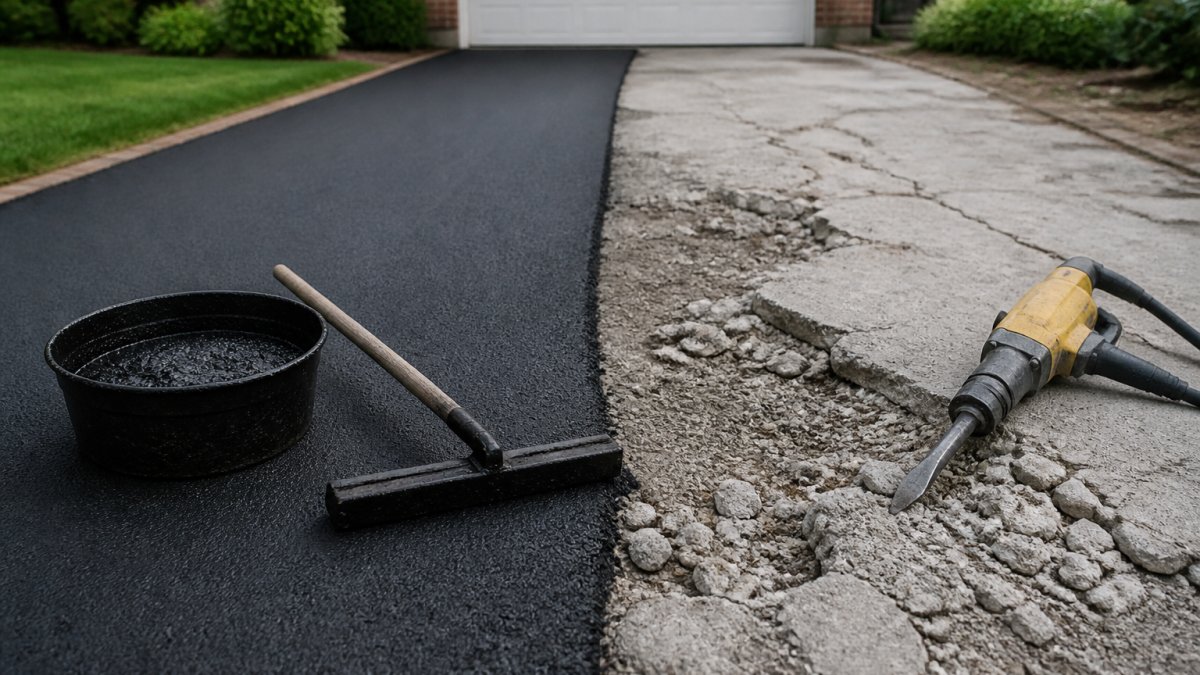
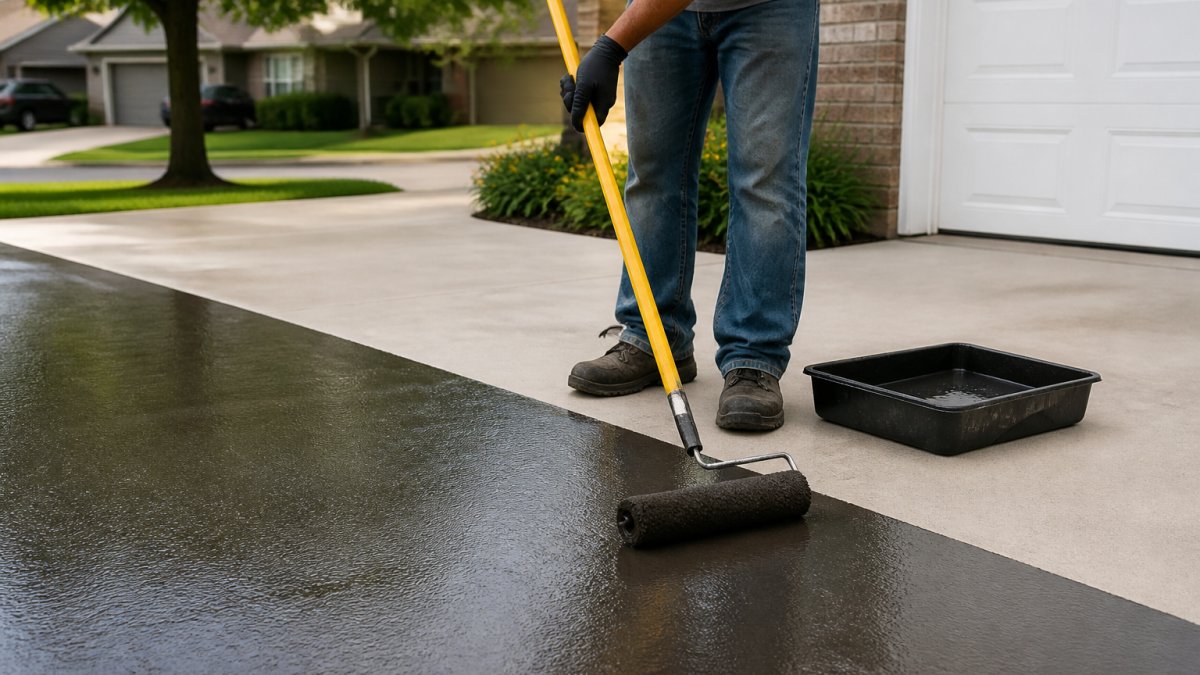
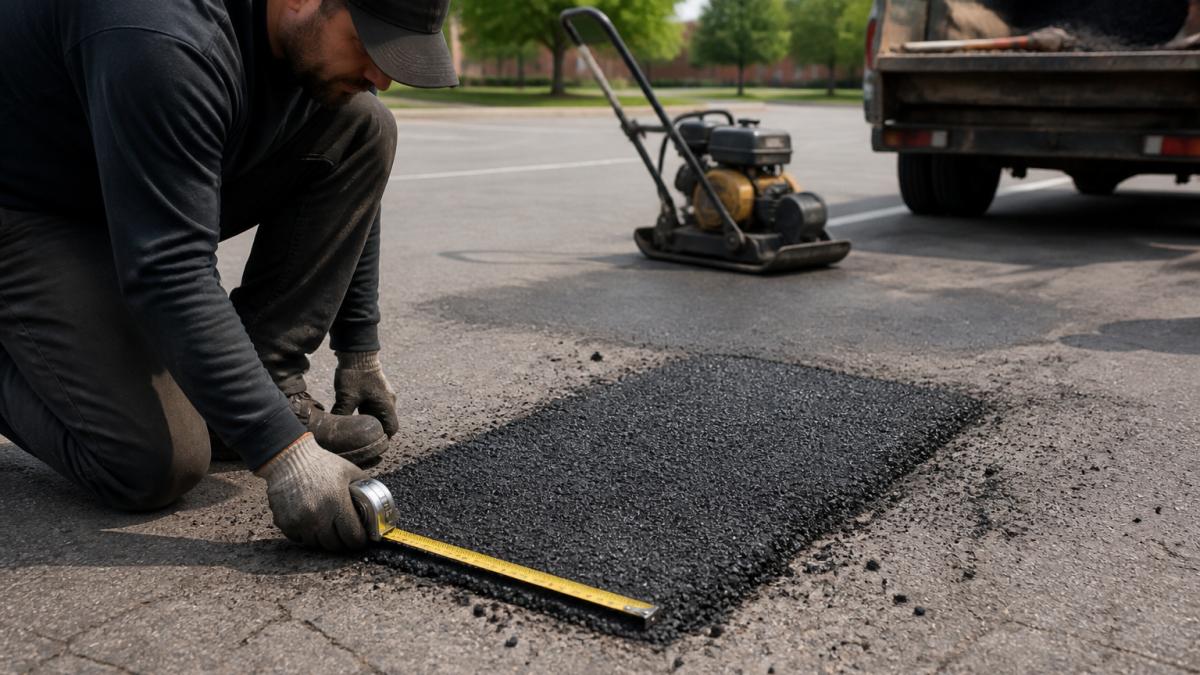
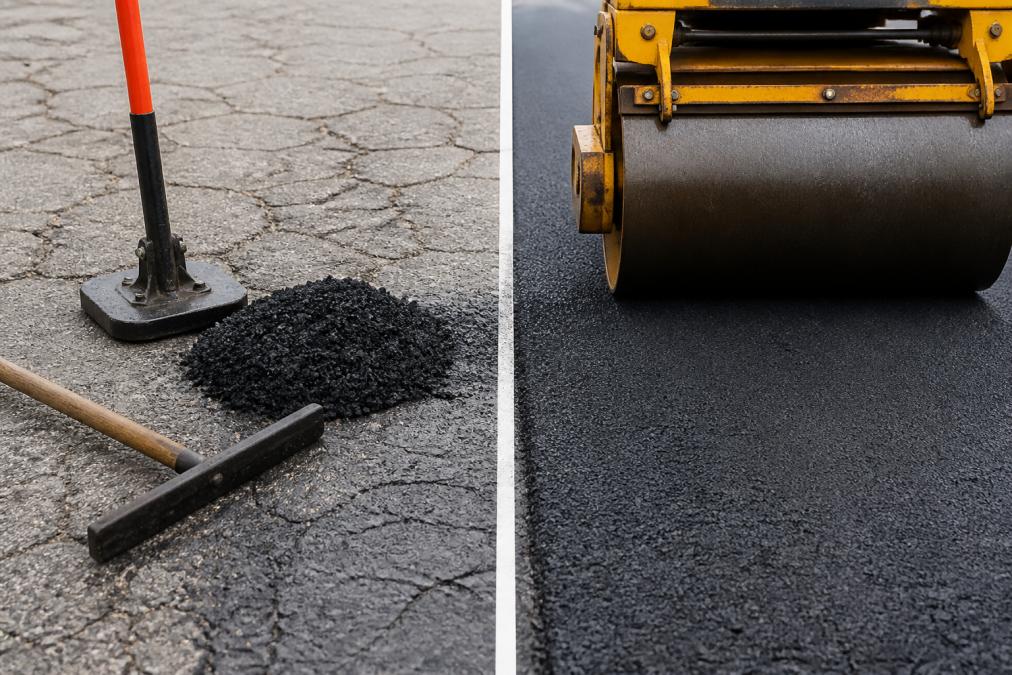
 comparison
Asphalt Repair vs Replacement Cost: 2026 Guide
Table of Contents
- Asphalt Repair vs Replacement Cost: Quick Comparison
- Signs of Asphalt Failure: When Repair Won't Work
- Asphalt Driveway Resurfacing Cost and When It Makes Sense
- Asphalt Overlay Pros and Cons
- Cost Factors That Drive Your Final Price
- Repair vs Replacement: Making the Right Choice
- Extending Asphalt Life: Maintenance That Saves Money
- Frequently Asked Questions
Last Updated: August 30, 2026
Asphalt Repair vs Replacement Cost: Quick Comparison
When your driveway starts showing its age, the question isn't whether to fix it, it's how. Asphalt repair vs replacement cost represents one of the biggest decisions property owners face, and the answer depends on what you're actually looking at beneath the surface.
At Houston Pavement Repair LLC, we've assessed hundreds of driveways and parking lots, and the pattern is clear: some cracks are fixable, some aren't. Some pavements are salvageable with a strategic repair, others have deteriorated to the point where resurfacing makes financial sense. The difference between throwing money at a temporary patch and investing in a real solution comes down to understanding what's happening to your asphalt.
The core tension is this: a repair might cost a few hundred dollars today but fail within months, while a replacement or overlay costs more upfront but lasts years. Neither option is universally "right", context matters. The age of your pavement, the extent of structural damage, drainage issues, and your budget all shift the equation.
Here's what we'll cover: the signs that tell you repair won't cut it, the real costs of resurfacing versus full replacement, when an asphalt overlay makes sense, and the maintenance steps that prevent you from facing this decision again for as long as possible.
| Repair Type | Best For | Cost Range | Lifespan |
|---|---|---|---|
| Pothole patching | Small isolated damage | Lower upfront | 1-3 years |
| Crack filling | Minor surface cracks | Low upfront | 2-5 years |
| Asphalt resurfacing | Moderate surface wear | Moderate | 7-10 years |
| Asphalt overlay | Worn surface, sound base | Moderate-high | 10-15 years |
| Full replacement | Structural failure | Highest | 15-20 years |
Signs of Asphalt Failure: When Repair Won't Work
Not every crack demands replacement. But some damage patterns tell you that repair is just delaying the inevitable.
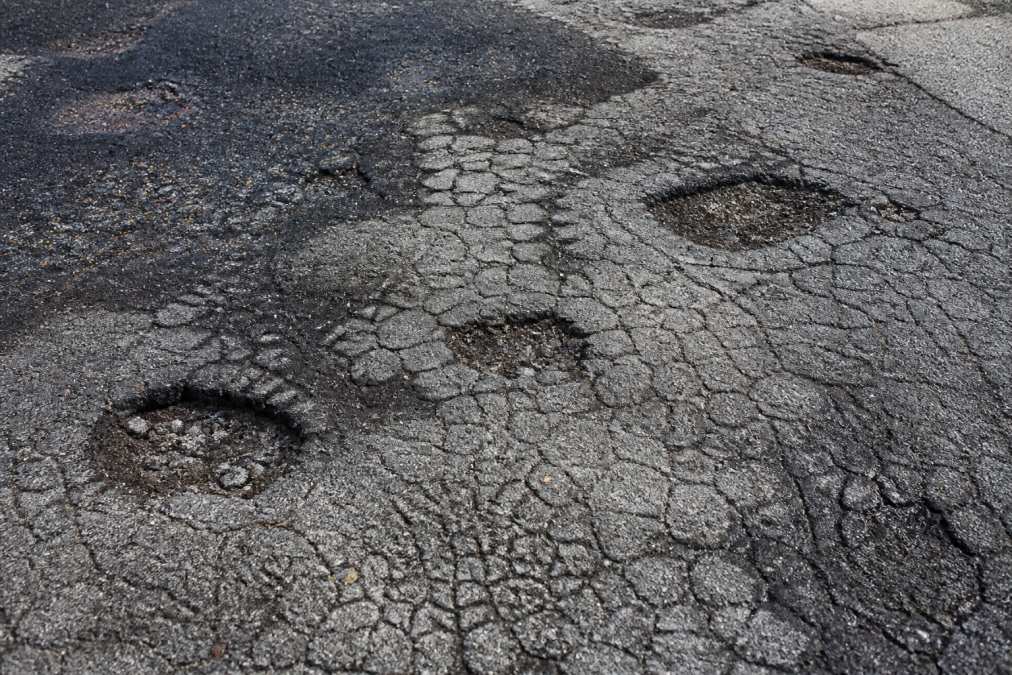
Alligator cracking, the interconnected web of small cracks that resembles alligator skin, signals structural failure in the base layer (fhwa.dot.gov). When you see this pattern, the asphalt surface course has lost its structural integrity. A simple patch over alligator cracking will fail because the underlying problem hasn't been addressed. The base layer, the binder course, or the subgrade beneath has failed, and surface-level fixes won't restore what's broken underneath.
Potholes that return in the same spot within months indicate a deeper issue. Water infiltrates the base, weakens the subgrade, and the asphalt collapses. You fill it, traffic breaks it open again, water gets in again. This cycle repeats until you address what's underneath. Many property owners we work with mention they've patched the same pothole three or four times, that's the telltale sign that repair alone won't solve it.
Pavement failure also shows up as severe rutting, where traffic has worn grooves into the surface, or as frost heave in colder climates, where freeze-thaw cycles push the asphalt upward. Extensive oxidation, when the asphalt turns gray and brittle, means the binder has degraded and the material no longer holds together. These conditions mean the structural integrity is compromised, and resurfacing or replacement becomes necessary.
Drainage issues compound the problem. If water pools on your driveway instead of running off, it infiltrates the base layer and accelerates deterioration. A driveway that floods with every rain, as some property owners describe, is failing not just from traffic but from water damage. Repair without fixing drainage is repair that will fail.
The distinction matters: minor cracks, small potholes, and surface wear can be repaired. Widespread cracking patterns, recurring failures, structural movement, and water damage require resurfacing or replacement.
Asphalt Driveway Resurfacing Cost and When It Makes Sense
Asphalt resurfacing, laying a new asphalt surface course over the existing base, is the middle ground between repair and full replacement. It addresses surface deterioration without removing and rebuilding the entire pavement structure.
Resurfacing makes sense when your base layer is still sound but the surface has oxidized, cracked, or worn thin. If your driveway is 8-12 years old and showing moderate wear but no signs of structural failure, resurfacing can extend its life another 7-10 years (asphaltpavement.org). The existing base, sub-base, and subgrade remain in place; you're essentially putting a fresh wearing surface on top.
The process involves milling, removing the top 1.5 to 2 inches of asphalt, and then laying new asphalt. This approach is faster and cheaper than full replacement because you're not excavating and rebuilding the foundation. The square footage of your driveway drives the cost, along with the condition of what's underneath. If the milling process reveals unexpected base damage, costs can increase.
When resurfacing doesn't work: if the base layer shows signs of failure, if water has infiltrated and weakened the sub-base, if there's significant rutting or settlement, milling and resurfacing will fail quickly. You'd be placing new asphalt over a compromised foundation. In these cases, you need either an overlay or full replacement.
Resurfacing also assumes proper drainage. If water pools on your driveway, resurfacing won't fix that problem. You may need to address grading, slope, or drainage infrastructure before resurfacing makes sense.
Asphalt Overlay Pros and Cons
An asphalt overlay is similar to resurfacing but different in execution. Instead of milling away the old surface, you place new asphalt directly over the existing pavement. It's faster and cheaper than resurfacing, but it comes with trade-offs.
Pros of asphalt overlay:
An overlay is the fastest option. No milling means the work is quicker, which reduces labor costs and gets your driveway back in service sooner. If you're managing a commercial parking lot or apartment complex and need minimal downtime, an overlay is appealing. The upfront cost is lower than resurfacing or replacement, which matters when budget is tight.
Overlays work well when the existing pavement is structurally sound but cosmetically worn. If the surface is oxidized and cracked but the base hasn't failed, an overlay can give you another 10-15 years of life (fhwa.dot.gov).
Cons of asphalt overlay:
An overlay doesn't address underlying structural problems. If the base has failed, if water is infiltrating, if there's settlement or rutting, an overlay is a surface-level fix that will fail. You're building on a weak foundation.
Overlays also raise the elevation of your pavement. If your driveway connects to a garage, entryway, or curb, the height difference becomes an issue. A 2-inch overlay can create a lip that affects drainage or creates a trip hazard.
The lifespan of an overlay is shorter than resurfacing or replacement. You're getting 10-15 years instead of 15-20, which means you'll face this decision again sooner. Over a 30-year horizon, resurfacing or replacement often makes more financial sense because you're not repeating the work.
An overlay also can't be repeated indefinitely. If you've already overlaid the pavement once, a second overlay compounds the height issue and reduces effectiveness.
Cost Factors That Drive Your Final Price
Several variables determine whether your asphalt repair vs replacement cost skews toward the affordable or the expensive.
Square footage is the primary cost driver. Whether you're pricing a repair, resurfacing, overlay, or replacement, the cost scales with area. A 500-square-foot driveway costs less to repair than a 2,000-square-foot commercial parking lot. Many contractors price by square footage, which means understanding your actual area is essential for getting accurate estimates.
Existing damage extent affects labor and materials. A driveway with isolated potholes requires less work than one with alligator cracking across 60% of the surface. Extensive damage means more prep work, more material, and more labor hours.
Base layer condition is invisible until you start work. If the sub-base is sound, resurfacing or overlay is viable. If milling reveals base failure, you're forced into a more expensive option. This is why Houston Pavement Repair LLC recommends a professional assessment before committing to a repair plan, surprises during work drive costs up.
Call now to schedule your free estimate →
Drainage and grading may need to be addressed separately. If your driveway slopes the wrong way or lacks proper drainage, you might need to regrade, install drainage infrastructure, or adjust curbs. These additions increase the overall project cost but prevent future failure.
Material quality varies. Standard asphalt mixes are common, but polymer-modified or high-performance mixes cost more and last longer. For a driveway you plan to keep for 20 years, a better material mix can be worth the upfront cost.
Timing and season affect pricing. Work done during peak season (spring and summer) may cost more than off-season work. Weather also impacts the work, asphalt can't be laid in rain or extreme cold, so winter in some climates limits availability and drives up pricing.
Local labor and material costs vary by region. A parking lot in an urban area costs more to resurface than the same lot in a rural area, partly because of labor rates and material transportation.
Repair vs Replacement: Making the Right Choice
The decision framework is straightforward once you understand the condition of your pavement.
Choose repair if:
Your pavement is less than 5 years old and showing only minor surface cracks or small potholes. The base is sound, and the damage is localized. Repair is cost-effective and buys you time before a larger investment is needed.
Choose resurfacing if:
Your pavement is 8-15 years old, the surface is worn and cracked, but the base layer is still structurally sound. No signs of alligator cracking, rutting, or water infiltration. Resurfacing extends the life of the pavement another 7-10 years and costs less than replacement while delivering better durability than patching.
Choose an overlay if:
You need the fastest, cheapest option and the existing base is sound. You're willing to accept a shorter lifespan (10-15 years instead of 15-20) in exchange for lower upfront cost and minimal disruption. Overlays work for commercial properties where downtime is costly.
Choose replacement if:
Your pavement is 15-20+ years old, shows widespread structural damage, has failed despite previous repairs, or has drainage problems that can't be fixed without rebuilding. The base layer is compromised, and resurfacing or overlay won't address the root issue. Replacement is the only solution that restores full structural integrity.
The key question to ask yourself: Am I fixing a symptom or addressing the underlying problem? If previous repairs have failed, if you're patching the same spot repeatedly, or if the damage is widespread, you're likely looking at resurfacing or replacement.
Houston Pavement Repair LLC can assess your specific situation and recommend the approach that delivers the best value over time. A professional evaluation identifies what's actually happening beneath the surface, which eliminates guesswork from the decision.
Extending Asphalt Life: Maintenance That Saves Money
The most cost-effective strategy is preventing major damage in the first place. Maintenance extends the life of your pavement and delays the need for expensive repairs or replacement.
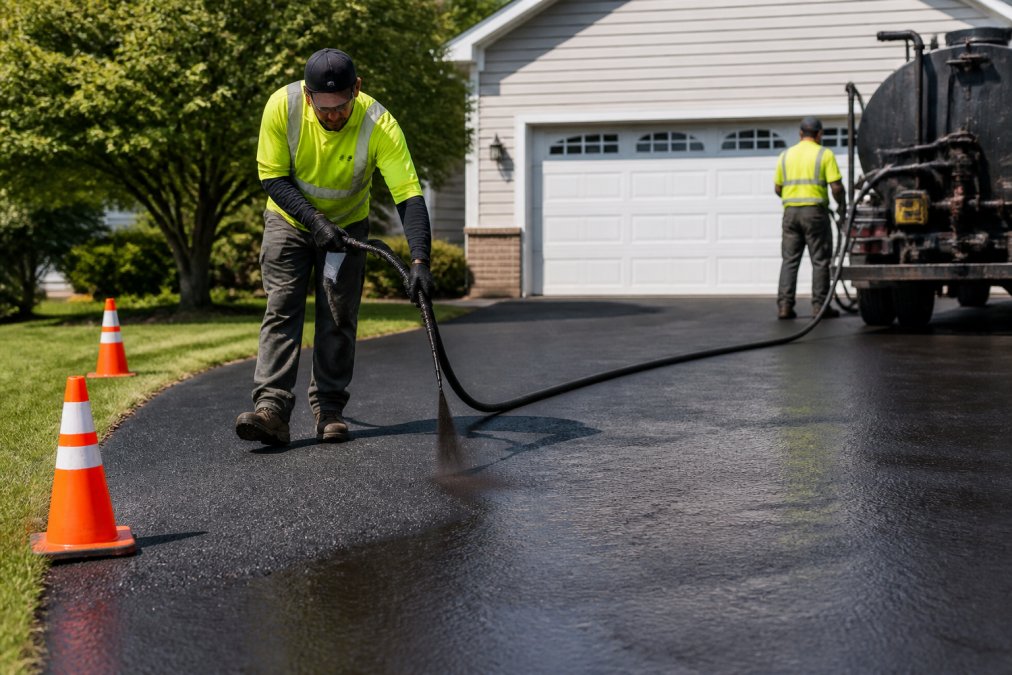
Sealcoating is the primary maintenance tool. A protective seal applied every 2-3 years shields the asphalt from oxidation, water infiltration, and UV damage. Sealcoating is inexpensive compared to repair or resurfacing, yet it significantly extends pavement life. Many property owners skip this step and end up paying far more later.
Crack filling addresses small cracks before they become major problems. Filling cracks prevents water from infiltrating the base layer, which is the primary cause of structural failure. A small crack filled today costs a fraction of the pothole or alligator cracking it would become if left unaddressed.
Drainage management prevents water from pooling on your pavement. Ensure your driveway slopes properly, clear debris from edges, and maintain gutters and downspouts so water runs away from the asphalt. Poor drainage is one of the most common causes of premature failure.
Prompt pothole repair stops the cycle of repeated failure. When a pothole appears, fill it quickly and properly. A small pothole that grows larger with each freeze-thaw cycle becomes expensive. Early intervention is cheap intervention.
Regular inspection catches problems early. Walk your driveway or parking lot quarterly, especially after heavy rain or in spring when freeze-thaw damage appears. Spotting cracks, potholes, or drainage issues early means you can address them before they spread.
The math is compelling: sealcoating every 2-3 years costs a few hundred dollars and extends pavement life by 5-10 years. Waiting until your driveway needs resurfacing or replacement costs thousands. Maintenance is the cheapest insurance you can buy.
Choosing between asphalt repair vs replacement cost ultimately comes down to understanding what's actually wrong and what will actually fix it. A temporary patch on structural damage is money wasted. A proper resurfacing or replacement on pavement that could have been maintained is money you didn't need to spend.
Houston Pavement Repair LLC offers a free estimate to assess your pavement's condition, identify the root cause of any damage, and recommend the solution that delivers the best long-term value. Whether your driveway needs a targeted repair, a full resurfacing, or replacement, we'll explain exactly what's happening and why. Schedule your free assessment and get clarity on your next steps.
Frequently Asked Questions
Q: Is it cheaper to repair or replace a driveway?
A: Repair costs less upfront but only works for minor damage. If your driveway shows alligator cracking, multiple potholes, or structural failure, replacement or resurfacing will cost more initially but lasts longer and prevents repeated repairs. For a single pothole or isolated crack, repair is cost-effective. For widespread deterioration, replacement typically costs less over time because repairs on failing asphalt often fail again within months.
Q: How long does an asphalt overlay last compared to a new driveway?
A: An asphalt overlay typically lasts 7-10 years, while a full replacement can last 15-20 years with proper maintenance. Overlays are faster and cheaper but only work if the base layer is structurally sound. If the sub-base is compromised by poor drainage or frost heave, an overlay will fail prematurely. A new driveway costs more but addresses root problems and provides longer-term durability.
Q: What are the signs that my asphalt needs to be replaced rather than repaired?
A: Replace your asphalt if you see alligator cracking (interconnected cracks resembling alligator skin), widespread potholes covering more than 25% of the surface, pavement failure at the edges, or persistent drainage issues causing flooding or standing water. If your driveway has been repaired multiple times in the same spots over 2-3 years, the underlying base layer or subgrade is likely damaged and requires full replacement, not another patch.
Q: Can you really fix the root problem, or is it just a temporary patch?
A: That depends on the problem. Minor cracks and small potholes can be permanently repaired if the base layer is intact. However, if your driveway floods or cracks return in the same spot repeatedly, the real issue is likely poor drainage, soil settlement, or subgrade failure. These require either full replacement with improved drainage design or resurfacing over a repaired base. Temporary patches fail because they don't address the underlying cause, proper repair means fixing drainage and structural integrity first.
This article was written using GrandRanker