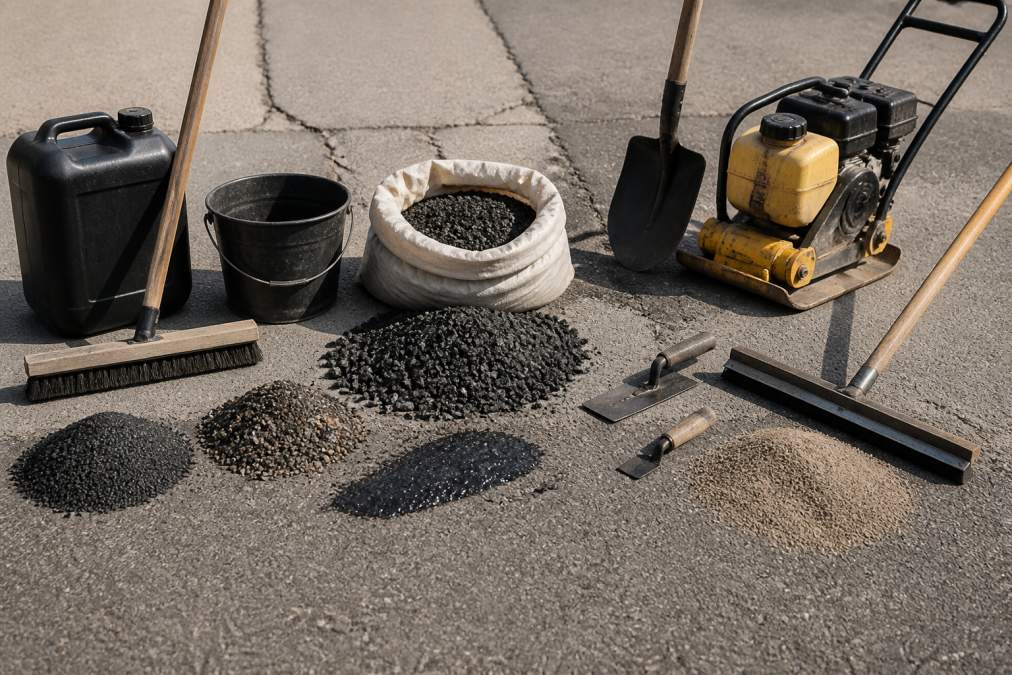
 listicle
7 Best Asphalt Repair Methods for 2026
Table of Contents
- Comparing the Best Asphalt Repair Methods for 2026
- Method 1: Hot Mix Asphalt Patching
- Method 2: Infrared Asphalt Repair: The Benefits of a Seamless Fix
- Method 3: Throw-and-Roll Patching for Emergency Fixes
- Method 4: Asphalt Crack Sealing Best Practices
- Method 5: Full-Depth Reclamation and Overlays
- What to Expect for Asphalt Patching Cost in 2026
- How to Choose the Right Repair Method
- Frequently Asked Questions
Last Updated: September 8, 2026
Comparing the Best Asphalt Repair Methods for 2026
Choosing the right asphalt repair methods can be the difference between a five-year fix and a five-month headache. The 2026 market offers more options than ever, from traditional hot mix to infrared technology, but most property owners default to the cheapest quote without understanding the trade-offs. Below, we'll break down the seven most effective asphalt repair methods for 2026, what each one costs, and how to match the technique to your specific pavement distress.
Quick Picks:
- Best Overall: Hot Mix Asphalt Patching, the industry standard for permanent, structural repairs
- Best for Seamless Finish: Infrared Asphalt Repair, recycles existing material with a thermal bond
- Best Budget Emergency Fix: Throw-and-Roll Patching, fast, cheap, and temporary
- Best Preventative Option: Crack Sealing, stops water infiltration before it becomes structural damage
The repair method you choose must align with the type of pavement distress you're facing. Alligator cracking signals base failure, while surface raveling often means oxidation and age. Getting this diagnosis right is the first step in any successful repair strategy.
Method 1: Hot Mix Asphalt Patching
Hot mix asphalt patching remains the gold standard for permanent repairs in 2026. This method involves applying heated asphalt aggregate at high temperatures to create a dense, durable surface that bonds with the existing pavement structure. It's the go-to choice for structural repairs, full-depth patching, and high-traffic areas where a temporary fix won't hold up. The process requires professional-grade compaction equipment and experienced crews, which is why it's rarely a DIY project.
The key advantage of hot mix is the thermal bond it creates. When properly installed, the new material fuses with the existing pavement, eliminating the seam where water typically infiltrates. For driveways and parking lots dealing with potholes that keep returning, this method addresses the root cause rather than just filling the void. The main drawback is cost: professional crews and equipment mean this is a labor and material intensive option.
Method 2: Infrared Asphalt Repair: The Benefits of a Seamless Fix
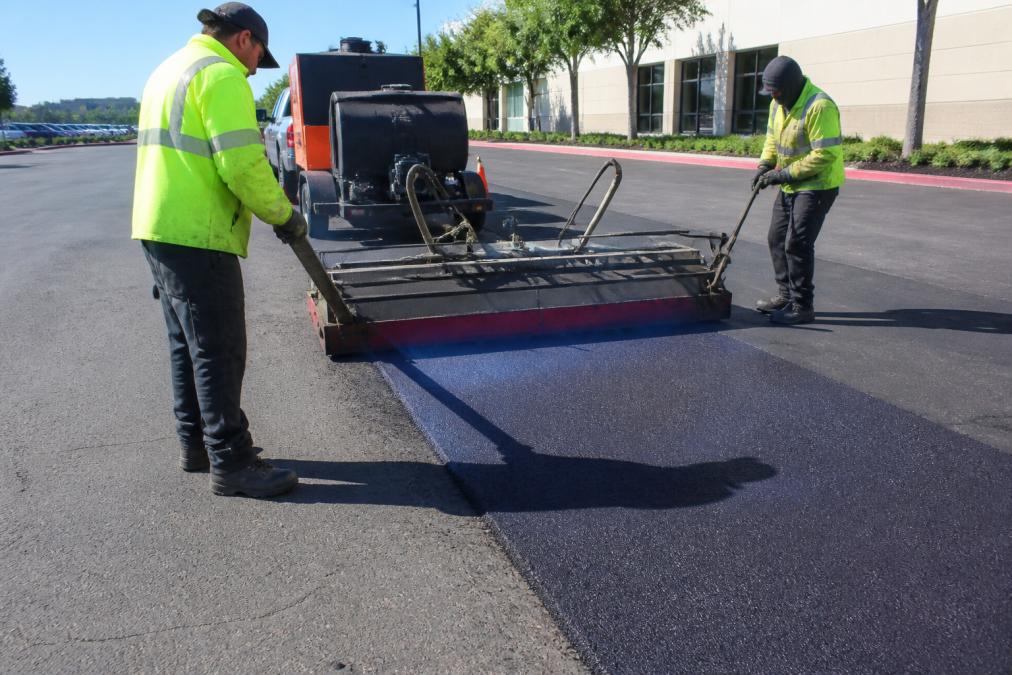
Infrared asphalt repair is one of the most innovative asphalt repair methods gaining traction in 2026. The process uses infrared heat to soften the existing asphalt pavement, allowing crews to rake and reshape the material before adding new hot mix and compacting it into place. The result is a seamless patch with a thermal bond that prevents water from seeping into the repair site. Because the existing material is recycled on-site, this method produces minimal waste and has a lower environmental impact than traditional removal-and-replace approaches.
The infrared asphalt repair benefits extend beyond aesthetics. The seamless finish eliminates the cold joint where most patches fail, creating a watertight seal that resists future deterioration. Repair time is significantly faster than full-depth excavation, which means less traffic disruption for commercial properties. This method works particularly well for potholes, utility cuts, and localized surface deterioration where the underlying base remains structurally sound. The trade-off is that it requires specialized equipment and trained technicians.
Method 3: Throw-and-Roll Patching for Emergency Fixes
When a pothole appears overnight and poses a safety hazard, throw-and-roll patching is the fastest response available. This method involves placing cold patch material into the damaged area and compacting it with the weight of a vehicle or a simple plate compactor. It's the lowest-cost option in the asphalt repair methods toolkit, with minimal labor and equipment requirements. The name comes from the process: throw the material in, roll over it to compact, and open the lane to traffic. concrete crack filler.
The honest assessment of throw-and-roll is that it's a temporary fix. Cold patch material doesn't create the same thermal bond as hot mix or infrared methods, and it's prone to failure under heavy traffic or extreme weather. It's best used as an emergency measure to eliminate trip hazards and prevent further damage until a permanent repair can be scheduled.
Method 4: Asphalt Crack Sealing Best Practices
Asphalt crack sealing best practices start with understanding that crack filling and crack sealing are not the same thing. Crack sealing involves routing the crack, cleaning it thoroughly, and applying a specialized bituminous material that creates a flexible, waterproof seal (fhwa.dot.gov). This is a preventative maintenance measure designed to stop water infiltration before it reaches the subgrade and causes base failure. Crack filling, by contrast, simply fills the void without the same level of preparation or material performance.
The best time to seal cracks is during dry weather when the pavement temperature is moderate. Applying sealant in extreme heat or cold can compromise the bond. For larger commercial lots, professional crews use hot-pour rubberized crack sealant that expands and contracts with the pavement through seasonal temperature changes. Regular crack sealing is one of the most cost-effective ways to extend the pavement life cycle and delay the need for more expensive repairs.
| Repair Method | Best Use Case | Durability | Cost Level | DIY Feasible |
|---|---|---|---|---|
| Hot Mix Patching | Structural repairs, high-traffic areas | Permanent | High | No |
| Infrared Repair | Surface deterioration with sound base | Long-lasting | Medium-High | No |
| Throw-and-Roll | Emergency, temporary fixes | Short-term | Low | Yes |
| Crack Sealing | Preventative maintenance | Medium | Low-Medium | Yes |
| Full-Depth Reclamation | Severe base failure | Permanent | High | No |
Method 5: Full-Depth Reclamation and Overlays
Full-depth reclamation is the heavy-duty solution for pavement that has reached the end of its serviceable life. This process pulverizes the existing asphalt and a portion of the aggregate base, mixes it with new binding agents, and recompacts it to create a fresh, stable foundation. It's a complete reconstruction of the pavement structure, addressing subgrade stability, drainage issues, and base failure in one operation. This is the method to choose when alligator cracking covers large areas or when the pavement has experienced multiple failed patches.
Call now to schedule your free estimate →
For less severe cases, a mill and overlay or asphalt overlay with pavement reinforcement fabric can extend pavement life without full reconstruction. The overlay process involves removing the surface layer, addressing any base issues, and applying a new layer of hot mix asphalt. Pavement reinforcement fabric placed between the old surface and the new overlay acts as a moisture barrier and prevents reflective cracking from transferring upward (transportation.org). These resurfacing options require a structurally sound base to be effective. When the subgrade has failed, no amount of overlay will prevent future cracking.
What to Expect for Asphalt Patching Cost in 2026
Asphalt patching cost 2026 figures vary widely based on the repair method, the extent of the damage, and regional labor rates. Rather than quoting a single number, it's more useful to understand the relative cost tiers. Throw-and-roll patching with cold mix is the least expensive option, suitable for emergency fixes. Infrared repair and hot mix patching sit in the middle and upper ranges respectively, with the higher cost justified by longer-lasting results. Sealcoating, as a preventative measure, is the most affordable way to protect an otherwise healthy surface from oxidation and water damage.
Several factors drive the final price of any asphalt repair. The depth of the damage determines whether you need a surface patch or a full-depth repair. Accessibility affects equipment costs, and the size of the area influences material quantities. Drainage issues that need correction before paving add to the scope of work. The most important cost consideration is avoiding repeat repairs.
How to Choose the Right Repair Method
Choosing the right repair method comes down to a systematic assessment of the pavement condition and the underlying causes of distress. Start by examining the type of cracking. Hairline cracks respond well to crack sealing. Alligator cracking signals base failure that requires full-depth reclamation (pavementinteractive.org). Surface raveling and oxidation indicate age-related deterioration that may respond to asphalt rejuvenation or sealcoating. Potholes with clean edges and sound surrounding pavement are candidates for infrared repair, while potholes with crumbling edges suggest more extensive base problems.
A practical troubleshooting flowchart looks like this: First, assess drainage. Standing water or poor runoff will undermine any repair, so correct drainage issues before proceeding. Second, evaluate the base. If the subgrade is unstable or the aggregate base has failed, surface repairs won't hold. Third, determine the extent of the damage. Localized issues respond well to spot patching, while widespread deterioration requires resurfacing or reconstruction. Finally, consider the pavement's age and remaining life. If the pavement is near the end of its life cycle, a full replacement may be more cost-effective than repeated repairs.
The right repair method depends on the diagnosis, not the budget. A cheap fix on a structurally compromised base is wasted money. An expensive repair on a sound base with minor surface damage is overkill. The most reliable approach is to work with a contractor who performs a thorough assessment before recommending a solution. At Houston Pavement Repair LLC, we evaluate every repair based on the specific conditions of your pavement, whether it's a residential driveway dealing with drainage issues or a commercial parking lot with heavy traffic loads. Our team specializes in matching the right asphalt repair methods to the actual problem.
The 2026 landscape of asphalt repair methods offers more effective options than ever, but the fundamentals haven't changed. Water is the enemy, the base is everything, and preventative maintenance beats reactive repairs every time. Whether you're a homeowner in Houston or Katy dealing with a cracked driveway or a property manager responsible for a commercial lot, understanding these methods puts you in control of the decision-making process. Regular sealcoating, timely crack sealing, and proper drainage maintenance will extend the life of your pavement and reduce the frequency of major repairs.
Choosing the right repair method is the difference between a one-time fix and a recurring expense. The best asphalt repair methods for 2026 combine proper diagnosis, quality materials, and skilled installation, and they address the root cause of pavement distress rather than just the visible symptoms. Houston Pavement Repair LLC provides expert asphalt and concrete paving and repair services for residential and commercial clients across Houston and Katy, TX, backed by a commitment to reliable, high-quality surface solutions. Whether you need professional paving or essential repairs, our team is ready to help you achieve durable results. Call now to schedule your free estimate and get a repair plan that actually lasts.
Frequently Asked Questions
What is the most durable asphalt repair method?
Hot mix asphalt patching uses heated aggregate that bonds chemically with the existing pavement. Full-depth patching, where the damaged base is removed and replaced, addresses structural issues.
What is the cheapest way to repair an asphalt driveway?
The cheapest immediate method is throw-and-roll patching with cold mix, but it is a temporary fix. For a more permanent solution, consider asphalt crack sealing for minor issues or infrared patching for isolated potholes. These methods prevent water intrusion without the expense of a full overlay.
When should you choose infrared patching over traditional saw-cut patching?
Choose infrared patching when you need a seamless, watertight repair that is faster and produces less waste. It works best for isolated potholes, utility cuts, and localized alligator cracking where the subgrade is still sound. Traditional saw-cut patching is preferred when the surrounding pavement is badly deteriorated or when you need to remove a large, defined section with a perfectly square edge.
How do you ensure new asphalt patches bond correctly to old pavement?
A proper bond starts with a clean, dry surface. All debris, vegetation, and loose material must be removed. Professionals apply a tack coat, a thin layer of asphalt emulsion, to the existing surface before placing the new material. For hot mix, the material must be compacted at the correct temperature to create a tight, waterproof seal that prevents water from seeping into the sub-base.