 ultimate-guide
Commercial Parking Lot Maintenance Tips That Last
Table of Contents
- Why Commercial Parking Lot Maintenance Can't Wait
- Commercial Pavement Maintenance Checklist: Inspections, Repairs, and Cleaning
- Parking Lot Sealcoating Cost and When to Schedule It
- Line Striping, Signage, and Traffic Flow
- ADA Parking Lot Compliance Requirements Every Manager Must Know
- Liability, Risk Mitigation, and Documentation
- Budgeting, Lifecycle Cost Analysis, and Sustainable Materials
- Winter Maintenance, Lighting, and Smart Monitoring
- Frequently Asked Questions
Last Updated: August 11, 2026
Why Commercial Parking Lot Maintenance Can't Wait
Commercial parking lot maintenance is the first thing customers see and the last thing most property managers budget for, until something goes wrong. A pothole swallows a tire. A faded line stripe causes a fender bender. A cracked surface channels rainwater toward your building's foundation. At Houston Pavement Repair LLC, we see this pattern repeatedly: deferred maintenance costs far more than proactive upkeep.
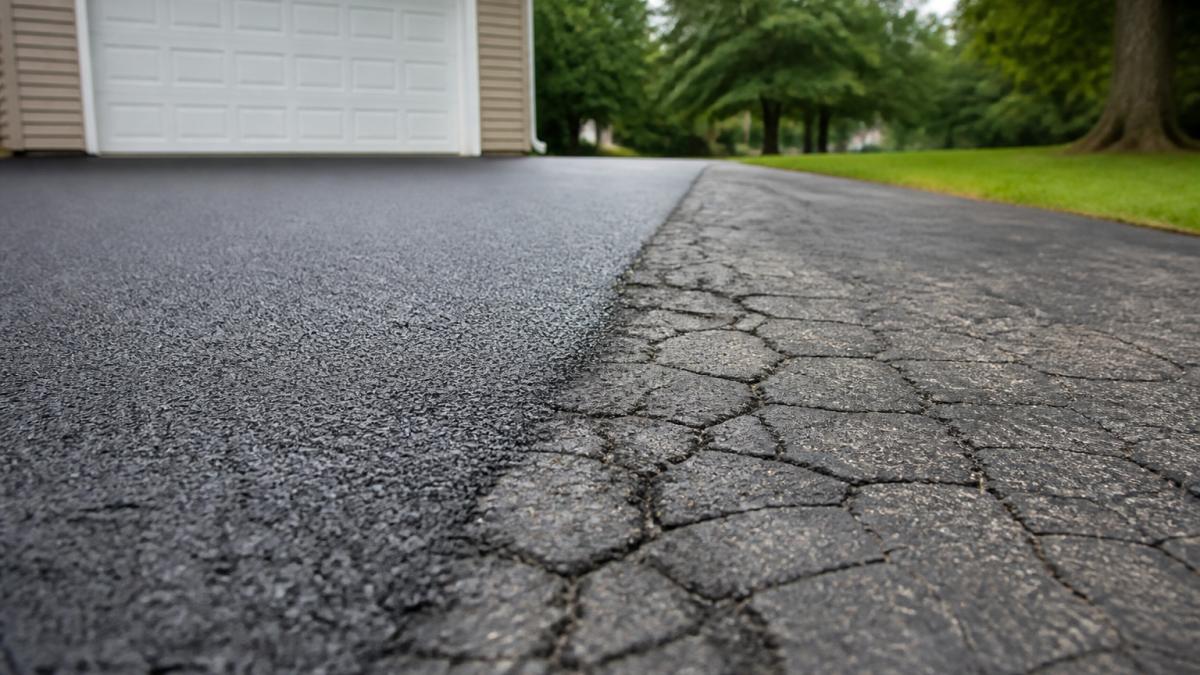
Asphalt is durable but not indestructible. Oxidization begins the moment pavement is laid. UV exposure, traffic load, and water infiltration accelerate degradation. The sub-base weakens when moisture penetrates unrepaired cracks. A hairline fracture becomes a pothole, which becomes a structural problem requiring full-depth reclamation rather than a simple patch.
The good news: most of this is preventable. A structured maintenance schedule dramatically extends pavement lifecycle and keeps liability exposure low. Below, we cover the specific tasks, timelines, and decisions that separate a well-managed lot from one always facing citations.
Commercial Pavement Maintenance Checklist: Inspections, Repairs, and Cleaning
A commercial pavement maintenance checklist is the operational backbone of any property management plan. Without one, maintenance becomes reactive, expensive, and inconsistent.
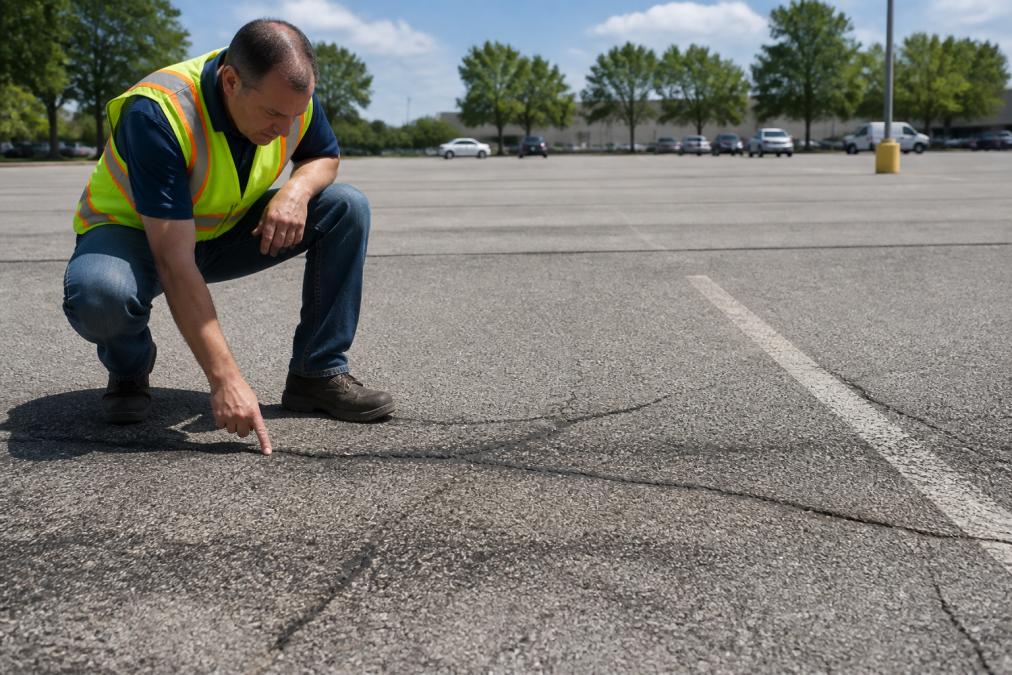
Routine Inspections and Assessments
Conduct a full visual assessment at least twice per year: once in spring after freeze-thaw cycles and once in fall before winter. Walk every lane, check every curb, and document findings with dated photographs.
During each inspection, evaluate:
- Surface condition: Look for alligator cracking, raveling, and aggregate loss, which indicate sub-base failure.
- Drainage patterns: Identify standing water zones. Pooling water is the primary driver of accelerated deterioration.
- Pavement markings: Check parking stall lines, directional arrows, and fire lane designations for fading.
- Curbing integrity: Damaged curbing allows water to undercut pavement edges.
- Lighting fixtures: Confirm all fixtures are functional and eliminate dark zones.
Document everything. A signed, dated inspection log is your first line of defense in slip and fall claims.
Crack Filling, Pothole Repair, and Surface Cleaning
Crack filling should happen as soon as cracks reach 1/4 inch in width. Waiting allows water infiltration, which expands cracks through freeze-thaw cycles and undermines the sub-base. Hot-pour asphalt emulsion sealant is the standard for commercial applications, bonding to crack walls and remaining flexible through temperature changes.
Pothole repair requires a clean, square cut around the damaged area, removal of all loose aggregate, and proper compaction of new asphalt. Surface-only patches without addressing sub-base issues fail repeatedly.
Surface cleaning directly affects sealcoating adhesion and curb appeal. Remove oil stains, debris, and organic growth before sealing or repair work. Pressure washing and mechanical sweeping should be scheduled quarterly.
| Maintenance Task | Recommended Frequency | Primary Benefit |
|---|---|---|
| Full visual inspection | Twice per year | Early detection of structural issues |
| Crack filling | As needed / annually | Prevents sub-base water infiltration |
| Pothole repair | Immediately upon discovery | Safety hazard elimination |
| Surface sweeping | Quarterly | Curb appeal and sealcoat prep |
| Sealcoating | Every 2-4 years | Surface protection and oxidization prevention |
| Line striping | Every 1-2 years | Traffic flow and ADA compliance |
| Catch basin cleaning | Twice per year | Drainage system function |
Drainage System and Catch Basin Checks
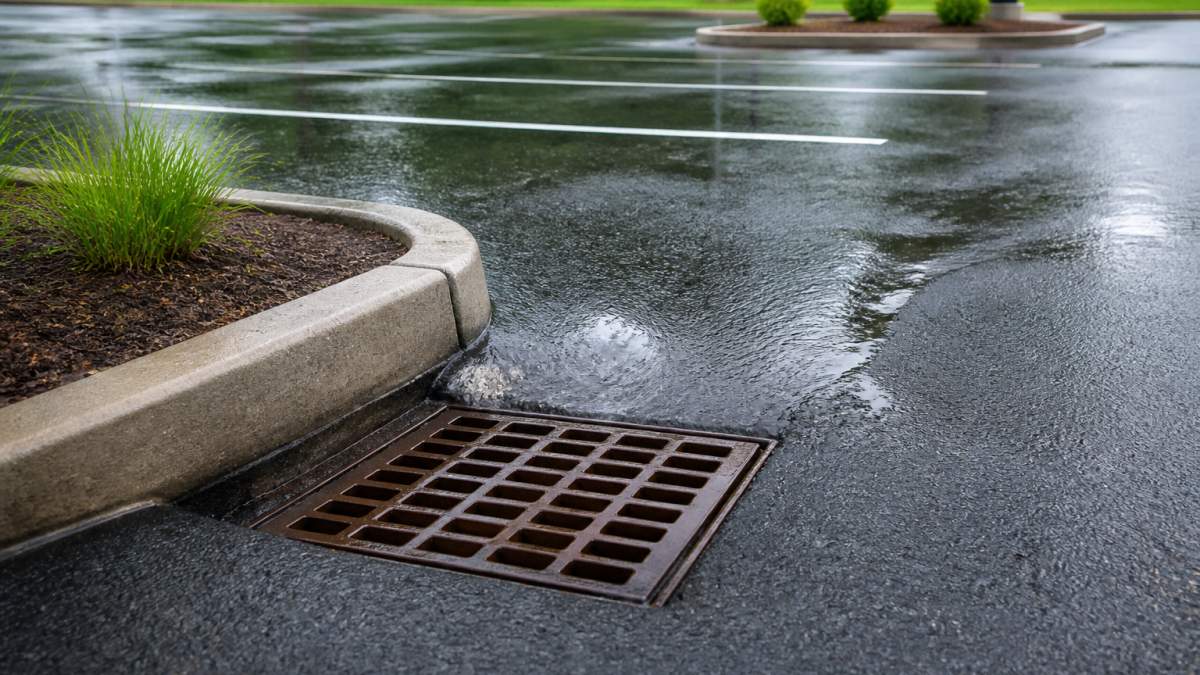
Poor drainage is the single most destructive force acting on commercial asphalt. Water that cannot exit quickly will infiltrate every crack and low point, saturating the sub-base and causing the pavement above to flex, crack, and fail.
Inspect catch basins twice per year. Clear debris, sediment, and vegetation. Confirm the grate is intact and water flows freely. Check surrounding asphalt for settlement, indicating sub-base erosion.
According to the Federal Highway Administration's pavement drainage guidelines, proper surface drainage design is critical to long-term pavement performance. If your lot has chronic low spots, a drainage engineer or experienced paving contractor should assess whether regrading is necessary.
Parking Lot Sealcoating Cost and When to Schedule It
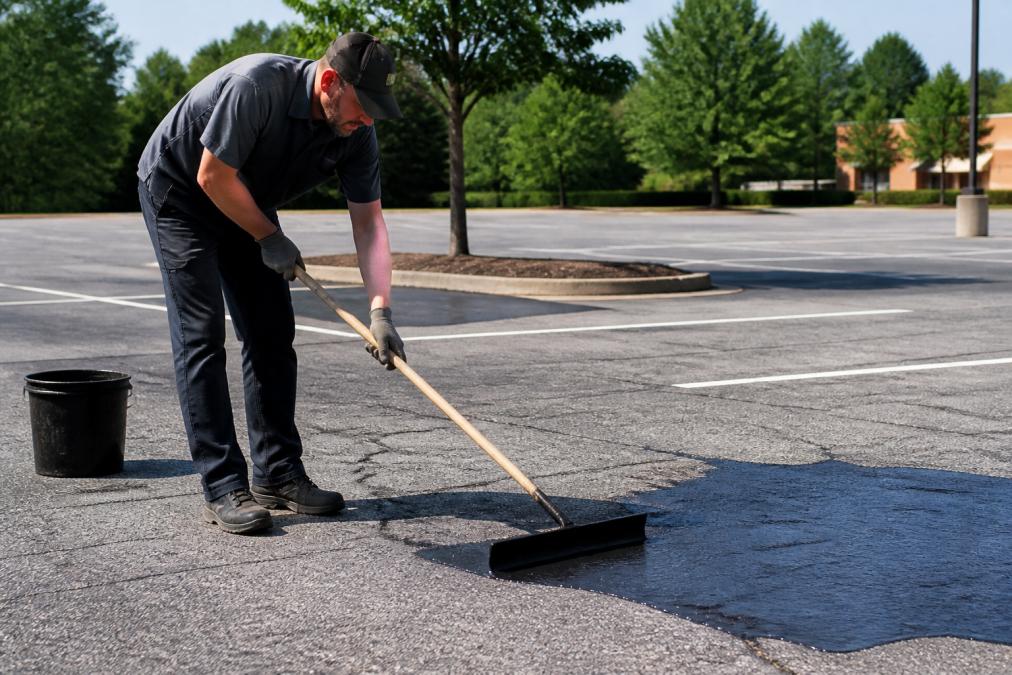
Sealcoating is the most cost-effective surface protection strategy for asphalt parking lots. A properly applied sealcoat creates a barrier against UV rays, fuel spills, and water penetration, the three primary causes of oxidization and degradation.

Most commercial lots should be sealcoated every two to four years, depending on traffic volume, climate exposure, and surface condition. A newly paved lot should cure for at least 90 days before the first sealcoat application. Applying sealcoat too early traps off-gassing vapors and compromises adhesion.
Parking lot sealcoating cost varies based on lot size, surface preparation, number of coats, and regional labor rates. Get a written estimate based on your specific square footage and current condition. Houston Pavement Repair LLC offers free estimates for clear budgeting.
Schedule sealcoating during late spring or early fall to avoid summer heat that causes premature curing and winter cold that prevents curing. Coordinate with tenants in advance; a phased approach sealing half the lot at a time keeps traffic moving.
Line Striping, Signage, and Traffic Flow
Faded pavement markings create genuine safety hazards and expose property owners to liability when accidents occur in poorly marked areas.
Line striping should be refreshed every one to two years for high-traffic lots. Restripe sooner if markings become difficult to read. Use traffic-grade reflective paint for fire lanes, accessible parking spaces, and pedestrian crosswalks.
A well-designed traffic flow plan reduces congestion, prevents vehicle conflicts, and improves the experience for tenants and customers. One-way lane designations, directional arrows, stop bars, and speed bump markings create an orderly, predictable lot. Review your traffic control layout whenever you change lot configuration or add new tenants.
Signage works in parallel with pavement markings. ADA-compliant accessible parking signs must meet specific height and placement requirements. Fire lane signs must be posted at intervals defined by local fire codes.
ADA Parking Lot Compliance Requirements Every Manager Must Know
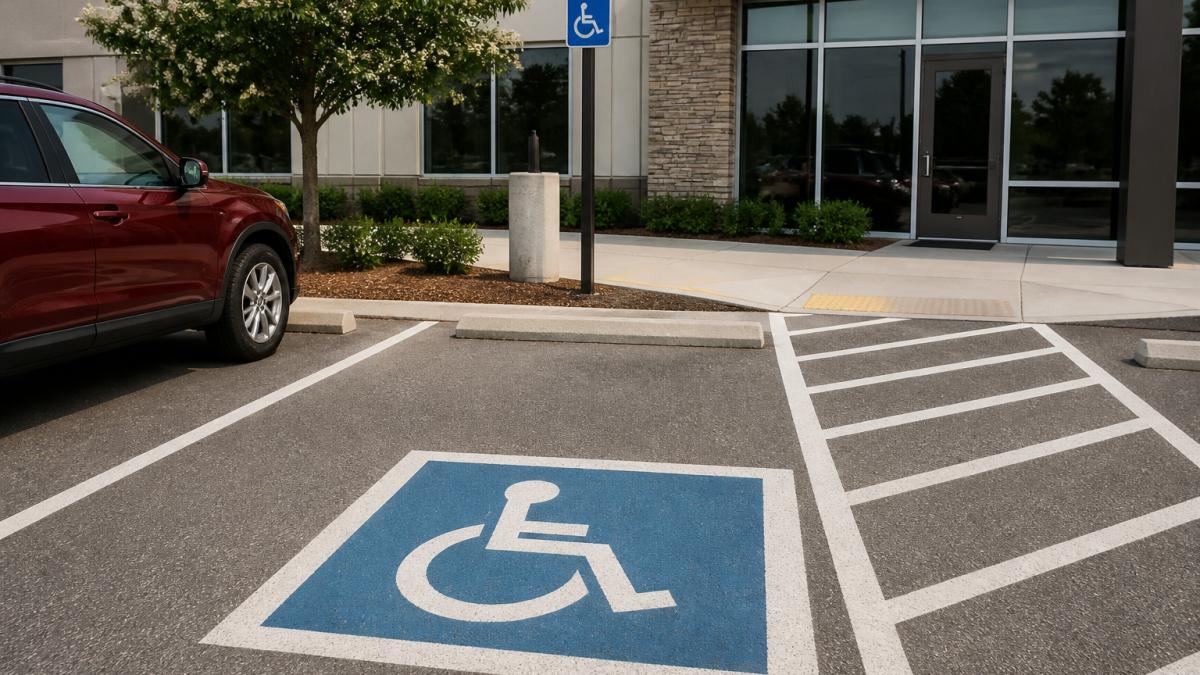
ADA parking lot compliance is a legal obligation, not a best practice. The Americans with Disabilities Act sets specific requirements for accessible parking spaces, access aisles, slopes, surface conditions, and signage.
Call now to schedule your free estimate →
The ADA Standards for Accessible Design published by the U.S. Department of Justice specify the minimum number of accessible spaces based on total lot capacity, required van-accessible space ratios, maximum running and cross slopes for accessible routes, and signage height requirements. Non-compliance exposes property owners to federal complaints, lawsuits, and mandatory remediation costs far exceeding the cost of compliance.
Key compliance checkpoints for every inspection:
- Space count: Verify the correct number of accessible spaces for your total parking capacity.
- Van-accessible spaces: At least one in every six accessible spaces must be van-accessible with a minimum 8-foot access aisle.
- Surface condition: Accessible spaces and access aisles must be stable, firm, and slip-resistant. Cracked or uneven surfaces are direct ADA violations.
- Slope: Cross slopes in accessible spaces cannot exceed 1:48 (approximately 2%).
- Signage: Signs must be mounted at least 60 inches above the ground to the bottom of the sign, with the International Symbol of Accessibility.
ADA compliance audits should be part of every major resurfacing or restriping project. If your lot predates current standards, develop a retrofit plan now rather than waiting for a complaint.
Liability, Risk Mitigation, and Documentation
A poorly maintained parking lot generates liability. Slip and fall claims, vehicle damage disputes, and ADA complaints all trace back to deferred maintenance and inadequate documentation.
Risk mitigation starts with inspection frequency and documentation quality. Every inspection should produce a written record: date, inspector name, conditions observed, photographs, and corrective actions taken or scheduled. This paper trail is your primary defense if a claim is filed.
Property managers should understand how maintenance records interact with insurance coverage. Many commercial property insurers require documented maintenance programs as a condition of coverage. A gap in records or evidence that a known hazard was left unaddressed can void a claim.
The speed of response matters. A pothole reported and left unrepaired for two weeks creates a stronger negligence argument than one patched within 48 hours. Establish a clear process: who receives reports, who authorizes repairs, and what the expected response time is for safety hazards.
Budgeting, Lifecycle Cost Analysis, and Sustainable Materials
The biggest mistake in parking lot budgeting is treating maintenance as a line item to cut rather than an investment to protect. A well-maintained asphalt lot lasts 25 to 30 years. A neglected one may require full replacement in 10 to 15 years. The cost difference is substantial.
Lifecycle cost analysis frames maintenance spending correctly. The question is not "how much does sealcoating cost this year?" but "how much does sealcoating cost compared to the resurfacing or full replacement it prevents?" Routine maintenance is almost always the lower-cost path. Contact Houston Pavement Repair LLC for a free estimate and a clear plan for your property.
Sustainable options are increasingly available. Recycled asphalt pavement incorporates aggregate from milled surfaces and reduces demand for virgin materials. Some sealcoating formulations use bio-based binders rather than coal tar, reducing polycyclic aromatic hydrocarbon release into stormwater. As documented in EPA guidance on stormwater management and paving materials, surface material choice directly affects local water quality.
A practical budgeting framework:
- Annual: Inspection, cleaning, crack filling, spot repairs
- Every 2-4 years: Sealcoating, line striping refresh
- Every 7-10 years: Overlay or mill-and-fill for heavily trafficked sections
- Every 20-30 years: Full reconstruction if the sub-base remains sound
Winter Maintenance, Lighting, and Smart Monitoring
Winter maintenance in freezing climates adds complexity to parking lot maintenance. Snow removal, de-icing, and post-winter repair are part of the annual cycle.
Snow removal should clear to pavement level without allowing plows to drag across the surface. Blade contact can dislodge aggregate and damage sealcoat. Use rubber-edged blades where possible, and avoid piling snow over drainage areas.
De-icing chemical selection matters for pavement longevity. Rock salt is inexpensive but aggressive, accelerating concrete deterioration. Calcium magnesium acetate and potassium acetate are gentler alternatives, though costlier. For lots with concrete sections, check manufacturer guidance before applying any de-icing product.
Lighting is a year-round safety issue, critical in winter when daylight hours are short. LED lighting retrofits have become the standard because they deliver better coverage, lower energy consumption, and longer service life. According to the U.S. Department of Energy's guidance on LED parking lot lighting, LED systems significantly reduce lighting energy use compared to metal halide alternatives, with payback periods that make them financially compelling.
Smart monitoring technology is changing how proactive managers approach infrastructure. Pavement sensor systems track surface temperature, moisture, and freeze risk in real time, enabling targeted de-icing before ice forms. Camera-based traffic monitoring identifies high-wear zones and adjusts maintenance priorities. These tools are increasingly adopted by facilities managers seeking data-driven scheduling rather than calendar-based guesswork.
Keeping a commercial parking lot safe, compliant, and structurally sound requires consistent effort across inspections, repairs, drainage, compliance, and seasonal maintenance. Property managers who do it well treat pavement as infrastructure worth protecting. Houston Pavement Repair LLC specializes in asphalt and concrete paving and repair for commercial properties, delivering reliable solutions across the full maintenance spectrum. Call now to schedule your free estimate and get a clear plan for keeping your lot in top condition.
Frequently Asked Questions
How often should a commercial parking lot be sealcoated?
Most commercial asphalt surfaces benefit from sealcoating every two to three years, depending on traffic volume, sun exposure, and the condition of the existing surface. High-traffic lots may need it closer to every two years, while lightly used lots can go three years between applications. Waiting too long allows oxidization and surface degradation to progress to the point where sealcoating alone won't protect the sub-base, making repairs more extensive and costly.
What are the most common causes of parking lot deterioration?
Poor drainage is the leading cause, water that pools on the surface or infiltrates the sub-base weakens structural integrity quickly. UV oxidization dries out the asphalt binder, making the surface brittle and prone to cracking. Heavy vehicle loads, deferred crack filling, and inadequate sealcoating all accelerate surface degradation. Addressing drainage issues first is critical, because patching cracks without fixing water intrusion produces repairs that fail in the same spots repeatedly.
How does ADA compliance affect parking lot maintenance requirements?
The Americans with Disabilities Act requires accessible parking stalls to maintain a firm, stable, and slip-resistant surface at all times. Cracked or uneven pavement in accessible spaces and access aisles creates both a compliance violation and a slip-and-fall liability risk. Faded pavement markings and missing or damaged signage also trigger ADA violations. Property managers should include accessible spaces in every routine inspection cycle and repaint pavement markings whenever they become difficult to read.
What is the difference between crack sealing and sealcoating?
Crack filling targets individual cracks in the asphalt surface, using a hot- or cold-applied material to seal the opening and stop water intrusion at that specific point. Sealcoating is a protective coating applied across the entire pavement surface to slow oxidization, repel water, and restore curb appeal. The two are complementary: cracks should be filled before sealcoating so the coating bonds to a sound surface. Skipping crack filling before sealcoating leaves water pathways open beneath the new coating.
This article was written using GrandRanker