 comparison
Corestone Paving Alternatives for Residential
Table of Contents
- Why Homeowners Look Beyond Corestone Paving
- Permeable Driveway Pavers: Drainage and Durability
- Geocell and Grid Stabilization Systems
- Low Maintenance Driveway Materials: Resin-Bound Gravel
- Cost of Driveway Paving Per Square Foot: Comparing Your Options
- Installation, Maintenance, and Long-Term Performance
- Making Your Decision: Which Alternative Fits Your Needs
- Frequently Asked Questions
Why Homeowners Look Beyond Corestone Paving
When you're shopping for a paving alternatives residential solution, Corestone isn't always the right fit. Maybe you're concerned about maintenance, drainage issues from Houston's heavy rainfall, or the long-term cost of repairs. Maybe you've had previous work done and you're looking for something that actually addresses the root problem instead of patching it temporarily. Whatever the reason, understanding your options matters.
At Houston Pavement Repair LLC, we provide expert asphalt and concrete paving and repair services for residential and commercial clients. We are dedicated to delivering reliable, high-quality surface solutions that keep your property in tiptop shape. The truth is that no single paving system works for every property. Climate, soil conditions, budget, and how you actually use your driveway all shape which material makes sense.
This guide walks you through the real alternatives to Corestone, what they cost, how they perform in our local climate, and which ones solve the specific problems you're probably facing. We'll cover permeable systems that handle runoff, low-maintenance options that don't require constant repairs, and cost-effective choices that don't sacrifice durability.
Permeable Driveway Pavers: Drainage and Durability
Permeable driveway pavers address the core problem that drives many homeowners away from traditional asphalt and concrete: water management. In a climate where heavy rain regularly overwhelms standard drainage, permeable systems let water pass through the surface into the sub-base, reducing flooding and the damage it causes.
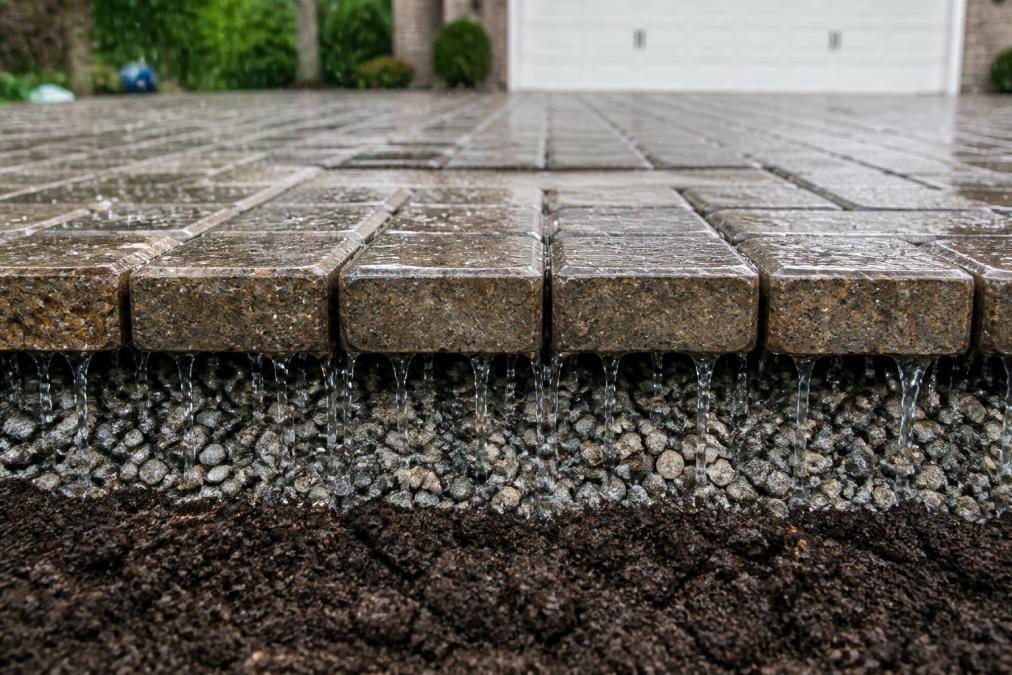
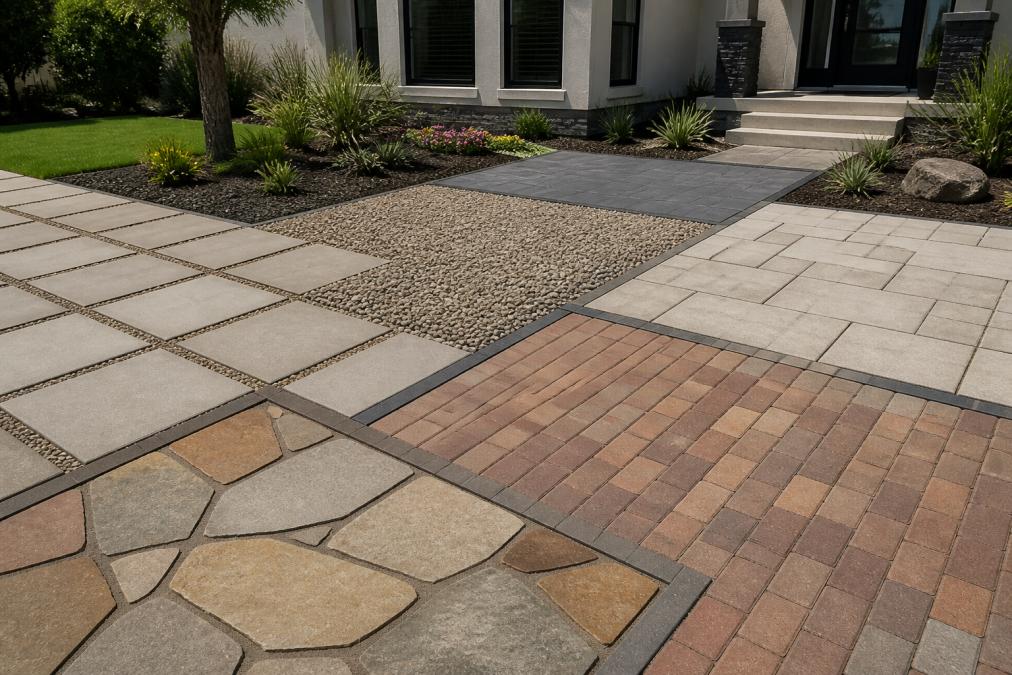
Belgard Permeable Pavers are interlocking concrete units designed to mimic natural soil absorption. Water filters through the joints into an aggregate base, reducing stormwater runoff and recharging groundwater. They're available in multiple colors and textures, so you're not sacrificing curb appeal for function. The pavers themselves cost between $4 and $10 per square foot, though the total installed cost depends on the sub-base system. These pavers can handle residential vehicular traffic and may contribute to LEED credits if sustainability matters for your property.
The main advantage is aesthetic flexibility, they look like traditional pavers but perform like a drainage system. The drawback is that they require a properly engineered base layer, and installation is more involved than simply laying down material. If your property already has poor drainage, a permeable paver system won't fix the underlying grading problem; it only manages water that reaches the surface.
TRUEGRID Permeable Pavers take a different approach using recycled plastic grids. These interlocking systems are made from 100% post-consumer recycled HDPE plastic and achieve compression strength exceeding 6,880 psi when filled (peer-reviewed research). The real advantage is permeability, they allow water to drain at over 1,000 inches per hour, effectively eliminating standing water (astm.org). A grid system costs $4 to $5 per square foot before adding gravel or grass fill.
What makes TRUEGRID different is durability. The plastic doesn't degrade, compress, or shift like stone-based systems. They last 25 to 60 years with virtually no maintenance (peer-reviewed research). Installation is faster because the interlocking system requires less precision than traditional pavers. The trade-off is appearance, they look more utilitarian, less like a finished driveway. They're best for properties where function outweighs aesthetics, or where you're filling them with grass for a green driveway appearance.
Techo-Bloc Permeable Pavers are another concrete option with design-forward styling. They're engineered to allow surface water to percolate into the ground, reducing ice hazards in winter and eliminating the need for heavy de-icing salt. The aesthetic range is broad, clean lines, natural textures, flexible color options, so they integrate with most home architecture. Pricing requires a quote, but they're generally comparable to Belgard.
The advantage here is winter performance. In our climate, reducing ice accumulation means safer driveways and less salt damage to surrounding landscaping. The disadvantage is the same as other permeable concrete pavers: they need a proper base system, and the installation cost reflects that complexity.
Geocell and Grid Stabilization Systems
Geocells are three-dimensional honeycomb structures that stabilize aggregate materials and distribute load more effectively than loose gravel. They're typically made from high-density polyethylene and filled with crushed stone, gravel, or recycled asphalt. The grid structure prevents material migration, reducing rutting and washout.
For residential driveways, geocells solve a common problem: loose gravel shifts under vehicle weight, creating ruts and requiring constant raking and top-ups. A geocell system locks the aggregate in place, maintaining a stable, level surface for years. Installation involves laying the geocell grid, filling it with aggregate, and compacting. The result is a durable, low-maintenance surface that costs less than permeable pavers but performs better than bare gravel.
The main advantage is cost-effectiveness combined with durability. You're not paying for concrete or asphalt, but you're getting a surface that doesn't degrade like traditional gravel. The drawback is appearance, geocell driveways look more utilitarian. They work well for properties where functionality matters more than polish, or as a temporary solution while you plan a longer-term paving project.
Geocells are particularly useful in areas with heavy seasonal rainfall because the grid structure prevents erosion. Water drains through the aggregate, and the sub-base handles runoff. This makes them a practical alternative in our climate where erosion and rutting are real concerns.
Low Maintenance Driveway Materials: Resin-Bound Gravel
Resin-bound gravel combines aggregate stones with a clear or tinted resin binder, creating a solid, permeable surface that looks like decorative gravel but performs like a paved driveway. The resin locks the stones in place, eliminating the raking and top-ups that plague traditional loose gravel.
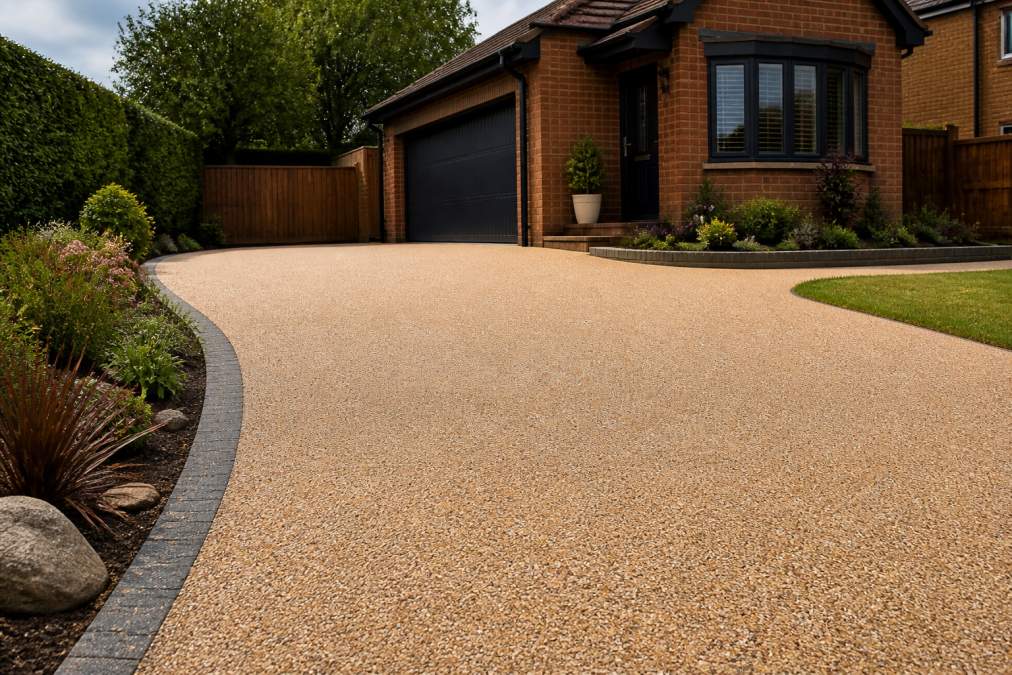
Porous Pave is a pour-in-place permeable paving material made from recycled tire rubber and aggregate. It's installed by pouring a liquid mixture that hardens into a flexible, resilient surface. The rubber component gives it shock absorption and flexibility, making it resistant to cracking during freeze-thaw cycles, a significant advantage in our climate.
The material is highly permeable, preventing pooling and erosion. It's available in eight standard colors with custom combinations possible. Installation is straightforward because the pour-in-place method conforms to irregular shapes and curved designs. The flexibility also means it resists damage from tree roots and soil movement, common problems with rigid pavers.
The disadvantage is that specific pricing isn't publicly available, you'll need a quote. Installation may require professional application for optimal performance. Over time, resin-bound surfaces can show wear in high-traffic areas, though they're more durable than traditional gravel.
Resin-bound gravel is ideal for properties where you want the aesthetic of gravel with the performance of a solid surface. It drains well, requires minimal maintenance beyond occasional cleaning, and handles our local weather better than loose aggregate.
Cost of Driveway Paving Per Square Foot: Comparing Your Options
Understanding the cost structure of paving alternatives residential materials helps you compare apples to apples. The per-square-foot price tells only part of the story, installation complexity, longevity, and maintenance all affect the true cost of ownership.
| Material | Per-Sq-Ft Cost | Lifespan | Maintenance | Best For |
|---|---|---|---|---|
| TRUEGRID Permeable Pavers | $4-$5 (grids only) | 25-60 years | Minimal | Drainage-focused, low-maintenance |
| Belgard Permeable Pavers | $4-$10 | 20-30 years | Occasional | Aesthetic + drainage balance |
| Porous Pave | Quote-based | 15-20 years | Minimal | Flexible, freeze-thaw resistant |
| Resin-Bound Gravel | Quote-based | 10-15 years | Low | Quick installation, design flexibility |
| Geocells + Gravel | $2-$4 | 10-15 years | Moderate | Budget-conscious, functional |
The lowest per-square-foot cost doesn't always mean the best value. A geocell system might cost $2 to $4 per square foot but require raking every couple of years. TRUEGRID costs more upfront but lasts 25 to 60 years with virtually no maintenance. Permeable pavers are more expensive than loose gravel but eliminate the constant maintenance that makes gravel expensive over time.
Installation costs matter significantly. Permeable paver systems require engineered sub-base preparation, which adds labor and materials. Pour-in-place systems like Porous Pave have straightforward installation but may require specialized contractors. Geocell systems are simpler to install, which can offset their material cost.
When comparing options, calculate the cost per year of service life. A $15,000 driveway that lasts 30 years costs $500 per year. A $8,000 driveway that lasts 10 years costs $800 per year. The more expensive option is actually cheaper over time.
Installation, Maintenance, and Long-Term Performance
How a driveway is installed determines how well it performs. Even the best material fails if the sub-base isn't properly prepared. Proper grading, compaction, and drainage infrastructure matter more than the surface material itself.
Installation best practices start with site assessment. Your property's slope, soil composition, and existing drainage all shape the installation approach. A poorly sloped driveway will pool water regardless of the surface material. An unstable sub-base will cause permeable pavers to shift and settle unevenly.
For permeable systems, the sub-base is critical. Typically, you'll need 4 to 6 inches of compacted aggregate base, sometimes with a permeable geotextile layer to prevent soil migration into the aggregate. This foundation costs money and requires proper equipment and expertise. Cutting corners on the base saves money upfront but causes failure within a few years.
Porous pour-in-place systems require site preparation, aggregate grading, and proper curing. Installation typically takes one to two days for a standard residential driveway. The surface is ready to use within 24 to 48 hours, which is faster than waiting for asphalt or concrete to cure.
Maintenance varies dramatically by material. TRUEGRID grids need occasional raking to redistribute gravel but otherwise require nothing. Permeable pavers need periodic cleaning to prevent algae growth in joints and occasional weed removal. Resin-bound surfaces need occasional sweeping and can be pressure-washed gently. Geocells require more frequent maintenance as aggregate shifts over time.
Long-term performance depends on climate and use. In our region, freeze-thaw cycles, heavy rainfall, and intense summer heat all stress driveway materials. Permeable systems handle freeze-thaw better than solid asphalt because they allow water to drain instead of pooling and expanding. Resin-bound systems with rubber content flex with temperature changes, resisting cracking. Rigid pavers can crack if the sub-base settles.
Houston's clay soils present a specific challenge. Clay expands when wet and contracts when dry, causing movement. This movement stresses rigid paving materials. Permeable systems and flexible materials (like Porous Pave) handle this movement better than concrete or asphalt. If you're dealing with clay soils, this is a major factor in material selection.
Making Your Decision: Which Alternative Fits Your Needs
Choosing a paving alternatives residential material requires honest assessment of your priorities, budget, and property conditions. There's no universally best option, the right choice depends on what matters most to you.
If drainage is your primary concern, permeable systems are worth the investment. TRUEGRID offers the longest lifespan and lowest maintenance. Belgard or Techo-Bloc permeable pavers offer better aesthetics if curb appeal matters. Porous Pave is the middle ground, good drainage, good flexibility, moderate cost.
If maintenance is your biggest pain point, focus on systems that don't require constant upkeep. TRUEGRID grids need minimal attention. Resin-bound surfaces need occasional cleaning but no raking. Traditional loose gravel requires constant maintenance, so avoid it unless budget is your only constraint.
If budget is tight but you want durability, geocells with crushed stone offer the best value. They cost less than pavers, last longer than loose gravel, and require moderate maintenance. They won't win any beauty contests, but they'll hold up.
If you're dealing with clay soils and movement, choose flexible materials. Porous Pave with rubber content handles movement better than rigid pavers. Permeable gravel systems also flex with soil movement.
If aesthetics matter and you have good drainage, permeable concrete pavers give you design flexibility. Belgard and Techo-Bloc offer enough color and texture options to complement most homes.
Before deciding, have your property evaluated by a professional. Soil conditions, existing drainage, slope, and climate all affect which material will perform best. Houston Pavement Repair LLC offers free estimates and can assess your specific situation. We are dedicated to delivering reliable, high-quality surface solutions that keep your property in tiptop shape. Our team is ready to help you achieve durable results.
The homeowners we work with who are most satisfied are the ones who understood their problem first, then chose the material that solved it. If water is pooling, a permeable system addresses the root cause. If maintenance is exhausting, low-maintenance materials eliminate the frustration. If you're tired of temporary patches, durability becomes the priority.
Frequently Asked Questions
Q: What is the least expensive hard surface for a residential driveway?
A: Crushed stone and gravel are generally the most budget-friendly options, though they may require frequent maintenance and raking. Permeable pavers and resin-bound gravel typically cost more upfront but can offer better durability and lower maintenance over time. Pricing depends on material type, site preparation, and installation complexity. Contact Houston Pavement Repair LLC for a free estimate tailored to your property.
Q: How do permeable driveway pavers compare to traditional paving alternatives?
A: Permeable driveway pavers allow water to drain through joints into a sub-base, reducing runoff and flooding, critical in areas with heavy rain. They can be more durable than crushed stone, may require less maintenance than gravel, and can offer better aesthetic control than some resin-bound surfaces. Installation is typically more involved than pouring asphalt but can result in a longer-lasting surface that handles residential traffic well.
Q: What's the lowest maintenance driveway material for residential use?
A: Permeable plastic grid systems and sealed resin-bound gravel generally require minimal upkeep once installed. Both can resist erosion, may not need raking or topping, and can handle freeze-thaw cycles better than loose gravel. Permeable pavers may need occasional joint cleaning but no resurfacing. Maintenance costs can be lower over 20-30 years compared to materials requiring regular repairs or replacement.
Q: How much does driveway paving typically cost per square foot?
A: Costs vary by material: crushed stone can run $1-3 per square foot, permeable pavers $4-10, resin-bound gravel $4-8, and geocell systems $3-6 when filled. These are material-only estimates; professional installation, site preparation, and drainage work add significantly. Pricing depends on quantity, site conditions, and local labor rates. Get a free estimate from Houston Pavement Repair LLC for accurate pricing on your specific project.
The right paving alternative solves your actual problem, not just the surface issue. At Houston Pavement Repair LLC, we help homeowners and property managers identify which materials will work for their specific conditions, and we install them correctly so they last. Schedule your free estimate today and get a professional assessment of your property's needs.
This article was written using GrandRanker