 ultimate-guide
Cost to Repair Asphalt Parking Lot: Complete 2026 Guide
Table of Contents
- What Determines the Cost to Repair Asphalt Parking Lot
- Asphalt Patch Repair Cost Per Square Foot Breakdown
- Parking Lot Resurfacing vs Repaving: Cost and When to Choose Each
- Signs Your Parking Lot Needs Repair
- Asphalt Parking Lot Maintenance Schedule to Reduce Future Costs
- The Repair Process: What to Expect from Start to Finish
- Environmental Impact and Long-Term ROI of Asphalt Repair
- Frequently Asked Questions
Last Updated: August 19, 2026
What Determines the Cost to Repair Asphalt Parking Lot
The cost to repair asphalt parking lot damage varies based on deterioration scope, repair method, and site conditions. Several core factors influence pricing: the extent of damage (minor cracks versus systemic deterioration), underlying causes (drainage issues will cause repairs to fail if not corrected), site accessibility and traffic patterns, subgrade and base layer condition, and climate exposure. A single pothole costs far less to fix than addressing widespread alligator cracking across thousands of square feet. At Houston Pavement Repair LLC, we've found that property managers who understand these cost drivers make better long-term decisions.
Asphalt Patch Repair Cost Per Square Foot Breakdown
Patch repairs address localized damage without touching surrounding pavement, working best when damage is contained and underlying structure is sound.
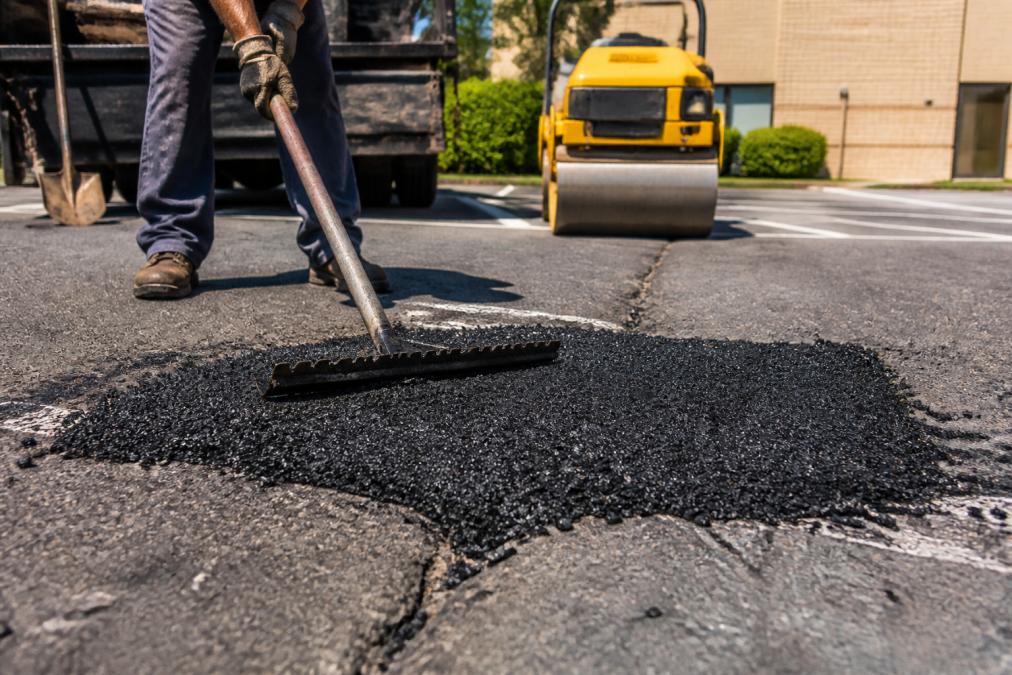
Pothole patching costs vary by depth and diameter. A shallow pothole (under 2 inches deep, under 12 inches across) costs less than a deep one (4+ inches, 18+ inches across) because deeper work requires more material and subgrade preparation. Cold patch materials are cheaper but temporary; hot mix asphalt patches last longer because the material bonds better when applied at proper temperature.
Labor costs depend on work conditions. If crews can drive equipment directly to potholes, costs stay lower. Heavy daytime traffic requiring evening or weekend work increases hourly rates. Crack filling follows similar logic: hairline cracks cost less than wide cracks requiring routing and more sealant. Sealcoating prevents water infiltration that leads to larger failures. Material quality varies significantly, basic asphalt emulsion costs less than rubberized or polyurethane products, but longevity differs. A cheap seal lasts two years; quality products last five to seven years.
Parking Lot Resurfacing vs Repaving: Cost and When to Choose Each
Resurfacing and repaving address different problems. Resurfacing removes the top wearing course (typically 1.5 to 2 inches) and replaces it with new asphalt, keeping the existing base intact. This works when the subgrade and base are structurally sound but the surface has deteriorated from weathering and traffic wear. Resurfacing is faster and cheaper than repaving because you avoid excavation and massive disposal costs.
The decision hinges on whether the base layer is still load-bearing. If the base shows failure signs, cracking patterns suggesting structural movement, uneven settling, or water pooling, resurfacing will fail within months.
Repaving means full removal of existing asphalt down to subgrade, inspection and repair of the base layer, and installation of new base and wearing courses. This addresses structural failure, poor drainage, or pavement beyond patching and resurfacing. Repaving costs significantly more due to excavation, disposal, and subgrade preparation, but lasts 15-20 years versus 7-10 years for resurfacing. A failed resurfacing wastes material and labor while still requiring the larger repair. Houston Pavement Repair LLC evaluates each lot's subgrade condition before recommending repair type.
Signs Your Parking Lot Needs Repair
Visible deterioration patterns indicate what's happening beneath the surface and repair urgency.
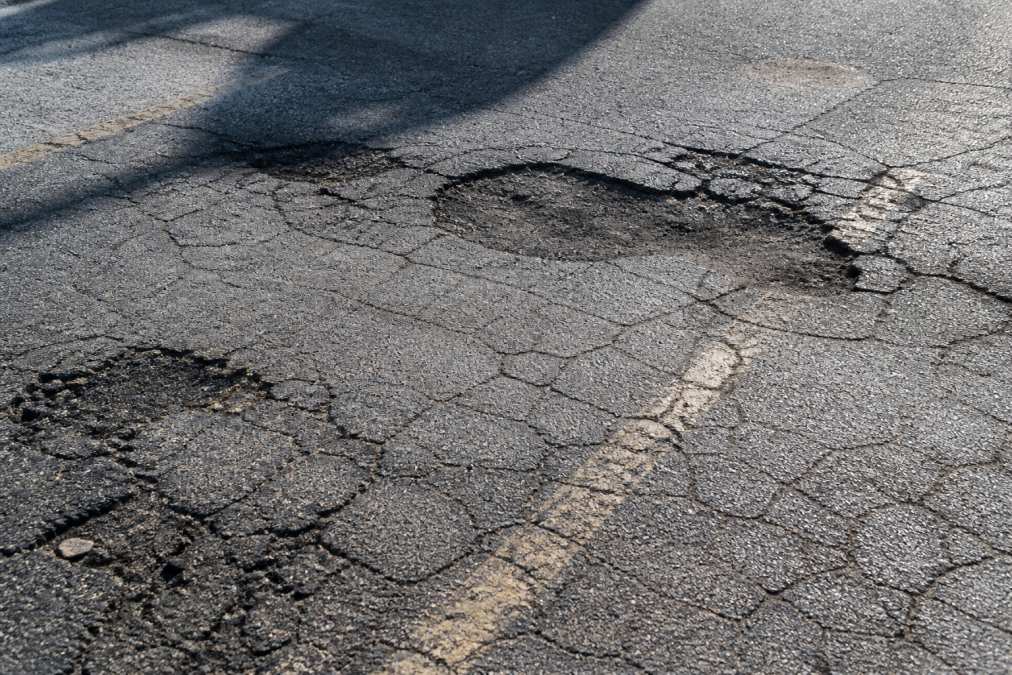
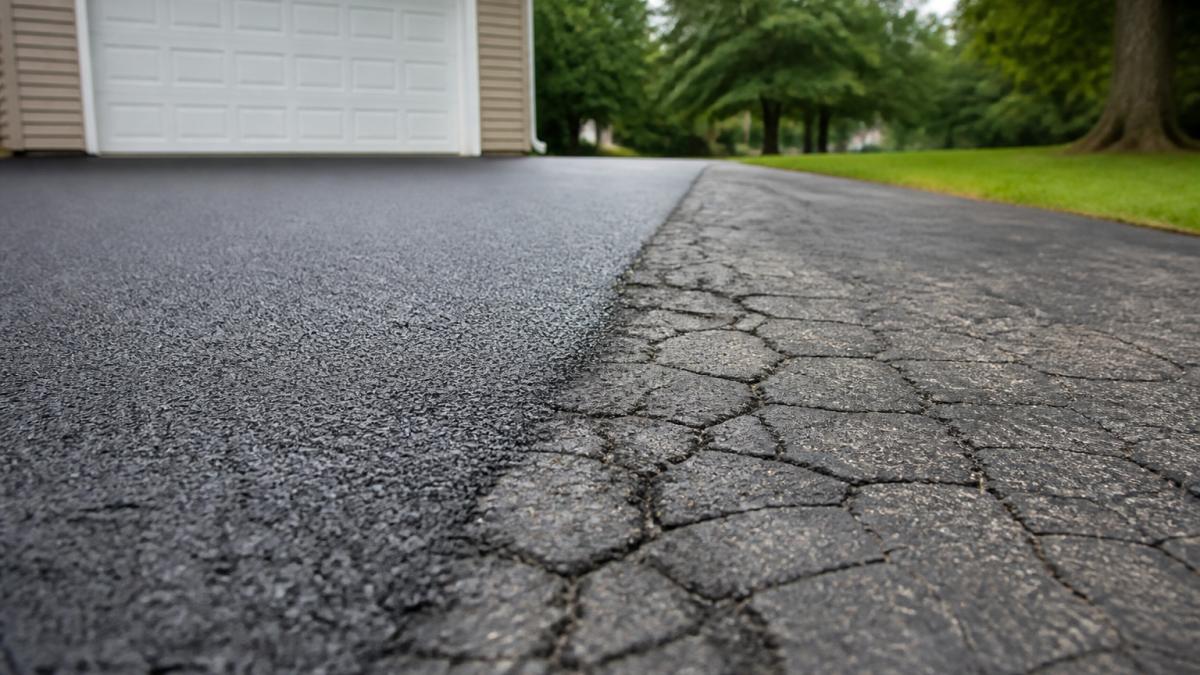
Alligator cracking, a web of interconnected cracks resembling alligator skin, signals structural failure from base or subgrade movement, settling, or failure under load. This requires investigation into root cause, often poor drainage or inadequate compaction.
Potholes expose underlying layers. Multiple potholes across the lot suggest systemic issues. Potholes in the same location repeatedly, even after patching, indicate drainage problems or failed base layer.
Rutting, permanent depressions in wheel paths, indicates traffic loads exceed pavement capacity. The base is compressing under load, suggesting inadequate base material or subgrade settling.
Edge deterioration along lot perimeters, especially near drainage areas, signals water damage. Water infiltrating beneath pavement weakens the base and subgrade.
Fading and oxidation indicate the binder is breaking down. Oxidized asphalt becomes brittle and cracks more easily.
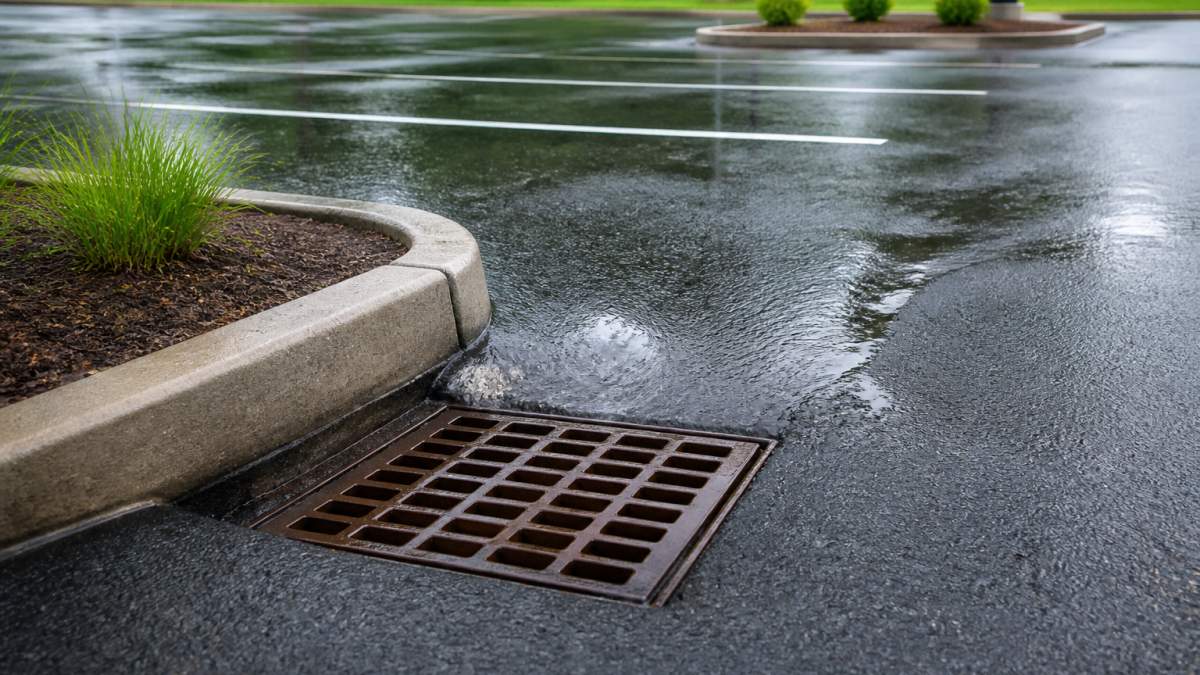
Drainage pooling, water standing after rain, means water isn't draining properly. Standing water accelerates deterioration by keeping the base saturated.
Striping fading is cosmetic but affects curb appeal and safety.
Asphalt Parking Lot Maintenance Schedule to Reduce Future Costs
Preventative maintenance extends pavement life and reduces major repair frequency.
Year 1-2: Sealcoating and crack sealing. After initial weathering, apply protective sealcoat and seal new cracks to prevent water infiltration.
Year 3-5: Annual inspections and spot repairs. Walk the lot after heavy rain to identify drainage issues. Fill new potholes immediately and seal new cracks as they appear.
Year 5-7: Sealcoating refresh. A fresh coat provides another 3-5 years of protection.
Year 7-10: Resurfacing evaluation. Well-maintained lots benefit from resurfacing at year 8-10, extending life another 7-10 years.
Year 15-20: Full repave. Most lots require full repaving after 15-20 years of service.
A lot receiving regular sealcoating and crack sealing costs far less over 20 years than one neglected until major failure forces expensive emergency repairs.
Call now to schedule your free estimate →
The Repair Process: What to Expect from Start to Finish
Understanding the workflow helps property managers plan for disruption and timeline.
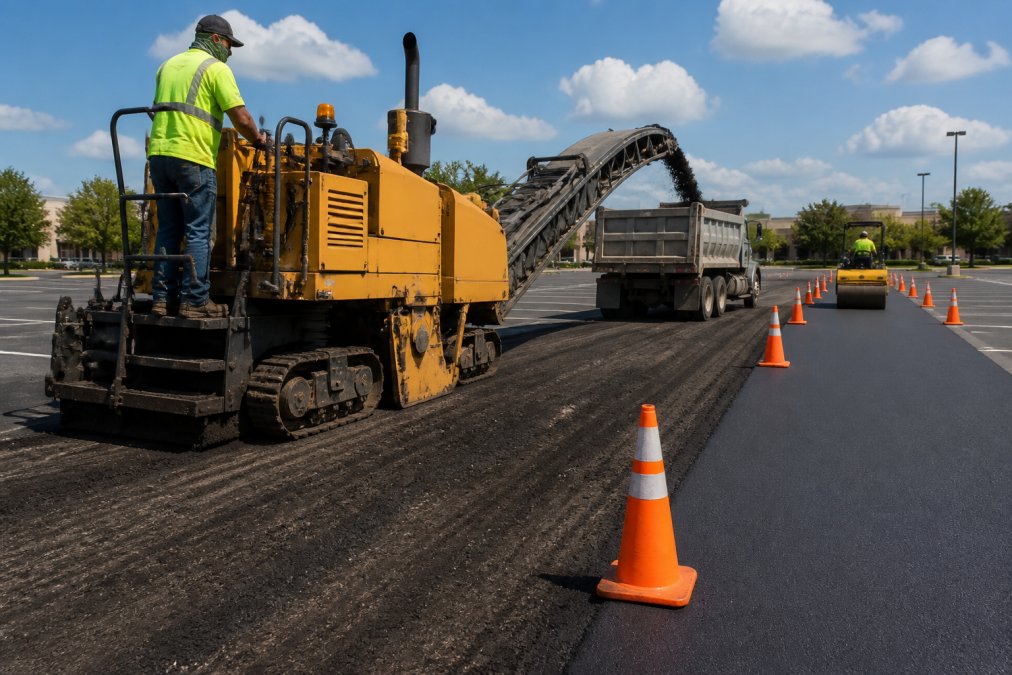
Site assessment and planning. The contractor evaluates lot condition, identifies drainage issues, tests subgrade, and determines repair scope and traffic management needs.
Traffic management setup. Cones, barriers, and signage redirect traffic around work zones.
Surface preparation. For patches, crews clean the damaged area and dry the surface. For resurfacing, the entire surface is milled. For repaving, excavation removes all existing asphalt.
Base repair and compaction. The base layer is inspected, repaired if necessary, and recompacted. Proper compaction is critical to prevent premature failure.
New material application. Hot mix asphalt is delivered and spread at proper temperature (usually 300+ degrees Fahrenheit) to bond correctly.
Compaction of new asphalt. Rollers compact in multiple passes to create density and load-bearing capacity.
Curing and reopening. Asphalt can handle light traffic within hours but reaches full strength within days.
Striping and sealing. New striping is applied after curing. Some contractors apply initial sealcoating immediately; others recommend waiting 30 days.
A pothole patch takes a few hours; a full lot resurfacing takes several weeks depending on size and traffic management.
Environmental Impact and Long-Term ROI of Asphalt Repair
Asphalt repair decisions carry environmental and financial implications extending beyond immediate cost.
Recycled asphalt content. Modern asphalt incorporates recycled asphalt pavement (RAP) from milled old lots, reducing virgin material demand and environmental impact. Contractors can incorporate 15-50% RAP depending on specifications.
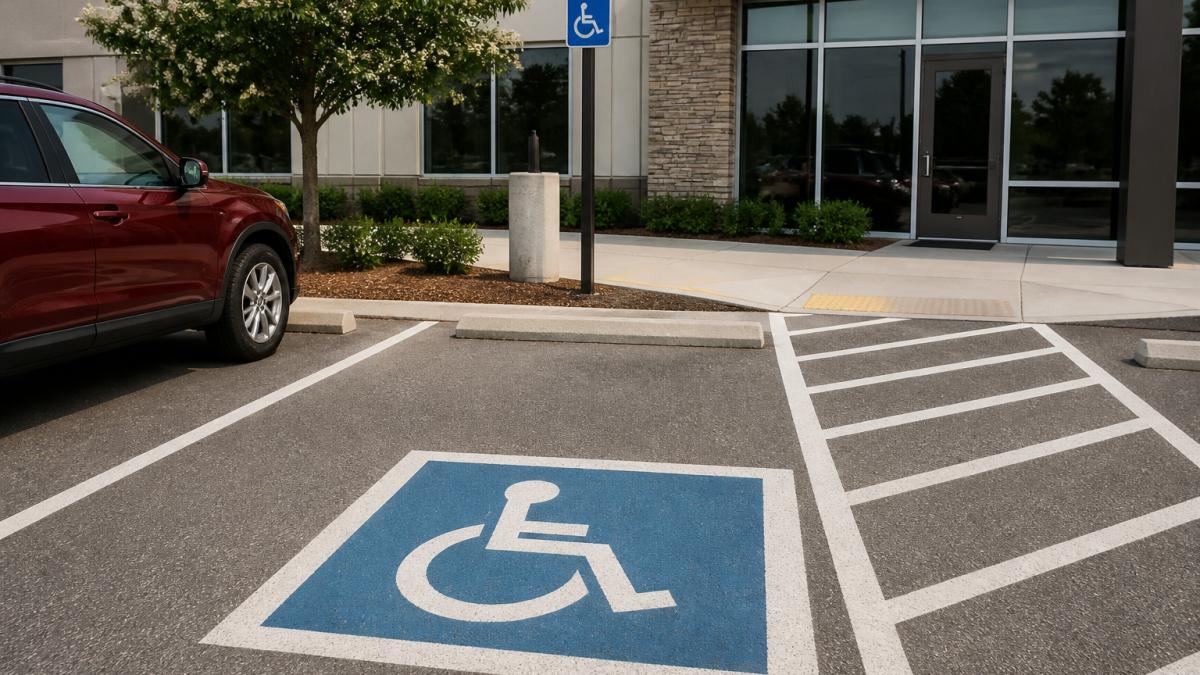
Permitting and municipal compliance. Many jurisdictions require permits for parking lot repairs to ensure work meets local standards for drainage, ADA compliance, and stormwater management.
Long-term cost analysis. A $5,000 patch job that fails within a year costs more than a $50,000 resurfacing lasting 8 years when calculated per year. Resurfacing that lasts 8 years costs less annually than patches applied every 1-2 years.
Liability and safety. Deteriorated parking lots create liability. Potholes damage vehicles and injure pedestrians. Proper maintenance reduces liability exposure.
Property value and tenant satisfaction. Well-maintained parking lots signal property quality and influence leasing rates and tenant retention.
Parking lot deterioration is inevitable, but the rate and severity depend on maintenance decisions. When you notice signs of damage, potholes, cracking, drainage issues, determine whether you need a patch, resurface, or full repave. Getting this decision right saves thousands in unnecessary work or prevents costlier failures from inadequate repairs.
Houston Pavement Repair LLC has helped property managers across the region navigate this decision by providing thorough site evaluations and honest assessments of what each lot actually needs. Rather than upselling unnecessary work, our team identifies the root cause of deterioration and recommends the repair approach that delivers lasting results. Whether your lot needs targeted patching, preventative sealcoating, resurfacing, or full reconstruction, the goal is reliable pavement that performs safely and maintains curb appeal. Contact Houston Pavement Repair LLC today to schedule your free estimate and get a clear picture of your parking lot's condition and repair options.
Frequently Asked Questions
What is the typical cost to repair asphalt parking lot damage?
The cost to repair asphalt parking lot damage varies significantly based on the severity, size, and type of repair needed. Pothole patching typically costs less than resurfacing or full repaving. The condition of the subgrade, base layer, and existing pavement all affect pricing. For an accurate estimate tailored to your property, contact a local contractor who can assess square footage, traffic volume, and drainage issues. Most contractors offer free estimates to help you understand what your specific project requires.
How often should an asphalt parking lot be resealed?
Most asphalt parking lots benefit from sealcoating every 2 to 3 years as part of a preventative maintenance program. Sealcoating protects the surface from oxidation, weathering, and UV damage, extending pavement life significantly. High-traffic areas or lots exposed to harsh weather may need more frequent applications. A professional maintenance schedule tailored to your parking lot's age, traffic volume, and local climate will help you avoid costlier repairs down the road.
What is the difference between asphalt patching and resurfacing?
Asphalt patching repairs specific damaged areas, filling potholes and cracks to restore the surface course. Resurfacing applies a new layer of asphalt over the existing pavement, addressing broader deterioration and extending the pavement's structural integrity without full excavation. Patching is less expensive but temporary if the underlying cause (drainage, subgrade issues) is not fixed. Resurfacing costs more but provides longer-lasting results when the base layer remains sound. A professional inspection determines which approach solves your parking lot's root problems.
How long does an asphalt parking lot last before needing major repair?
A well-maintained asphalt parking lot typically lasts 15 to 20 years before requiring full repaving. Life expectancy depends on traffic volume, climate, drainage quality, and maintenance consistency. Regular sealcoating, crack filling, and pothole repair extend this timeline significantly. Neglected lots deteriorate faster due to oxidation, water infiltration, and load-bearing stress. Implementing a preventative maintenance schedule from the start maximizes your investment and delays expensive repaving projects.
This article was written using GrandRanker