 listicle
Driveway Resurfacing Cost Estimates: 2026 Guide
Table of Contents
- What Affects Driveway Resurfacing Cost Estimates
- Cost to Repave a Driveway Per Square Foot
- Asphalt Driveway Overlay vs. Replacement: When to Choose Each
- How Long Does Asphalt Paving Last After Resurfacing
- Material Cost Breakdown and Labor Rates
- DIY vs. Professional Resurfacing: Cost and Risk Analysis
- Getting an Accurate Project Estimate
- Frequently Asked Questions
Last Updated: August 18, 2026
What Affects Driveway Resurfacing Cost Estimates
Driveway resurfacing cost estimates depend on several interconnected factors: square footage, material type, existing surface condition, labor availability, and permitting requirements. Understanding each element helps you anticipate contractor charges and why estimates vary dramatically.
Square Footage and Material Selection
The size of your driveway is the foundation of every estimate. A 500-square-foot residential driveway costs significantly less than a 2,000-square-foot commercial lot, but per-square-foot rates don't scale linearly. Smaller projects carry higher per-unit costs because contractors must mobilize equipment and crews regardless of size. Larger projects benefit from economies of scale.
Material choice is equally critical. Asphalt overlays are typically less expensive than concrete resurfacing because they require less surface preparation. Concrete resurfacing products like polymer-modified overlays add durability but require meticulous surface preparation, acid etching, cleaning, and sometimes grinding, which increases labor time.
Site Inspection and Surface Preparation
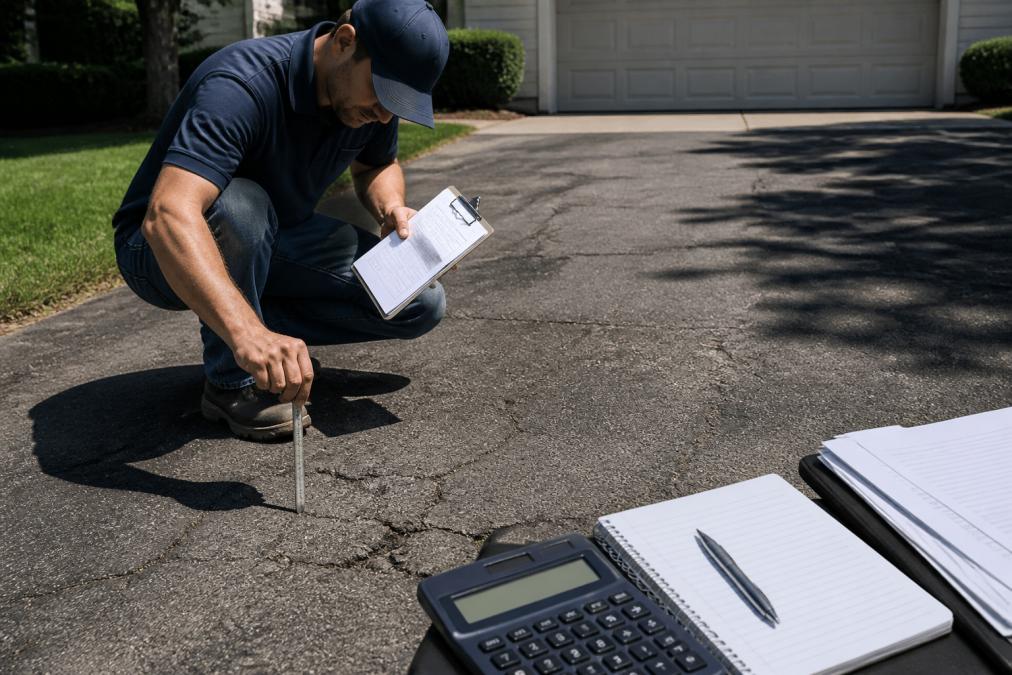
Before providing an accurate estimate, contractors must inspect your driveway in person. This reveals the true condition of your existing surface and what lies beneath. A driveway with minor cracks needs different preparation than one with structural damage, alligator cracking, or drainage problems.
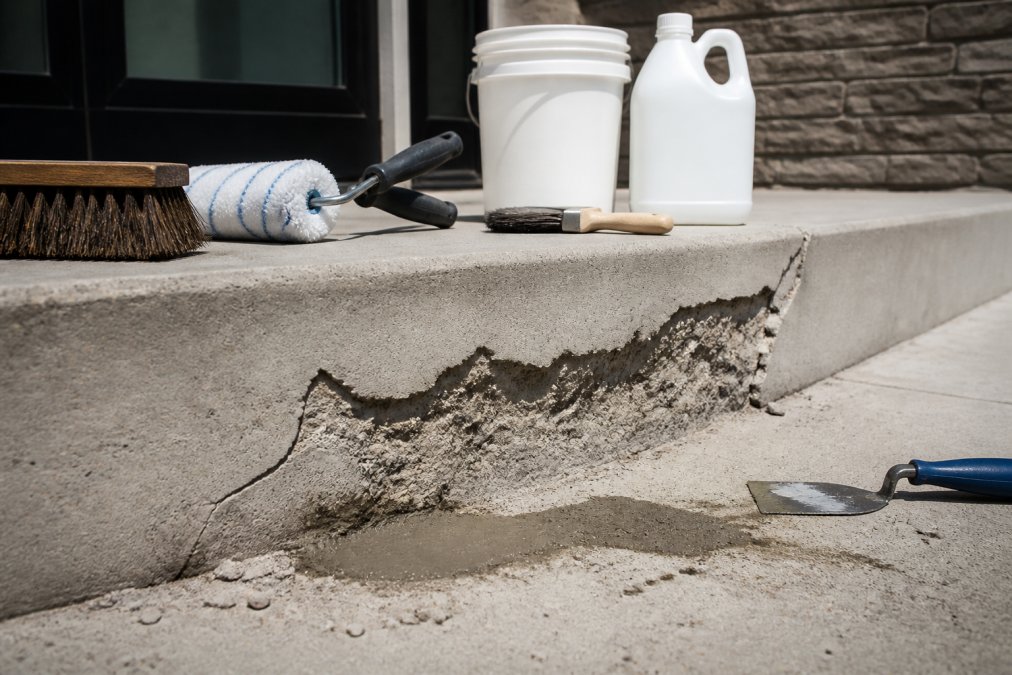
Surface preparation costs vary wildly depending on inspection findings. A driveway requiring simple pressure washing and crack filling is inexpensive to prepare. One with significant potholes, spalling concrete, or water damage may require grinding, patching, or subgrade work before any new surface can be applied.
Regional Labor Rates and Permitting
Labor rates in major metropolitan areas typically run 20-40% higher than rural regions. Your location also affects material availability and transportation costs. Some municipalities require permits for driveway resurfacing, particularly if the work involves drainage changes or HOA compliance. Permits add time and cost. Check with your local building department or HOA before requesting estimates to prevent sticker shock.
Cost to Repave a Driveway Per Square Foot
Per-square-foot pricing helps you benchmark estimates, but it doesn't account for site-specific challenges, mobilization costs, or the difference between straightforward resurfacing and complex repair work.
Asphalt Resurfacing Pricing
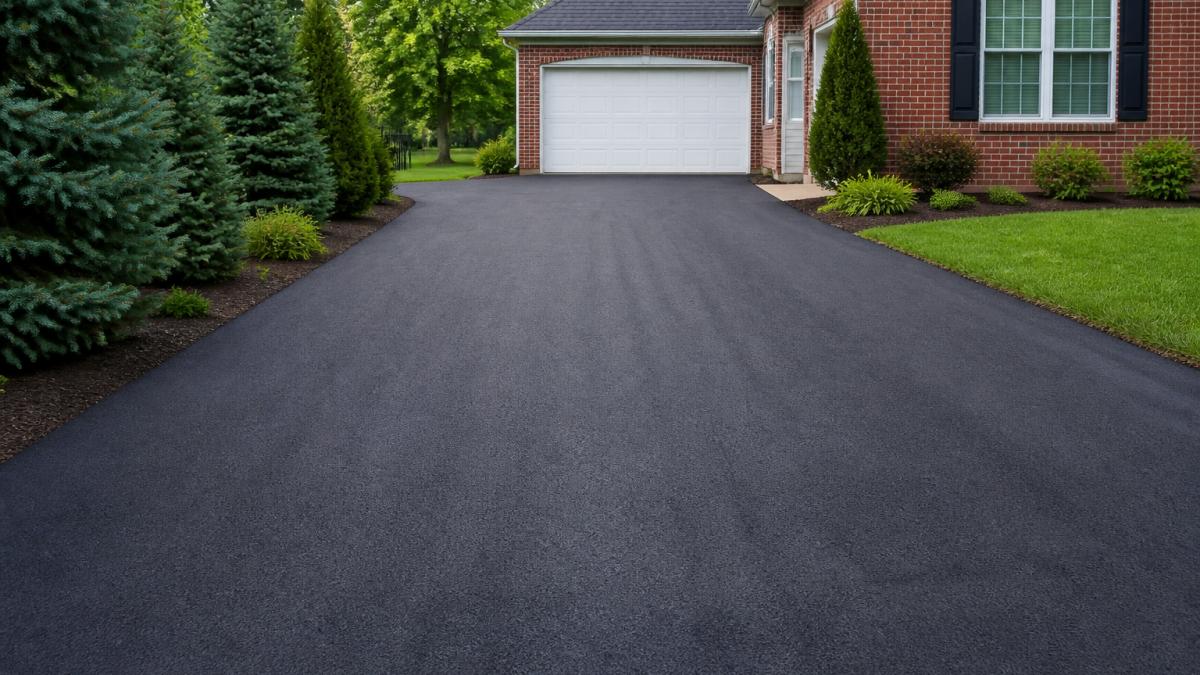
Asphalt overlays, applying a fresh layer over existing asphalt, are the most common resurfacing approach. Per-square-foot cost varies based on overlay thickness, local material costs, and labor availability. A thin overlay (1-1.5 inches) costs less than a thicker one (2-3 inches), but thinner overlays may not address underlying structural issues and won't last as long.
Asphalt overlay success depends entirely on the existing base layer. If the subgrade has settled, the base course is failing, or drainage is poor, a new asphalt layer will crack and deteriorate quickly. This is why contractors always recommend a site inspection first.
Concrete Resurfacing and Overlay Options
Concrete resurfacing uses polymer-modified overlays, self-leveling coatings, or decorative systems to refresh worn concrete driveways. Per-square-foot cost is typically higher than asphalt overlay because surface preparation is more demanding and materials cost more.
Concrete overlay systems require acid etching to open the concrete's pores for proper adhesion. Once prepared, the overlay is applied as a thin topping (1/4 to 1/2 inch) or thicker system (up to 1 inch). Thicker overlays provide more durability but cost more. Final cost also reflects whether you choose a standard broom finish, decorative aggregate finish, or colored system.
Asphalt Driveway Overlay vs. Replacement: When to Choose Each
The decision between resurfacing and full replacement is where cost analysis meets structural reality. Choosing correctly saves thousands of dollars or prevents a failed project requiring replacement within a few years.
Signs Your Driveway Needs Full Replacement
Full replacement becomes necessary when structural damage is too severe for resurfacing. Alligator cracking (interconnected cracks forming a pattern), significant potholes, or areas where the surface has separated from the base indicate that the base layer or subgrade has failed. An overlay will fail over a failing foundation.
Drainage issues are another red flag. If your driveway floods, holds standing water, or has become a low spot, resurfacing won't fix it. Full replacement allows you to regrade the subgrade and improve drainage. Severe structural damage, crumbling edges, upheaval from tree roots, or settlement also point to replacement.
When an Overlay Makes Financial Sense
An overlay is the right choice when the existing base layer is sound, surface damage is primarily cosmetic or wear-related, and drainage functions properly. If your driveway has surface cracks, minor potholes, or fading but no structural movement, resurfacing will extend its life significantly at a fraction of replacement cost.
Overlays also make sense when managing a tight budget or timeline. Resurfacing typically takes 1-3 days, while full replacement takes a week or more. The trade-off is lifespan: a well-executed overlay typically lasts 10-15 years, while full replacement can last 20-30 years.
How Long Does Asphalt Paving Last After Resurfacing
The answer depends on material quality, installation workmanship, climate, and maintenance. Realistic expectations matter before you commit.
Driveway Lifespan and Maintenance Schedule
A properly executed asphalt overlay typically lasts 10-15 years in moderate climates. In regions with freeze-thaw cycles, heavy rain, or extreme heat, expect 8-12 years. The first 3-5 years are usually problem-free if installation was correct. After that, the surface begins to oxidize, and small cracks may develop.
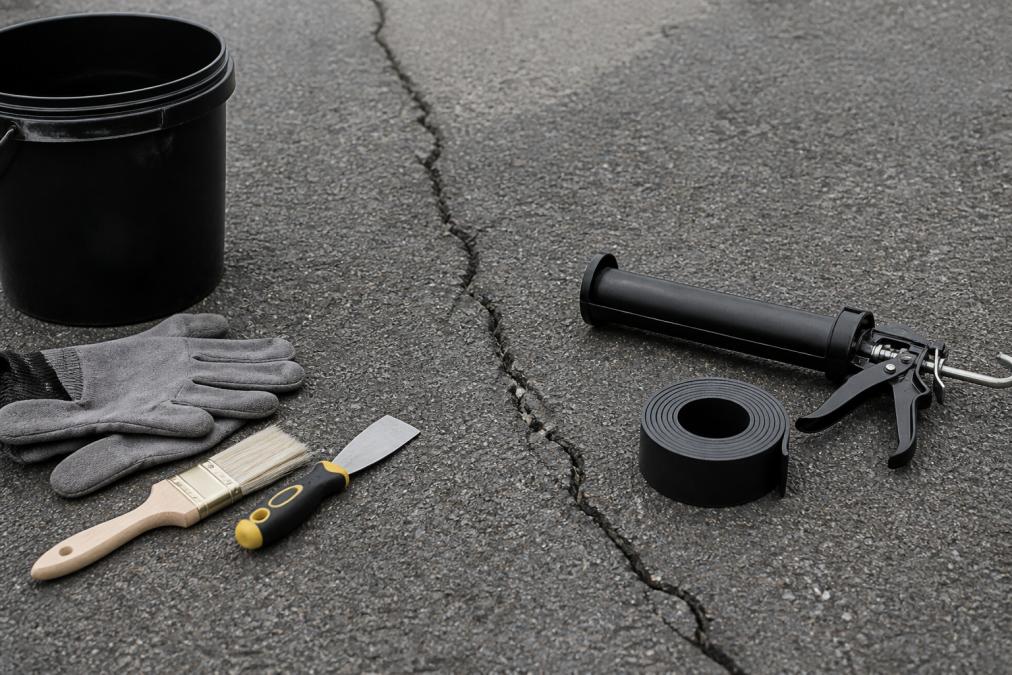
Maintenance extends lifespan significantly. Sealcoating every 2-3 years protects asphalt from UV damage and water infiltration. Filling cracks promptly prevents them from expanding into potholes. A driveway receiving regular sealcoating and crack maintenance can reach 15-18 years, while a neglected one may fail in 8-10 years.
Concrete resurfacing systems last longer, typically 15-20 years, because concrete is more durable than asphalt. However, concrete overlays require proper curing and can be sensitive to freeze-thaw damage if not sealed properly.
Material Cost Breakdown and Labor Rates
Breaking down where your money goes helps you understand contractor estimates and identify where costs can be reduced without sacrificing quality.
Call now to schedule your free estimate →
Bitumen, Aggregate, and Base Layer Costs
For asphalt resurfacing, material costs include bitumen (the binder), aggregate (stone), and additives for durability. Bitumen prices fluctuate with crude oil markets, so asphalt costs vary seasonally. Aggregate costs depend on local availability. A contractor using recycled asphalt pavement may offer lower material costs, though durability differs from virgin asphalt.
Base layer materials, gravel, crushed stone, or recycled asphalt base, are necessary if the existing base needs repair or replacement. These materials are less expensive than wearing course asphalt but essential for proper drainage and structural support. Skimping on base layer materials is false economy; a weak base will cause the overlay to fail prematurely.
Labor vs. Material Cost Ratios
For most asphalt resurfacing projects, labor and materials split roughly 50-50, though this varies by project complexity. A straightforward overlay on a well-prepared surface might be 60% material, 40% labor. A project requiring extensive surface preparation or base repairs could be 40% material, 60% labor.
Concrete resurfacing typically skews more heavily toward labor because surface preparation is intensive. A concrete overlay project might be 40% material, 60% labor, reflecting the time required for acid etching, cleaning, priming, and careful application.
DIY vs. Professional Resurfacing: Cost and Risk Analysis
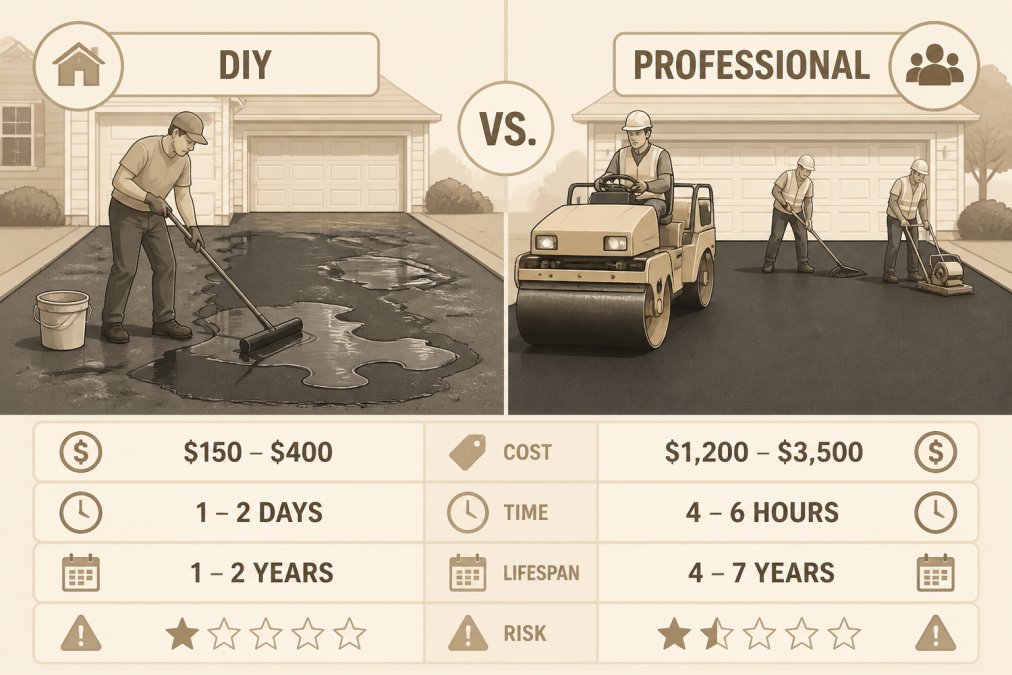
The appeal of DIY driveway resurfacing is obvious: avoid contractor markup and save thousands. The reality is more complicated, and risks often outweigh savings.
When DIY Products Make Sense
DIY products from manufacturers like QUIKRETE, Black Jack, and SAKRETE are designed for homeowners and can be appropriate for specific, limited repairs. A small concrete patch, crack filler, or sealcoat application on a small driveway section is reasonable for a capable DIYer. A DIY concrete resurfacer from QUIKRETE Re-Cap can work for patching a 50-100 square foot damaged area. A rubberized driveway sealer like Black Jack Drive-Maxx 1000 can refresh asphalt appearance if applied carefully.
Attempting a full-driveway overlay as DIY is where problems compound. The tools required, power washers, compaction equipment, paving rollers, are expensive to rent. The skill required to achieve proper thickness, compaction, and slope is substantial.
Why Professional Installation Prevents Costly Mistakes
Professional contractors have invested in equipment, training, and experience that DIYers cannot replicate. They understand how to assess base layer condition, identify drainage problems, and determine whether resurfacing will work. They have machinery to achieve proper compaction and surface slope.
The most common DIY mistakes are uneven thickness, inadequate compaction, poor drainage slope, and surface preparation shortcuts. These errors result in a driveway that looks acceptable initially but fails within 2-5 years. A professional job done right the first time is cheaper over the driveway's lifespan.
Houston Pavement Repair LLC offers a free site inspection and estimate, which removes guesswork about whether your driveway can be resurfaced or needs replacement. This consultation is valuable even if you're considering DIY.
Getting an Accurate Project Estimate
A reliable estimate requires a detailed site inspection and clear communication about what's included. Understanding what contractors evaluate during inspection helps you ask better questions and compare estimates fairly.
What to Expect During a Site Inspection
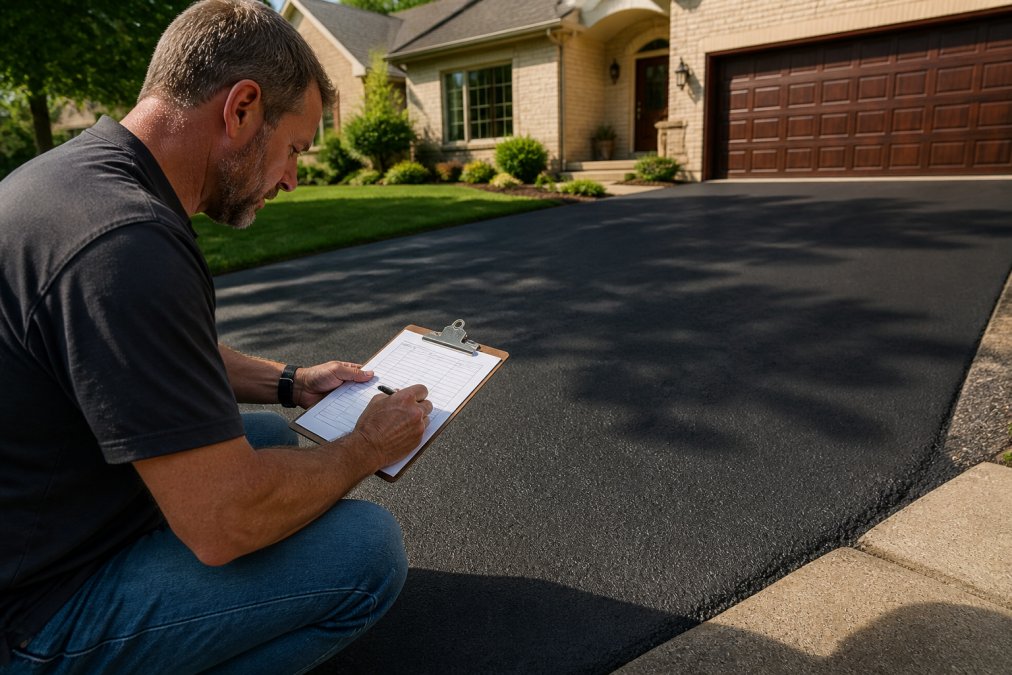
A professional site inspection takes 15-30 minutes and covers several critical areas. The contractor measures square footage, examines the existing surface for cracks and potholes, and assesses the base layer by probing or observing drainage patterns. They check for settlement, upheaval, or areas where the surface is separating from the base. They evaluate drainage to determine whether water flows away or pools.
A thorough inspector discusses your expectations, timeline, and budget. They explain findings, what it means for your driveway's condition, and what options are available. They ask about HOA requirements, permitting needs, and material preferences. Red flags include a contractor who doesn't measure, gives estimates over the phone without visiting, or doesn't explain findings.
Warranty Coverage and Seasonal Pricing Timing
Warranty coverage varies significantly among contractors. A reputable contractor stands behind their work with a warranty covering material defects and workmanship for 1-5 years. The warranty should clearly state what's covered and what's excluded.
Seasonal timing affects pricing. Summer is peak season with premium rates. Spring and fall offer moderate pricing. Winter in cold climates is off-season with potential discounts of 10-20%. Material costs also fluctuate seasonally. A contractor who discusses seasonal timing and can adjust their schedule is worth considering.
Choosing between resurfacing and replacement, understanding what drives costs, and knowing when to hire a professional requires honest assessment of your driveway's condition and your capabilities. A site inspection from a qualified contractor provides clarity that no online calculator can match. Houston Pavement Repair LLC offers a free estimate including a detailed assessment of your driveway's condition, clear explanation of what's required, and transparent pricing. Contact them today to schedule your inspection and understand exactly what your driveway needs, whether that's a cost-effective overlay or full replacement that addresses underlying structural issues.
Frequently Asked Questions
What is the average cost per square foot for driveway resurfacing?
Driveway resurfacing costs vary based on material and local labor rates. Asphalt overlays typically range from $2 to $4 per square foot, while concrete resurfacing runs higher. Your actual cost depends on surface preparation requirements, base layer integrity, and whether drainage issues need addressing. Contact a local paving contractor for a site-specific estimate tailored to your property's condition.
Is it cheaper to resurface or replace an asphalt driveway?
Resurfacing is generally more affordable upfront than full replacement. An overlay addresses surface cracks and potholes without removing the subgrade, saving 30-50% compared to complete repaving. However, if structural damage affects the base layer or subgrade, replacement becomes necessary for long-term durability. A professional inspection determines which option prevents future cracking and extends your driveway lifespan effectively.
How long does an asphalt driveway overlay typically last?
A properly installed asphalt overlay lasts 8-15 years with regular maintenance. Lifespan depends on climate, traffic volume, and sealcoating frequency. In areas with freeze-thaw cycles or heavy rainfall causing drainage issues, overlays may deteriorate faster. A maintenance schedule including sealcoating every 2-3 years maximizes the resurfaced driveway's durability and protects your investment.
What factors influence the total cost of a driveway resurfacing project?
Key cost drivers include square footage, material choice (asphalt vs. concrete), surface preparation complexity, base layer condition, sub-base compaction needs, local labor rates, permitting requirements, and seasonal timing. Sites with drainage problems or significant structural damage require additional prep work, increasing costs. Heavy machinery rental and disposal of old material also affect the final project estimate.
This article was written using GrandRanker