 ultimate-guide
Driveway Resurfacing Cost: Complete 2026 Guide
Table of Contents
- What Driveway Resurfacing Costs
- Factors Influencing Driveway Resurfacing Cost
- Concrete Driveway Repair vs Resurfacing
- Material Comparison: Concrete, Asphalt, and Pavers
- Cost Breakdown: Labor, Materials, and Additional Fees
- Driveway Replacement Cost vs Resurfacing
- Signs You Need Driveway Resurfacing
- Frequently Asked Questions
Last Updated: August 25, 2026
What Driveway Resurfacing Costs
The cost of driveway resurfacing in Houston varies significantly depending on the scope of work, materials chosen, and site conditions. Most homeowners and property managers find themselves weighing whether to repair problem areas or commit to a full resurfacing project. Understanding what drives these costs helps you make an informed decision about your property's pavement needs.
Driveway resurfacing cost depends on several interconnected factors: the total square footage of the surface, the condition of the existing sub-base, drainage requirements specific to your location, and the finish material you select. A typical residential driveway resurfacing project involves removing the top layer of damaged pavement, preparing the sub-base, and applying a new wearing surface. The process is more involved than a simple patch repair, but it addresses root causes rather than temporary fixes.
At Houston Pavement Repair LLC, we've seen countless situations where homeowners tried repeated repairs only to face the same problems months later. The real issue wasn't the patch material, it was that the underlying foundation wasn't addressed. Proper resurfacing tackles both the visible damage and the conditions that caused it.
Factors Influencing Driveway Resurfacing Cost
Square Footage and Site Preparation
The square footage of your driveway is the primary cost driver. Larger surfaces require more material and labor, but the per-square-foot cost often decreases with scale. A 500-square-foot driveway costs more per unit area than a 1,500-square-foot lot because fixed costs (equipment setup, mobilization, inspection) get distributed across more material.
Site preparation significantly impacts the final cost of driveway resurfacing. Before any new surface goes down, the existing pavement must be evaluated. If the current surface is relatively intact but worn, removal and hauling fees are straightforward. However, if the sub-base has shifted, settled unevenly, or shows signs of poor compaction, additional grading and stabilization work becomes necessary. This preparation phase is where many contractors cut corners, and where problems resurface within a few years.
The condition of your soil matters more in Houston than in many other regions. Expansive clay soils, common throughout the area, shift with moisture changes. This movement stresses pavement and causes cracking and heaving. Proper site preparation includes assessing soil conditions and, when necessary, adding stabilization measures or adjusting the sub-base thickness to account for local soil behavior.
Material Selection and Finish Options
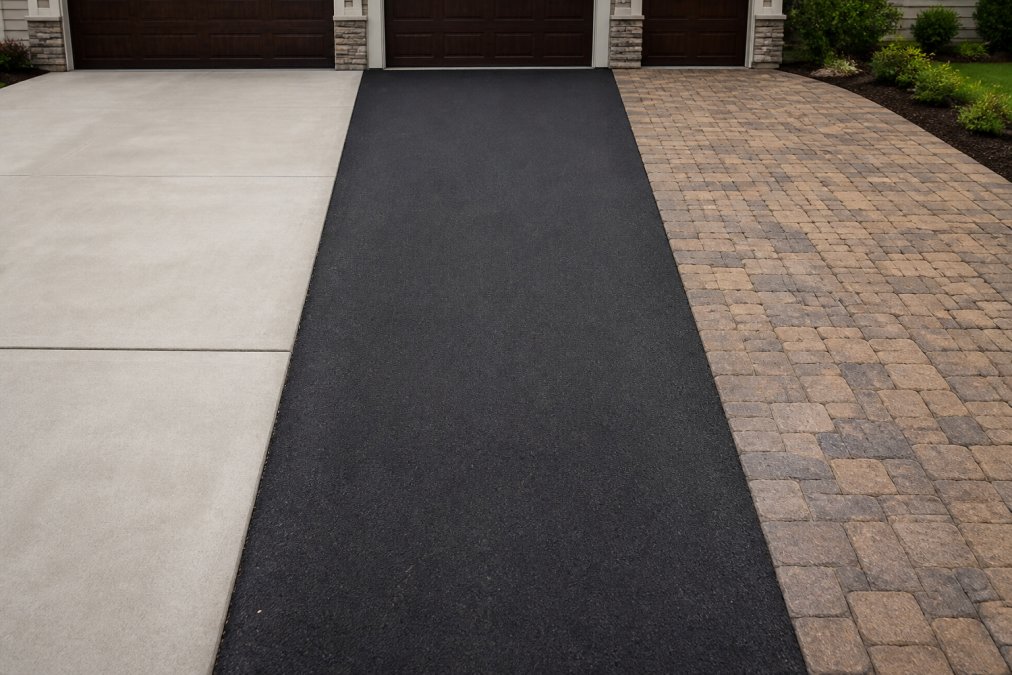
Your choice of resurfacing material directly affects both immediate cost and long-term durability. Concrete resurfacing, asphalt overlay, and permeable paving options each come with different price points and performance characteristics. The material you select should match your budget, climate tolerance, and maintenance preferences.
Finish options within each material category add another layer of cost variation. A basic broom-finish concrete surface costs less than stamped or decorative concrete. Asphalt can be standard hot mix or a premium rubberized variant. Pavers offer numerous aesthetic choices that influence material expenses. These finishes don't just affect appearance, they influence durability, slip resistance, and maintenance requirements over the pavement's lifespan.
Drainage and Soil Composition
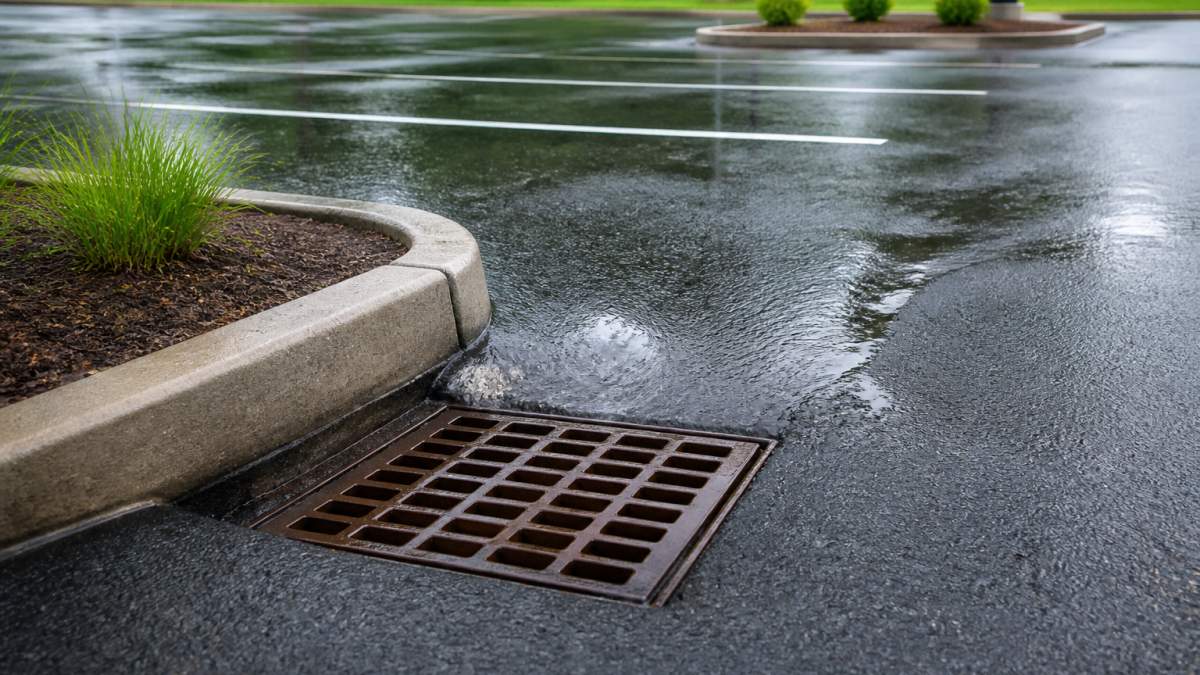
Houston's climate brings heavy rainfall, and drainage is critical to driveway longevity. Poor drainage causes water to pool on the surface, accelerate deterioration, and create structural failures. During site preparation, contractors evaluate the slope and grade of your driveway. If the existing slope is inadequate, correcting it adds cost but prevents future water damage.
Soil composition in Houston often includes clay with high expansion potential. This soil swells when wet and shrinks when dry, creating movement that stresses the pavement above it. Some resurfacing projects require improved sub-base preparation or the addition of compacted aggregate layers to buffer against soil movement. These measures cost more upfront but reduce the risk of premature failure and the need for repairs within a few years.
Concrete Driveway Repair vs Resurfacing
When Repair Is Sufficient
Not every damaged driveway needs full resurfacing. Isolated cracks, small spalls, or localized potholes can often be repaired cost-effectively. If damage is confined to one or two areas and the surrounding pavement is structurally sound, targeted repair makes sense financially.
The key question is whether the damage stems from localized wear or a systemic problem. A single pothole caused by impact damage is a repair candidate. Multiple cracks spreading across the surface, or cracking that recurs in the same locations after previous repairs, signals a deeper issue. Repeated repairs in the same spots indicate that the underlying cause, poor compaction, soil movement, or inadequate drainage, hasn't been addressed.
When Resurfacing Makes Sense
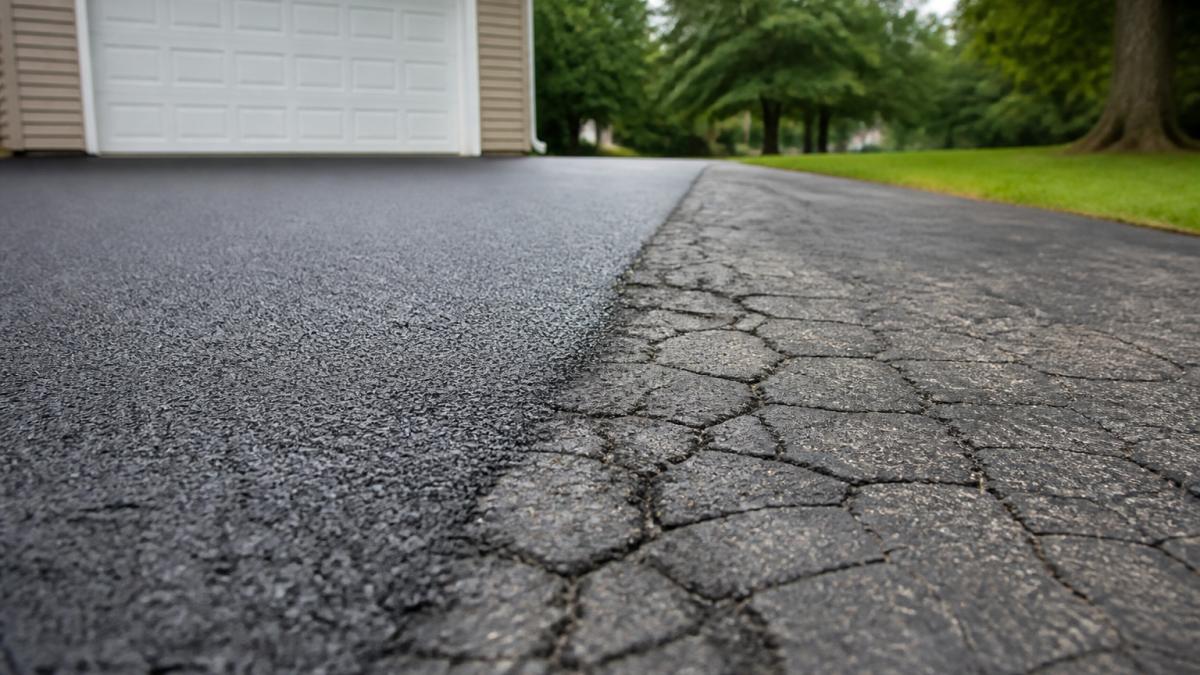
Resurfacing becomes the better choice when damage is widespread, recurring, or affecting more than 30% of the driveway surface. If you've had repairs done in the past two years and new damage is appearing, resurfacing addresses the root problem instead of managing symptoms.
Resurfacing also makes sense when the existing pavement has reached the end of its practical lifespan. Concrete typically lasts 25-30 years; asphalt, 15-20 years (fhwa.dot.gov). If your driveway is approaching these ages and showing multiple signs of wear, cracking, spalling, surface deterioration, drainage problems, resurfacing extends the life of your investment and prevents more expensive replacement later.
Material Comparison: Concrete, Asphalt, and Pavers
Concrete Resurfacing
Concrete resurfacing involves applying a new concrete layer over the existing surface. This approach works well when the sub-base is stable and the existing concrete, despite surface damage, provides a solid foundation. The concrete overlay bonds to the old surface after proper preparation.
Concrete offers durability and low maintenance compared to asphalt. Once cured, it resists weathering and requires no seal coating. The curing time for concrete typically extends 7-14 days before the surface is fully load-bearing, which may affect your driveway access during the project (cement.org). Concrete also expands and contracts with temperature changes, so proper joint placement is essential to prevent new cracks from forming.
Asphalt Paving Lifespan and Cost
Asphalt resurfacing, also called an overlay, applies new asphalt over the existing surface. This approach is faster and less expensive than concrete in most cases. The new asphalt bonds to the old surface if the base is properly prepared and tacked.
Asphalt typically lasts 15-20 years before requiring resurfacing, though this varies based on climate, traffic, and maintenance (asphaltpavement.org). In Houston's heat, asphalt can soften during summer months if not properly formulated. Regular seal coating, every 2-3 years, extends asphalt lifespan by protecting against UV damage and water infiltration. Asphalt is also recyclable, which appeals to environmentally conscious property owners.
Permeable and Eco-Friendly Options
Permeable pavers and porous asphalt are gaining traction as sustainable alternatives. Permeable pavers allow water to drain through the surface, reducing runoff and supporting local stormwater management goals. Porous asphalt functions similarly, with open-graded material that lets water permeate through to the sub-base.
These options typically cost more than standard resurfacing but offer environmental benefits and can reduce stormwater fees in some jurisdictions. Permeable surfaces also stay cooler than traditional asphalt, reducing heat island effects around your property. However, they require more careful maintenance to prevent clogging of the porous structure.
Call now to schedule your free estimate →
Cost Breakdown: Labor, Materials, and Additional Fees
Material Costs and Markup
Material costs form a substantial portion of resurfacing expenses. Concrete, asphalt, and pavers each have base material costs that vary with market conditions and supply. Contractors typically apply a markup to material costs to cover waste, handling, and profit margin.
The markup on materials is standard across the industry and reflects the contractor's overhead and expertise. When comparing quotes, understand that the lowest material price doesn't always indicate the best value, material quality, sourcing reliability, and the contractor's ability to manage supply chains all factor into the final outcome.
Labor and Contractor Estimates
Labor represents the other major cost component. Skilled crews, equipment operation, site management, and project oversight all contribute to labor costs. The cost of driveway resurfacing in Houston is influenced by local labor rates, crew experience, and project complexity.
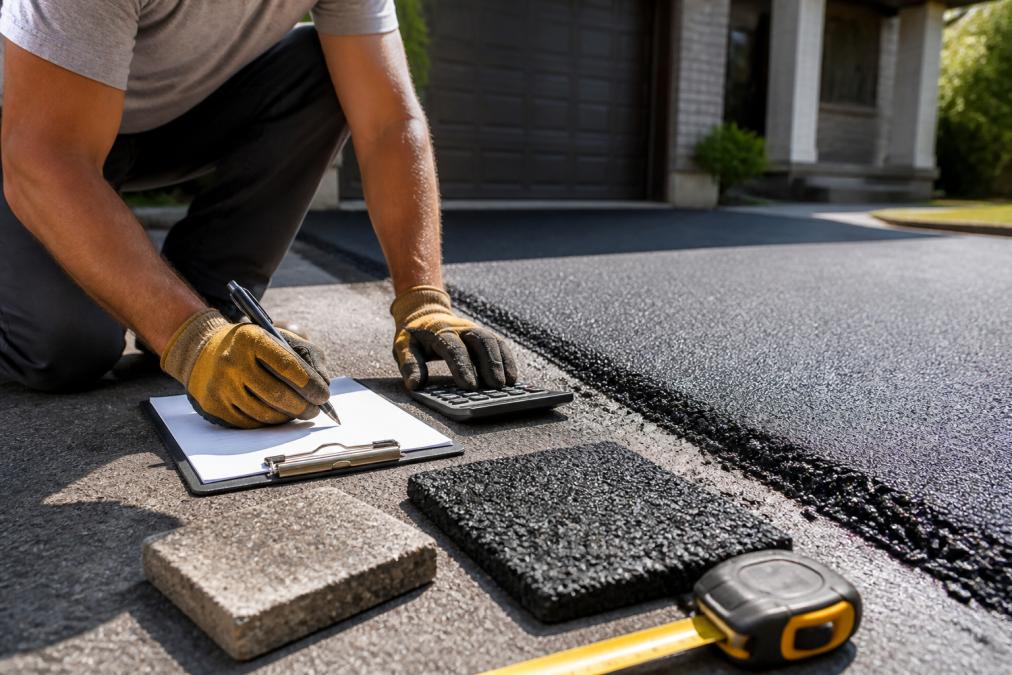
When requesting estimates, ask contractors to break down labor separately from materials. This transparency helps you understand where your money is going and compare quotes more accurately. Experienced contractors can often complete projects more efficiently, which can offset higher hourly rates through faster completion.
Permits, Demolition, and Hauling
Permits are often required for driveway resurfacing, depending on your municipality and the scope of work. Permit costs vary but are typically modest. However, failing to obtain required permits can result in fines or orders to redo work, so this is never a cost to skip.
Demolition and hauling of old pavement adds to the total project cost. If the existing driveway must be removed entirely (rather than overlaid), demolition equipment and disposal fees apply. Hauling costs depend on the volume of material and local disposal facility fees. Some contractors recycle old asphalt, which can offset hauling costs.
Driveway Replacement Cost vs Resurfacing
Full replacement involves removing the entire driveway, top layer, base, and sub-base, and rebuilding from the ground up. This is significantly more expensive than resurfacing but becomes necessary when the sub-base has failed, soil conditions have severely shifted, or the existing structure cannot support new pavement.
Replacement is warranted when the driveway shows signs of base failure: severe heaving, large sections settling, or water pooling that indicates structural compromise. In these cases, resurfacing over a failed base is a temporary fix that will fail again. Replacement addresses the underlying problem and provides a long-term solution.
The decision between resurfacing and replacement often hinges on the condition of the sub-base. A thorough site evaluation by a qualified contractor can determine whether the existing base is salvageable or if replacement is necessary. This evaluation is essential before committing to either approach.
Signs You Need Driveway Resurfacing
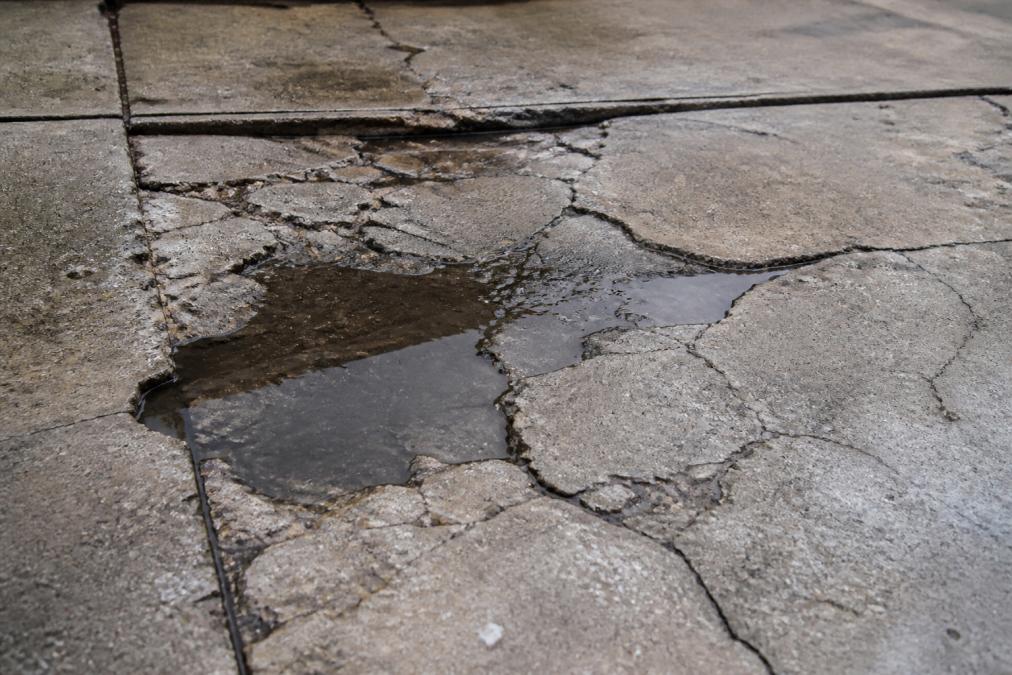
Several warning signs indicate that resurfacing is overdue. Widespread cracking, especially interconnected or web-like patterns, signals that the surface is breaking down. Spalling, where concrete flakes or chunks separate from the surface, shows that freeze-thaw cycles or water infiltration has compromised the material.
Potholes and surface deterioration are obvious indicators. If water pools on your driveway during or after rain, drainage is inadequate and water damage is accelerating. Uneven sections or heaving, where parts of the surface have shifted upward, point to sub-base movement or soil expansion. These conditions worsen over time and compound the eventual repair cost.
If you've had multiple repairs in the same locations over the past two years, resurfacing is likely more cost-effective than continued patching. The recurring damage indicates an underlying cause that repair alone cannot fix.
Driveway damage that goes unaddressed accelerates deterioration and eventually forces expensive replacement. Houston Pavement Repair LLC specializes in evaluating driveway conditions, identifying root causes, and recommending resurfacing solutions that address both immediate damage and underlying issues. Our team provides transparent cost breakdowns and free estimates so you understand exactly what's needed and why. Contact Houston Pavement Repair LLC today to schedule your evaluation and learn how proper resurfacing can protect your property investment.
Frequently Asked Questions
Is resurfacing a driveway worth it compared to full replacement?
Resurfacing costs significantly less than replacement and works well when the underlying concrete slab or base is structurally sound. If your driveway has minor cracking, surface spalling, or wear but the foundation is intact, resurfacing extends its life. Full replacement becomes necessary when the sub-base has failed, causing widespread cracking, severe settling, or persistent drainage problems. A professional inspection reveals which approach solves the root problem.
What is the typical cost per square foot for driveway resurfacing?
Pricing depends on material choice, site preparation, local labor rates, and whether drainage work is needed. Get a contractor estimate for your specific square footage and condition, as soil composition and existing damage affect the final price. Request a detailed breakdown of material, labor, and additional fees.
How long does a resurfaced driveway typically last?
The lifespan of a resurfaced driveway depends on installation quality, drainage effectiveness, and how well you maintain the surface with sealant applications and regular cleaning.
What factors influence the total cost of driveway resurfacing?
Square footage is the primary driver, but costs also depend on material type, site preparation complexity, existing damage severity, drainage requirements, soil conditions, and local permitting. If your driveway has poor drainage or unstable soil beneath it, additional sub-base work increases cost. Removal and hauling of old material, reinforcement (wire mesh or rebar), and finish options also affect the total. Request an itemized estimate to understand each cost component.
When should you choose repair over total driveway replacement?
Choose repair when damage is localized to small areas (potholes, minor cracking, spalling) and the underlying concrete slab is sound. Patching and sealant application address surface-level wear cost-effectively. Choose replacement when cracking is widespread, the base is failing, drainage is chronically poor, or settling is severe. A professional assessment determines whether the foundation can support resurfacing or requires full removal and new installation.
How much does it cost to resurface a standard 2-car driveway?
A typical 2-car driveway is roughly 400-600 square feet. Total cost depends on material selection and site conditions. Additional expenses include site preparation, drainage work if needed, permits, and demolition hauling. Contact a local contractor for a free estimate tailored to your driveway's condition and your preferred material.
What is the difference between concrete driveway repair and resurfacing?
Repair addresses isolated damage: filling potholes, patching cracks, and applying sealant to prevent further deterioration. Resurfacing removes the top layer and applies a new surface across the entire driveway, restoring appearance and function. Repair is temporary and less expensive. Resurfacing provides longer-term protection and works when the sub-base is still structurally solid.
This article was written using GrandRanker