 ultimate-guide
How Long Does Asphalt Paving Last?
Table of Contents
- Average Lifespan of Asphalt Paving
- Factors That Determine How Long Asphalt Paving Lasts
- Asphalt vs Concrete Lifespan: Which Lasts Longer?
- Signs of Asphalt Failure You Should Not Ignore
- Benefits of Sealcoating Asphalt to Extend Pavement Life
- Asphalt Driveway Maintenance Tips That Actually Work
- Environmental Impact and Material Quality Considerations
- Frequently Asked Questions
Last Updated: August 14, 2026
Average Lifespan of Asphalt Paving
A properly installed asphalt pavement typically lasts between 20 and 30 years under normal residential conditions. Commercial applications endure heavier traffic loads and often see a functional lifespan closer to 15 to 25 years before major resurfacing becomes necessary.
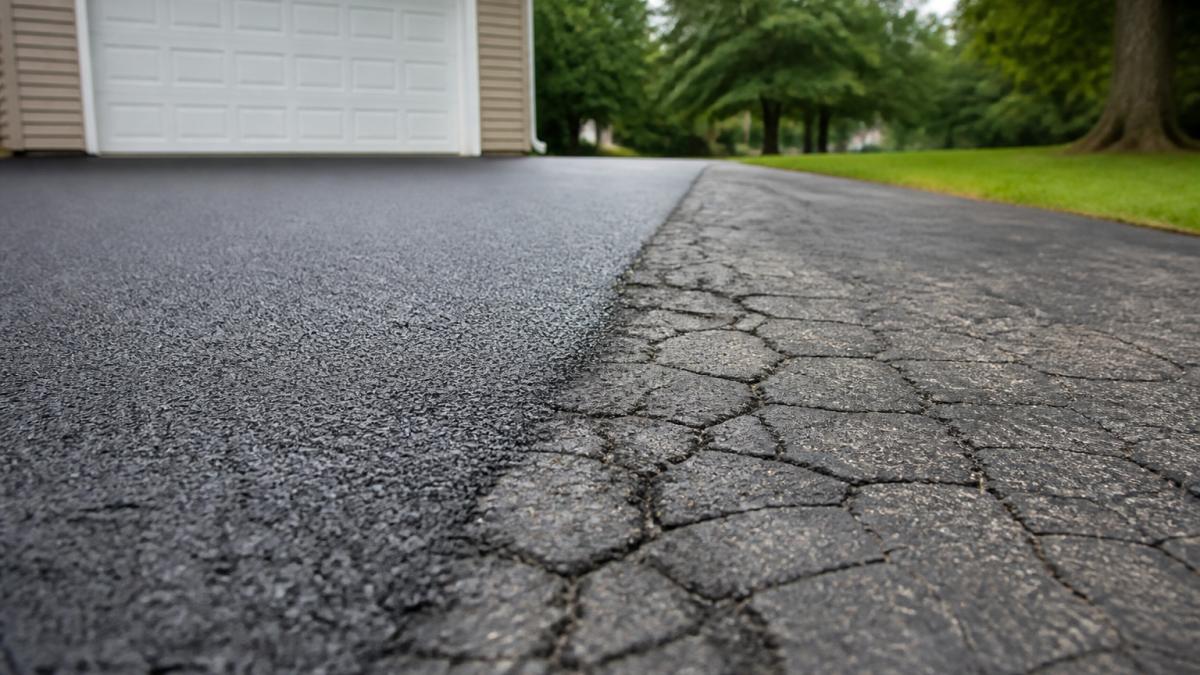
Asphalt deteriorates gradually through surface cracking, aggregate loss, and structural weakening. The first signs typically appear between years 5 and 10, when oxidation begins to dry out the asphalt binder and minor surface cracking becomes visible. Without intervention at this stage, water penetration accelerates damage significantly.
According to the Federal Highway Administration's pavement management resources, preventative maintenance applied early in a pavement's life delivers far better returns than reactive repairs after structural failure has set in.
How Pavement Thickness Affects Longevity
Pavement thickness is one of the most underappreciated factors in long-term durability. A standard residential driveway is typically installed at 2 to 3 inches of compacted asphalt mix over a prepared sub-base. Commercial and load-bearing applications generally require 3 to 4 inches or more, depending on anticipated traffic volume.
Thicker pavement distributes weight more effectively across the sub-base, reducing stress concentration that leads to base failure and alligator cracking. A surface installed below recommended thickness will show structural fatigue far earlier, often within 5 to 8 years, regardless of maintenance.
Factors That Determine How Long Asphalt Paving Lasts
How long asphalt paving lasts depends on the interaction of several variables. Understanding them lets you make smarter decisions about both installation and maintenance.
| Factor | Impact on Lifespan | What to Watch |
|---|---|---|
| Climate and freeze-thaw cycles | High | Crack formation and heaving |
| Installation quality and sub-base | Very High | Base failure, early cracking |
| Load-bearing use | High | Rutting, structural fatigue |
| Drainage quality | High | Water penetration, base erosion |
| Maintenance frequency | High | Surface oxidation, crack spread |
| UV exposure | Moderate | Oxidation, surface brittleness |
Climate, Freeze-Thaw Cycles, and UV Exposure
Water that enters surface cracks expands when it freezes, widening those cracks with each freeze-thaw cycle. In colder regions, this process can visibly worsen pavement condition over a single winter. In warmer climates, prolonged UV exposure breaks down the asphalt binder, causing oxidation that turns a flexible surface brittle and gray.
Regions with high heat and intense sun see accelerated surface deterioration even without freeze-thaw stress. Asphalt mix design matters here; mixes formulated for hot climates use different binder grades than those intended for northern use.
Installation Quality and Sub-Base Preparation
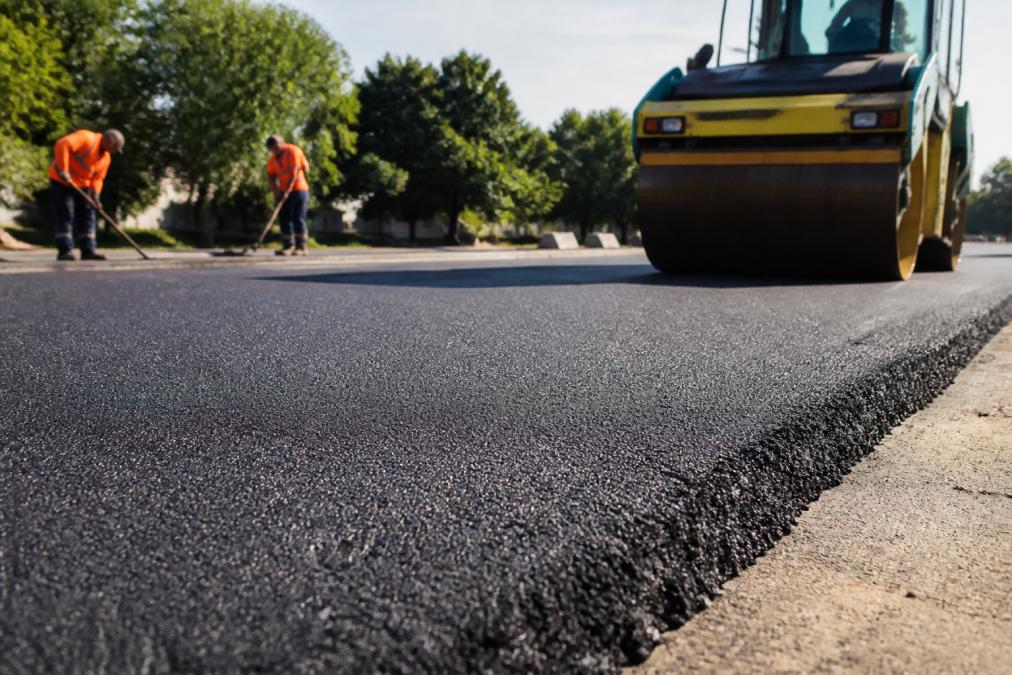
Poor sub-base preparation is the single most common cause of premature asphalt failure. A well-compacted aggregate base, typically 4 to 6 inches of crushed stone, provides the structural integrity that the asphalt overlay depends on. Skip that step or rush the compaction, and the surface will crack and shift regardless of asphalt mix quality.
Proper asphalt mix design also matters. The ratio of aggregate to bitumen, the grade of the asphalt binder, and the temperature at which the mix is laid all affect long-term performance. Asphalt that cools too quickly before compaction loses density, creating voids that accelerate cracking and water infiltration.
Installation quality is nearly invisible once the job is done. You cannot see a poorly compacted sub-base from the surface. That's why choosing an experienced contractor with a track record of durable work matters more than the lowest bid.
Load-Bearing Use and Drainage
Heavy vehicles, delivery trucks, RVs, and dumpsters impose stress that standard residential asphalt is not designed to handle repeatedly. A driveway rated for passenger vehicles will show rutting and base failure sooner if it regularly supports loads above its design threshold. If heavy vehicle access is a known requirement, pavement thickness and asphalt mix design should account for it from the start.
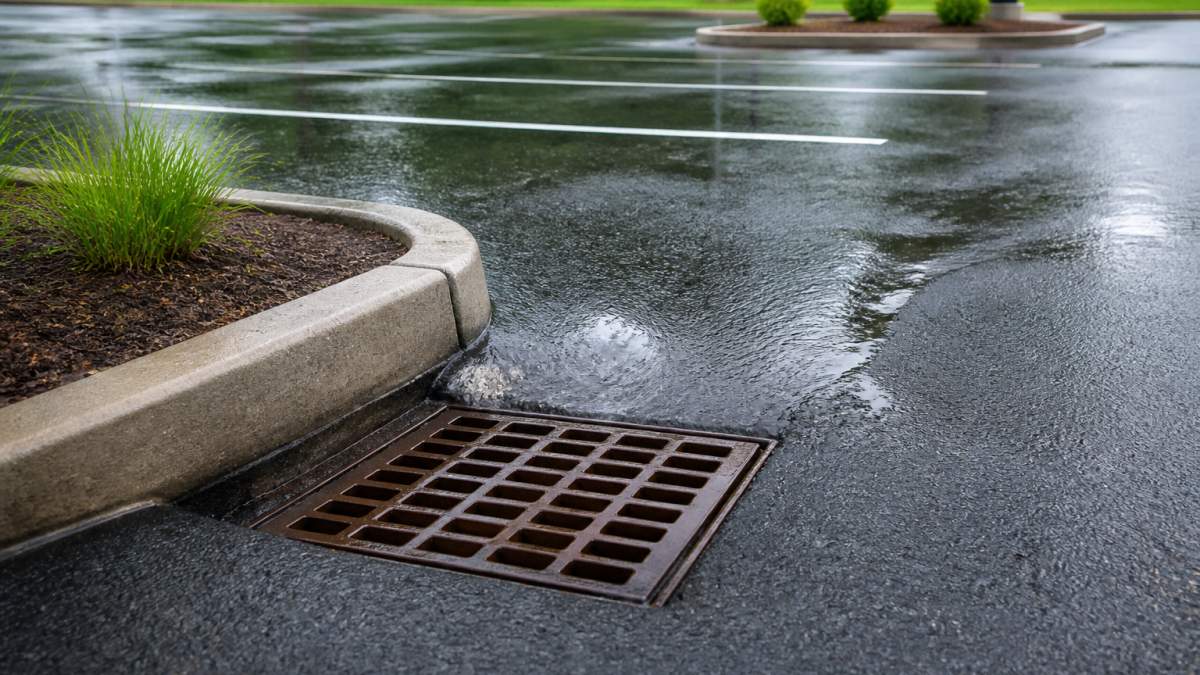
Drainage is equally critical. Standing water is asphalt's worst long-term enemy. Poor drainage allows water to pool at the surface, penetrate cracks, and erode the sub-base from below, resulting in alligator cracking that signals the pavement has lost structural integrity.
Asphalt vs Concrete Lifespan: Which Lasts Longer?
Concrete generally outlasts asphalt in raw lifespan terms. A well-installed concrete driveway can last 30 to 50 years, compared to asphalt's 20 to 30. However, asphalt has meaningful advantages that concrete doesn't. It's faster to install, typically less expensive upfront, easier to repair in sections, and more flexible in climates with significant ground movement or temperature swings. Concrete repairs are more complex and visible; patched concrete surfaces often look mismatched for years. Asphalt overlays and crack filling blend more naturally.
For the asphalt vs concrete lifespan question, the honest answer is: concrete lasts longer under ideal conditions, but asphalt maintained on a regular schedule can deliver comparable service life at a lower total cost of ownership.
Signs of Asphalt Failure You Should Not Ignore
The biggest mistake property owners make is waiting until failure is obvious before acting. By the time a pothole forms or alligator cracking spreads across a large area, the sub-base has usually been compromised, and repair costs jump accordingly.
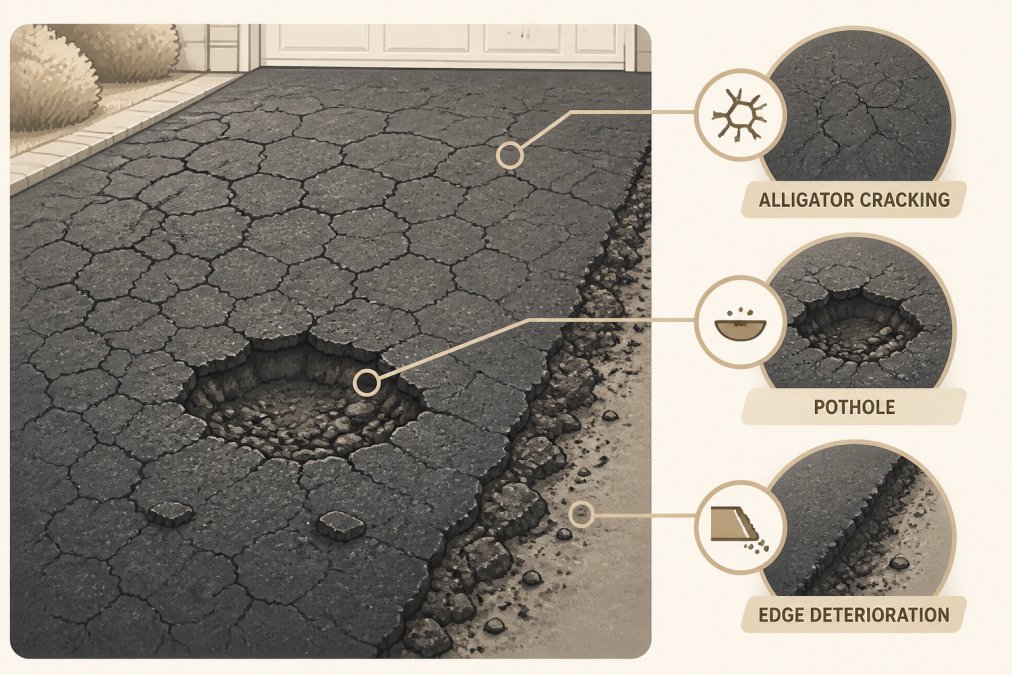
Watch for these warning signs:
- Surface cracking: Longitudinal or transverse cracks that appear isolated at first. These are the earliest sign of oxidation or sub-base movement and the cheapest to address.
- Alligator cracking: Interconnected crack networks resembling a reptile's skin. This pattern indicates base failure and requires more than surface crack filling.
- Potholes: Full-depth failures where the surface has collapsed. Pothole repair is necessary immediately; they grow quickly and pose safety hazards.
- Raveling: Aggregate loosening from the surface, leaving a rough, pitted texture. Often caused by oxidation or poor asphalt mix design.
- Drainage pooling: Water that collects and does not drain within a few minutes of rain. This signals grade issues or surface deterioration that will accelerate damage.
- Edge cracking: Cracks forming along the pavement's perimeter, often caused by lack of lateral support or sub-base erosion.
According to the American Society of Civil Engineers' infrastructure guidance, deferred pavement maintenance consistently results in repair costs several times higher than timely preventative treatment.
Call now to schedule your free estimate →
Benefits of Sealcoating Asphalt to Extend Pavement Life
Sealcoating is the most cost-effective single maintenance action available for asphalt pavement. A sealcoat is a protective layer that shields the bitumen binder from UV exposure, water penetration, and fuel or oil spills. Applied correctly, it slows oxidation, extends pavement flexibility, and improves curb appeal.
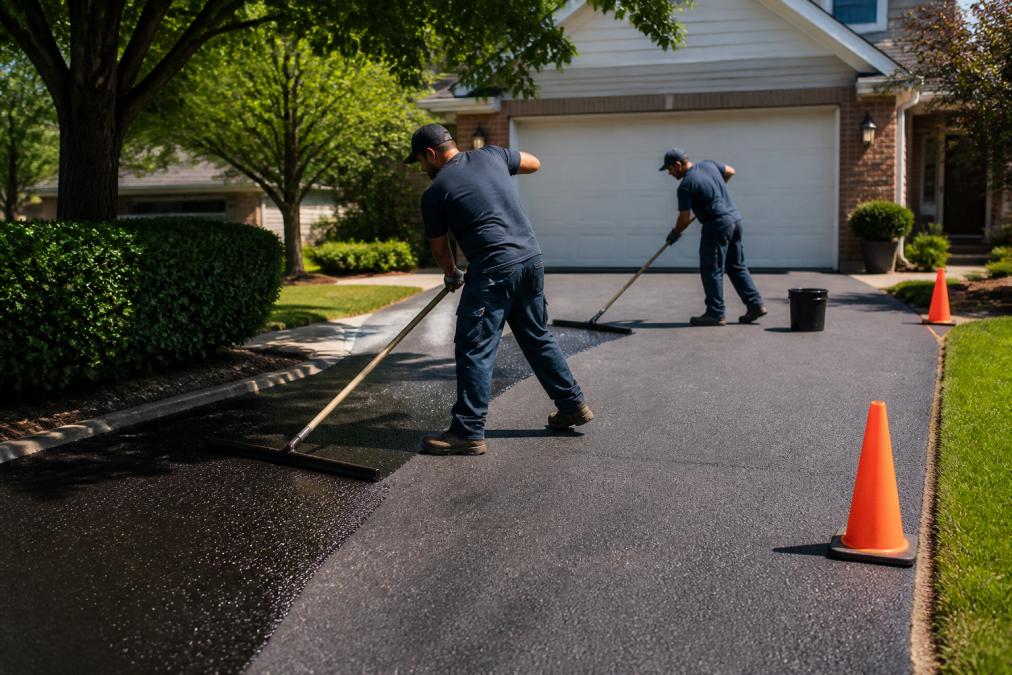
Sealed surfaces shed water more effectively, reducing water penetration that erodes sub-bases and widens cracks. The fresh black surface also absorbs heat more efficiently, which helps minor surface imperfections self-heal in hot climates.
Most asphalt professionals recommend a first sealcoat application 12 to 18 months after initial installation. After that, reapplication every 2 to 3 years maintains the protective layer without over-applying.
Asphalt Driveway Maintenance Tips That Actually Work
Consistent maintenance is the single biggest variable under a property owner's control. Here's a maintenance schedule that works:
- Annual inspection: Walk the surface after winter or the rainy season. Note any new cracks, drainage issues, or surface changes.
- Crack filling every 1 to 2 years: Fill surface cracks before water penetration reaches the sub-base.
- Sealcoating every 2 to 3 years: Apply after crack filling. Do not sealcoat in temperatures below 50°F or when rain is forecast within 24 hours.
- Pothole repair immediately: Each freeze-thaw cycle or vehicle pass expands the damage.
- Drainage management: Keep drains and gutters clear. Regrade adjacent landscaping if water consistently pools at the pavement edge.
- Limit heavy vehicle loads: Redirect heavy deliveries or equipment away from the driveway when possible, particularly in hot weather.
As documented in the University of Minnesota's pavement maintenance research, pavements that follow a structured preventative maintenance schedule consistently outperform those maintained reactively, often by 8 to 12 years of additional service life.
DIY vs. Professional Repair: Knowing the Threshold
Some asphalt maintenance tasks are genuinely DIY-friendly. Others are not, and attempting them without the right equipment causes more damage than doing nothing.
DIY-appropriate tasks:
- Filling hairline cracks under 1/4 inch wide with cold-pour crack filler
- Applying driveway sealcoat to a small residential surface
- Clearing debris and maintaining drainage around the pavement perimeter
Professional repair required:
- Alligator cracking (indicates sub-base failure)
- Potholes deeper than 2 inches
- Edge failures or widespread surface deterioration
- Any repair requiring proper compaction equipment
- Resurfacing or asphalt overlay work
The threshold is structural integrity. If the problem is at the surface only, a competent DIYer with the right materials can address it. If the sub-base is involved, professional equipment and expertise are non-negotiable.
Environmental Impact and Material Quality Considerations
Asphalt is one of the most recycled materials in construction. Reclaimed asphalt pavement (RAP) is routinely incorporated into new asphalt mixes, reducing demand for virgin aggregate and bitumen. According to the National Asphalt Pavement Association's sustainability data, asphalt is the most recycled material in the United States by volume.
Material quality directly affects pavement longevity. Asphalt mixes vary significantly in aggregate quality, binder grade, and mix design. A lower-cost mix using inferior aggregate or an inappropriate binder grade will deteriorate faster, regardless of installation quality. Specifying the right mix design for the application is a decision that pays dividends over the full pavement lifecycle.
A well-maintained asphalt surface that lasts 25 years has a substantially lower environmental footprint than one requiring full replacement at 12 years. Preventative maintenance reduces total material consumption and energy use associated with your pavement over time.
Persistent pavement problems, flooding after rain, recurring cracks in the same locations, or surfaces that have failed multiple patches are almost always the result of an underlying issue that surface repairs cannot fix. Houston Pavement Repair LLC provides expert asphalt and concrete paving services for residential and commercial clients, and every project starts with a free estimate. Call now to schedule your free estimate and get a surface that actually holds.
Frequently Asked Questions
How does asphalt paving thickness affect how long it lasts?
Thickness is one of the biggest factors in asphalt paving lifespan. A standard residential driveway is typically 2 to 3 inches of compacted asphalt over a properly prepared sub-base. Thinner installations wear faster under load and are more vulnerable to cracking. Commercial lots and high-traffic areas generally require 4 inches or more. Skimping on thickness during installation is one of the most common reasons driveways fail prematurely, often within 5 to 8 years instead of the expected 20-plus.
What are the signs that an asphalt driveway needs replacement rather than repair?
Widespread alligator cracking across large sections, base failure causing sunken or heaving areas, and potholes that keep returning after patching are all signs the pavement has reached the end of its lifecycle. If more than 30 to 40 percent of the surface shows structural damage, resurfacing or full replacement is usually more cost-effective than continued crack filling and patching. Persistent drainage problems that cause water to pool on the surface also signal deeper structural issues that spot repairs cannot fix.
What is the best time of year to seal an asphalt driveway?
Sealcoating works best when air and surface temperatures stay consistently above 50°F and no rain is expected for at least 24 to 48 hours after application. In warmer climates, late spring through early fall is the ideal window. Applying sealcoat in cold or wet conditions prevents proper curing and bonding, which shortens the protective layer's effectiveness. Most pavement professionals recommend sealcoating every 3 to 5 years as part of a preventative maintenance schedule to slow oxidation and water penetration.
Can new asphalt be poured over existing asphalt?
Yes, an asphalt overlay is possible when the existing pavement still has a structurally sound base and the damage is limited to surface cracking or oxidation. The old surface must be cleaned, any cracks filled, and edges milled or feathered for a clean transition. However, if the sub-base has failed or alligator cracking is widespread, an overlay will not solve the underlying problem and the new layer will deteriorate quickly. A professional assessment determines whether an overlay or full replacement is the right call.
This article was written using GrandRanker