 ultimate-guide
How Long Does Concrete Crack Repair Last
Table of Contents
- How Long Concrete Crack Repair Actually Lasts
- Why Concrete Cracks and When Repairs Fail
- Repair Durability by Material Type
- Best Concrete Crack Filler for Driveways
- Professional Concrete Driveway Repair Cost and Longevity
- Concrete Crack Repair vs Replacement: When to Choose Each
- Environmental Factors That Shorten Repair Life
- DIY vs Professional Repair Durability
- Frequently Asked Questions
Last Updated: September 21, 2026
How Long Concrete Crack Repair Actually Lasts
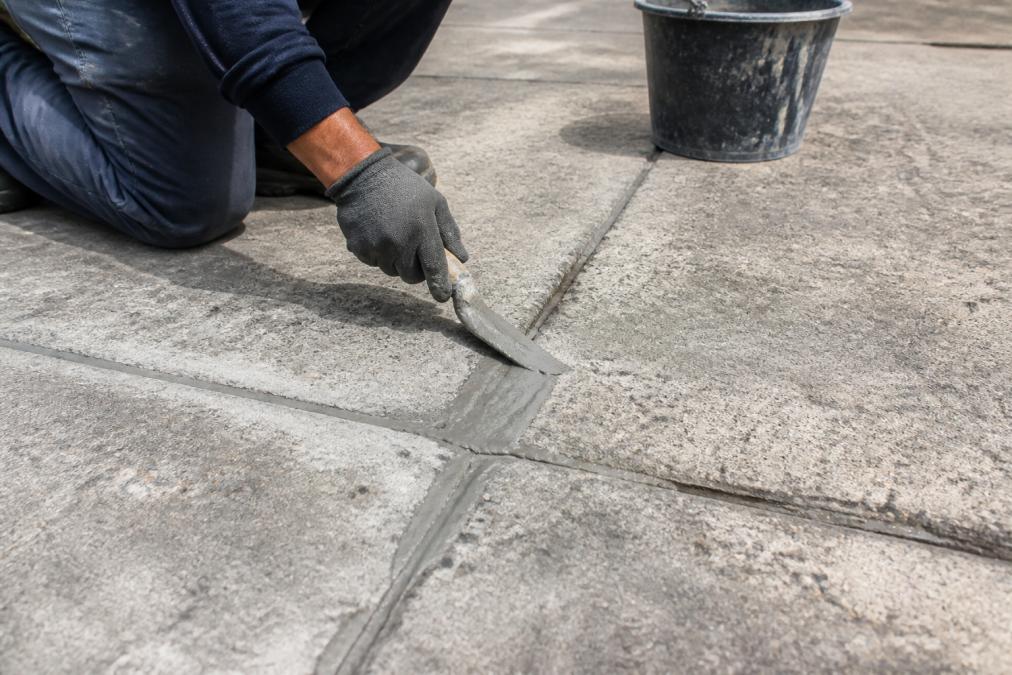
The lifespan of concrete crack repair depends almost entirely on what material you use, how deep the crack runs, and what's causing it to fail in the first place. A surface patch might last two to three years. A properly injected epoxy repair can hold for ten years or longer. The difference between a quick fix and a real solution comes down to understanding what you're actually repairing.
Most homeowners patch the visible crack without addressing the root cause, settlement, moisture infiltration, or structural stress. Six months later, the crack returns. Houston Pavement Repair LLC evaluates each crack individually and recommends the repair strategy that will actually last.
Repair longevity varies by material: hydraulic cement lasts one to three years, polyurethane sealants five to eight years, and epoxy injection ten to fifteen years. Understanding these differences helps you choose between a temporary fix and a permanent solution.
Why Concrete Cracks and When Repairs Fail
Concrete cracks due to shrinkage during hydration and as moisture escapes. When restrained concrete shrinks, internal tension builds. Exceeding tensile strength limits causes cracks to form.
Structural cracks indicate settlement, excessive loading, or compressive strength failure and run full-depth. Cosmetic cracks are hairline fractures that allow water infiltration. Cosmetic cracks need surface sealing; structural cracks require injection or full-depth repair.
Repairs fail when the material used doesn't match the crack type or when the underlying cause persists. A masonry filler applied to a crack that's still moving will separate within months. Hydraulic cement won't bond properly to a wet substrate, moisture vapor pressure forces it away from the concrete surface. Epoxy injection works only if the crack is accessible and the injection ports are placed correctly. Many DIY repairs fail because homeowners don't prepare the substrate properly. Dust, debris, and old sealant residue prevent new bonding agents from adhering. According to the American Concrete Institute's guidance on concrete repair, proper surface preparation is non-negotiable for repair longevity.
Repair Durability by Material Type
Hydraulic Cement and Masonry Filler
Hydraulic cement is affordable and easy to apply but bonds mechanically through surface texture, not chemically. The repair is only as durable as the concrete surface beneath it. Weak, dusty, or contaminated surfaces cause patches to separate within months.
Hydraulic cement patches last one to three years normally, but fail faster in freeze-thaw climates. Water penetrates gaps between patch and substrate; freezing expands it, widening the gap. By spring, the patch separates. Masonry fillers perform similarly, though premium formulations improve adhesion slightly.
Hydraulic cement doesn't prevent water infiltration, it fills the crack but doesn't seal it completely. For driveways that flood or pool water, it's a temporary measure.
Epoxy Injection and Polyurethane Sealant
Epoxy injection creates a chemical bond by penetrating concrete pores and hardening, fusing the repair to the surrounding concrete. This is why epoxy repairs last longer than surface patches, they're part of the concrete, not sitting on top of it.
Properly executed epoxy injection repairs last ten to fifteen years or longer, depending on crack depth, whether it's still moving, and the concrete's curing history. Epoxy works best on static cracks; active cracks fail sooner because epoxy can't accommodate ongoing movement.
Polyurethane sealants are more flexible than epoxy, handle minor movement better, and cost less. They last five to eight years before UV exposure and weathering degrade them. Polyurethane seals the surface but doesn't bond as deeply as epoxy.
Professional application ensures maximum durability: correct port spacing, controlled injection pressure, proper mixing, and correct temperature. DIY epoxy injection often fails because these variables are overlooked.
Best Concrete Crack Filler for Driveways
The best concrete crack filler depends on the crack type, your climate, and whether you're prioritizing durability or cost. For hairline cracks that aren't leaking water, a quality polyurethane sealant is practical and cost-effective. For wider cracks or those showing water infiltration, epoxy injection is worth the investment because it lasts significantly longer. For temporary fixes on cosmetic cracks, hydraulic cement works fine if you're willing to reapply it every two to three years.
Climate matters enormously. In freeze-thaw regions, expansion and contraction cycles stress repairs continuously. Polyurethane sealants handle this better than epoxy because they're more flexible. However, epoxy's superior bond strength often compensates for its rigidity. In stable climates with minimal temperature variation, epoxy repairs routinely last fifteen years or more.
Call now to schedule your free estimate →
Driveway-specific considerations include traffic loading and water exposure. High-traffic areas experience more stress, which can cause repairs to separate faster. Driveways that shed water quickly last longer than those that pond or allow water to seep into the substrate. If your driveway has drainage issues, water pooling or seeping underneath, the repair will fail prematurely regardless of material choice. The underlying drainage problem must be addressed first.
When Houston Pavement Repair LLC assesses driveway cracks, we evaluate both the crack and the drainage. A repair is only as durable as the conditions surrounding it. If water is continuously infiltrating the crack or if the substrate is unstable, we recommend addressing those issues before investing in repair materials.
Professional Concrete Driveway Repair Cost and Longevity
Professional repairs cost more than DIY materials, but they last significantly longer and address root causes that DIY approaches miss. Professional technicians can identify whether a crack is cosmetic, structural, or symptomatic of settlement or drainage failure. That diagnosis determines the appropriate repair strategy.
Professional epoxy injection costs more than surface patching, but the longevity justifies the investment for most property owners. A professional repair that lasts ten years is more economical than three DIY patches over the same period, especially when you factor in labor time and material waste. Professional-grade materials are also superior, higher-quality epoxy, better injection equipment, and proper surface preparation all contribute to longer service life.
For professional concrete driveway repair cost and longevity questions, get a detailed estimate that includes the repair method and expected lifespan. Reputable contractors stand behind their work.
Concrete Crack Repair vs Replacement: When to Choose Each
Concrete crack repair makes sense when the crack is isolated, the surrounding concrete is sound, and the underlying cause is addressable. A single crack in an otherwise stable driveway is a repair candidate. Multiple cracks across the entire surface, widespread spalling, or evidence of severe settlement suggests the concrete has reached the end of its service life.
Replacement becomes necessary when repairs are no longer economical or when the concrete's compressive strength has deteriorated significantly. If you're patching the same area repeatedly, replacement is usually cheaper in the long run. If the entire driveway is cracked and failing, a new surface is more durable and requires less maintenance.
The decision also depends on your timeline and budget. Repairs are faster and cheaper upfront. Replacement is a larger investment but eliminates the problem entirely. For most homeowners, repair is the right choice when the damage is localized. For commercial properties with high traffic or strict appearance standards, replacement may be preferable.
Environmental Factors That Shorten Repair Life
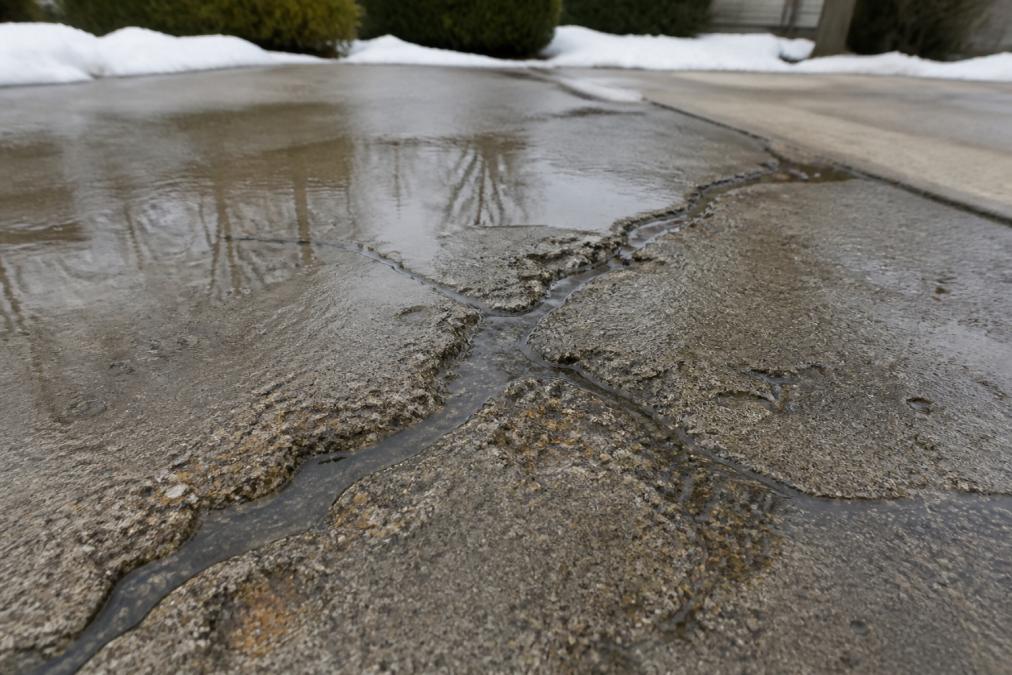
Freeze-thaw cycles are the primary environmental threat to concrete crack repair longevity. Water enters the crack, freezes, expands, and forces the repair material away from the concrete substrate. This cycle repeats every winter, progressively widening the gap between the repair and the concrete. By spring, the repair has separated and water is infiltrating again.
Moisture vapor pressure is another significant factor. When water seeps beneath a repair and the surface dries, vapor pressure builds underneath. This pressure can force even well-bonded repairs away from the concrete.
DIY vs Professional Repair Durability
DIY repairs typically last shorter than professional repairs because homeowners often skip critical preparation steps or choose materials based on cost rather than suitability. A DIY patch applied without proper substrate cleaning fails faster. A DIY epoxy injection without the right equipment and pressure control won't penetrate the crack fully.
Frequently Asked Questions
How do you permanently fix cracks in concrete?
Permanent concrete crack repair requires three steps: cleaning the crack thoroughly, applying a bonding agent to improve substrate preparation, and filling with the right material, epoxy injection for structural cracks or polyurethane sealant for surface cracks. The key is addressing the root cause (settlement, slab movement, or thermal expansion) so cracks don't reappear. Professional installation ensures proper curing conditions and material application, which significantly extends durability beyond DIY attempts.
What is the strongest concrete crack filler for driveways?
Epoxy injection is the strongest option for structural integrity, offering superior compressive strength and tensile strength compared to hydraulic cement or polyurethane sealant. For surface-level cracks, polyurethane sealant provides excellent flexibility to handle thermal expansion and freeze-thaw cycles. The best choice depends on crack depth and cause, hairline cracks benefit from polyurethane, while deeper cracks need epoxy. Professional assessment ensures you select the material that matches your specific repair need.
Is it normal for concrete to crack after 4 years?
Yes, cracking within 4 years is common and often stems from plastic shrinkage during the curing time, settlement of the substrate, or thermal expansion from temperature changes. Concrete continues hydration for years after installation, and environmental stressors like freeze-thaw cycles accelerate cracking. However, widespread or enlarging cracks warrant professional inspection, they may indicate deeper issues with substrate preparation or load-bearing problems that require repair before they compromise structural integrity.
When should you choose concrete crack repair vs replacement?
Repair is cost-effective for isolated cracks, hairline damage, or cosmetic surface issues, repairs typically last 5-10 years with proper material selection. Replace the slab if cracks are widespread, structural integrity is compromised, the slab has severe slab movement, or repairs have failed repeatedly. If your driveway floods or shows signs of deep settlement, replacement addresses the root cause better than patching. Professional evaluation determines whether your situation calls for repair or replacement.