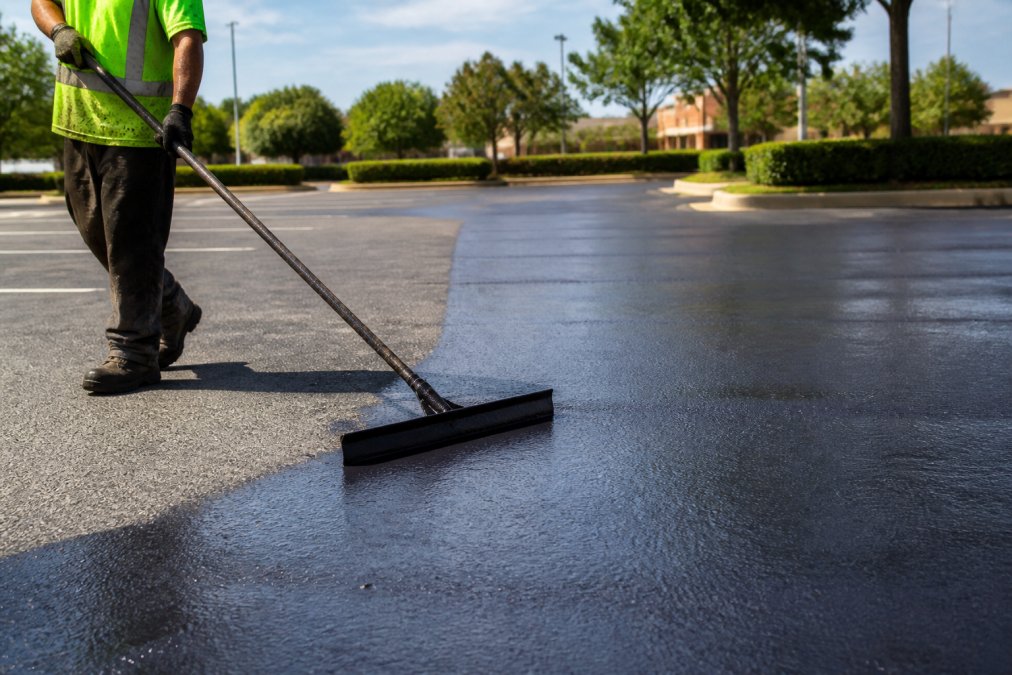
 comparison
Is Professional Parking Lot Sealcoating Worth It?
Table of Contents
- The Verdict: When Professional Sealcoating Pays for Itself
- How Sealcoating Extends Asphalt Life and Prevents Costly Damage
- Cost of Parking Lot Sealcoating Per Square Foot: What to Budget
- Asphalt Sealcoating Frequency: How Often Does Your Lot Need It?
- Parking Lot Crack Repair vs Sealcoating: Which Comes First?
- The ROI Framework: Calculating Long-Term Savings
- Signs Your Parking Lot Has Failed Sealcoating and Needs Attention
- Conclusion: Making the Investment Decision
- Frequently Asked Questions
Last Updated: September 20, 2026
The Verdict: When Professional Sealcoating Pays for Itself
Professional parking lot sealcoating is worth it for most property owners who want to extend their asphalt's lifespan and avoid far costlier repairs down the road. The question isn't really whether to sealcoat, it's whether you can afford not to. Here's why: asphalt oxidation and water penetration are relentless. UV radiation breaks down the binder that holds your pavement together, and moisture seeps into cracks and weakens the sub-base. A single season of weather damage compounds into potholes, surface raveling, and structural failure. Professional sealcoating slows that deterioration dramatically, buying you years before you need grinding and overlay or full replacement.
The math is straightforward: spend now on protective maintenance, or spend much more later on emergency repairs.
The real decision isn't whether sealcoating works, it does. It's whether your parking lot's condition and traffic volume justify the upfront investment today versus waiting. For high-traffic commercial lots, apartment complexes, and any property where appearance and safety matter, the answer is almost always yes.
How Sealcoating Extends Asphalt Life and Prevents Costly Damage
Sealcoating protects asphalt from the two primary forces that destroy it: oxidation and water penetration. When UV radiation hits exposed asphalt, it breaks down the petroleum-based binder that holds aggregate together. The surface becomes brittle, cracks form, and aggregate loss accelerates. Water then seeps through those cracks, reaching the sub-base and weakening the structural foundation. Freeze-thaw cycles make this worse, water expands as it freezes, widening cracks and creating potholes.
A quality sealant application creates a barrier against both threats. The emulsion seals the surface, preventing water from penetrating while reflecting UV rays. This slows asphalt oxidation and extends the pavement life cycle by years. Most sealcoating adds 2-4 years of protection per application, depending on traffic volume and climate stress.
The curing time matters here. After application, the sealant needs 24-48 hours to fully cure before traffic resumes. During that window, the emulsion bonds with the asphalt surface. Professional contractors manage this timing, DIY attempts often fail because property owners reopen the lot too early or apply sealant in poor weather conditions that prevent proper curing.
What most property managers miss: sealcoating is preventative maintenance, not a structural repair. It won't fix existing potholes or deep cracks. Those require crack sealing or patching first. That's why timing matters, sealcoat a well-maintained lot, and you extend its life. Apply sealcoating to a lot with major distress, and you're just covering problems that will resurface.
Cost of Parking Lot Sealcoating Per Square Foot: What to Budget
The cost per square foot varies based on lot condition, size, and local market rates. Professional sealcoating typically ranges from budget-conscious options to premium applications, with pricing dependent on the sealer grade, surface preparation requirements, and project scope.
For a realistic budget conversation, you need to know your lot's square footage and current condition. A 10,000-square-foot lot requires different pricing than a 50,000-square-foot commercial parking structure. Heavily trafficked lots with significant surface damage cost more to prepare than well-maintained ones.
Surface preparation is where costs vary most. A clean lot with minor debris requires basic pressure washing. A lot with heavy dirt buildup, oil stains, or loose aggregate needs intensive cleaning before sealant application. Some contractors include this in their quote; others charge separately. Always ask whether the estimate includes cleaning, striping refresh, and crack sealing, or if those are add-ons.
The sealer itself comes in different grades. Petroleum-based sealers cost less upfront but cure more slowly and may require longer traffic restrictions. Asphalt emulsion products offer a middle ground. Premium products cure faster and provide longer-lasting protection. The difference in durability often justifies the higher per-square-foot cost over the life of the application.
Contact Houston Pavement Repair LLC for a free estimate on your specific lot. We assess surface condition, measure square footage, and provide transparent pricing that accounts for your lot's actual needs, not a generic per-square-foot formula that ignores your situation.
Asphalt Sealcoating Frequency: How Often Does Your Lot Need It?
Most parking lots benefit from sealcoating every 2-3 years, though the actual maintenance schedule depends on traffic volume, climate, and the quality of previous applications. High-traffic commercial lots may need annual inspections and resealing every 18-24 months. Lower-traffic residential or light commercial lots can stretch to 3-4 years between applications.
Climate matters significantly. In regions with harsh sun exposure, freeze-thaw cycles, or heavy rainfall, UV radiation damage and water penetration accelerate. A lot in a humid subtropical climate with intense sun exposure will degrade faster than one in a milder climate. Your maintenance schedule should reflect local weather stress.
Traffic volume is equally important. A parking lot serving 500 daily vehicles experiences different wear than one serving 50. Heavy traffic breaks down the sealant faster through tire wear and abrasion. Delivery areas and loading docks, where vehicles park longer and move slowly, see accelerated degradation.
The quality of your previous sealcoating also affects timing. Premium sealers with proper application last longer than budget options applied poorly. If your lot has gone 4+ years without sealcoating, don't wait for a scheduled reapplication, have it assessed. Visible surface raveling, water pooling, or faded color signals that protection has failed.
Parking Lot Crack Repair vs Sealcoating: Which Comes First?
Crack sealing always comes before sealcoating. This is non-negotiable. Applying sealcoating over unrepaired cracks traps water underneath, accelerating sub-base damage and making the problem worse.
Call now to schedule your free estimate →
The repair sequence is: inspect for cracks and distress → seal or patch cracks → clean the surface → apply sealcoating. Skipping the crack repair step wastes money on sealcoating that will fail prematurely because water still penetrates through the cracks.
For small hairline cracks (less than 1/8 inch), some contractors apply crack sealant as part of the sealcoating prep work. For wider cracks or alligator cracking patterns, dedicated crack repair is necessary. This involves cleaning the crack, filling it with rubberized sealant or asphalt emulsion, and allowing proper curing before sealcoating.
Larger structural issues, potholes, major surface deterioration, or areas where the asphalt is breaking apart, may require patching or grinding and overlay before sealcoating makes sense. A professional assessment identifies which repairs are necessary and in what order.
The ROI Framework: Calculating Long-Term Savings
To justify sealcoating to stakeholders or in your own decision-making, calculate the true return on investment by comparing the cost of preventative sealcoating against the cost of deferred maintenance and eventual replacement.
Start with the cost of sealcoating your lot today. Get a firm quote from a professional contractor. That's your initial investment.
Next, estimate how many years that sealcoating extends your asphalt's lifespan. Most lots without sealcoating last 15-20 years before requiring major repair or replacement. With regular sealcoating every 2-3 years, that timeline extends to 20-30 years or more. That's a 5-10 year extension per sealcoating cycle.
Now calculate the cost of what happens if you skip sealcoating. Unprotected asphalt deteriorates faster, requiring patching, pothole repairs, and eventually grinding and overlay or full replacement. These emergency repairs are 3-5 times more expensive than preventative sealcoating.
Example framework: If sealcoating costs a reasonable amount per square foot and extends your lot's life by 5 years, and full replacement would cost significantly more, the ROI becomes clear. You're paying for preventative maintenance that delays a much larger expense.
The secondary benefits matter too. A well-maintained lot with fresh sealcoating looks professional, improves curb appeal, and signals to tenants or customers that the property is well-cared-for. For retail and multifamily properties, that perception affects leasing rates and tenant satisfaction.
Signs Your Parking Lot Has Failed Sealcoating and Needs Attention
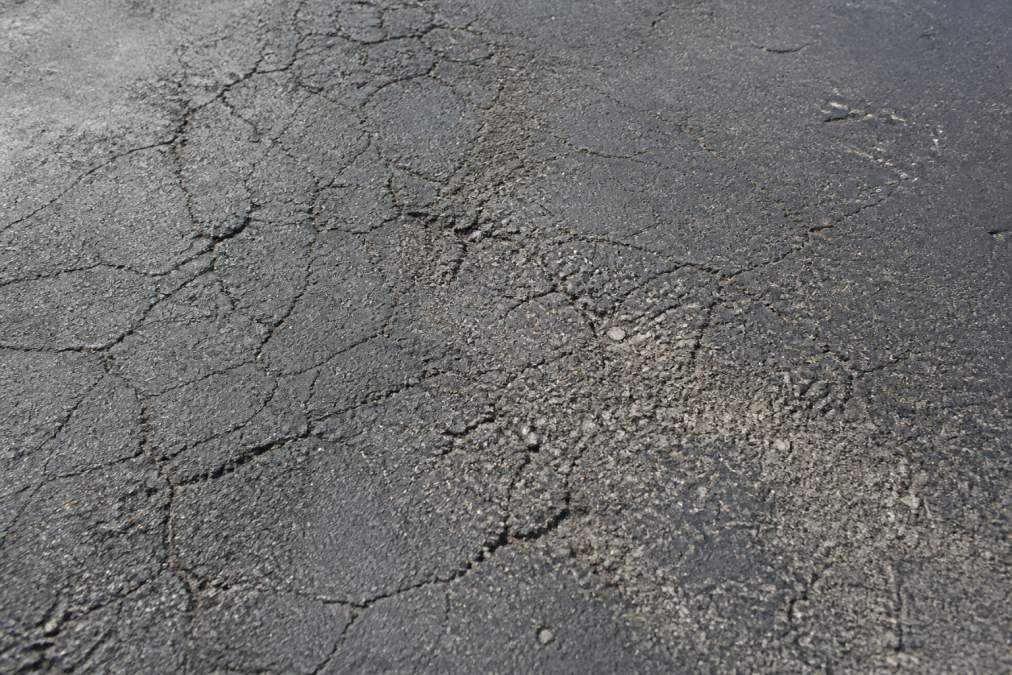
When sealcoating fails, the asphalt shows clear warning signs. Surface raveling is the first: the aggregate begins separating from the binder, creating a rough, pitted surface that looks like the asphalt is crumbling. This happens when UV protection is gone and oxidation is actively breaking down the binder.
Conclusion: Making the Investment Decision
Professional parking lot sealcoating is worth the investment for any property where extending asphalt life and maintaining curb appeal matter. The cost of preventative maintenance is always lower than the cost of emergency repairs or replacement.
| Issue | Typical Cause | Best Solution |
|---|---|---|
| Surface raveling | Failed sealcoating, UV oxidation | Reseal the lot |
| Water pooling | Poor drainage, sub-base weakness | Assess sub-base; may need grinding and overlay |
| Visible cracks | Asphalt oxidation, freeze-thaw cycles | Crack sealing before sealcoating |
| Faded color | UV damage, oxidation | Sealcoating for protection and appearance |
| Potholes | Structural failure, water damage | Patching or grinding and overlay |
EXTERNAL CITATIONS & SOURCES:
Frequently Asked Questions
How often should a commercial parking lot be sealcoated?
Most parking lots benefit from professional sealcoating every 2-3 years, though high-traffic commercial lots may need it annually. The frequency depends on traffic volume, local climate, and existing pavement condition. Regular sealcoating prevents asphalt oxidation and water penetration, extending your pavement's life cycle significantly. Your contractor can assess your lot's condition and recommend a maintenance schedule tailored to your property.
Does sealcoating actually prevent asphalt cracks?
Sealcoating prevents new cracks by protecting the asphalt binder from UV radiation and water damage, but it cannot repair existing cracks. It seals the surface and reduces aggregate loss, slowing asphalt degradation. For existing cracks, you need crack sealing or patching first, then sealcoating to protect the repair and surrounding pavement. Think of it as preventative maintenance rather than a structural repair solution.
What is the average cost of professional parking lot sealcoating?
Pricing depends on lot size, surface preparation needs, and sealer quality. Your actual investment depends on your lot's condition, traffic patterns, and the contractor's materials and labor. Contact Houston Pavement Repair LLC for a free estimate tailored to your property's specific requirements.
Can you sealcoat a parking lot that already has cracks?
You can sealcoat over minor surface cracks, but significant cracks require crack sealing or patching first. Water penetration through large cracks undermines the sub-base integrity and causes pothole formation. Professional contractors assess pavement distress and recommend crack sealing before sealcoating to ensure the sealer bonds properly and provides long-term protection. Skipping this step reduces the effectiveness of your sealcoating investment.