 comparison
LDC Paving vs Local Competitors: 2026 Guide
Table of Contents
- LDC Paving vs Local Competitors: Overview
- What to Look for in Asphalt Paving Contractors
- Questions to Ask Paving Contractors Before Hiring
- Asphalt Paving Contractor Vetting Checklist
- How to Compare Paving Quotes and Estimates
- Key Differentiators: Service Scope and Specialization
- Making Your Final Decision
- Frequently Asked Questions
Last Updated: August 20, 2026
LDC Paving vs Local Competitors: Overview
Choosing the right asphalt paving contractor shapes the durability and appearance of your property for years to come. When evaluating LDC Paving vs local competitors, you're making a decision that affects not just immediate costs but long-term pavement performance and maintenance expenses. Property managers, facility operators, and homeowners across the region face this choice constantly, and the stakes are real: a poorly executed paving job can fail within months, while quality work protects your investment through multiple seasons of weather stress.
This guide from Houston Pavement Repair LLC walks you through the key criteria for comparing paving contractors, the critical questions to ask before hiring, and how to evaluate competing quotes so you can make an informed choice. Whether you're comparing LDC Paving vs local competitors for a small residential driveway or a large commercial parking lot, the same fundamentals apply: expertise matters, references matter, and understanding what you're actually paying for matters most.
The difference between a contractor who delivers durable asphalt paving and one who leaves you with recurring problems often comes down to how thoroughly you vet before signing. Below, we'll show you exactly what separates a reliable contractor from one that cuts corners.
What to Look for in Asphalt Paving Contractors
Your first step is understanding what separates competent asphalt paving from the rest. Not every contractor handles the full scope of work the same way, and those differences directly impact how long your pavement lasts.
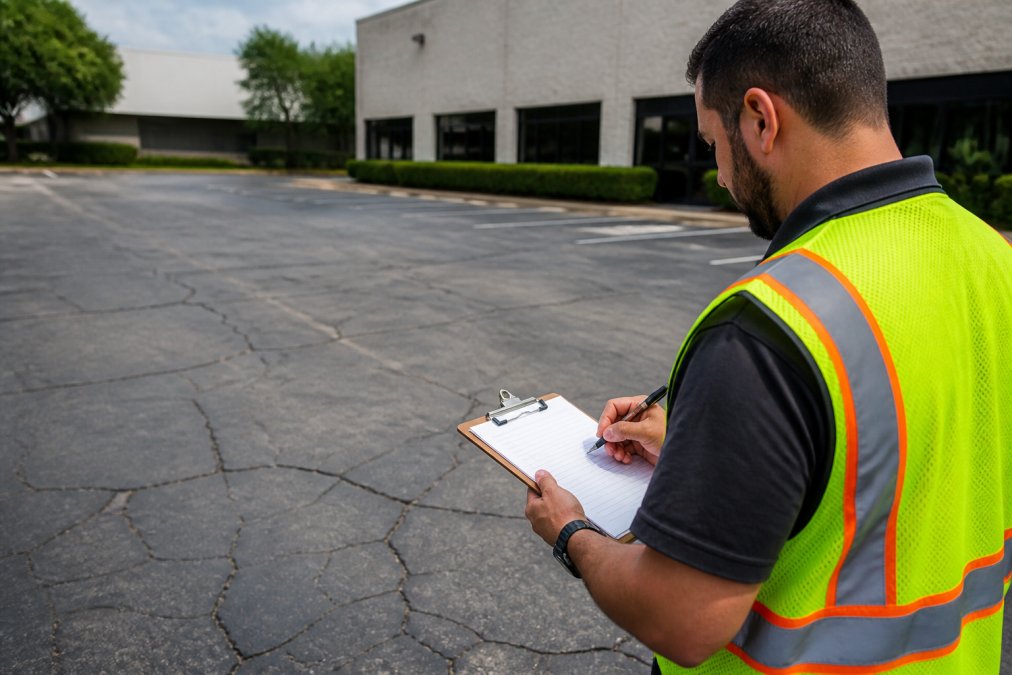
Look for contractors who specialize in both diagnosis and execution. A contractor worth hiring doesn't just show up with equipment and start patching. They assess your pavement's condition, identify underlying issues like poor drainage or inadequate base layers, and explain what needs to happen to prevent the same problems from recurring. This approach costs more upfront but saves money over time because you're not repeating repairs every two years.
Commercial parking lots and roadway construction require different expertise than residential driveways. Some contractors excel at large-scale projects with heavy equipment and crew coordination. Others focus on smaller residential work where attention to detail and finishing quality matter most. When comparing LDC Paving vs local competitors, verify that each contractor has demonstrated experience with YOUR specific project type, not just similar work, but work at your scale.
Check whether contractors offer the full range of services your property might need. Reliable contractors typically provide asphalt repair, sealcoating, striping and marking, and often concrete services as well. This matters because a contractor who handles multiple aspects of pavement maintenance can coordinate work more efficiently and spot problems across your entire property, not just the area they're hired to fix.
Certifications and insurance tell you whether a contractor operates professionally. Verify that any contractor you're considering carries liability insurance and is bonded. For commercial projects, look for contractors with relevant safety credentials. These aren't just paperwork, they indicate a commitment to safety standards and professional accountability.
Questions to Ask Paving Contractors Before Hiring
Before you invite a contractor to bid on your project, prepare a list of questions that reveal how they approach the work and whether they understand your specific situation.
Start with the foundation: "What's your assessment of why the pavement is failing in the first place?" A contractor who jumps straight to "we'll resurface it" without investigating drainage, subgrade preparation, or base layer condition is missing the actual problem. Ask them to walk you through what they see and what they recommend as a solution. Their answer tells you whether they're thinking strategically about your pavement's long-term health.
Ask about their crew and timeline. "Who will be doing the work, and how long will the project take?" Reliable contractors can tell you exactly who will be on-site, what equipment they'll use, and a realistic schedule. If they're vague about timing or crew composition, that's a warning sign. Also ask about weather contingencies, asphalt work is weather-dependent, so understand how delays are handled and what happens if conditions change mid-project.
Inquire about preventative maintenance options. "What sealcoating and maintenance schedule do you recommend after installation?" A contractor focused on long-term durability will recommend sealcoating intervals, crack sealing before they become major problems, and routine maintenance that extends pavement life. If they only talk about repairs and never mention prevention, they're not thinking about your property's future.
Ask for references and follow up on them. "Can you provide three recent client references I can call directly?" Then actually call them. Ask whether the work was completed on time, whether the quality met expectations, and whether they've had issues since completion. References are your best indicator of whether a contractor does what they promise.
Asphalt Paving Contractor Vetting Checklist
Use this checklist to evaluate each contractor systematically. This ensures you're comparing apples to apples and not overlooking critical factors.
Licensing and Insurance
- Contractor holds valid business license for your state
- Carries general liability insurance (minimum $1M coverage)
- Is bonded for project amounts
- Provides proof of workers' compensation insurance
Experience and Specialization
- Has completed projects similar to yours in size and and scope
- Can demonstrate experience with your specific project type (residential driveway, commercial lot, roadway)
- Has been in business for at least 5 years
- Has completed at least 10 projects similar to yours in the past 3 years
Technical Competence
- Conducts site assessment and identifies root causes of pavement failure
- Explains subgrade preparation and base layer requirements
- Discusses proper asphalt mix design for your climate and use
- Mentions sealcoating and preventative maintenance strategies
Communication and Professionalism
- Responds promptly to calls and emails
- Provides written estimate with detailed scope of work
- Explains what's included and what's not
- Discusses timeline and potential weather delays
- Has professional website and online presence
References and Reputation
- Provides three recent client references willing to discuss work
- Has positive online reviews from verified customers
- References report no recurring problems after completion
- Can show photos of completed projects
Equipment and Crew
Call now to schedule your free estimate →
- Uses modern, well-maintained equipment
- Has dedicated crew (not relying solely on subcontractors)
- Crew members are trained and experienced
- Can explain their quality control process
How to Compare Paving Quotes and Estimates
Once you've narrowed your list to contractors who pass the vetting checklist, you'll receive quotes. Comparing them properly requires understanding what's actually included in each estimate.
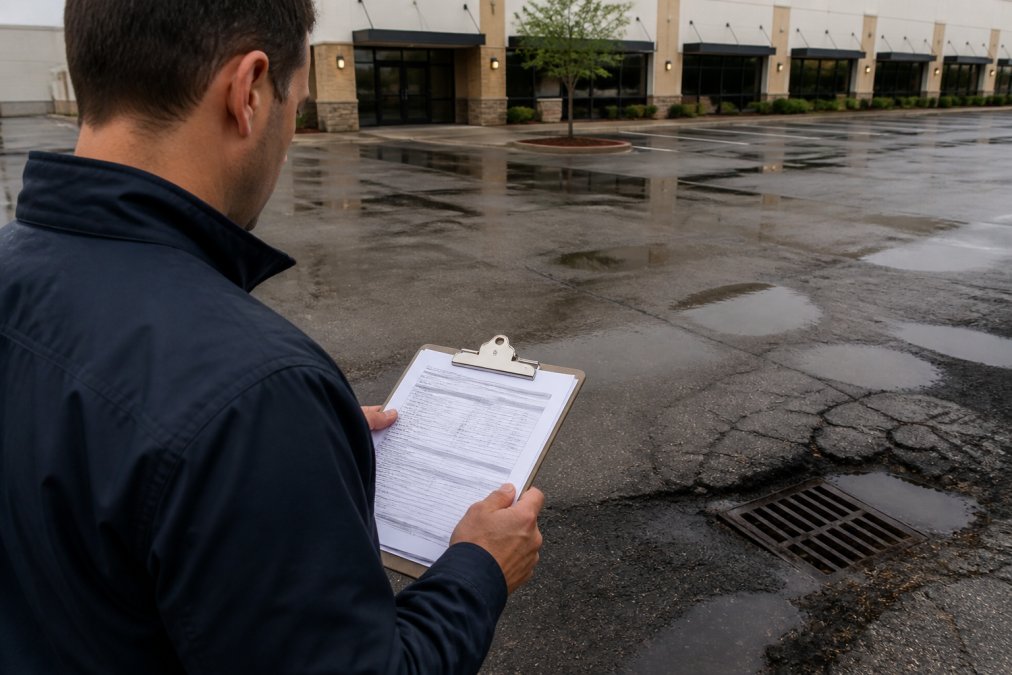
First, ensure all quotes cover the same scope of work. A low quote that excludes site preparation, base layer work, or finishing details isn't actually comparable to a higher quote that includes these elements. Request itemized estimates that break down labor, materials, equipment, and any additional services like sealcoating or striping.
Look at what each contractor specifies about materials. Quality asphalt milling and aggregate base composition matter significantly for durability. Ask each contractor what grade of asphalt they're using, what aggregate size and composition they recommend, and whether they're using recycled asphalt or virgin material. These specifications directly affect how long your pavement will last.
Compare the approach to problem areas. If your property has drainage issues, does the quote address that? Do they mention subgrade preparation? Are they planning to remove and replace failed sections, or just overlay new asphalt on top of existing problems? The contractor who identifies and fixes root causes will cost more initially but deliver far better results.
Timeline and weather contingencies matter. A quote that promises completion in unrealistically short timeframes may indicate corner-cutting. Weather delays are normal for asphalt work, ask how each contractor handles them and whether timeline extensions affect your cost.
Payment terms vary. Some contractors require deposits, others work on net payment after completion. Understand the payment structure before signing. Be wary of contractors demanding large upfront payments before work begins.
Key Differentiators: Service Scope and Specialization
When comparing LDC Paving vs local competitors, understanding what each contractor actually specializes in helps you predict whether they'll handle your project well.
Some contractors focus primarily on asphalt paving, new installations, overlays, and basic repairs. Others offer comprehensive pavement services including concrete work, sealcoating, striping, and drainage solutions. For complex projects where multiple issues need addressing, a contractor with broader service scope often coordinates work more efficiently.
Specialization also matters. A contractor who handles residential driveways primarily may struggle with the logistics and crew coordination required for large commercial parking lots. Conversely, a contractor accustomed to commercial work might not have the finishing precision that residential clients expect. When evaluating LDC Paving vs local competitors, match each contractor's primary specialization to your project type.
Some contractors emphasize preventative maintenance and long-term durability. These typically recommend sealcoating schedules, crack sealing before problems escalate, and routine inspections. Others focus on repair-as-needed approaches. If your goal is to extend pavement life and minimize future problems, the preventative maintenance contractor is worth the premium.
Equipment and crew capability also differentiates contractors. Modern asphalt milling equipment, for example, allows contractors to remove damaged pavement precisely and reuse the material, reducing waste and costs. Contractors with in-house crews deliver more consistent quality than those relying on subcontractors for specialized work.
Local market knowledge matters too. Contractors experienced in your region understand soil conditions, drainage challenges, weather patterns, and local building codes. They've likely encountered the specific problems your property faces and know what solutions work in your climate.
Making Your Final Decision
After gathering quotes, checking references, and evaluating each contractor against your criteria, you're ready to decide. The lowest price rarely delivers the best value. Instead, choose the contractor who demonstrates the strongest combination of experience, technical competence, clear communication, and commitment to addressing root causes rather than applying quick fixes.
Consider Houston Pavement Repair LLC if you're in the Houston or Katy area. We provide expert asphalt and concrete paving services with a focus on durability and long-term results. Our team conducts thorough site assessments, addresses underlying issues like drainage and subgrade preparation, and stands behind our work with references from recent projects. We offer free estimates, so you can understand exactly what your project requires before making a commitment.
Trust your instinct about communication and professionalism. You'll be working with this contractor during your project. Choose someone who listens to your concerns, explains their approach clearly, and demonstrates genuine commitment to your property's success. The contractor who takes time to understand your situation and explain why they're recommending specific solutions is the one most likely to deliver results that last.
Your driveway or parking lot represents a significant investment in your property. Spending time to evaluate contractors thoroughly, asking the right questions, checking references, and comparing quotes based on scope and approach, protects that investment. The difference between choosing a reliable contractor and settling for the lowest bid often amounts to thousands of dollars in premature repairs and lost property value. Take the vetting process seriously, and you'll have pavement that performs for years to come. Contact Houston Pavement Repair LLC today to schedule your free estimate and see how our approach to thorough, durable asphalt paving can benefit your property.
Frequently Asked Questions
What should I look for when comparing paving contractors?
Evaluate contractors on licensing, insurance, years of experience, and customer references. Check whether they address root causes (like drainage issues) rather than temporary patches. Compare their service scope, do they handle asphalt repair, sealcoating, and striping? Request free estimates from multiple contractors and assess their communication clarity and willingness to explain their approach. Verify they're bonded and can handle your specific project type, whether residential driveway or commercial parking lot maintenance.
How do I verify the reputation of a local paving company?
Request references from recent projects and actually call them. Check online reviews on Google and industry directories. Confirm licensing with your state's contractor board and verify insurance coverage is current. Ask potential contractors for examples of similar projects they've completed. Look for certifications like ABC STEP Diamond, which indicates safety and quality standards. A reputable contractor will provide before-and-after photos and be transparent about their process and timeline.
What questions should I ask before hiring a paving subcontractor?
Ask about their experience with your specific project type, timeline and crew availability, warranty on workmanship, how they handle unexpected issues during the job, their payment schedule, and whether they'll coordinate with other trades on a multi-phase project. Clarify what's included in their estimate, sealcoating, striping, drainage solutions. Ask how they'll manage site safety and cleanup. Confirm they have liability insurance and workers' compensation. Request a written contract outlining scope, timeline, and costs before work begins.
How do I get an accurate estimate for asphalt repair?
Provide contractors with detailed site information: current pavement condition, square footage, specific issues (potholes, cracks, drainage problems), and your desired outcome. Request that estimates include a site visit, not just phone quotes. A thorough estimate should break down labor, materials, and equipment costs separately. Ask whether the estimate addresses underlying problems or just surface-level repairs. Compare at least three estimates, but don't automatically choose the lowest price, the cheapest option often means temporary fixes that fail quickly.
This article was written using GrandRanker