 ultimate-guide
Paving Services for Small Apartment Complexes
Table of Contents
- Why Paving Services Matter for Small Apartment Complexes
- Core Paving Services for Apartment Properties
- Parking Lot Maintenance Tips for Apartment Complexes
- ADA Compliance for Parking Lots and Accessible Routes
- Asphalt Sealcoating Cost for Apartments and Longevity Benefits
- Budgeting and Lifecycle Cost Analysis
- Selecting the Right Paving Contractor
- Frequently Asked Questions
Last Updated: August 22, 2026
Why Paving Services Matter for Small Apartment Complexes
A property manager at a 50-unit complex called us last month with a simple problem: their parking lot was falling apart. Cracks everywhere. Potholes forming weekly. Tenants were complaining. The real issue wasn't the damage itself, nobody had invested in preventative maintenance for five years. By the time they called, what should have been a manageable sealcoating job had turned into a full resurfacing project.
This is the story we hear constantly. Small apartment complexes operate on tight budgets, and paving surfaces often get deprioritized until they become a liability. But industry studies on pavement lifecycle costs confirm that strategic maintenance extends pavement life by 10-15 years and reduces total ownership costs by 30-40% compared to reactive repairs.
Paving services for small apartment complexes aren't just about aesthetics. They're about safety, liability, property value, and operational efficiency. A well-maintained parking lot reduces slip-and-fall claims, signals to prospective tenants that management cares, prevents water infiltration that damages the subgrade, and keeps your budget predictable instead of facing emergency repairs.
At Houston Pavement Repair LLC, we work with apartment complexes of all sizes. We understand that small properties face unique challenges: limited capital budgets, difficulty scheduling work around tenant schedules, and the need for contractors who understand that one unhappy tenant can affect occupancy rates. This guide covers everything a property manager needs to know about paving services, from available options to budgeting strategies that actually work.
Core Paving Services for Apartment Properties
Most apartment complexes need multiple paving services. Understanding what each one does, when to use it, and how these services work together to extend pavement life is essential.
Asphalt Paving and Installation
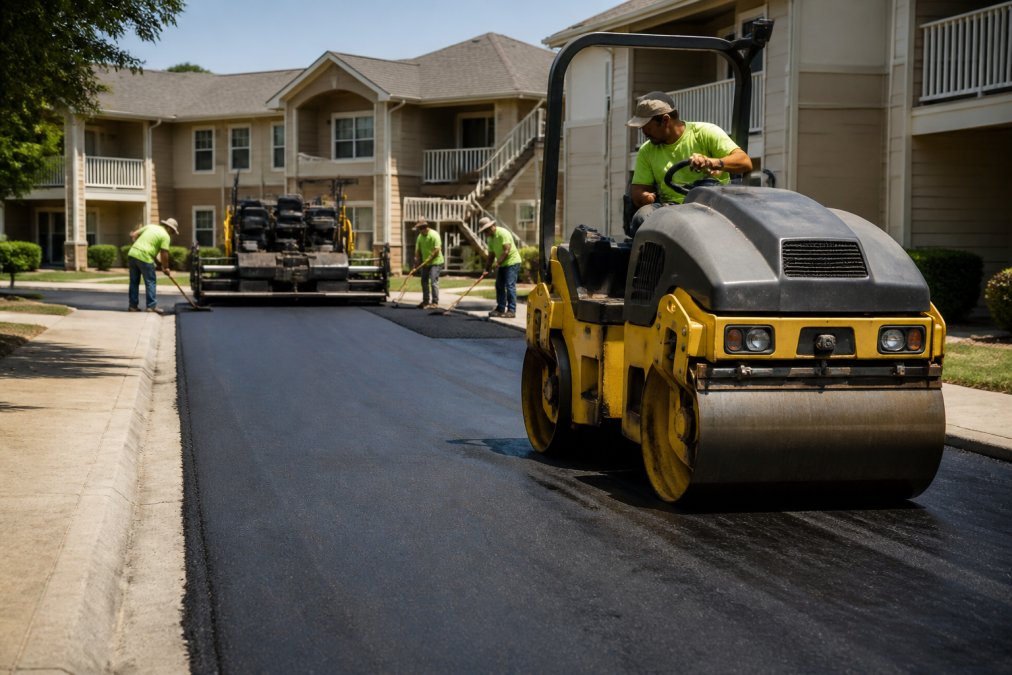
Asphalt paving forms the foundation of most apartment parking lots. New asphalt installation involves proper subgrade preparation, aggregate base layers, and hot-mix asphalt applied in controlled temperature conditions. Execution determines longevity.
When a contractor installs new asphalt, they're building layers. The subgrade is compacted soil. Above that sits an aggregate base, typically 4-6 inches of crushed stone that provides drainage and load distribution. Then comes the asphalt itself, usually applied in two lifts: a base course and a wearing course. Temperature control matters enormously, if asphalt cools too quickly, it doesn't bind properly.
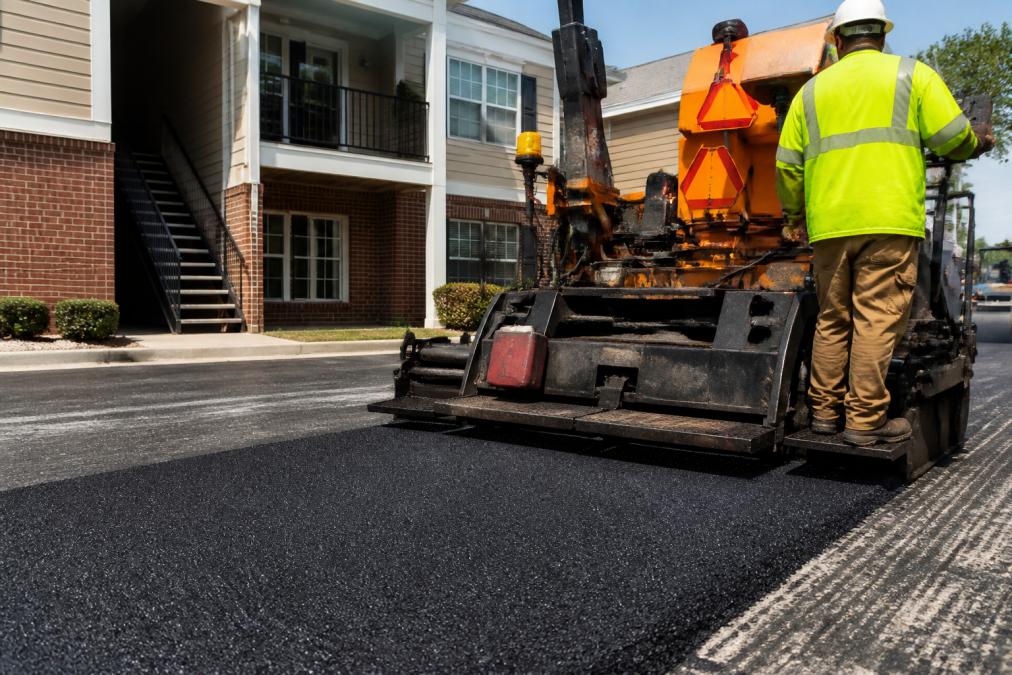
For small apartment complexes, new installation typically happens when existing pavement has deteriorated beyond repair. The alternative, asphalt overlays, costs less and works when the existing base is still structurally sound. An overlay involves milling away the top layer of damaged asphalt and applying new material over the remaining base, saving money but only working if the subgrade hasn't failed.
Crack Filling and Pothole Repair
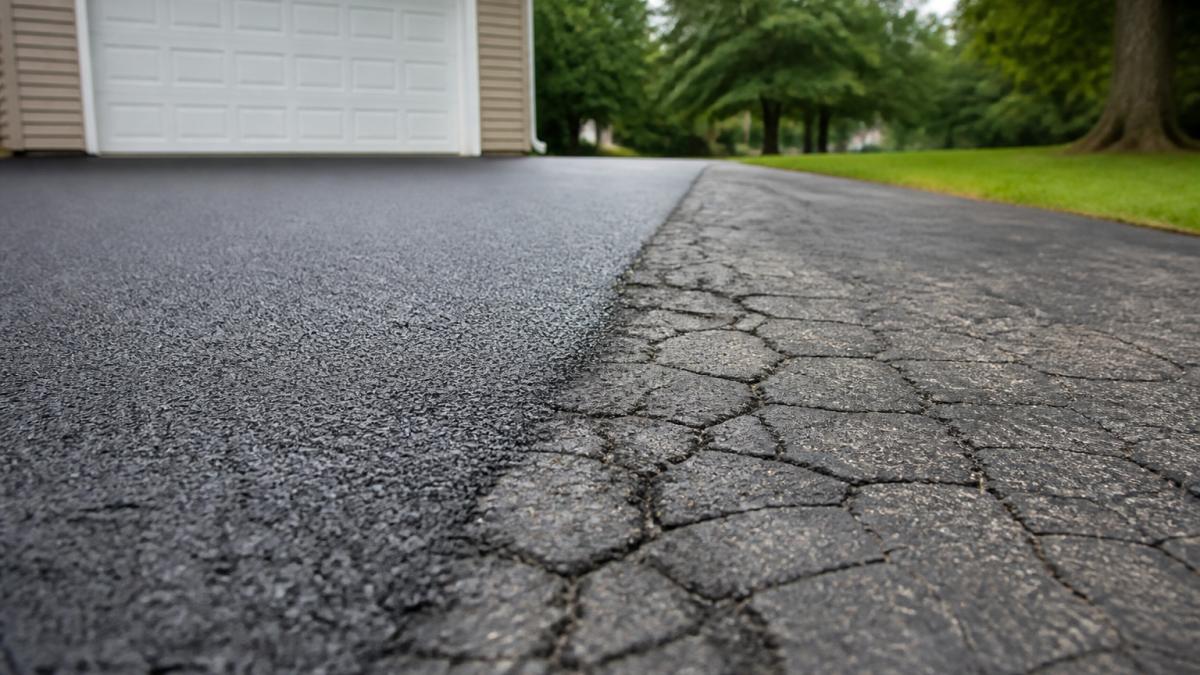
Cracks are the first visible sign of pavement distress. Water seeps in, and in freeze-thaw cycles, that water expands and breaks the pavement apart. Within months, a small crack becomes a pothole.
Crack filling addresses this before it escalates. The process involves cleaning the crack and applying a sealant material, usually hot-pour rubberized asphalt. Done early, crack filling is inexpensive and highly effective.
Pothole repair comes in two forms: temporary patches using cold-mix asphalt (lasting 6-12 months) and permanent repairs involving removal of the damaged section and installation of new hot-mix asphalt. Most apartment complexes benefit from scheduled crack filling twice per year, spring and fall, combined with immediate pothole repair as needed.
Asphalt Resurfacing and Overlays
Resurfacing is the middle ground between patching and full replacement. When your parking lot shows widespread cracking and surface deterioration but the base is still solid, an overlay makes sense.
A mill-and-overlay removes 1-2 inches of damaged asphalt, then applies new material. This approach costs 30-50% less than full removal and replacement and typically takes 2-4 days for a standard 50-60 space parking lot. The key limitation: overlays only work if the subgrade is intact. If water has damaged the base, an overlay is temporary.
Parking Lot Maintenance Tips for Apartment Complexes
Maintenance is where most property managers fail, not from lack of effort, but from lack of strategy. They respond to problems instead of preventing them.
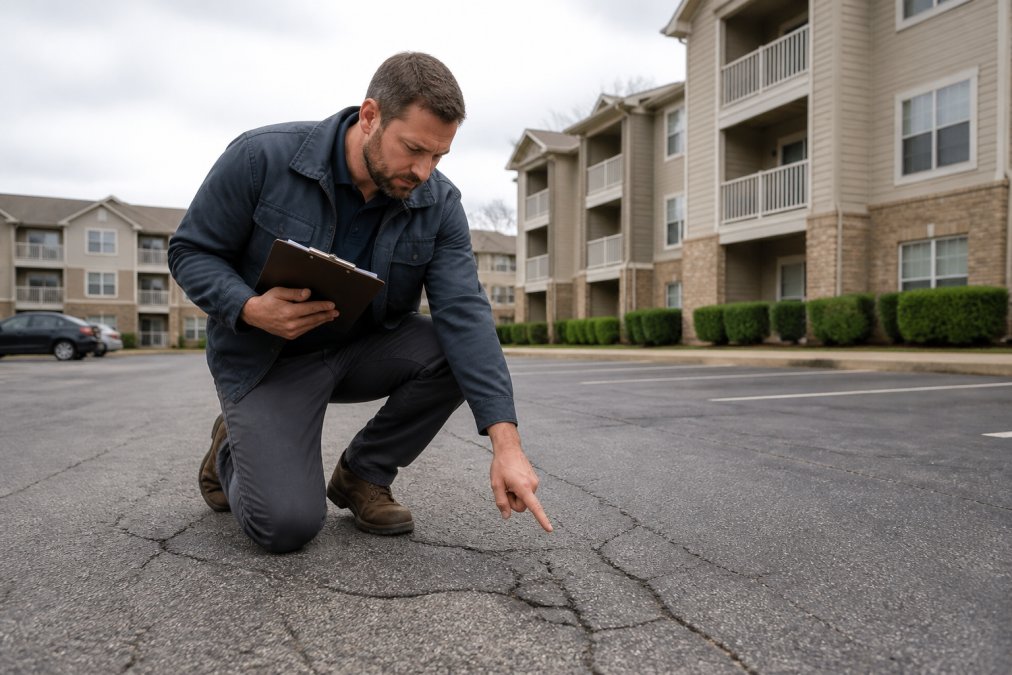
Start with seasonal inspections. Spring inspection should look for winter damage: cracks from freeze-thaw cycles, potholes, and drainage issues. Fall inspection checks for summer UV damage. Document findings with photos and track repairs over time.
Seal coating is the most cost-effective maintenance tool available. Applied every 2-3 years, sealcoat protects asphalt from UV degradation, oxidation, and water infiltration. It costs a fraction of pothole repair or resurfacing yet prevents the damage that leads to those expensive repairs.
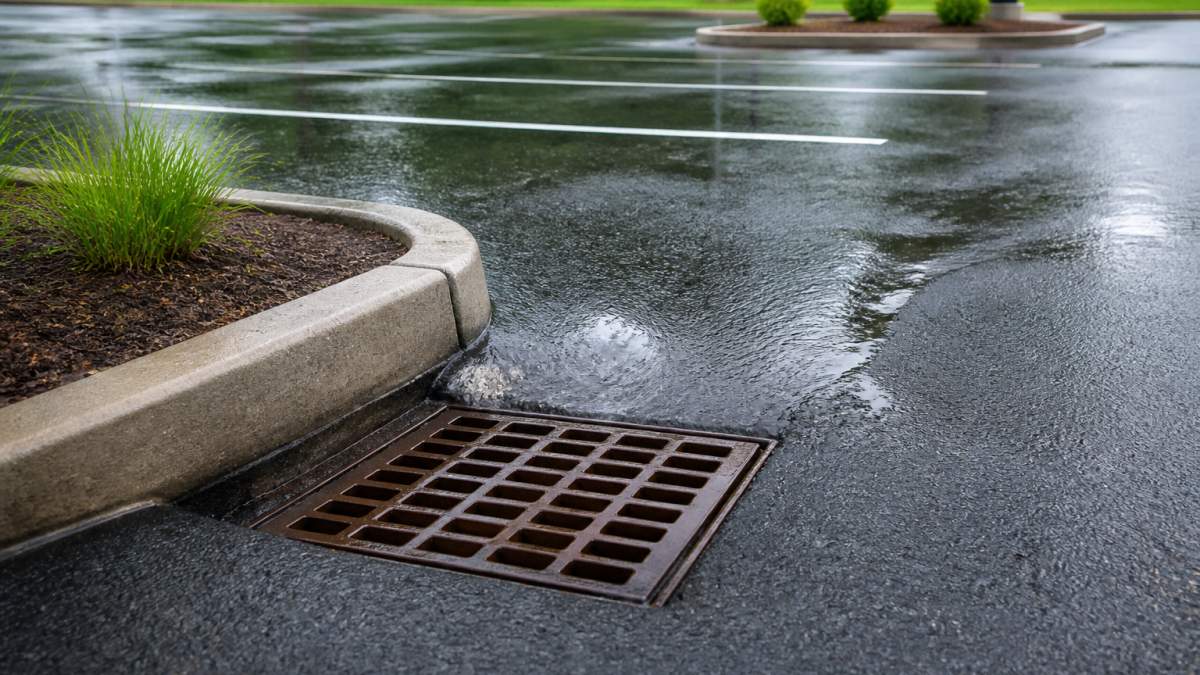
Drainage is non-negotiable. Standing water accelerates pavement failure. Check that your lot slopes away from buildings, storm drains are clear, and water doesn't pool in low spots.
Striping and marking serve both aesthetic and safety functions. Restripe annually or every 18 months depending on traffic volume.
| Maintenance Task | Frequency | Purpose | Impact |
|---|---|---|---|
| Visual inspection | Twice yearly (spring/fall) | Identify emerging issues | Prevents small problems from escalating |
| Crack filling | As needed, typically spring/fall | Seal water entry points | Extends pavement life 5-10 years |
| Seal coating | Every 2-3 years | Protect asphalt from UV and water | Reduces deterioration rate by 50%+ |
| Pothole repair | As needed | Restore safety and appearance | Prevents liability and further damage |
| Striping refresh | Annually or every 18 months | Maintain organization and safety | Improves curb appeal and traffic flow |
| Drainage clearing | Seasonally | Prevent water pooling | Stops accelerated pavement failure |
ADA Compliance for Parking Lots and Accessible Routes
ADA compliance isn't optional for apartment complexes. The Americans with Disabilities Act requires accessible parking spaces, proper markings, and accessible routes from parking to building entrances. car park maintenance services.
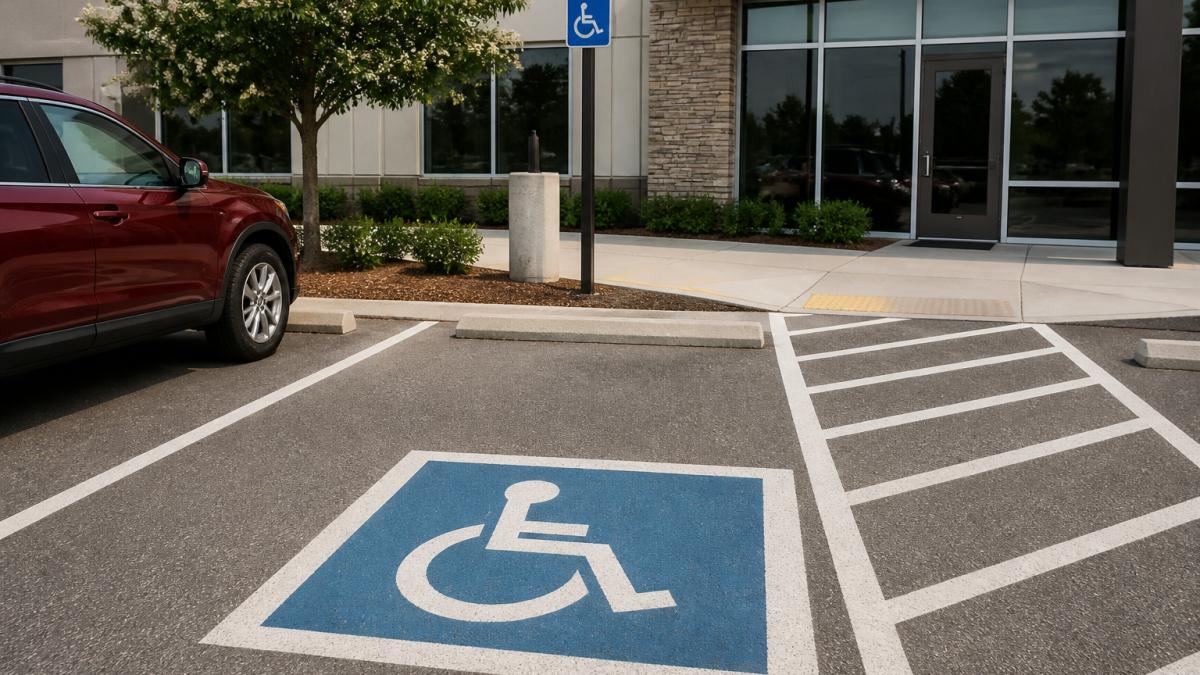
Accessible parking spaces must meet specific requirements: minimum width of 96 inches (8 feet) for the space itself, plus a 60-inch access aisle on at least one side (ada.gov). The space must be on the shortest accessible route to the building entrance. Surface must be firm, stable, and slip-resistant.
The access aisle is critical, this is where someone in a wheelchair transfers from vehicle to chair. It must be level, free of obstacles, and clearly marked with diagonal striping. Signage is required, displaying the International Symbol of Accessibility.
For small apartment complexes, ADA compliance often requires concrete work alongside asphalt paving. Curb ramps must be built to specification, and sidewalks must be repaired or installed. A contractor experienced with both asphalt and concrete services can coordinate the entire accessible route project.
Asphalt Sealcoating Cost for Apartments and Longevity Benefits
Sealcoating applies a protective layer over asphalt, filling small surface voids and protecting against UV rays and water infiltration. Applied every 2-3 years, sealcoat significantly extends pavement life.
Unsealed asphalt typically lasts 15-20 years before major resurfacing becomes necessary (asphaltinstitute.org). Properly sealed and maintained asphalt can last 25-30 years. That 10-15 year extension translates directly to cost savings. Sealcoating also improves appearance, making a parking lot look newly installed.
Call now to schedule your free estimate →
The limitation: sealcoat doesn't repair existing damage. If your parking lot has significant cracking or potholes, you need to address those issues first. Sealcoat is preventative maintenance, not corrective repair.
Timing matters. Sealcoat should be applied in warm, dry conditions, typically late spring through early fall. Rain within 24 hours of application can ruin the job. Plan ahead rather than reacting to problems.
Budgeting and Lifecycle Cost Analysis
Start by documenting your pavement's age and condition. When was the parking lot last paved? What's the current condition? This baseline determines your maintenance strategy and budget timeline.
Create a 10-year plan. New asphalt typically needs minor maintenance for the first 3-5 years: crack filling, pothole repair, and striping refresh. Years 5-8 introduce sealcoating every 2-3 years. Years 8-10, plan for resurfacing or overlay. This provides structure, though weather and traffic affect timelines.
Budget 1-2% of replacement cost annually for maintenance. If your parking lot would cost $50,000 to replace, allocate $500-1,000 per year for maintenance. This prevents the boom-bust cycle where you spend nothing for years, then face emergency repairs.
Preventative maintenance costs less than reactive repair. A $2,000 sealcoating project prevents a $15,000 resurfacing project. A $500 crack-filling job prevents a $3,000 pothole repair. When you're investing in parking lot maintenance, residents should know about it. A simple email explaining the project, why it matters, and the timeline builds goodwill.
Selecting the Right Paving Contractor
Not all contractors are equal. You need a contractor experienced with apartment complexes who understands your constraints.
Experience with small properties matters. A contractor who regularly works on apartment complexes understands scheduling challenges and knows how to sequence work, manage tenant access, and communicate timelines clearly.
Ask for references from recent apartment complex projects similar to yours. Call those references and ask about reliability, quality, timeline adherence, and how the contractor handled problems.
Houston Pavement Repair LLC specializes in apartment complexes and small commercial properties. We understand budget constraints and the need for reliable, on-time work. We provide free estimates and clear timelines before any work begins.
Verify licensing and insurance. Ask to see current liability insurance and workers' compensation coverage. A contractor who hesitates to provide proof of insurance is a red flag.
Get multiple quotes, but don't choose based on price alone. The cheapest bid often reflects cut corners. Compare scope of work carefully. A slightly higher bid that includes proper site preparation and quality materials is a better investment.
Discuss warranty. What's covered if the work fails prematurely? A contractor confident in their work will offer a warranty.
Managing paving services for small apartment complexes doesn't have to be complicated. Start with a maintenance plan based on your pavement's current condition and age. Schedule regular inspections. Invest in preventative maintenance like sealcoating. Address problems immediately before they escalate. Partner with a contractor who understands small properties and stands behind their work.
Houston Pavement Repair LLC has helped apartment complexes throughout the region develop maintenance strategies that keep budgets predictable and pavement in excellent condition. We offer free estimates and can walk you through a long-term maintenance plan tailored to your property's specific needs. Call us today to schedule your free estimate and see how proper paving services protect your investment.
=== FAQ ANSWERS (audit these too, same rules) ===
[1] Q: How often should small apartment complexes sealcoat their asphalt? A: Most apartment complex parking lots benefit from sealcoating every 2-3 years, depending on traffic volume and climate exposure. Sealcoating protects asphalt from UV degradation, petroleum spills, and water infiltration, all common issues in parking lots. Regular sealcoating can add 5-10 years to your pavement's lifespan and reduces the need for costly repairs.
[2] Q: What are the ADA compliance requirements for apartment parking lots? A: Apartment parking lots must meet ADA standards for accessible parking spaces, access aisles, and routes to entrances. Required elements include proper space dimensions (96 inches minimum width), 60-inch access aisles, accessible routes with appropriate slopes (no steeper than 1:20), and compliant signage and striping. Van-accessible spaces require 132-inch access aisles. Concrete ramps connecting parking areas to walkways must have proper grades and handrails. Non-compliance can result in legal liability and fines.
[3] Q: How do I choose the right paving contractor for a multifamily property? A: Verify that contractors have experience with apartment complexes specifically, not just residential driveways. Request references from recent projects of similar size and scope. Confirm they're licensed, insured, and bonded for your state. Ask about their approach to root-cause repairs, avoid contractors who only patch surface issues. Get detailed written estimates that itemize materials, labor, and timeline. Choose contractors who offer free on-site inspections and can explain why certain repairs are necessary, not just what they'll do.
[4] Q: Is parking lot paving considered a capital improvement for tax purposes? A: Yes, parking lot paving and resurfacing typically qualify as capital improvements under IRS guidelines, meaning they can be depreciated over time rather than expensed immediately. Repairs that restore pavement to its original condition may be deductible as maintenance expenses, but improvements that extend the asset's life or increase its value are capital. Consult your accountant or tax professional to determine which expenses qualify for your specific property, as classification affects your tax liability and depreciation schedules.
Frequently Asked Questions
How often should small apartment complexes sealcoat their asphalt?
Most apartment complex parking lots benefit from sealcoating every 2-3 years, depending on traffic volume and climate exposure. Sealcoating protects asphalt from UV degradation, petroleum spills, and water infiltration, all common issues in parking lots. Regular sealcoating can add 5-10 years to your pavement's lifespan and reduces the need for costly repairs.
What are the ADA compliance requirements for apartment parking lots?
Apartment parking lots must meet ADA standards for accessible parking spaces, access aisles, and routes to entrances. Required elements include proper space dimensions (96 inches minimum width), 60-inch access aisles, accessible routes with appropriate slopes (no steeper than 1:20), and compliant signage and striping. Van-accessible spaces require 132-inch access aisles. Concrete ramps connecting parking areas to walkways must have proper grades and handrails. Non-compliance can result in legal liability and fines.
How do I choose the right paving contractor for a multifamily property?
Verify that contractors have experience with apartment complexes specifically, not just residential driveways. Request references from recent projects of similar size and scope. Confirm they're licensed, insured, and bonded for your state. Ask about their approach to root-cause repairs, avoid contractors who only patch surface issues. Get detailed written estimates that itemize materials, labor, and timeline. Choose contractors who offer free on-site inspections and can explain why certain repairs are necessary, not just what they'll do.
Is parking lot paving considered a capital improvement for tax purposes?
Yes, parking lot paving and resurfacing typically qualify as capital improvements under IRS guidelines, meaning they can be depreciated over time rather than expensed immediately. Repairs that restore pavement to its original condition may be deductible as maintenance expenses, but improvements that extend the asset's life or increase its value are capital. Consult your accountant or tax professional to determine which expenses qualify for your specific property, as classification affects your tax liability and depreciation schedules.
This article was written using GrandRanker