 listicle
Professional Concrete Driveway Repair Cost: 2026 Guide
Table of Contents
- What Determines Professional Concrete Driveway Repair Cost
- Common Types of Concrete Damage and Repair Approaches
- Signs Your Driveway Needs Professional Repair
- Concrete Driveway Crack Repair Cost Breakdown
- Concrete Driveway Resurfacing vs. Replacement: When to Choose Each
- Labor Rates and Professional Contractor Costs
- Getting an Accurate Quote and Avoiding Hidden Costs
- Frequently Asked Questions
Last Updated: August 23, 2026
What Determines Professional Concrete Driveway Repair Cost
The cost of professional concrete driveway repair depends on several interconnected factors that contractors assess before quoting. Understanding what drives pricing helps you distinguish between a fair estimate and an inflated one. The same damage type can cost wildly different amounts depending on underlying conditions.
Damage Type and Severity
Not all concrete damage is created equal. A hairline crack costs far less to address than structural heaving that's shifted your slab by inches. Spalling, where the surface flakes and pits, requires different materials and labor than deep cracks penetrating through the full slab depth.
Minor surface pitting and hairline cracks (under 1/8 inch wide) typically respond to crack sealing or patching compound. Moderate cracks (1/8 to 1/4 inch) often require epoxy injection for structural integrity. Wide cracks, active settlement, or heaving demand more invasive solutions like polyurethane foam injection or full-depth repair. Each step up in severity multiplies the labor hours and specialized equipment required.
Driveway Size and Square Footage
Square footage is the foundation of most contractor quotes. A 500-square-foot driveway costs less to repair than a 1,200-square-foot one, even if the damage type is identical. However, size interacts with damage distribution. A 1,000-square-foot driveway with damage concentrated in a 200-square-foot section costs less than one where damage is scattered across half the surface.
Repair Method and Materials
The repair method you choose is often the largest cost driver. Crack sealing with polyurethane or epoxy costs far less than concrete leveling. Polyurethane foam injection costs more per square foot than traditional mudjacking but is faster and more durable. Full-depth concrete replacement is the most expensive option but necessary when structural integrity is compromised.
Materials matter too. Standard patching compound is economical for surface repairs. Epoxy injection for structural cracks runs higher. Polyurethane foam for leveling commands premium pricing. Decorative resurfacing with stamped concrete or colored coatings adds aesthetic value but increases cost significantly compared to a basic overlay.
Common Types of Concrete Damage and Repair Approaches
Most driveway damage falls into recognizable categories, each with established repair methods and cost profiles.
Cracks and Spalling
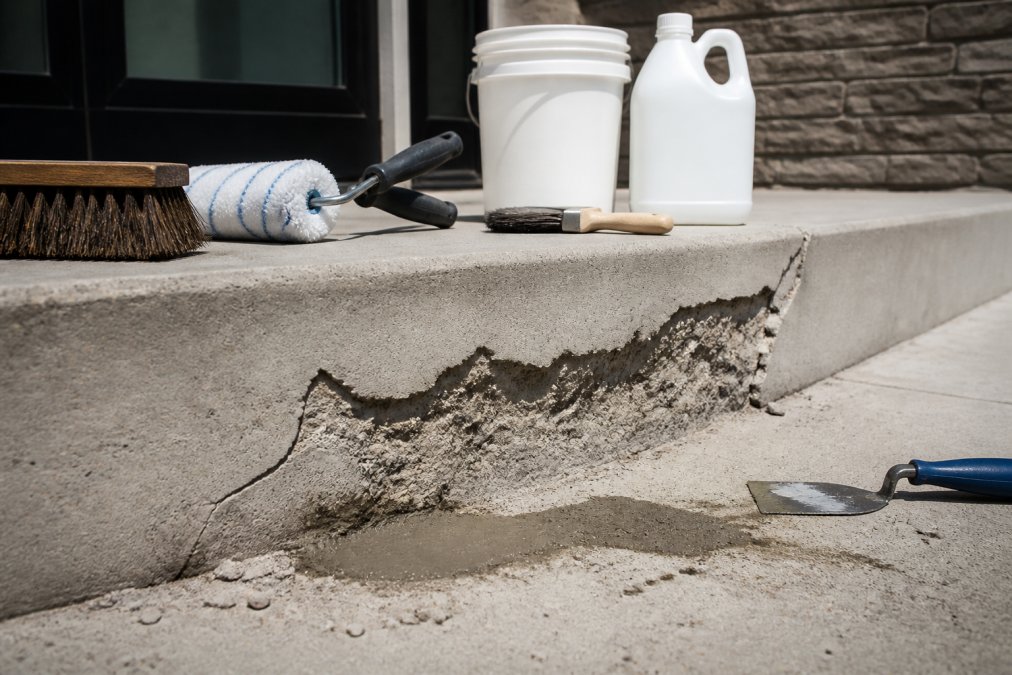
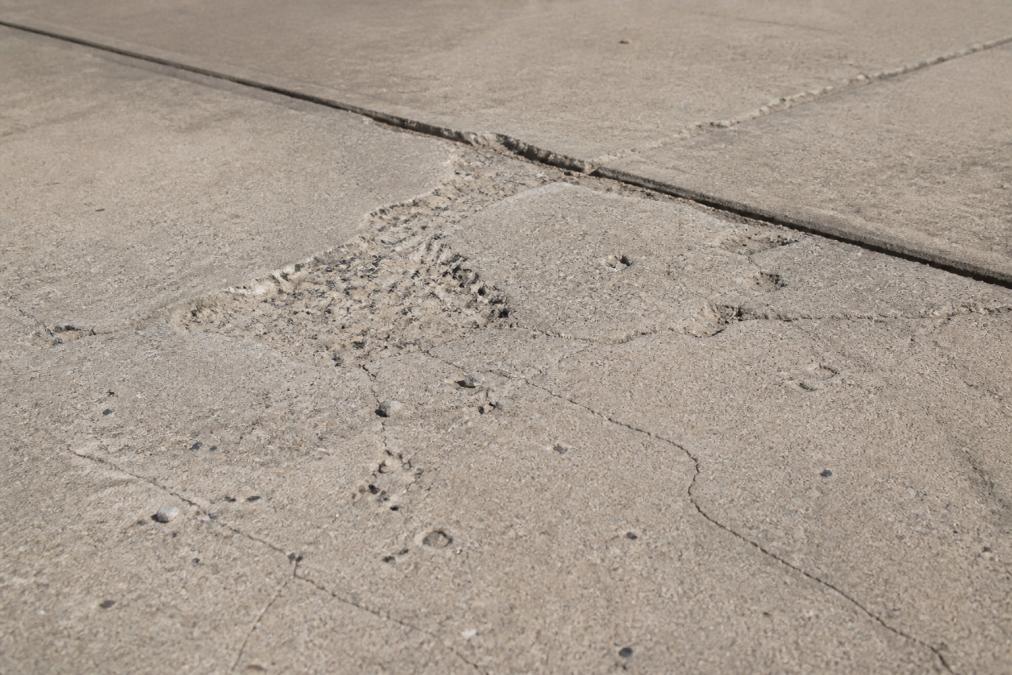
Cracks develop from freeze-thaw cycles, subgrade settlement, concrete shrinkage, or structural stress. Hairline cracks are cosmetic concerns; wider cracks signal movement or moisture intrusion. Spalling, the breakdown of the surface layer into small flakes and pits, typically results from freeze-thaw damage, salt exposure, or poor concrete finishing.
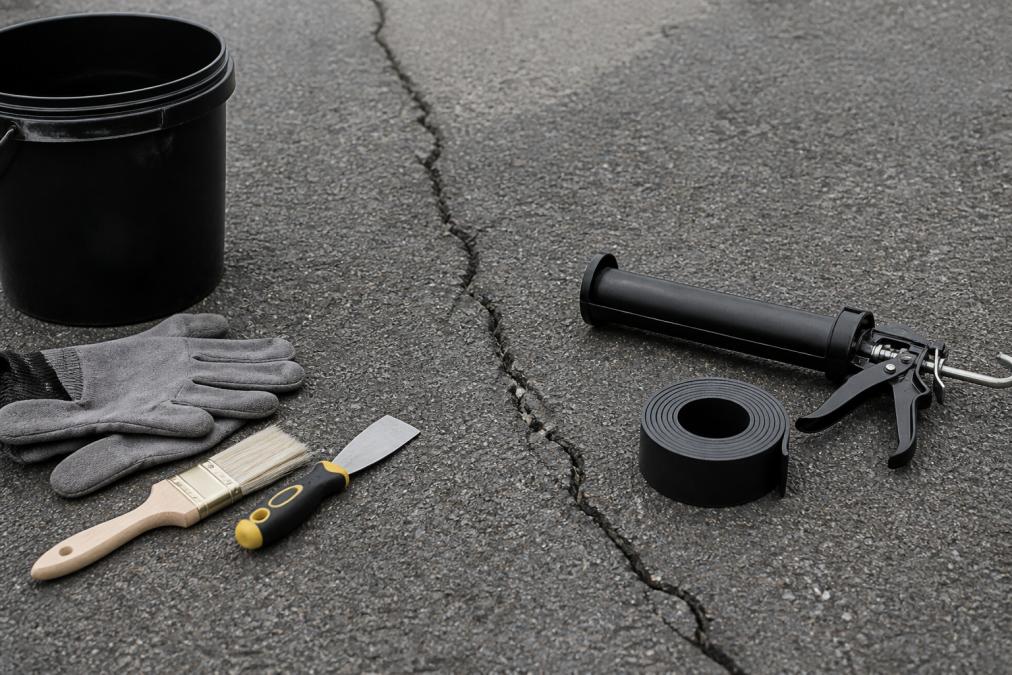
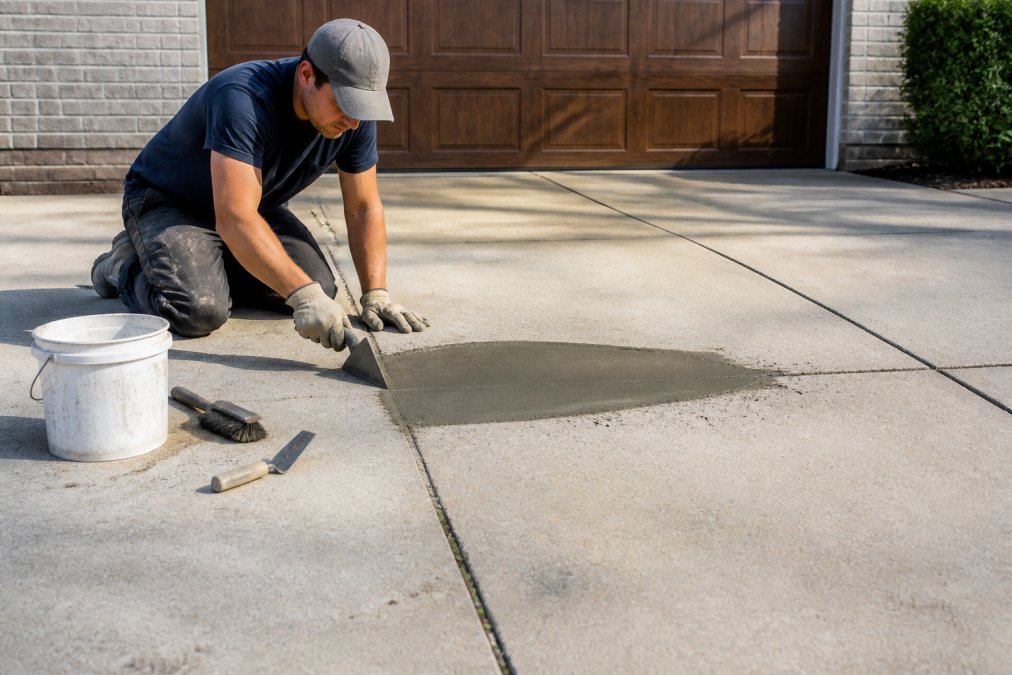
Hairline cracks respond to crack sealing with polyurethane or epoxy caulking. Wider cracks (1/8 to 1/4 inch) often need epoxy injection, which bonds the concrete faces together and restores structural continuity. Spalling requires surface patching with concrete repair compound or, for extensive damage, resurfacing the affected area. The cost difference is substantial: sealing hairline cracks costs significantly less than injecting epoxy into multiple structural cracks.
Settling, Heaving, and Uneven Surfaces
Concrete settling occurs when soil beneath the slab compacts unevenly or erodes. Heaving happens when frost pushes the ground upward in freeze-thaw cycles. Both create trip hazards and drainage problems.
Mudjacking and polyurethane foam injection are the primary solutions. Mudjacking pumps a slurry of soil, cement, and water beneath the sunken section to lift it back to level. It's relatively affordable but slower and less durable than foam injection. Polyurethane foam injection uses expanding foam to fill voids and lift the concrete. It cures quickly (30 minutes to a few hours) and provides superior support for load-bearing surfaces.
Both methods address the sunken slab but not necessarily the root cause. If settling results from poor drainage or eroding soil, the problem may recur unless drainage is improved. Houston Pavement Repair LLC's approach differs: identifying and fixing the underlying cause prevents costly repeat repairs.
Signs Your Driveway Needs Professional Repair
Waiting too long to repair concrete damage turns a manageable problem into an expensive one. Early intervention stops cracks from widening, prevents settling from worsening, and keeps water out of the base layer.
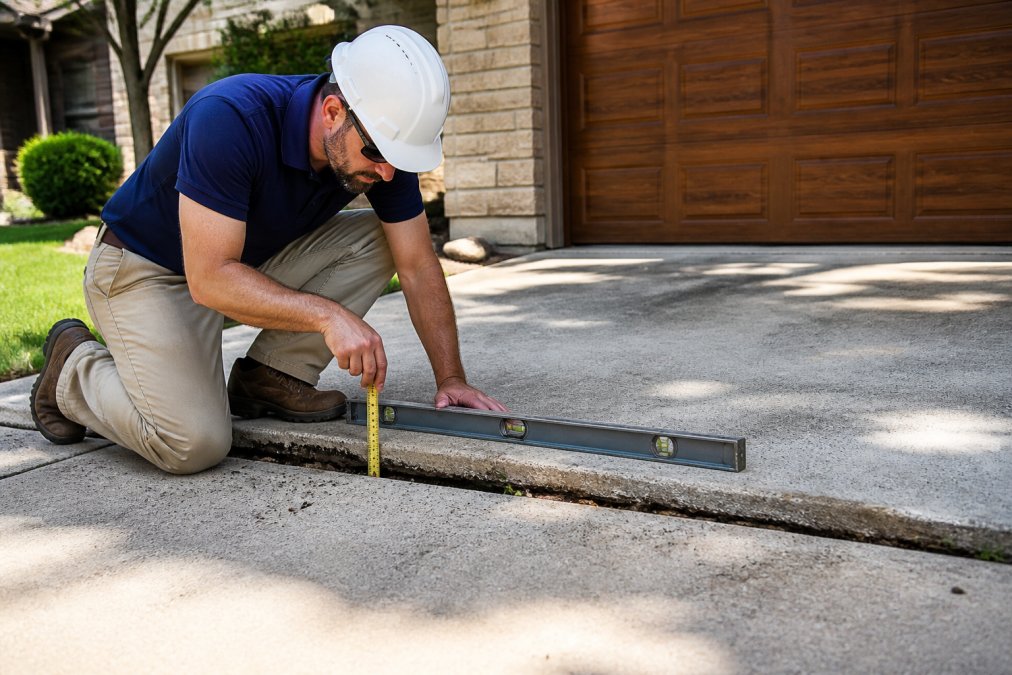
Watch for these warning signs: cracks wider than 1/4 inch, especially if growing visibly week to week; uneven sections where one part of the driveway is noticeably higher or lower than adjacent areas; pooling water after rain suggesting poor drainage; spalling or surface pitting that's spreading; and crumbling edges near the perimeter indicating water infiltration and base erosion.
The most telling sign is when damage repeats in the same location despite previous repairs. This indicates the root cause wasn't addressed. Professional repair means diagnosing why the damage occurred and fixing it, not just treating the visible symptom.
Concrete Driveway Crack Repair Cost Breakdown
Understanding what goes into a crack repair estimate helps you spot fair pricing from inflated quotes. Contractors consider material costs, labor hours, equipment, and the specific repair method.
Crack sealing includes material cost (relatively low), labor to clean the crack and apply sealant, and sometimes equipment rental for power washing or crack-cleaning tools. This is typically the most affordable repair option.
Epoxy injection for structural cracks involves surface preparation, drilling injection ports along the crack, injecting epoxy under pressure, and sealing the ports afterward. The epoxy material costs more than simple caulk, and the process requires trained technicians and specialized injection equipment.
Polyurethane foam injection for leveling requires drilling injection holes at strategic points, injecting foam in stages as it expands, monitoring lift in real time, and stopping when the slab reaches the correct level. Material costs are higher, but the speed of curing and superior durability justify the expense.
Site preparation costs money too. Cleaning the driveway, removing vegetation, and preparing the work area take time. Some contractors include this in labor; others itemize it separately.
Concrete Driveway Resurfacing vs. Replacement: When to Choose Each
At some point, repair becomes uneconomical compared to resurfacing or replacement.
Call now to schedule your free estimate →
Repair and Resurfacing Options
Resurfacing applies a new top layer over the existing concrete. This works well when the base is stable and the damage is primarily surface-level: spalling, minor cracking, or cosmetic wear. Resurfacing costs less than full replacement and extends the driveway's life by 10-15 years. It also allows decorative options: colored concrete, stamped patterns, or textured finishes.
Resurfacing has limits. If the underlying concrete is severely cracked, actively settling, or structurally compromised, an overlay will crack in the same places within a year or two. The base layer must be sound for resurfacing to succeed.
Repair, targeted fixes to specific damage, makes sense when damage is localized and the rest of the driveway is in good condition. This is the most economical approach when damage hasn't spread.
Full Replacement Considerations
Full replacement is the most expensive option but necessary when damage is extensive, structural integrity is compromised, or repeated repairs have failed. If your driveway is more than 25-30 years old, heavily settled, severely cracked, or deteriorating rapidly despite repairs, replacement is often more cost-effective than continued patching.
Replacement also makes sense if you're planning a long-term stay and want a fresh start. A new concrete driveway lasts 30-40 years with proper maintenance. Before committing to replacement, get multiple quotes. Some contractors may recommend it when resurfacing could work.
Labor Rates and Professional Contractor Costs
Labor is typically 40-60% of the total repair cost, depending on the method (bls.gov). Contractors charge hourly rates or per-unit rates (per square foot, per linear foot of crack, per injection hole).
Hourly rates for concrete work vary by region and contractor experience. Highly skilled contractors with strong track records charge more than newer contractors. Experience matters because experienced crews work faster and produce better results.
Per-unit pricing is common for specific repairs. Crack sealing might be quoted per linear foot. Epoxy injection per crack or per injection point. Mudjacking per square foot of lifted concrete. Polyurethane foam injection per square foot.
Equipment rental or ownership affects pricing. Contractors with their own injection equipment, compressors, and specialized tools have lower overhead than those renting.
Getting an Accurate Quote and Avoiding Hidden Costs
A professional quote should be detailed, specific, and transparent. It should itemize the scope of work, materials, labor, equipment, and timeline. Vague quotes leave room for misunderstanding and hidden costs.
Ask contractors to specify what's included. Does the quote include site cleanup and debris removal? Concrete sealer application after repair? Permits or inspections? Understanding what's bundled prevents surprises at the invoice.
Request a site visit before quoting. Contractors who quote over the phone without seeing the damage often miss details that affect pricing. A professional inspection reveals base condition, drainage issues, extent of damage, and whether repairs will address the root cause.
Ask about warranties or guarantees. Reputable contractors stand behind their work. A warranty on materials and workmanship for a set period (typically 1-5 years) indicates confidence.
Get multiple quotes. Three quotes from different contractors give you a pricing range and help you spot outliers. The middle quote isn't always the best; the cheapest often cuts corners, and the most expensive may be overpriced.
Ask for references. A contractor willing to provide contact information for recent clients (ideally within the last 6 months) is confident in their work. Call those references and ask whether the contractor finished on time, stayed within budget, and whether the repair has held up.
Houston Pavement Repair LLC offers free estimates and serves residential and commercial clients in the Houston and Katy area. Our team provides detailed assessments that identify not just the visible damage but the underlying cause, poor drainage, base erosion, or structural issues, so repairs address the root problem, not just the symptom. This approach prevents recurring damage and protects your investment long-term.
Professional concrete driveway repair cost depends on damage type, driveway size, repair method, and labor rates, factors that vary significantly from project to project. The key is understanding what drives pricing so you can evaluate quotes intelligently. Getting a detailed, site-specific estimate from a contractor with proven experience in your area is the only way to know what your repair will actually cost. Houston Pavement Repair LLC provides free estimates and specializes in diagnosing root causes of concrete damage, ensuring repairs solve the problem permanently rather than creating temporary fixes that fail within months. Call now to schedule your free estimate and get a clear picture of what your driveway repair will involve.
Frequently Asked Questions
How much does it cost to fix a concrete driveway?
Professional concrete driveway repair costs depend on damage type, driveway size, and repair method. Surface crack sealing typically costs less than structural repairs like epoxy injection or concrete leveling. Full resurfacing or replacement represents the highest investment. Pricing varies based on site preparation, curing time, and local labor rates. For an accurate estimate specific to your driveway, contact a professional contractor who can assess square footage and damage severity.
What factors influence the final cost of concrete driveway repair?
Key cost factors include damage extent (hairline cracks versus spalling and heaving), driveway square footage, repair method chosen (patching, resurfacing, or leveling), material type (concrete sealer, epoxy injection, or polyurethane foam), labor rates in your area, site preparation requirements, and whether drainage or sub-base work is needed. Climate-specific concerns like freeze-thaw cycles and local building codes also affect pricing and method selection.
When should you choose repair over full driveway replacement?
Choose repair when damage is localized, structural integrity remains sound, and the driveway has years of useful life remaining. Resurfacing works well for surface-level wear. Consider replacement if the driveway shows widespread cracking, severe settling, recurring problems after multiple repairs, or if structural damage threatens foundation stability. A professional inspection reveals whether the sub-base and reinforcement mesh are compromised, which determines repairability.
Can a crumbling concrete driveway be repaired?
Yes, crumbling concrete can often be repaired depending on severity. Surface spalling and minor deterioration respond well to patching and resurfacing. Severe crumbling affecting structural integrity may require concrete leveling, reinforcement repair, or resurfacing with a durable overlay. Professional assessment determines whether targeted repairs restore functionality or if replacement is necessary. Addressing underlying causes like poor drainage and freeze-thaw damage prevents future crumbling.
This article was written using GrandRanker