 listicle
Signs Your Asphalt Needs Professional Repair
Table of Contents
- Alligator Cracking and Surface Fractures
- Potholes and Structural Damage
- Drainage Issues and Standing Water
- Sinking Wheel Paths and Depressions
- Faded or Graying Asphalt Surface
- Asphalt Crack Sealing vs. Patching: Which Fix Do You Need?
- How to Tell If Asphalt Needs Resurfacing Instead of Repair
- Understanding Asphalt Driveway Repair Cost and When to Replace
- Why Professional Repair Is Worth the Investment
- Frequently Asked Questions
Last Updated: September 2, 2026
Alligator Cracking and Surface Fractures
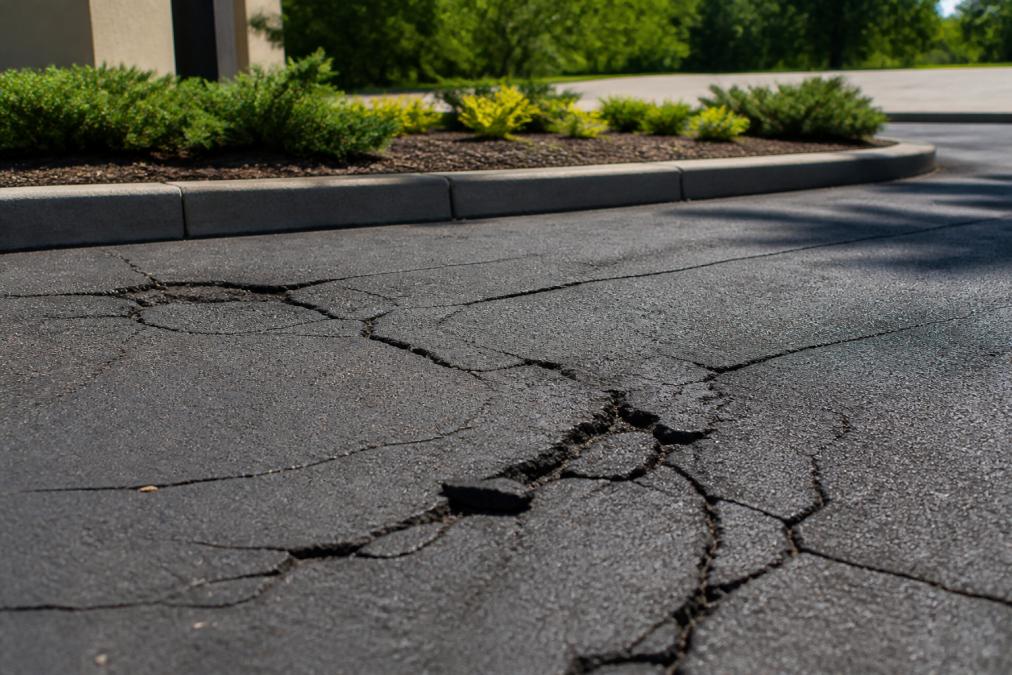
Alligator cracking is one of the earliest signs your asphalt needs professional repair. This interconnected pattern of cracks resembles alligator scales and indicates structural failure beneath the surface. Water infiltrates the base layers, weakening the foundation, and the pattern spreads quickly if left untreated.
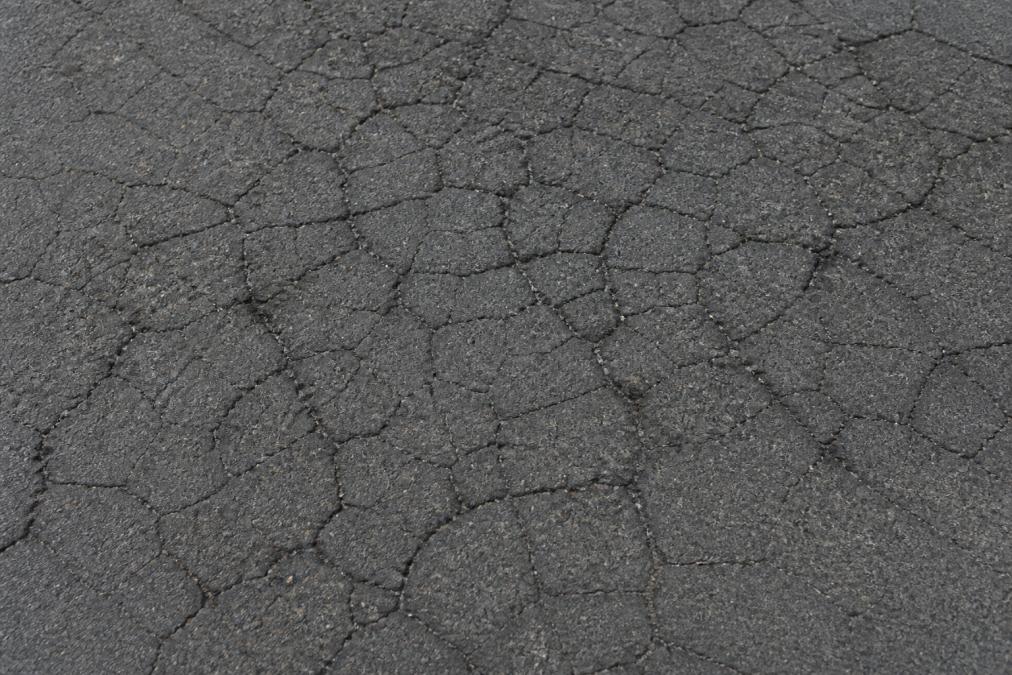
The cause is usually oxidized asphalt binder that has lost flexibility, or base layer failure due to water infiltration and inadequate drainage. Patching won't solve the problem, the affected section needs resurfacing or replacement to seal out water and restore structural integrity.
Potholes and Structural Damage
Potholes form when water seeps into the base layer, weakens it, and the surface collapses under traffic. The hole grows larger with each vehicle that passes, signaling that the sub-base and base layers have already failed.
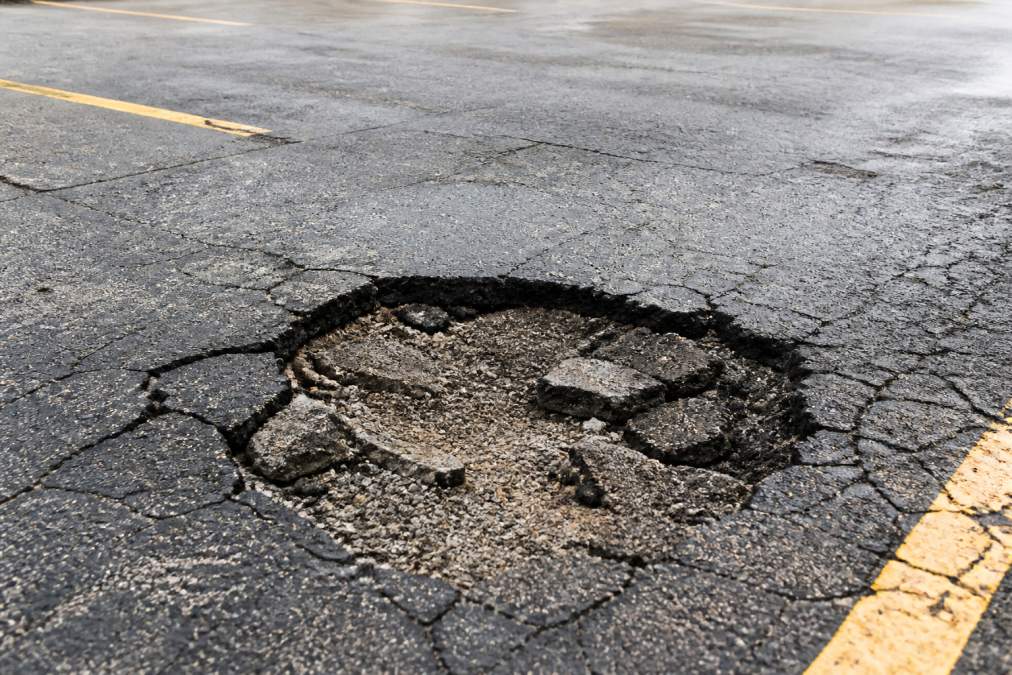
Filling potholes with cold patch is a short-term fix that rarely lasts more than a few months (fhwa.dot.gov). Professional repair requires removing the damaged section down to the base layer, assessing the foundation condition, and either recompacting or replacing the base before laying new asphalt. A single pothole often indicates larger base failure that will produce more potholes soon.
Drainage Issues and Standing Water
Standing water on asphalt is a red flag that the surface slope or subsurface drainage is failing. Properly constructed asphalt sheds water immediately. Water pooling after rain accelerates pavement failure by forcing moisture into base layers, weakening the binder and causing aggregate separation.
The cause can be a sagging surface that wasn't graded correctly, a clogged drainage system, or surrounding soil that doesn't slope away from the pavement. Professional repair addresses the root cause through regrading, installing or cleaning drainage systems, or adding permeable pavement solutions. Simply filling low spots with asphalt is a temporary fix that usually fails within a season.
Sinking Wheel Paths and Depressions
Wheel ruts and depressions form where vehicles repeatedly travel the same path, indicating that asphalt and base layers are compressing under load. The problem typically starts with inadequate base compaction during installation. As the base settles, the asphalt sags, creating visible depressions that collect water and accelerate deterioration.
Patching wheel ruts is ineffective because the underlying base remains unstable. Professional repair requires either removing the affected section and replacing it with properly compacted base material and new asphalt, or using infrared asphalt heating technology to reheat and recompact the existing layers together. A professional assessment can identify all contributing factors to prevent long-term recurrence.
Faded or Graying Asphalt Surface
Faded or graying asphalt indicates surface oxidation. As the asphalt binder oxidizes from UV exposure and weather, it loses color and flexibility, becoming brittle. The aggregate particles begin to separate, a process called raveling, allowing water infiltration and accelerating deterioration.
Faded asphalt that's still structurally sound can be restored with sealcoating, which protects the binder from further oxidation and extends pavement life by several years. However, if raveling has begun, if loose gravel is visible or the surface feels textured, sealcoating alone won't solve the problem. The surface needs resurfacing to remove the damaged layer and install a new wearing surface.
Asphalt Crack Sealing vs. Patching: Which Fix Do You Need?
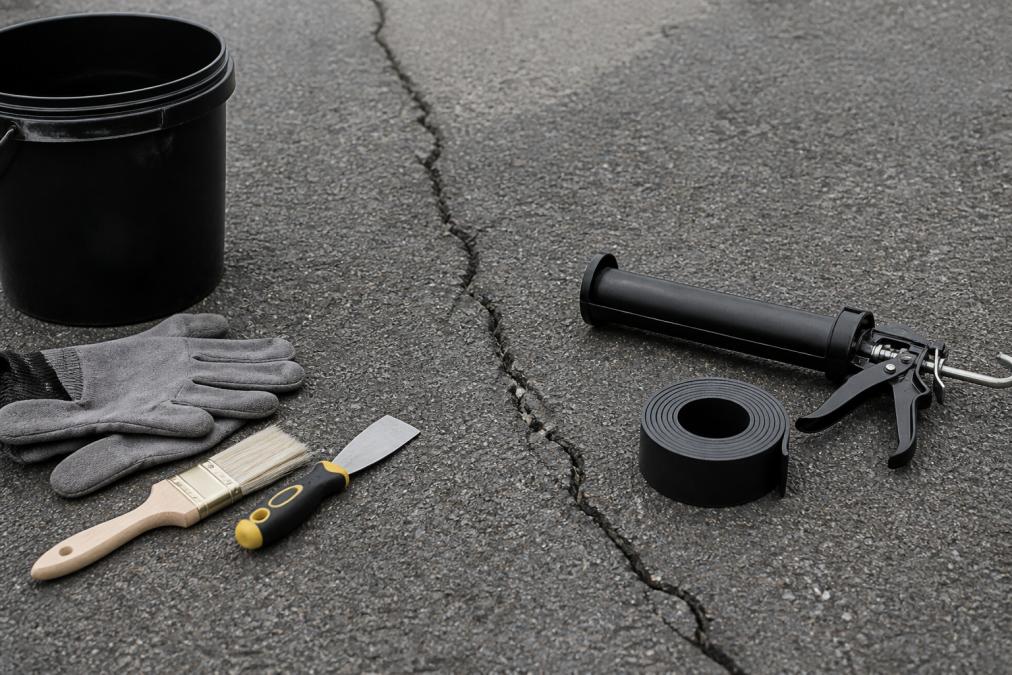
Crack sealing is a preventive treatment for small cracks that haven't caused structural damage. Specialized material is applied into the crack to seal out water and prevent widening. Hairline cracks and surface cracks up to about one-quarter inch wide are candidates for sealing, provided the asphalt on either side remains intact.
Patching is used for larger cracks, potholes, and localized damage. It involves removing damaged asphalt, preparing the base, and installing new material. Patching is only effective if the underlying base is sound; if the base has failed, the patch will fail again.
Professional contractors choose the appropriate method based on crack size and structural condition. A common mistake is applying sealant to cracks too wide or damaged for sealing, wasting money on temporary fixes.
Call now to schedule your free estimate →
How to Tell If Asphalt Needs Resurfacing Instead of Repair
Resurfacing is appropriate when:
- Alligator cracking covers more than 20% of the surface (fhwa.dot.gov)
- Multiple potholes are forming across the pavement
- The surface is raveling significantly with loose aggregate visible
- Wheel ruts are deep and widespread
- The asphalt is 15-20 years old and showing general deterioration
Resurfacing does not address base layer failure. If the base is compromised, resurfacing will fail as the new asphalt sinks and cracks. Full removal and replacement is necessary when the base has failed, multiple areas show structural failure, drainage problems are widespread, or the asphalt is more than 25 years old with severe deterioration.
Resurfacing typically costs less than half of full replacement. Houston Pavement Repair LLC includes thorough base evaluation in every estimate to determine whether repair, resurfacing, or replacement is the right choice.
Understanding Asphalt Driveway Repair Cost and When to Replace
Crack sealing costs between $1-3 per linear foot and is the least expensive option. Pothole patching costs more due to labor and material requirements. Resurfacing involves removing and replacing the top asphalt layer and is substantially less expensive than full replacement. Full replacement, removing the entire pavement structure and rebuilding from the base up, is the most expensive option.
Early intervention prevents expensive repairs later. A property owner who invests in crack sealing and regular sealcoating can extend asphalt life by 5-10 years and avoid expensive resurfacing or replacement. Houston Pavement Repair LLC provides free estimates so you can understand the scope of work and longevity of each repair option.
Why Professional Repair Is Worth the Investment
DIY asphalt repair almost always results in poor outcomes. Cold-patch asphalt sold at hardware stores doesn't bond properly to existing asphalt, doesn't compact effectively, and typically fails within months. Professional hot-mix asphalt is heated to the correct temperature, compacted to proper density, and bonds securely to the existing surface.
Professional contractors evaluate the base condition, drainage, and root causes of damage to determine the appropriate repair method. Without this assessment, you're guessing at what will actually solve the problem. Professional contractors also carry insurance and stand behind their work.
The investment in professional repair pays for itself through longer-lasting results and prevention of future damage. Houston Pavement Repair LLC identifies the root cause of damage and fixes it, preventing recurring failures and extending pavement life.
The difference between a temporary patch and a lasting solution comes down to addressing root causes. Whether you're dealing with alligator cracking, drainage issues, or surface deterioration, professional assessment and repair prevent small problems from becoming expensive failures. Houston Pavement Repair LLC specializes in identifying what's actually wrong with your asphalt and recommending the repair method that will keep your pavement in top condition for years to come. Contact Houston Pavement Repair LLC today to schedule your free estimate and let our experienced team assess your pavement's condition. We serve residential and commercial properties throughout the area with reliable, high-quality solutions that deliver lasting results.
Frequently Asked Questions
What are the most common signs your asphalt needs professional repair?
The most visible indicators include alligator cracking, potholes, standing water, wheel ruts, faded or graying surface color, and raveling at the edges. Any of these signals that water is infiltrating the asphalt structure or that the base support is failing. Early intervention prevents small issues from becoming expensive replacements. If you notice multiple signs together, professional evaluation becomes critical.
What's the difference between asphalt crack sealing and patching?
Crack sealing fills hairline cracks (typically under 1/2 inch) with flexible material to prevent water infiltration, extending pavement life at a lower cost. Patching addresses larger cracks and surface damage by removing the damaged section and replacing it with new asphalt. Use crack sealing for preventive maintenance on early-stage damage; use patching when cracks are wider or structural integrity is compromised. A professional inspection determines which approach your asphalt needs.
How do you know if your asphalt needs resurfacing instead of repair?
Resurfacing becomes necessary when damage is widespread across the surface, the pavement shows extensive alligator cracking, multiple large potholes exist, or the base layer has failed in several areas. If repairs would cost more than 50% of a resurfacing job, replacement makes financial sense. A professional assessment can determine whether your asphalt pavement maintenance should focus on targeted repairs or a full resurfacing to restore structural integrity and extend load-bearing capacity.
Can you repair asphalt cracks yourself, or do you need a professional?
Small, isolated hairline cracks can be addressed with cold-pour crack fillers available at hardware stores, which work best on dry pavement. However, professional repair is recommended for cracks wider than 1/2 inch, multiple cracks indicating base failure, or any crack that allows water infiltration. Professionals use proper equipment and materials to ensure the repair addresses the root cause rather than just the surface symptom, preventing recurring damage in the same spots.
This article was written using GrandRanker