 listicle
Signs Your Parking Lot Needs Resurfacing
Table of Contents
- Alligator Cracking and Pattern Distress
- Recurring Potholes and Surface Failures
- Standing Water and Drainage Issues
- Faded Striping and Pavement Markings
- Asphalt Oxidation and Raveling
- Asphalt Resurfacing vs Replacement: What You Need to Know
- Parking Lot Resurfacing Cost Per Square Foot and Budget Planning
- Commercial Parking Lot Maintenance Tips to Extend Pavement Life
- Frequently Asked Questions
Last Updated: August 31, 2026
Alligator Cracking and Pattern Distress
Alligator cracking is a clear indicator that your parking lot needs resurfacing. This distinctive pattern of interconnected cracks resembles alligator skin, forming a web-like network across the asphalt surface and signaling that the structural integrity of your pavement has been compromised.
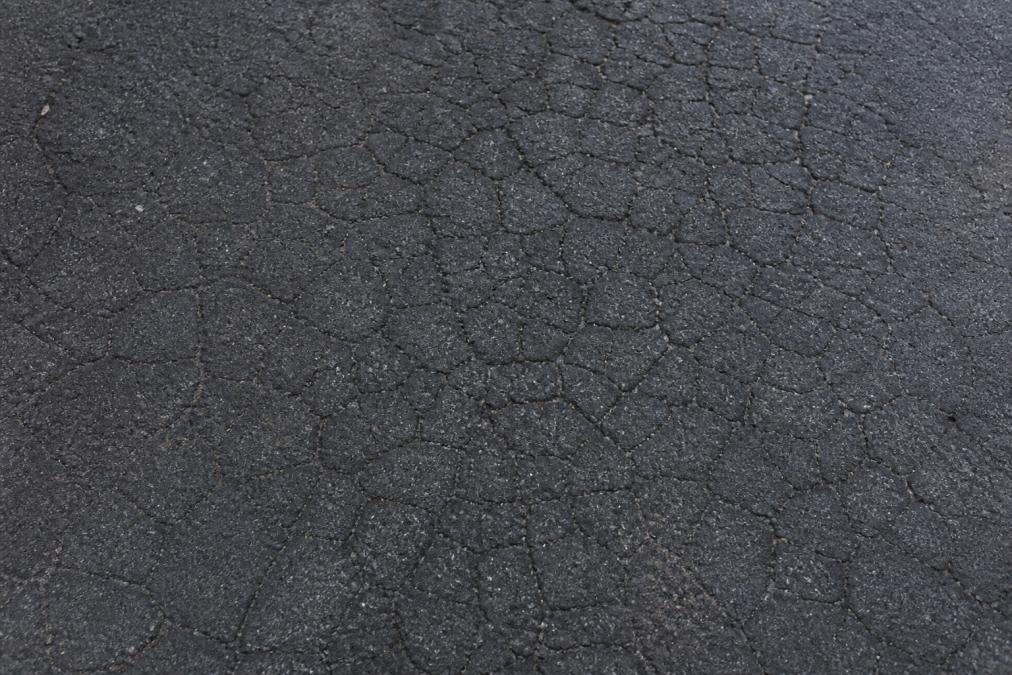
Alligator cracking develops when the asphalt surface course loses its bond with the binder course beneath it due to repeated stress from vehicle traffic combined with age-related deterioration. The Federal Highway Administration's Distress Identification Manual for the Long-Term Pavement Performance Program notes that alligator cracking typically begins in areas of highest traffic stress and spreads outward. Once it covers more than 10-20% of your parking lot surface, resurfacing becomes necessary rather than optional (fhwa.dot.gov).
Alligator cracking indicates fatigue failure of the asphalt material itself. At Houston Pavement Repair LLC, we understand that patching alligator cracks often provides only a temporary fix because the root cause is fundamental breakdown of the pavement structure.
Recurring Potholes and Surface Failures
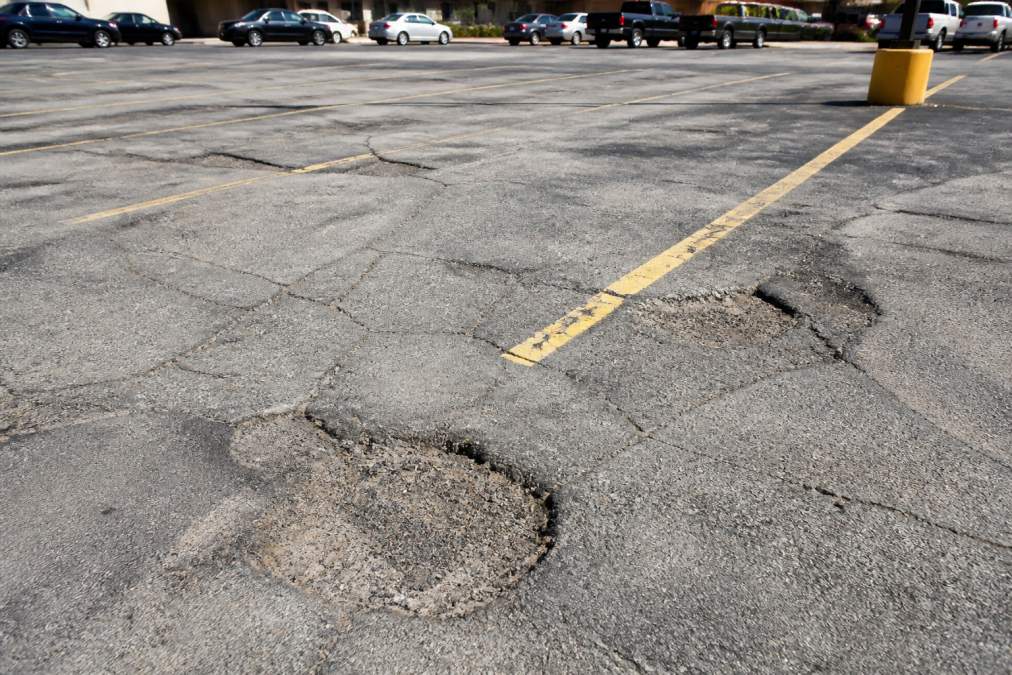
Recurring potholes indicate that your pavement is failing structurally rather than gradually. When the same pothole returns after being filled multiple times, you're dealing with a problem that extends beyond the visible surface.
Potholes form when water seeps through cracks and weakens the base layers beneath the asphalt. Temporary repairs fill the hole but don't address the water infiltration or base damage, so the pothole returns. A single pothole in otherwise sound pavement can be repaired effectively, but multiple potholes or the same pothole reappearing in the same location signals that the pavement structure is compromised.
Surface failures extend beyond potholes to include spalling, where chunks of asphalt break away, and raveling, where aggregate particles separate from the binder. These failures accelerate once they begin because exposed base material breaks down faster under traffic and weather exposure.
Standing Water and Drainage Issues
Standing water pooling on your parking lot surface is a direct sign that your parking lot needs resurfacing, particularly when combined with other distress indicators. Proper asphalt parking lots should shed water immediately toward drainage structures.
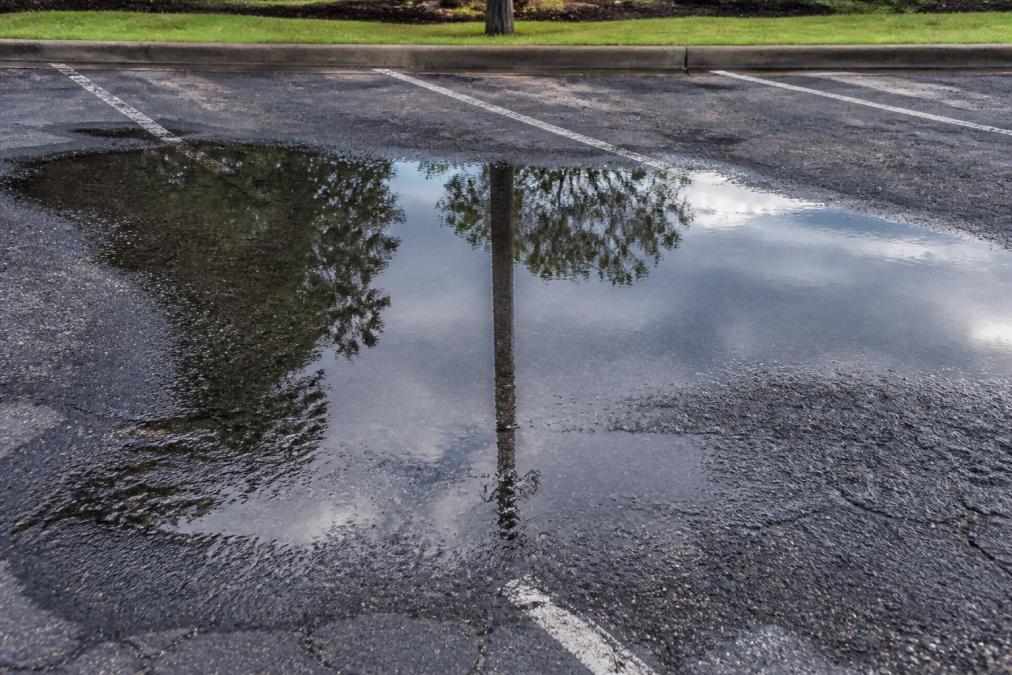
Drainage issues develop as asphalt settles unevenly over time. New pavement is crowned or sloped to direct water toward catch basins, but as the pavement ages and traffic loads create differential settling, these slopes flatten or reverse. Standing water penetrates through the asphalt surface into base layers, weakening the subgrade (peer-reviewed research). The freeze-thaw cycle accelerates this damage as water expands when frozen, breaking apart base material and creating voids beneath the surface.
Standing water also creates safety hazards by obscuring potholes and cracks, and in commercial settings, it creates liability concerns and suggests poor property maintenance. When standing water persists after rain in multiple locations, resurfacing with proper drainage planning becomes necessary because the drainage slope failure indicates that the original pavement grade has been compromised.
Faded Striping and Pavement Markings
Faded parking lot striping and worn pavement markings signal that your asphalt surface has undergone significant oxidation and weathering. Oxidation occurs when ultraviolet light and oxygen break down the binder that holds asphalt together, turning the surface gray and chalky while losing its original black color.
Faded striping creates functional problems: unclear parking spaces lead to confusion and poor space use, fire lanes become difficult to identify, and the lot appears neglected and unprofessional. Restriping alone provides only temporary improvement because the underlying surface continues to oxidize. Proper solutions require addressing the oxidation itself through resurfacing.
Asphalt Oxidation and Raveling
Asphalt oxidation represents the chemical breakdown of your pavement's binder. Over time, exposure to sunlight, oxygen, and temperature fluctuations causes the binder to harden and become brittle. Raveling is the physical consequence: as the binder deteriorates, aggregate particles lose their adhesion and separate from the surface, creating rough, pitted pavement with loose stones.
Oxidized asphalt becomes less flexible and more prone to cracking under traffic stress, accelerating the formation of ruts, potholes, and structural failures. Climate plays a substantial role in oxidation rates; areas with intense sun exposure, high temperatures, and freeze-thaw cycles experience accelerated oxidation. Regular sealcoating can slow oxidation, but once raveling becomes visible across significant portions of your lot, the damage has progressed beyond what preventative maintenance can address.
Call now to schedule your free estimate →
Asphalt Resurfacing vs Replacement: What You Need to Know
Asphalt resurfacing involves removing the top layer of deteriorated pavement and installing a new wearing course over the existing base layers. This approach works when the subgrade and base layers remain structurally sound. Resurfacing preserves the existing foundation while addressing surface distress, oxidation, and wear, and is faster and less expensive than full replacement.
Replacement removes the entire pavement structure down to the subgrade and rebuilds all layers from the foundation up. This approach is necessary when base layer failure, severe drainage problems, or subgrade issues exist. A thorough pavement evaluation can determine whether your lot is a candidate for resurfacing or requires full replacement.
Parking Lot Resurfacing Cost Per Square Foot and Budget Planning
Parking lot resurfacing cost per square foot varies based on lot size, existing pavement condition, drainage requirements, and local market conditions. The most reliable approach is obtaining quotes from qualified contractors who can evaluate your specific lot.
When comparing resurfacing quotes, ensure you understand what's included in each estimate. Some contractors include surface preparation, striping, and drainage improvements, while others price these separately. Budget planning should account for timeline considerations as well, since resurfacing projects typically require your lot to be closed during work.
Commercial Parking Lot Maintenance Tips to Extend Pavement Life
Proper maintenance significantly extends your parking lot's service life and delays the need for resurfacing. Regular seal coating is the most effective maintenance practice, protecting asphalt from oxidation, water penetration, and chemical spills. Applying sealcoat every 2-3 years extends pavement life substantially.
Prompt pothole repair prevents small problems from becoming major structural failures. Regular inspection, at least twice yearly, catches new damage early when repairs are most effective. Maintain proper drainage by keeping catch basins clear of debris, manage traffic patterns to distribute loads evenly, and control chemical exposure by cleaning spills promptly.
| Maintenance Task | Frequency | Impact on Pavement Life |
|---|---|---|
| Seal coating | Every 2-3 years | Extends life by 5-10 years |
| Pothole repair | As needed, typically 1-2 times yearly | Prevents structural failure |
| Crack sealing | Annually for small cracks | Prevents water infiltration |
| Drainage cleaning | Spring and fall | Prevents standing water damage |
| Street sweeping | Monthly | Removes debris, prevents moisture traps |
| Line striping refresh | Every 2-3 years | Maintains visibility and safety |
Recognizing the signs your parking lot needs resurfacing early allows you to plan and budget for this significant investment. Alligator cracking, recurring potholes, standing water, faded markings, and visible oxidation are all indicators that your pavement has reached the end of its effective service life. Addressing these issues through resurfacing restores safety, improves appearance, and protects your property investment.
When you're ready to evaluate your parking lot's condition and discuss resurfacing options, Houston Pavement Repair LLC provides expert assessment and reliable solutions. Our team specializes in identifying the root causes of pavement distress and recommending the approach that delivers the best long-term value for your property. Call now to schedule your free estimate and get a clear understanding of your parking lot's condition and the best path forward.
Frequently Asked Questions
What's the difference between sealcoating and parking lot resurfacing?
Sealcoating is a preventative maintenance treatment that applies a protective layer to the surface, extending asphalt life and protecting against oxidation and water penetration. Parking lot resurfacing removes the top layer of deteriorated asphalt and applies a new surface course, addressing structural issues and extending pavement life. Use sealcoating on well-maintained lots; choose resurfacing when you see alligator cracking, potholes, or significant surface deterioration.
How often does a parking lot need to be resurfaced?
The frequency for parking lot resurfacing depends on traffic volume, climate, and maintenance history. Regular sealcoating and prompt pothole repairs can extend the interval between resurfacing. Climate-specific factors, such as freeze-thaw cycles and intense sun exposure, may accelerate the need for resurfacing in your area.
How long does parking lot resurfacing last?
The lifespan of asphalt resurfacing depends on traffic volume, drainage quality, climate conditions, and maintenance. Lots with good drainage, regular sealcoating, and prompt repair of potholes and cracks often see extended service life. Commercial lots with heavy traffic may see shorter service life.
What does resurfacing a parking lot mean?
Parking lot resurfacing involves milling away the top layer of deteriorated asphalt and replacing it with a new surface course. This process removes distressed material while preserving the underlying base layers, which reduces costs compared to full replacement. Resurfacing addresses surface-level problems like cracking, raveling, and oxidation while maintaining structural integrity. It's a cost-effective alternative to complete asphalt replacement when the subgrade and base course are still sound.
This article was written using GrandRanker