 ultimate-guide
What Causes Driveway Cracks in Houston
Table of Contents
- Why Driveway Cracks Form in This Climate
- Expansive Clay Soil and Foundation Settling
- Moisture, Humidity, and Water Pooling
- Temperature Fluctuations and Thermal Expansion
- Poor Installation and Concrete Mix Issues
- How to Prevent Driveway Cracks
- When to Call a Professional for Driveway Repair
- Asphalt Driveway Repair Cost and Material Options
- Frequently Asked Questions
Last Updated: September 18, 2026
Why Driveway Cracks Form in This Climate
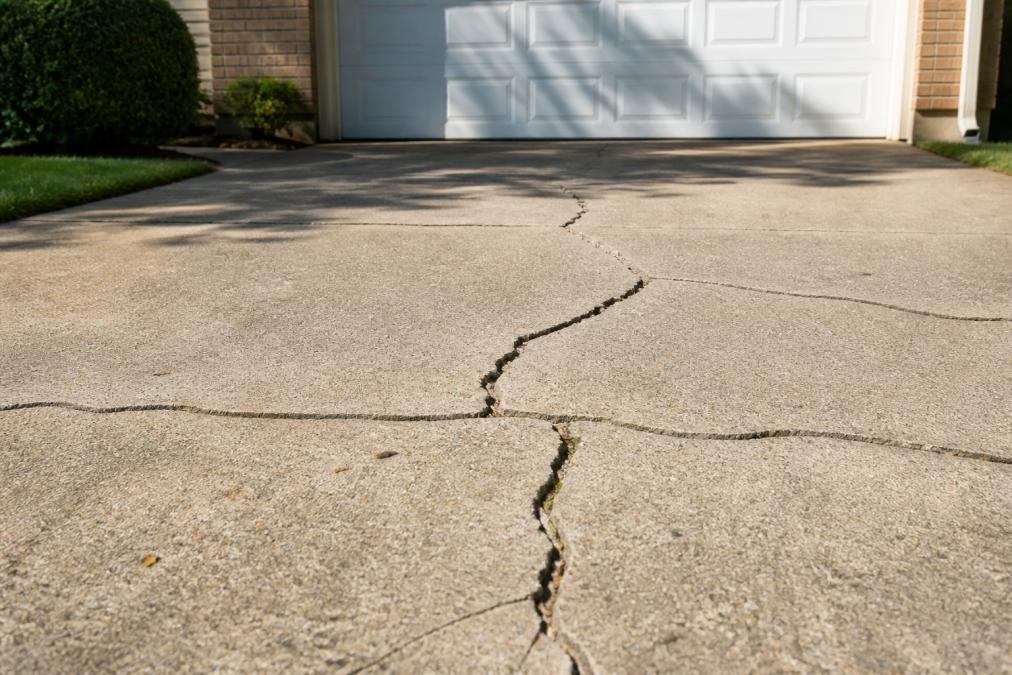
Understanding what causes driveway cracks in Houston reveals that they are rarely a simple wear-and-tear problem. The combination of expansive clay soil, intense humidity, temperature swings, and heavy rainfall creates a perfect storm for pavement failure. Most homeowners assume their driveway just needs patching, but that approach ignores the root causes underneath.
The real issue is that Houston's environment constantly works against concrete and asphalt. Your driveway sits on soil that expands when wet and shrinks when dry. The concrete slab above it flexes with temperature changes. Water pools in low spots because drainage fails. All of this happens simultaneously, and the surface cracks are just the visible symptom of deeper movement.
Understanding what causes driveway cracks in Houston means looking at the specific geological and climate conditions that make this region unique. When you know the cause, you can choose the right repair method and prevent the problem from recurring. That's the difference between a temporary patch and a lasting solution.
Expansive Clay Soil and Foundation Settling
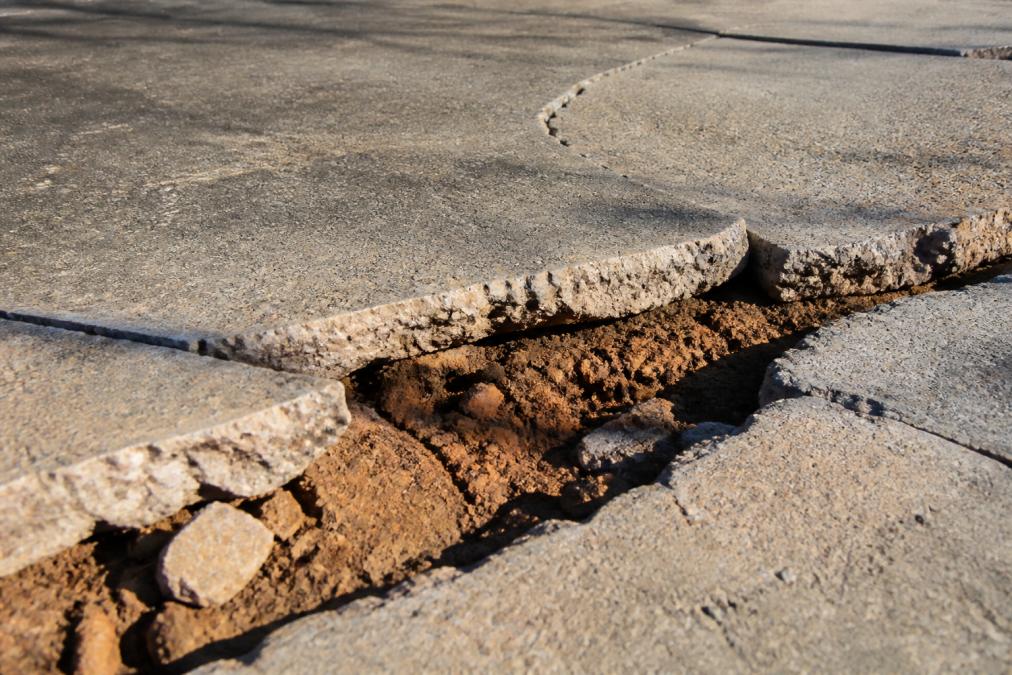
Expansive clay soil is the primary culprit behind driveway cracks in Houston. This soil type swells dramatically when it absorbs moisture and shrinks significantly when it dries out. The concrete slab sitting on top of this unstable base moves up and down with the soil's moisture cycle, creating stress that eventually cracks the surface.
Houston's clay-heavy subgrade doesn't compress evenly during initial installation. Voids and weak spots in the compaction create differential settlement, meaning different parts of your driveway settle at different rates. Over months and years, this uneven settling creates low spots and high spots across the slab. The concrete can't flex enough to accommodate this movement, so it fractures.
A common mistake is assuming your driveway cracked because of poor concrete mix or installation. The real problem often starts with inadequate subgrade preparation. If the soil beneath wasn't properly compacted during the original paving, or if vegetation and roots later disturb the soil, the foundation becomes unstable. The concrete mix itself may be perfectly fine, but it's sitting on a foundation that's constantly shifting.
The stabilization of expansive clay requires more than just filling cracks. Addressing the underlying soil conditions when recommending repairs is crucial, because patching a crack without stabilizing the subgrade often guarantees the crack will return in the same location.
Moisture, Humidity, and Water Pooling
Houston's humidity averages above 70% year-round, and the region receives 50+ inches of rainfall annually. This constant moisture exposure keeps the clay soil in a perpetual state of expansion. Even when it's not actively raining, the humidity prevents the soil from drying out completely.
Water pooling on your driveway accelerates this problem. When drainage fails and water sits on the surface, it seeps into cracks and down through the concrete into the subgrade. This increases moisture content in the clay soil, causing it to expand more aggressively. The trapped water also creates hydrostatic pressure, which pushes upward against the concrete slab from below.
Poor drainage design is a preventable cause of driveway cracks in Houston. If your driveway was installed without proper slope toward drainage areas, or if gutters and downspouts direct roof runoff directly onto the pavement, you're creating a moisture problem that will eventually crack the surface. Many driveways fail not because of bad concrete, but because water management was overlooked during installation.
Seepage through existing cracks compounds the damage. Once a small crack forms, water enters the concrete, freezes during rare cold snaps, and expands the crack further. The permeability of concrete means it's not waterproof, even though it looks solid. Over time, this cycle weakens the structural integrity of the slab.
Temperature Fluctuations and Thermal Expansion
Concrete expands when heated and contracts when cooled. In Houston, temperature swings can be dramatic. A driveway in direct sun can reach 140°F on a hot summer day, then cool to 60°F overnight. This thermal expansion and contraction stress the concrete constantly.
The concrete mix used in your driveway has a specific coefficient of thermal expansion. If the mix wasn't properly designed for Houston's climate, or if control joints weren't installed at the right spacing, the slab can't accommodate this movement. The concrete gets locked in place by friction with the subgrade, and the internal stress builds until the slab cracks.
Control joints are supposed to provide relief for this thermal stress. These intentional cuts in the concrete allow the slab to move without creating random cracks. However, many driveways either have poorly spaced control joints or none at all. When joints are spaced too far apart, the concrete between them experiences too much stress during temperature changes.
A freeze-thaw cycle, though less common in Houston than northern climates, still occurs during occasional winter weather. Water trapped in small cracks freezes and expands, widening the cracks. This is why cracks that form in fall often grow noticeably larger by spring.
Poor Installation and Concrete Mix Issues
Not all concrete mixes are created equal. The aggregate composition, water-to-cement ratio, and curing process all affect how the concrete will perform under Houston's specific conditions. A mix designed for a temperate climate may not handle the thermal and moisture stresses of Houston.
Improper concrete mixing is a common installation mistake. If the concrete was mixed too wet, it loses strength as it cures. If it was mixed too dry, it won't bond properly. The permeability of the finished concrete depends directly on how well it was mixed and how thoroughly it was placed without air pockets.
Curing is the process where concrete gains strength over time. Concrete needs proper moisture and temperature conditions during the first 7-28 days after pouring.
| Installation Factor | Common Problem | Result |
|---|---|---|
| Concrete mix design | Not optimized for Houston climate | Weak concrete, early cracking |
| Mixing process | Too wet or too dry | Poor bonding, reduced strength |
| Curing conditions | Rushed or improper moisture | Premature cracking during use |
| Control joint spacing | Too far apart or missing | Random cracks from thermal stress |
| Subgrade preparation | Inadequate compaction | Differential settlement, uneven surface |
| Reinforcement placement | Shallow or misaligned | Cracks propagate through full depth |
How to Prevent Driveway Cracks
Prevention starts with proper site preparation. Before any concrete is poured, the subgrade must be compacted to 95% standard proctor density. This removes voids and ensures even support across the entire driveway area. Skipping this step guarantees future settling problems.
When to Call a Professional for Driveway Repair
Small hairline cracks (less than 1/4 inch wide) can sometimes be sealed with caulk to prevent water intrusion. But if cracks are wider than 1/4 inch, or if multiple cracks appear in a pattern, the underlying problem is likely structural. This is when professional assessment becomes essential.
Asphalt Driveway Repair Cost and Material Options
Asphalt driveways have different failure modes than concrete, but Houston's climate still causes problems. Asphalt is more flexible than concrete, so it resists cracking better. However, the intense heat softens asphalt, and water penetration causes the base layer to weaken and settle.
Frequently Asked Questions
Are hairline cracks in a driveway normal?
Small hairline cracks are common in concrete driveways, especially during the first few years after installation as the concrete cures and settles. However, hairline cracks can expand over time if water seeps into them, freezes, and causes freeze-thaw damage. In this climate, hairline cracks should be sealed promptly to prevent moisture penetration and further deterioration. If cracks are widening or appearing in new clusters, that signals deeper issues with drainage, soil movement, or poor installation that need professional evaluation.
How does expansive clay soil affect driveway stability?
Expansive clay soil absorbs moisture and swells, then shrinks as it dries. This constant expansion and contraction creates uneven pressure on your concrete slab, causing it to settle unevenly and crack. The subgrade beneath your driveway shifts with seasonal humidity changes, which is especially pronounced in this region. When soil voids develop under the slab due to settling, the concrete loses support and breaks. Professional compaction and proper drainage during installation can minimize this problem, but the soil type itself makes cracking more likely without preventive measures.
Can cracks in a driveway be fixed?
Yes, driveway cracks can be repaired, but the success depends on the cause and size. Small cracks can be sealed with concrete caulk or epoxy injection to prevent water infiltration. Larger cracks or those caused by structural settling may require patching, resurfacing, or in severe cases, full replacement. The key is addressing the root cause: if water pooling or poor drainage caused the crack, those issues must be fixed or the crack will return. A professional inspection identifies whether you need a temporary patch or a permanent solution that addresses the underlying problem.
What role does extreme heat play in asphalt and concrete deterioration?
High temperatures cause asphalt and concrete to expand, which can exceed the capacity of control joints and create stress that leads to cracking. Thermal expansion is especially severe when dark asphalt absorbs heat, reaching surface temperatures well above air temperature on sunny days. This daily expansion and contraction, combined with the region's humidity and temperature swings between seasons, accelerates the breakdown of the binder in asphalt and causes micro-cracks that grow into larger fissures. Proper installation with adequate control joints and regular seal coating helps the material withstand thermal stress.
Driveway cracks in Houston are a symptom of the environment, not just normal wear. Whether you're dealing with expansive clay, poor drainage, or a failed installation, the solution depends on identifying the actual cause. Houston Pavement Repair LLC provides free estimates that diagnose what's really wrong with your driveway, so you can choose a repair method that actually lasts. Call now to schedule your free estimate and stop wasting money on temporary patches.