 how-to
Best Time of Year for Parking Lot Sealcoating
Table of Contents
- Best Time of Year for Parking Lot Sealcoating: The Short Answer
- Best Temperature for Sealcoating: Air, Surface, and Overnight Lows
- Spring vs. Summer vs. Early Fall: Weighing Each Sealcoating Window
- Parking Lot Sealcoating Cost: What Drives the Price
- A Weather Decision Checklist and Scheduling Tips for Commercial Lots
- Frequently Asked Questions
Last Updated: October 21, 2026
Best Time of Year for Parking Lot Sealcoating: The Short Answer
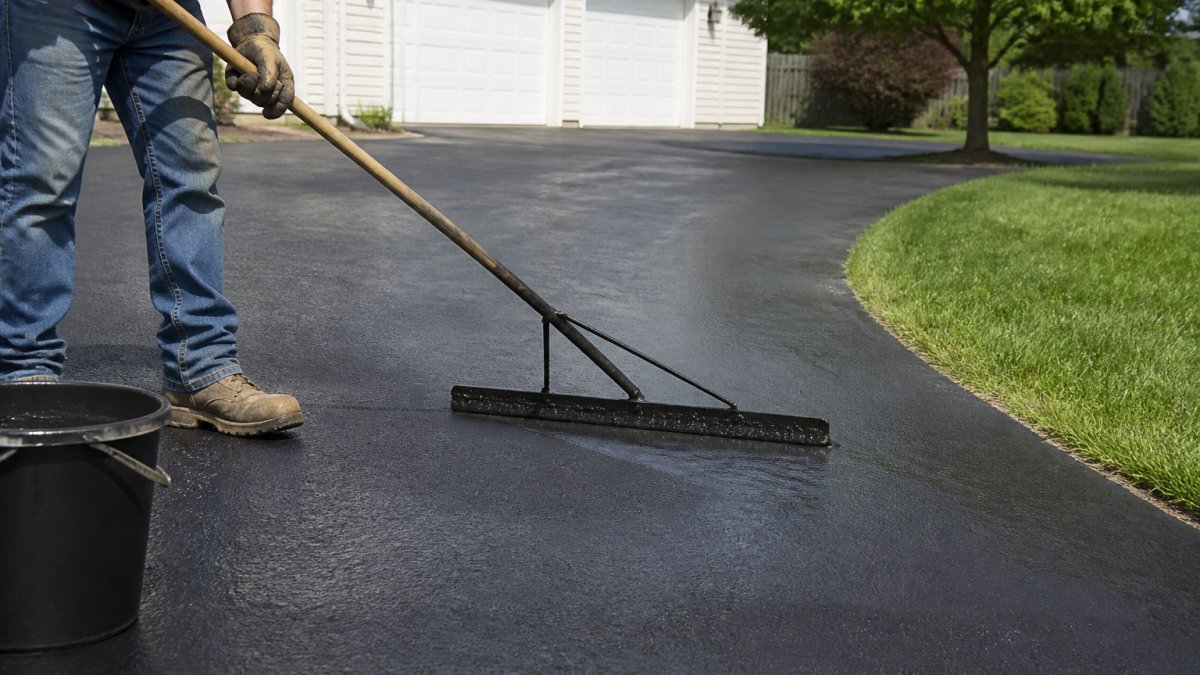
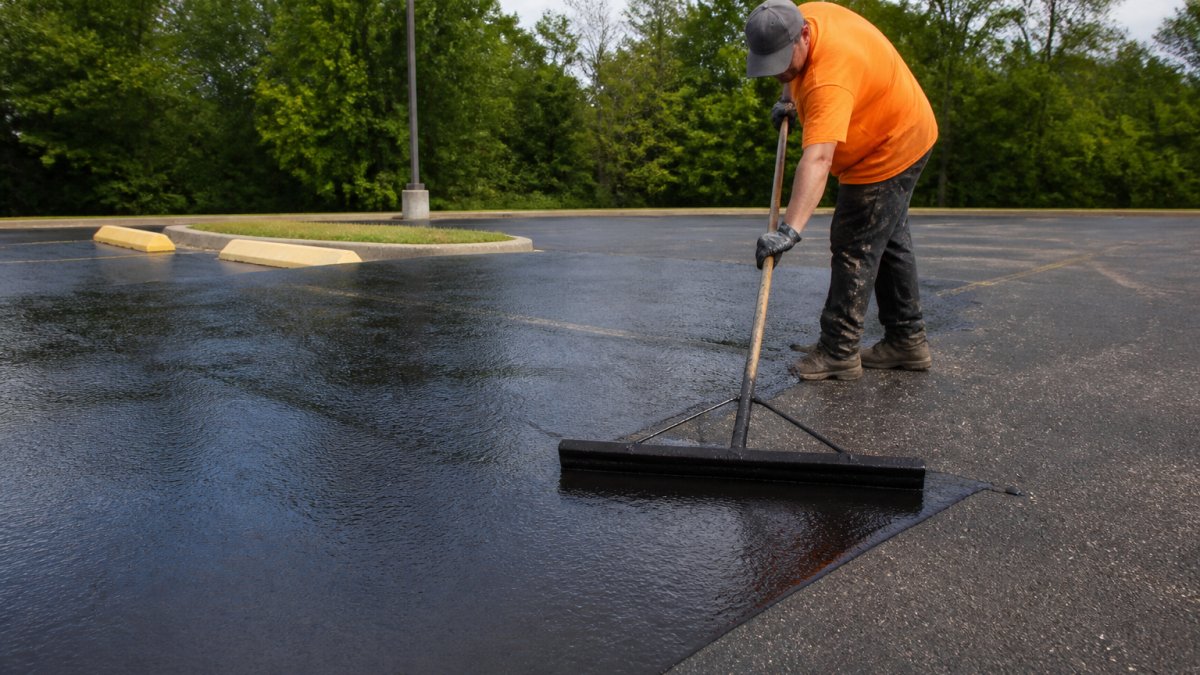
The best time of year for parking lot sealcoating is late spring through early fall, roughly late April to early October. That window gives you warm air, warm pavement, and enough rain-free days for the coating to cure. The short answer sounds simple. The scheduling is not.
We plan sealcoat work around temperature and weather, not the calendar alone. A cool morning in April can fail just as fast as a hot afternoon in August.
Below, we'll show you exactly how to pick your window, what temperatures matter, and how to avoid the costly mistakes that force a redo.
Best Temperature for Sealcoating: Air, Surface, and Overnight Lows
The best temperature for sealcoating is 55°F and rising, measured in the air and on the pavement. Most manufacturers also want the surface above 50°F. Overnight lows matter just as much as daytime highs.
Here's what to watch:
- Air temperature: 55°F minimum, and climbing
- Pavement temperature: 50°F minimum at application
- Overnight low: stay above 50°F for the first 24 hours
- Rain: none during application and for the curing window
Cold pavement slows curing. Sealcoat that sits wet too long can track, peel, or fail to bond.
Why 55°F and Rising Matters More Than the Daytime High
A 70°F afternoon tells you nothing if the pavement was 45°F at sunrise. The surface holds the cold. Sealcoat applied to a cold surface sets slowly and bonds weakly.
Pavement temperature should be checked with a contact thermometer, not the weather app. If the surface is still cold, it's best to wait. That one habit prevents most early-season failures.
Spring vs. Summer vs. Early Fall: Weighing Each Sealcoating Window
Each season has trade-offs. Spring brings rain risk. Summer brings heat and traffic. Early fall brings cooler nights but stable weather. The difference between a good sealcoat job and a failed one usually comes down to which trade-off you manage best, not which season you pick.
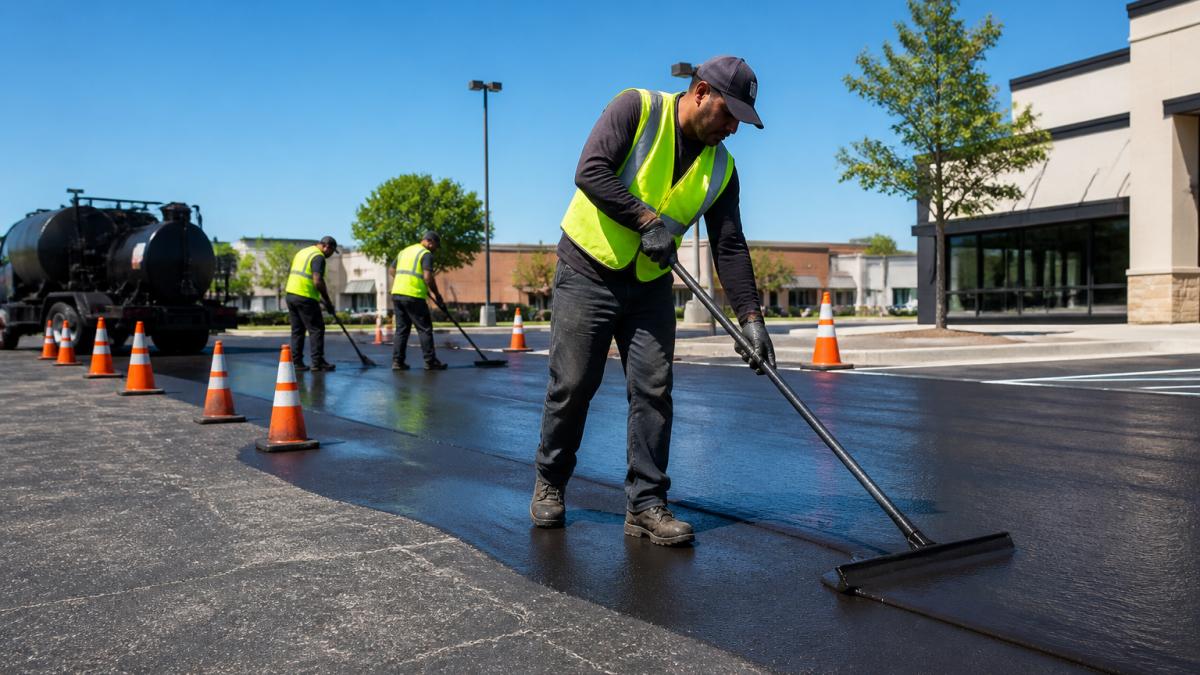
In hot, sunny climates, UV exposure breaks down asphalt faster. Freeze-thaw cycles in colder regions crack pavement from the inside. Both shorten the interval between sealcoats.
Signs it's time:
- Faded, gray surface instead of deep black
- Fine surface cracks
- Worn areas in drive lanes
- Water pooling in low spots
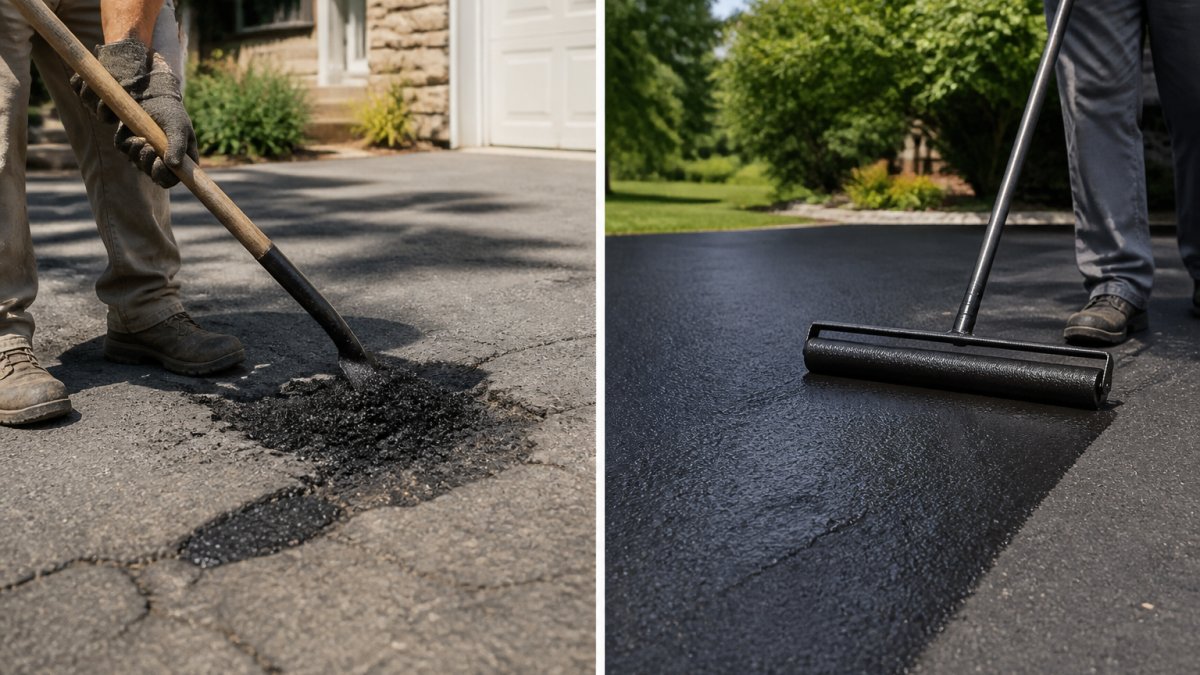
Sealcoating protects asphalt from sun, water, and traffic wear. Skipping it lets small cracks grow into expensive repairs.
Call now to schedule your free estimate →
Parking Lot Sealcoating Cost: What Drives the Price
Parking lot sealcoating cost depends on square footage, surface condition, prep work, and the number of coats. There's no single flat rate. A small, clean lot costs far less than a large, cracked surface that needs patching first.
Pricing depends on:
- Total square footage
- Surface condition (cracks, potholes, oil stains)
- Prep work (cleaning, patching, crack filling)
- Number of coats
- Access and traffic control
We don't publish flat rates because every lot is different. Contact us today to schedule your free estimate and experience our commitment to excellence.
A Weather Decision Checklist and Scheduling Tips for Commercial Lots
Use this checklist before you commit to a sealcoat date. It's the same one used before every commercial job, but the checklist is only half the job. The other half is scheduling the work so the lot stays usable while the coating cures.
The Go/No-Go Weather Checklist
- Air temperature is 55°F and rising at the scheduled start time
- Pavement surface reads at least 50°F with a contact thermometer, not an air-temperature app
- Overnight low stays above 50°F for the first 24 to 48 hours after application
- No rain in the forecast for 24 to 48 hours, with a low probability of pop-up storms
- Humidity is moderate; storm-level humidity slows curing and can cause a hazy finish
- Wind is calm enough that overspray and debris don't contaminate the fresh coat
- Shaded sections of the lot are checked separately, pavement in shade can be 10°F or more cooler than sun-exposed areas
- Surface is clean, dry, and free of debris, oil, and standing water
- Cracks and potholes are repaired and cured before sealing
- Traffic control plan and tenant notices are in place
Phasing and Traffic Management for Occupied Lots
A commercial lot rarely shuts down completely. The practical approach is to phase the work so part of the lot stays open while the sealed section cures.
- Divide the lot into zones based on traffic patterns, typically by row, by entrance, or by tenant cluster. Seal the zones farthest from the building entrance first so customers have a short walk rather than a long detour.
- Close one zone at a time and redirect vehicles to adjacent open zones. Use cones, barricades, and directional signage at every entrance and aisle intersection.
- Coordinate with tenants and property management at least a week ahead. Post notices at entrances, in common areas, and via email or tenant portals. For retail or medical tenants, confirm delivery and patient-access routes before the crew arrives.
- Schedule around peak hours. For offices, seal Friday evening through Sunday; for retail, seal overnight or on the slowest weekday; for medical or clinic lots, avoid appointment-heavy mornings.
- Allow a full cure day per zone. Don't reopen a zone until the coating is firm underfoot and passes a simple thumb test, if the surface still feels tacky or lifts, it isn't ready.
New Asphalt and Repair Readiness
New asphalt needs time before sealing. Fresh pavement should cure for several months, often a full season, before sealcoating, because the asphalt needs to oxidize and release oils. Sealing too soon can trap those oils and prevent proper bonding. The same applies to recent patches and crack repairs: let them cure per the manufacturer's guidance before coating over them. If your lot has new pavement or fresh patches, plan the sealcoat for the following season rather than forcing it into the current window.
Frequently Asked Questions
What temperature is best for applying parking lot sealcoat?
The best temperature for sealcoating is when air and pavement temperatures stay at or above 55°F and are rising, not falling. Overnight lows should also remain above roughly 40°F to 50°F so the material can cure properly. Avoid application when daytime highs exceed 90°F, because the sealcoat can dry too fast and lose adhesion. Check both air and surface readings before the crew starts, and confirm the forecast stays dry for at least 24 to 48 hours after application.
How long does parking lot sealcoating take to dry?
Sealcoat typically dries to the touch within 4 to 8 hours in warm, dry weather, but full curing takes 24 to 48 hours. Light foot traffic is usually safe after a few hours, while vehicle traffic should wait at least 24 hours, and heavier trucks may need 48 hours. Humidity, overnight lows, and the number of coats all affect drying time. Keep the lot closed longer in cool or humid conditions to prevent tire marks and tracking.
How often should a parking lot be sealcoated?
Most commercial parking lots should be sealcoated every one to two years in harsh climates and every two to three years in milder ones. High-traffic retail lots and lots exposed to heavy UV and freeze-thaw cycles need more frequent attention. Watch for fading color, surface raveling, and visible aggregate as signs it is time. A consistent maintenance schedule costs less over time than repeated patching and repaving.
Can you sealcoat a parking lot in the fall?
Yes, early fall is one of the best windows for sealcoating as long as temperatures stay above 55°F and the forecast is rain-free for 24 to 48 hours. Late October and November become risky in colder regions because overnight lows drop and curing slows. In warmer climates, fall application works well into October. Schedule early in the season and confirm surface temperatures before the crew arrives.
Sealcoating only works when the timing is right, and guessing costs money. Houston Pavement Repair LLC handles asphalt and concrete paving and repair for homes and businesses, with a free estimate before any job. We plan around temperature, rain, and your traffic, so the coating bonds and lasts. Call now to schedule your free estimate and protect your pavement this season.