 How-to
Patch or Replace Asphalt? How to Tell the Difference
Last Updated: November 10, 2026
Quick Summary
Asphalt patching works when damage is small, isolated, and sits on a sound base, such as a few potholes or narrow cracks with a firm surface around them. Replacement is the better choice when cracking is widespread, the surface feels soft or sinks, or repairs keep failing in the same spot.
- Patch isolated potholes with firm edges and narrow cracks under about a quarter inch.
- Replace when cracking covers most of the surface or the pavement feels spongy or sinks.
- Repeated patches in the same spot usually signal a failed base under the asphalt.
- Alligator cracking across a wide area almost always points to base failure, not just surface damage.
- Check drainage first, since water entering the base is the most common cause of failure.
Table of Contents
- Why the Patch-or-Replace Decision Matters for Houston-Area Asphalt
- Signs Asphalt Only Needs Patching
- Signs Asphalt Needs Full Replacement
- Alligator Cracking in Asphalt: What It Signals
- Checking for Base and Subgrade Failure
- Asphalt Driveway Repair vs Replacement and Resurfacing vs Replacement
- What Asphalt Driveway Repair Costs and Booking Your Free Estimate
- Frequently Asked Questions
Why the Patch-or-Replace Decision Matters for Houston-Area Asphalt
Deciding whether to patch or replace asphalt is one of the biggest calls a Houston-area homeowner or property manager makes about their pavement, and understanding asphalt patching helps frame that choice. Choose wrong and you either throw money at a surface that is already failing, or you pay for a full replacement when a few targeted repairs would have lasted years. This guide shows you how to tell the difference, using the signs that matter most on local driveways and parking lots.
Asphalt is a layered system. A thin wearing surface sits on top of a base layer, and the base rests on the soil underneath. Surface damage can often be patched. Damage that reaches the base usually means the whole section needs to come out. Knowing which layer is failing tells you which fix makes sense.
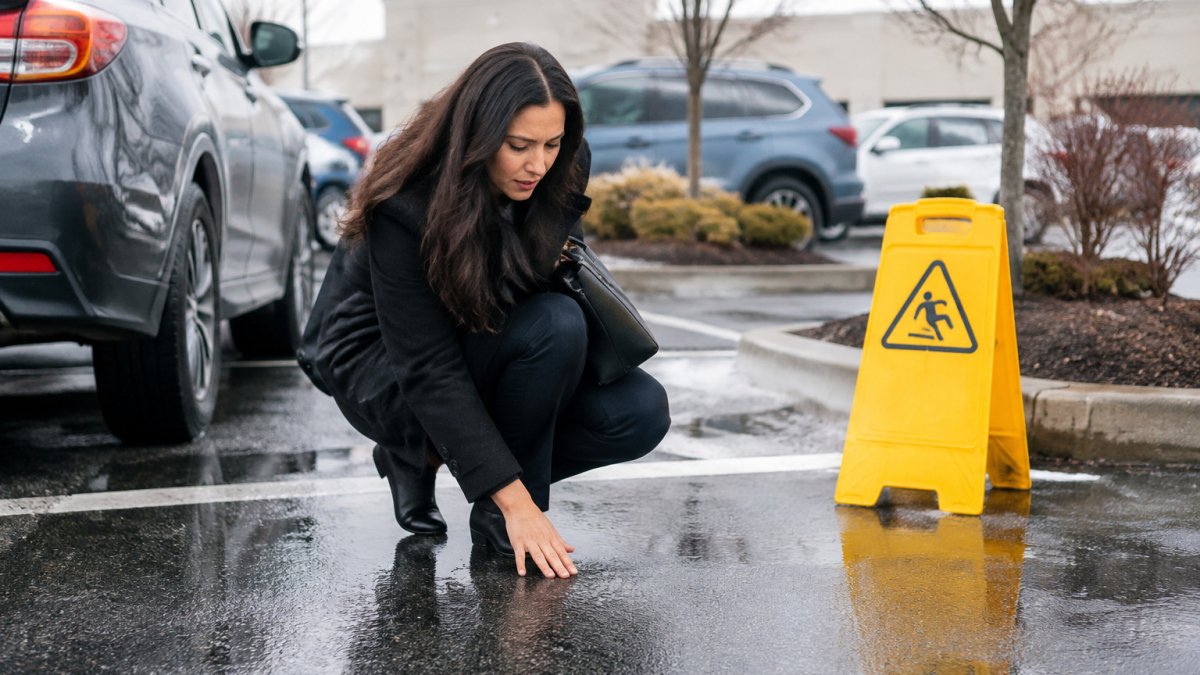
Houston's climate adds pressure. Heat softens asphalt, heavy rain finds every low spot, and clay soils shift as they swell and dry. Standing water is one of the most common reasons a driveway keeps breaking down, so drainage belongs in every patch-or-replace decision.
Signs Asphalt Only Needs Patching
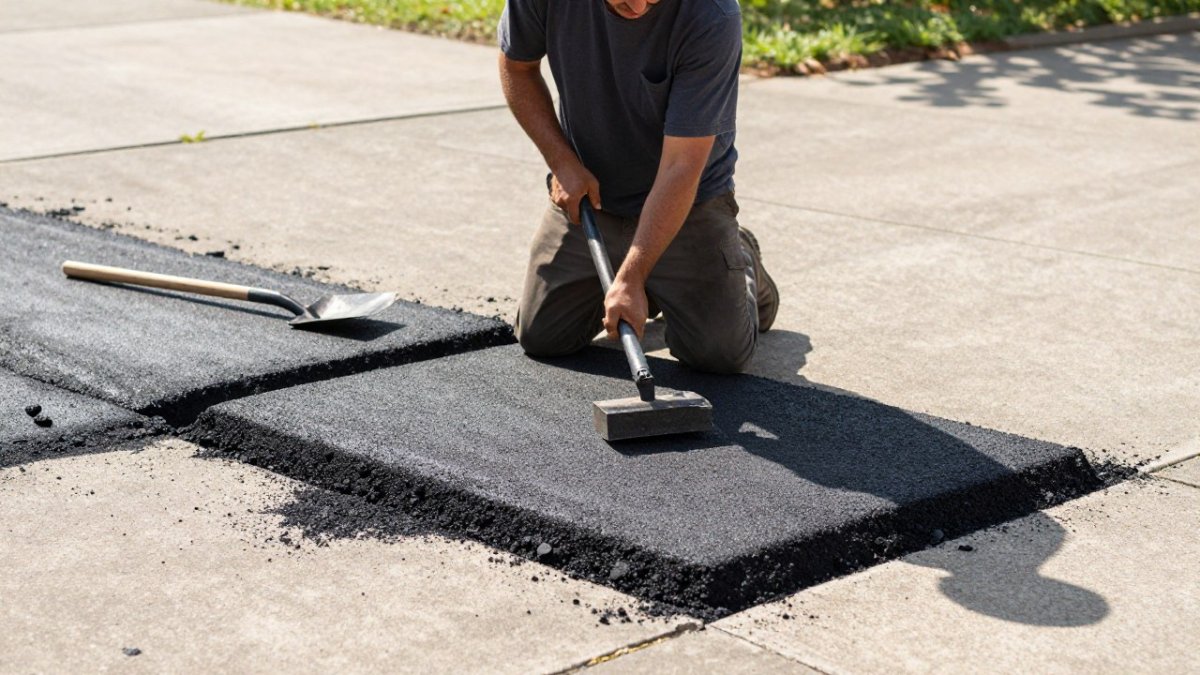
Asphalt patching makes sense when the damage is small, isolated, and sitting on a sound base. A patch is a localized repair that fills and seals a limited area without touching the rest of the surface. See how patch and full replacement costs and approaches compare.
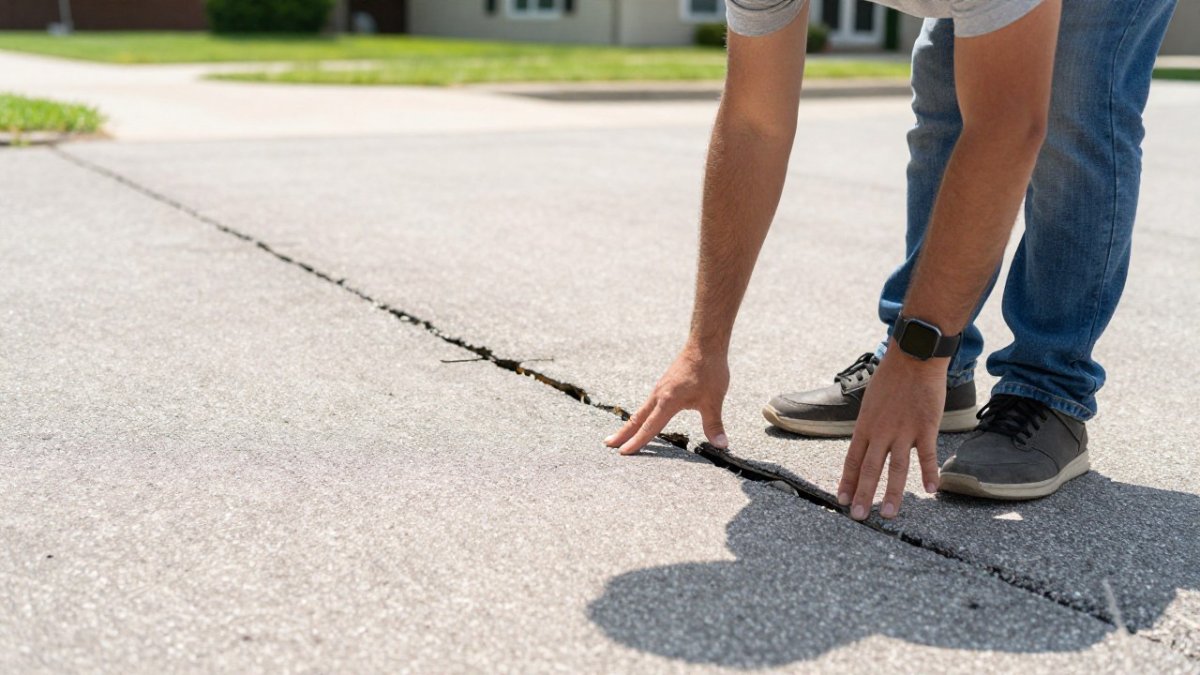
Look for these signs:
- Isolated potholes with firm edges and no soft material underneath
- Narrow cracks that are less than about a quarter inch wide
- Small surface breaks clustered in one area rather than spread across the pavement
- A mostly even surface with no major dips or sinking
If the rest of the asphalt is still smooth, firm, and draining well, a patch will usually hold. The mistake many owners make is patching the same spot again and again. Repeated patches in one area are a warning that the base under that spot has failed.
Signs Asphalt Needs Full Replacement
Replacement becomes the better choice when the damage is widespread or structural. Get a professional assessment of whether your pavement has reached replacement-level damage. A replacement tears out the failing asphalt and often the base, then rebuilds the surface from the ground up.
Watch for these signs:
- Widespread cracking across most of the surface
- Soft, spongy, or sinking areas that move under foot or vehicle weight
- Repeated potholes that return after each repair
- Water pooling that never fully drains
- Surface that breaks apart when you press on it or scrape it
The article's signs of failure that call for replacement can be summarised side by side with the signs that point to patching.
| Condition | Points to | Why |
|---|---|---|
| Isolated potholes, firm edges | Patching | Damage stays on a sound base |
| Narrow cracks under about a quarter inch | Patching | Localized surface break |
| Widespread cracking across most of the surface | Replacement | Failure is spread across the pavement |
| Soft, spongy or sinking areas | Replacement | Base has lost strength |
| Potholes that return after each repair | Replacement | Base under the patch has failed |
| Water pooling that never drains | Replacement | Drainage problem reaching the base |
Alligator Cracking in Asphalt: What It Signals
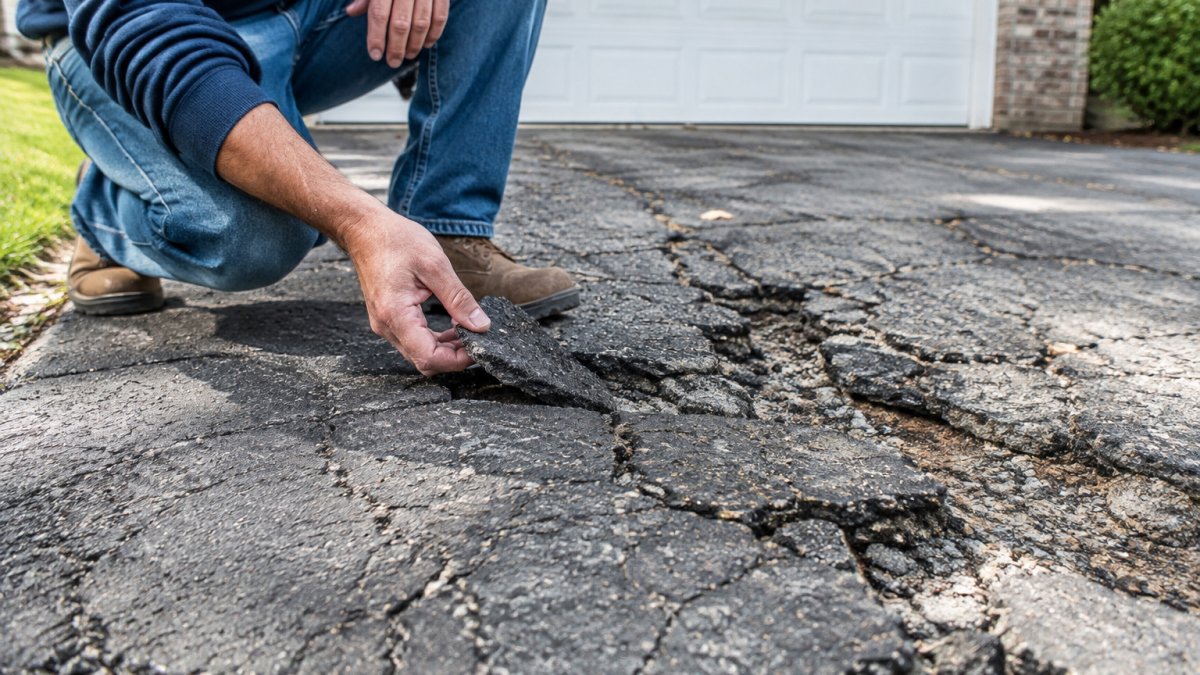
Alligator cracking gets its name from the interconnected pattern of cracks that looks like scales (Chapter 1. Distresses for Pavements With Asphalt Concrete Surfaces - Distress...). It is one of the clearest signs that asphalt is failing from below. The cracks form when the surface flexes under traffic over a base that has lost strength, usually because of water getting into the base.
Small patches of alligator cracking in one spot may be a localized base problem that a larger repair can address. Alligator cracking across a wide area almost always points to a failed base, which means patching the surface alone will not solve it. Surface patches on alligator cracking tend to fail quickly because the base keeps moving underneath them.
If you see this pattern, check the drainage first. Water that gets into the base is the most common cause.
Checking for Base and Subgrade Failure
The base and subgrade determine whether any repair will last, but they are hidden beneath the surface. Several observable clues, read together, let a property owner judge whether the problem extends below the asphalt. Because surface clues can only suggest what lies beneath, asphalt repair services can help determine whether the damage calls for a localized patch or a more extensive repair.
Recurring failure in the same spot. A pothole that returns after a patch, especially within a single season, usually means water is entering through the surface and softening the base beneath the patch. The patch itself is rarely the weak point. Mark the location and note how many times it has been repaired.
Movement under load. Press firmly with a heel or drive a loaded vehicle slowly across the area. Spongy rebound, visible flexing, or a surface that shifts relative to its neighbors indicates that the base has lost bearing capacity. Firm, non-moving pavement generally indicates a sound base.
Depressions that hold water. A low area that refills after rain points to settlement, meaning material beneath has compressed or washed out. Measure the depression with a straightedge laid across it.
Edge condition of potholes and breaks. Cut or broken edges that are crisp and thin suggest a surface-only failure. Edges that crumble into deep, granular, or muddy material indicate that the base has broken down and is being removed by traffic.
Water-related deterioration. Fine mud or pumped fines appearing at cracks or edges during or after rain signal that water is moving through the pavement and carrying base material with it. This is among the most reliable indicators of subgrade involvement.
To document these observations in a usable way, record the location, the approximate area affected, the number of repairs already made there, and a photo taken from a consistent height. Repeating the same checks after a few weeks, especially after rain, shows whether the condition is progressing.
These observations narrow the question but do not confirm it. When recurring failure, measurable settlement, or pumped fines appear together, or when the affected area is large, a professional assessment should include a test of base thickness and an evaluation of the subgrade soil. The decision between a deep repair of one section and a full reconstruction depends on that verification.
Asphalt Driveway Repair vs Replacement and Resurfacing vs Replacement
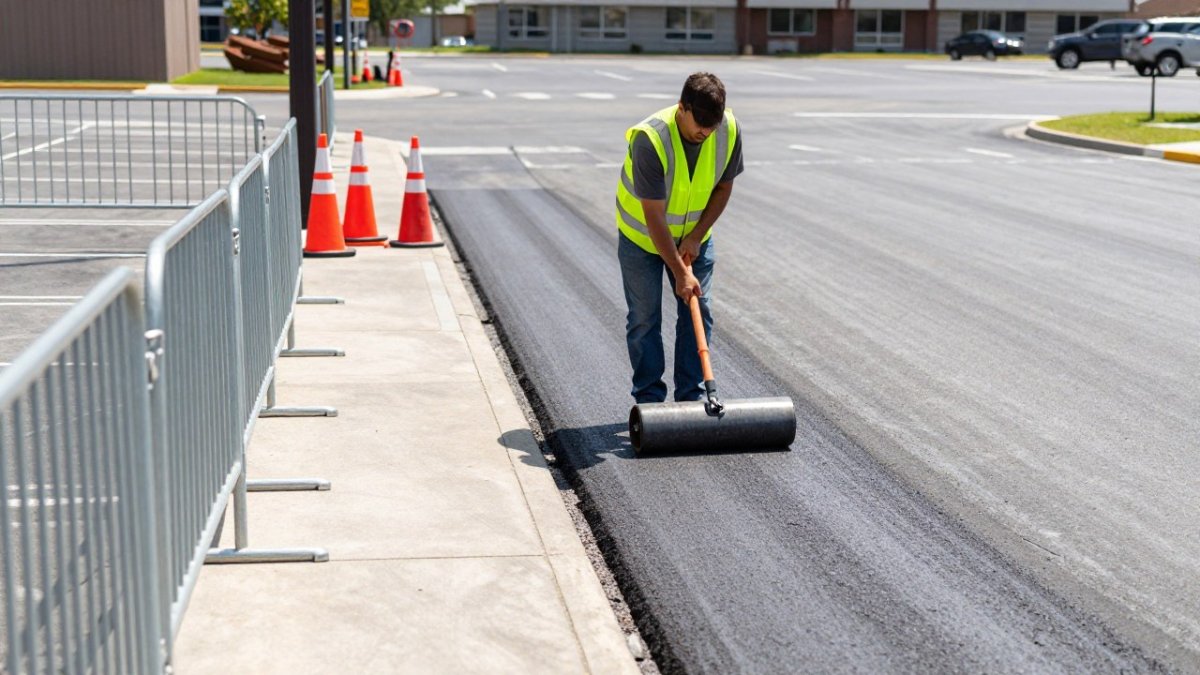
Repair, resurfacing, and replacement solve different problems. Repair fixes localized surface damage. Resurfacing adds a new thin layer over a surface that is structurally sound but worn. Replacement removes and rebuilds the pavement when the base or large areas have failed.
Resurfacing can extend the life of a driveway with good structure and mainly cosmetic or surface wear. It does not fix a failing base, so putting a new layer over alligator cracking or soft spots usually leads to the same damage returning quickly.
Repair is often the right call for a driveway with a few isolated problems. Compare whether ongoing repair is financially worth it versus replacing outright. Once repairs start stacking up across the surface, replacement usually costs less over the long run than keeping up with patches.
What Asphalt Driveway Repair Costs and Booking Your Free Estimate
Cost depends on how much area is damaged, how deep the failure goes, and what drainage fixes are needed. A small patch is far cheaper than a full replacement, but repeated patching on a failed base can add up. Pricing depends on the area affected, the depth of damage and what is happening below the surface, so contact Houston Pavement Repair LLC for current pricing or a quote.
The most reliable way to decide is a site inspection. Contact Houston Pavement Repair LLC to schedule your free estimate. We will look at the surface, check for base failure and drainage problems, and explain whether a patch, a resurfacing, or a replacement makes the most sense for your driveway or parking lot.
Frequently Asked Questions
How do I know if my asphalt needs patching or replacement?
Start with the extent of the damage. If cracks are narrow, isolated and not widening, and the base beneath is firm, patching is usually enough. If damage covers most of the surface, shows alligator cracking across large areas, or the pavement feels soft or sinks underfoot, the base is likely failing and replacement is the more reliable fix. Standing water that keeps returning points to drainage or base problems that patching alone will not solve. A professional inspection can confirm which applies to your driveway or lot.
When is an asphalt driveway too damaged to repair?
An asphalt driveway is generally too damaged to patch when cracking covers a large share of the surface, when alligator cracking forms interconnected patterns, or when potholes keep reappearing after repairs. Soft, spongy or uneven areas suggest the subgrade has weakened, which surface work cannot correct. Once the underlying base has failed, each patch tends to crack again at its edges, and repeated patching often costs more over time than a full replacement.
Is asphalt driveway repair cheaper than replacement?
Repair is usually less expensive when damage is limited to the surface and the base is still sound, because patching and crack sealing require less material and labor than removing and rebuilding pavement. Replacement costs more upfront but can deliver a longer service life when the base has failed. Pricing depends on the area affected, the depth of damage and site access, so contact Houston Pavement Repair LLC for a free estimate based on your specific driveway.
Can potholes indicate a problem with the asphalt base?
Yes. A pothole that forms repeatedly in the same spot often signals water infiltrating through cracks and weakening the base and subgrade beneath the surface. A single isolated pothole may be fixed with a patch, but recurring potholes, or ones surrounded by cracking and soft ground, suggest the base needs evaluation. Addressing drainage and base condition is what keeps repairs from failing in the same location again.