 How-to
When to Replace a Crumbling Asphalt Driveway
Table of Contents
- Why Crumbling Asphalt Is More Than a Cosmetic Problem
- Signs of Asphalt Failure: Surface Wear vs. Structural Damage
- How Houston's Heat, Rain and Clay Soil Accelerate Driveway Breakdown
- Patch, Seal or Replace: Deciding Between Repair Options
- What Replacing an Asphalt Driveway Costs
- Scheduling Your Driveway Replacement and Preventing the Next Failure
- Frequently Asked Questions
Last Updated: November 4, 2026
Crumbling asphalt is rarely just a cosmetic problem, and knowing when to replace a crumbling asphalt driveway starts with reading what the surface is telling you. When your driveway starts breaking apart at the edges, the surface is signaling something about what lies beneath it. The difference between a repair that holds and one that fails within a season often comes down to diagnosing the problem correctly early.
Asphalt is a layered system. The top layer resists wear and water. Below it sits a base of compacted aggregate that carries the load. When the base weakens, the surface cracks and crumbles even if it looks fine from a distance. That is why a patch can look acceptable for a few months and then fail again in the same spot.
Why Crumbling Asphalt Is More Than a Cosmetic Problem
Crumbling is a sign that the asphalt binder has lost its flexibility and the aggregate is coming loose. Sun, heat and water all speed this up. Once edges break off, water gets under the surface and begins to work on the base layer.
Crumbling is often treated as a surface issue to be covered up, but it is frequently an early warning. Catching it while the damage is still shallow keeps the repair options open.
Signs of Asphalt Failure: Surface Wear vs. Structural Damage
Not every crack means the driveway needs replacing, so the key question is whether the damage sits in the top layer or extends into the base. Start by looking at the surface and then the edges, and use the tests below to decide when to replace a crumbling asphalt driveway versus when cosmetic wear can be fixed.
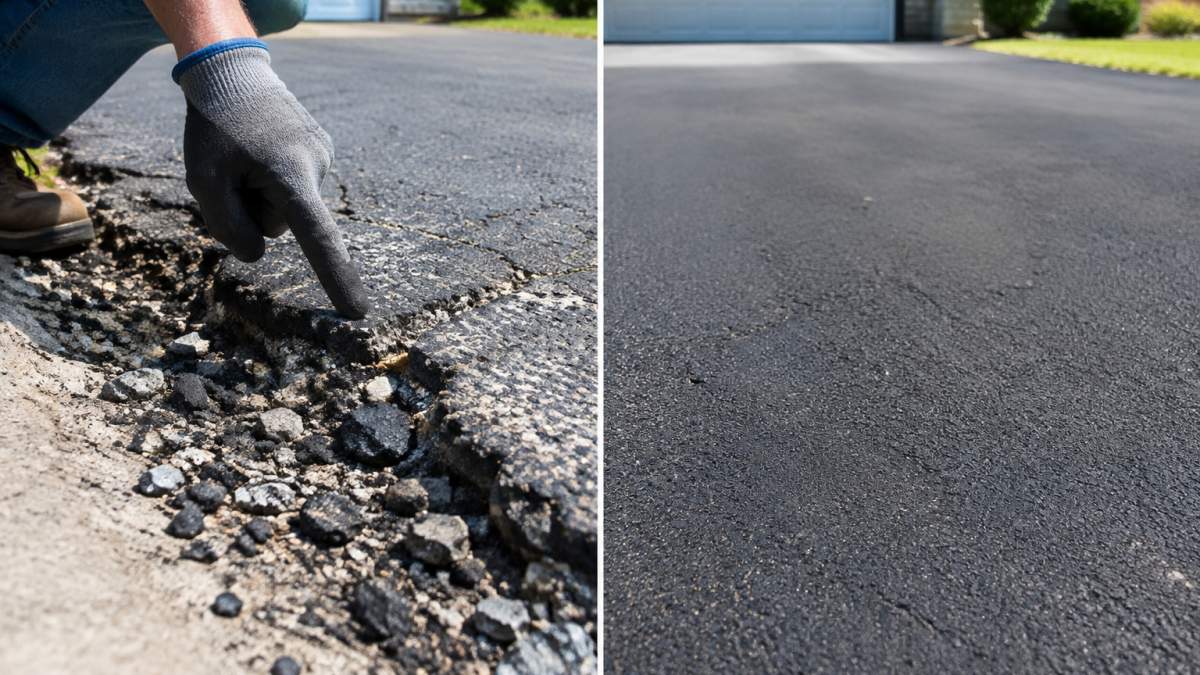
Surface-Level Warning Signs
Surface wear is common and often fixable. Look for these signs:
- Fine hairline cracks that do not widen
- Light fading or dullness on the surface
- Small loose stones near the edges
- Minor surface roughness from sun exposure
- Shallow raveling where the top layer loses aggregate but the pavement stays firm
Surface issues usually respond well to sealcoating or crack filling, especially when addressed early. A useful field test is to press a screwdriver or key into a hairline crack: if the tool stops at the surface and the surrounding asphalt feels firm, the damage is likely cosmetic.
Sub-Base Failure Indicators
Structural problems show up in the ground beneath the asphalt. Watch for these red flags:
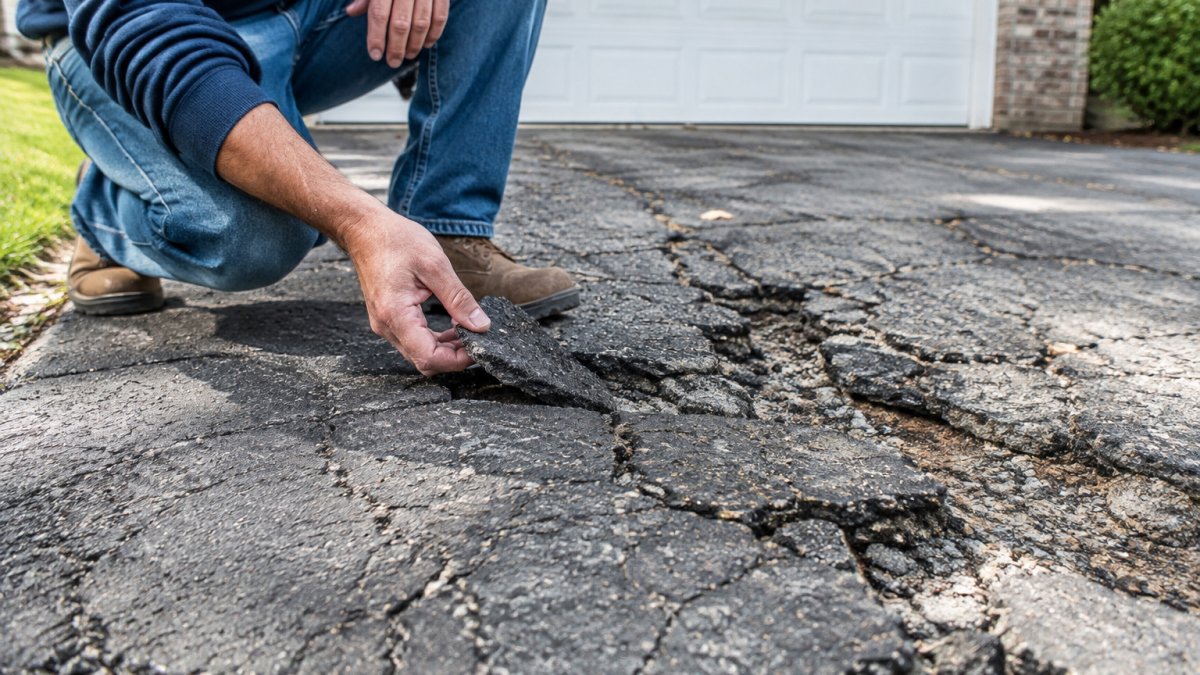
- Alligator-pattern cracking that spreads across the surface
- Dips, sinking or uneven areas where vehicles drive
- Potholes that return after being patched
- Buckling or raised sections
- Soft spots that give under foot or under a vehicle's weight
- Edge drop-off where the asphalt breaks away from the soil or gravel shoulder
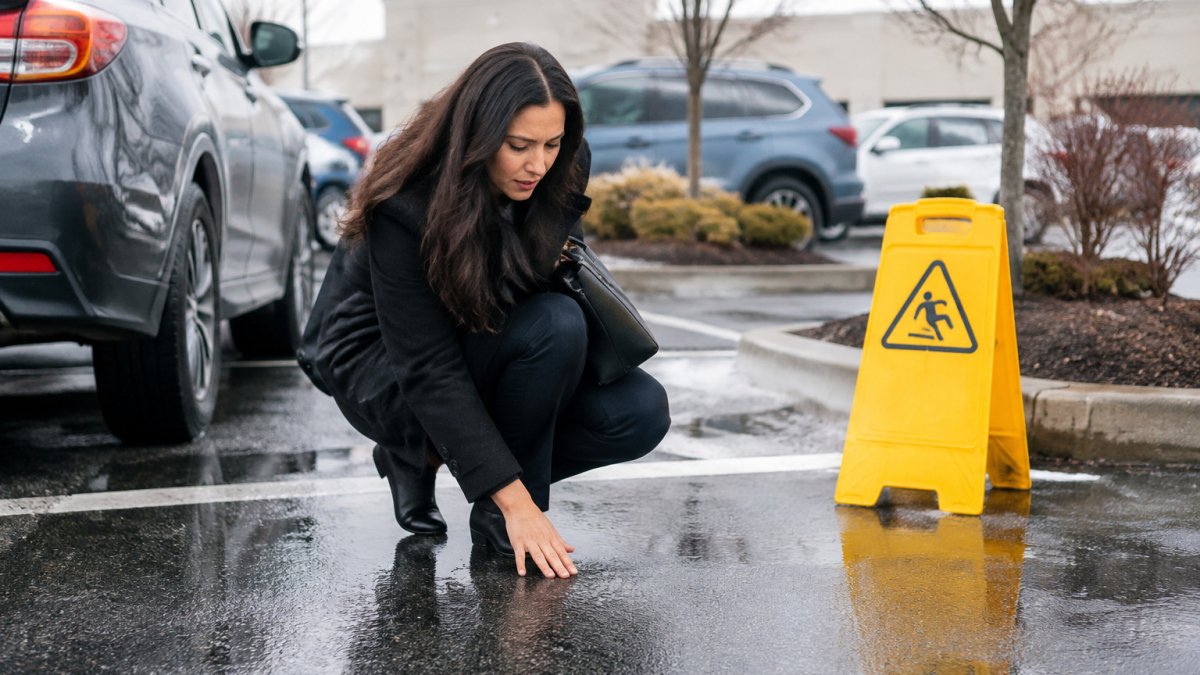
- Water that pools in the same low spot after every rain
When these signs appear, the base is likely compromised. A surface treatment will not solve a base problem. To confirm, walk the driveway after a dry spell and listen for a hollow sound when you tap the surface with a broom handle; a dull thud over a soft area often means the aggregate base has lost compaction or the soil beneath it has settled.
The Mechanism Behind the Failure
Asphalt is a layered system. The top layer resists wear and water. Below it sits a base of compacted aggregate that carries the load. When the base weakens, the surface cracks and crumbles even if it looks fine from a distance. That is why a patch can look acceptable for a few months and then fail again in the same spot. The patch bonds to the surface, but the movement underneath continues.
Watch out: If you see alligator cracking across more than about a quarter of the driveway and the surface moves when a vehicle passes, the base has likely failed over a large area and patching will only buy time.
How Houston's Heat, Rain and Clay Soil Accelerate Driveway Breakdown
Houston driveways face a hard combination. Long, intense summers push surface temperatures high enough to soften and oxidize asphalt. Heavy rain arrives in sudden bursts and pools on the surface. Much of the ground under local driveways is clay, which swells when wet and shrinks when dry.
That shrink-and-swell cycle puts constant stress on the base layer. If you are weighing which driveway material holds up best on this ground, our best driveway material for clay soil breaks down the options. Over time it causes movement, cracks and uneven sections. Poor drainage makes it worse, because standing water soaks the base and weakens its ability to carry weight.
If your driveway floods after storms, that water is likely feeding the damage you see. Fixing the surface without addressing drainage often means the same problem returns.
Patch, Seal or Replace: Deciding Between Repair Options
Choosing the right fix depends on how deep the damage goes, how much of the surface is affected, and how much life the driveway has left. Most guides stop at a list of options. The more useful approach is to compare the cost of repair against the remaining life of the pavement and the cost of a new install.
Call now to schedule your free estimate →
- Crack filling works for thin, isolated cracks in otherwise sound asphalt. It is the lowest-cost option and typically lasts a season or two before it needs refreshing.
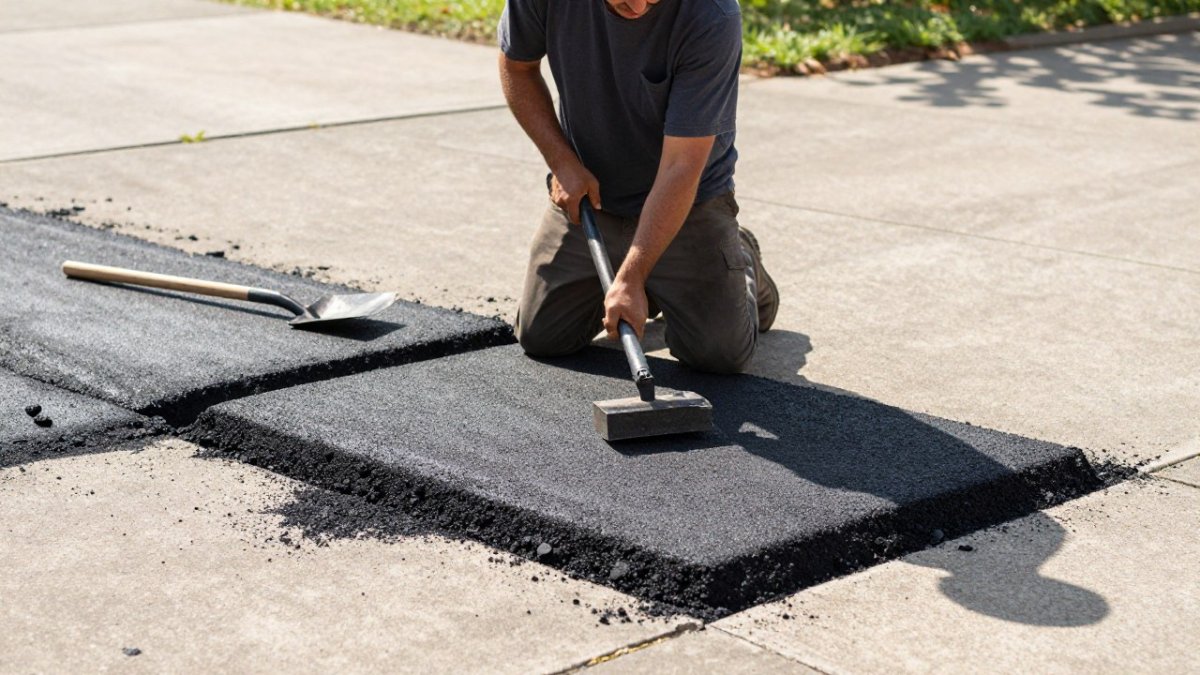
- Patching suits small areas of localized failure with a solid base. A patch is only as good as what it bonds to, so it fails quickly over a moving base.
- Sealcoating protects a healthy surface and slows oxidation, but it does not repair structural damage. It is maintenance, not a fix.
- Overlay or resurfacing can extend the life of a driveway with a sound base and widespread surface wear. It adds a new wearing course but does not correct a failed base.
- Full replacement is needed when the base has failed across large areas or the pavement has lost too much thickness to mill and overlay.
The Break-Even Framework
A practical way to decide is to compare repair spending against replacement value. Add up what you have spent on patches and crack filling over the last few years, then estimate what another round of repairs will cost and how long it will last. If the repair cost approaches a significant share of a new install and the fix is likely to last only a season or two, replacement usually wins on cost per year of service.
Repeated patching in the same area is a clear signal that repair spending has stopped paying off. The patch fails because the base is moving, and each new patch adds cost without adding life.
Watch out: Patching over a failing base often looks fine at first and then fails again in the same spot, costing more in the long run. If the same pothole returns within a year, stop patching and investigate the base.
A Simple Decision Path
- Confirm the base is firm with the tap test and a visual check for edge drop-off and pooling.
- If the base is sound and damage is limited to the surface, patch or seal.
- If the base is sound but wear is widespread, consider overlay.
- If sub-base indicators appear across a large part of the driveway, plan for replacement.
A simple rule of thumb: patch or seal if the base is firm and the damage is limited to the surface. Replace when sub-base indicators appear across a large part of the driveway or when repair spending no longer buys meaningful additional life. For a side-by-side look at when sealcoating or patching is the right fix, see our sealcoating versus patching guide.
The right fix depends on how deep the damage goes and how much life the driveway has left, as summarised below.
| Option | Best for | Key limit |
|---|---|---|
| Crack filling | Thin, isolated cracks in sound asphalt | Lasts a season or two |
| Patching | Small areas of failure over a solid base | Fails quickly over a moving base |
| Sealcoating | Protecting a healthy surface | Does not repair structural damage |
| Overlay or resurfacing | Sound base with widespread surface wear | Does not correct a failed base |
| Full replacement | Base failed across large areas | Needed when pavement has lost too much thickness |
What Replacing an Asphalt Driveway Costs
Cost depends on size, the condition of the base, how much material is removed, drainage work and access. Because every driveway is different, pricing depends on the specifics of your site. For current pricing or a quote, visit the Houston Pavement Repair LLC website.
Some homeowners compare replacement against resurfacing. Resurfacing is usually less expensive but only makes sense when the base is sound. For a clear breakdown of the two options, see our driveway resurfacing vs full replacement cost comparison. For budgeting a full project, our residential driveway paving pricing guide for 2026 explains what typically drives the total.
If you are weighing overlay against full replacement, our asphalt overlay or replacement guide can help you decide which your driveway needs.
Scheduling Your Driveway Replacement and Preventing the Next Failure
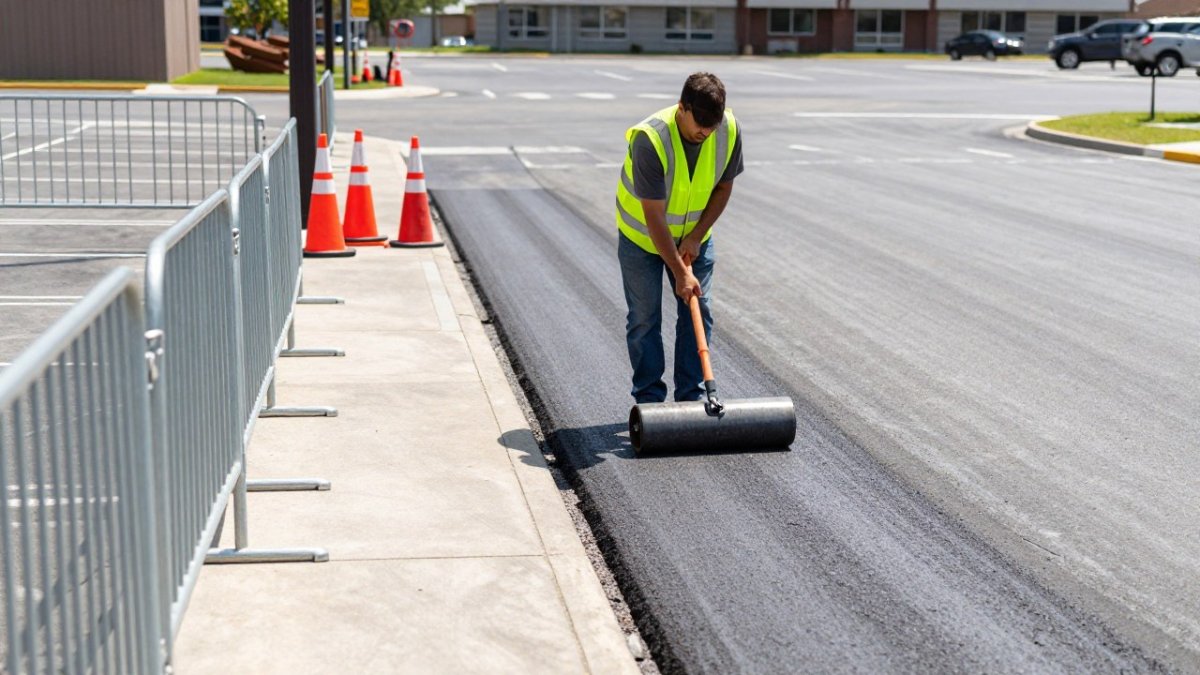
Plan replacement for a period with dry weather, since asphalt needs stable conditions to bond and cure. Ask your contractor to address drainage at the same time, so water moves away from the new surface instead of pooling on it.
To prevent future crumbling, follow a simple maintenance routine:
- Seal the surface every few years to slow oxidation
- Fill cracks as soon as they appear
- Keep water moving away from the driveway edges
- Repair small potholes before they grow
- Avoid parking heavy vehicles on soft or damaged sections
Houston Pavement Repair LLC offers a free estimate for driveways in Houston and Katy. Call now to schedule your free estimate and get a clear answer on whether your driveway needs repair or replacement.
Frequently Asked Questions
Can crumbling asphalt be repaired?
Crumbling asphalt can be repaired when the damage is limited to the surface and the base underneath is still firm. Crack filling, sealcoating and small patches address isolated problems, and infrared repair can blend a patch into the existing surface. However, repairs cannot fix a failed sub-base. If the driveway is breaking up across large areas, flexing under vehicles or repeatedly failing in the same spots, the underlying structure needs to be rebuilt, and the most cost-effective route is usually a full replacement. A professional inspection can confirm which situation applies to your driveway.
What is the average lifespan of an asphalt driveway?
A well-installed and maintained asphalt driveway commonly lasts 15 to 20 years. Lifespan depends on the thickness of the asphalt, the quality of the base layer, drainage and how often the surface is sealed. In hot, humid climates like Houston, oxidation and moisture intrusion can shorten that window, so driveways there often need attention sooner. Driveways that show repeated cracking, pooling water or sections that have sunk are typically nearing the end of their service life, regardless of age.
How do I know if my driveway damage is structural or surface-level?
Surface damage usually appears as hairline cracks, faded color, or loose aggregate that can be raked up. Structural damage tends to show up as alligator cracking, sunken or rutted areas, potholes that return after patching, and sections that feel soft or flex underfoot. A quick test is to press a screwdriver into a cracked area: if it sinks easily, the base is likely compromised. Because the signs can overlap, a contractor should inspect the subsurface before you commit to a repair.
Does a crumbling driveway decrease property value?
A badly deteriorated driveway can reduce curb appeal and give buyers a reason to negotiate, since they often factor in the cost of replacement. Many buyers view a failing driveway as a near-term expense rather than a minor cosmetic flaw. A new or well-maintained driveway supports a stronger first impression and can make a property easier to sell. Consult a local real estate professional for how driveway condition affects comparable homes in your neighborhood.