 How-to
Asphalt Overlay or Replacement: Which Does Your Driveway Need?
Last Updated: November 1, 2026
Quick Summary
Choose an asphalt overlay when the pavement is structurally sound but the surface is worn, and choose replacement when the base has failed. Signs like alligator cracking, repeat potholes, soft spots, or rutting mean the base is the problem, so an overlay will crack again within a season or two.
- An overlay is a new asphalt layer usually 1.5 to 2 inches thick laid over existing pavement.
- Alligator cracking, repeat potholes, rutting, soft spots, or pavement over 20 years old point to replacement.
- A properly installed asphalt overlay typically lasts 8 to 15 years, while replacement often lasts 20 years or more.
- Typical installed overlay cost runs $2.00 to $4.50 per square foot versus $5.00 to $12.00 for replacement.
- Compare bids on cost per year of service, and confirm each quote itemizes base repair and asphalt thickness.
Table of Contents
- Asphalt Overlay vs. Full Replacement: What's the Difference?
- Signs Your Asphalt Driveway Needs Replacement
- How to Inspect Your Pavement Before You Decide
- Asphalt Overlay Thickness: How Thin Is Too Thin?
- How Long Does Asphalt Resurfacing Last?
- Asphalt Driveway Overlay Cost vs. Replacement Cost
- Drainage, Grading, and Elevation: The Hidden Deal Breakers
- Get a Free Estimate from Houston Pavement Repair LLC
- Frequently Asked Questions
Asphalt Overlay vs. Full Replacement: What's the Difference?
Choosing between an asphalt overlay and replacement starts with one question: is the problem the surface, or is it the foundation underneath? An overlay adds a new layer of asphalt on top of pavement that is still structurally sound. Replacement removes the failed pavement and rebuilds the base. The distinction decides both the cost and how long the fix lasts, so it is worth settling before you request a quote.
How an Overlay Works
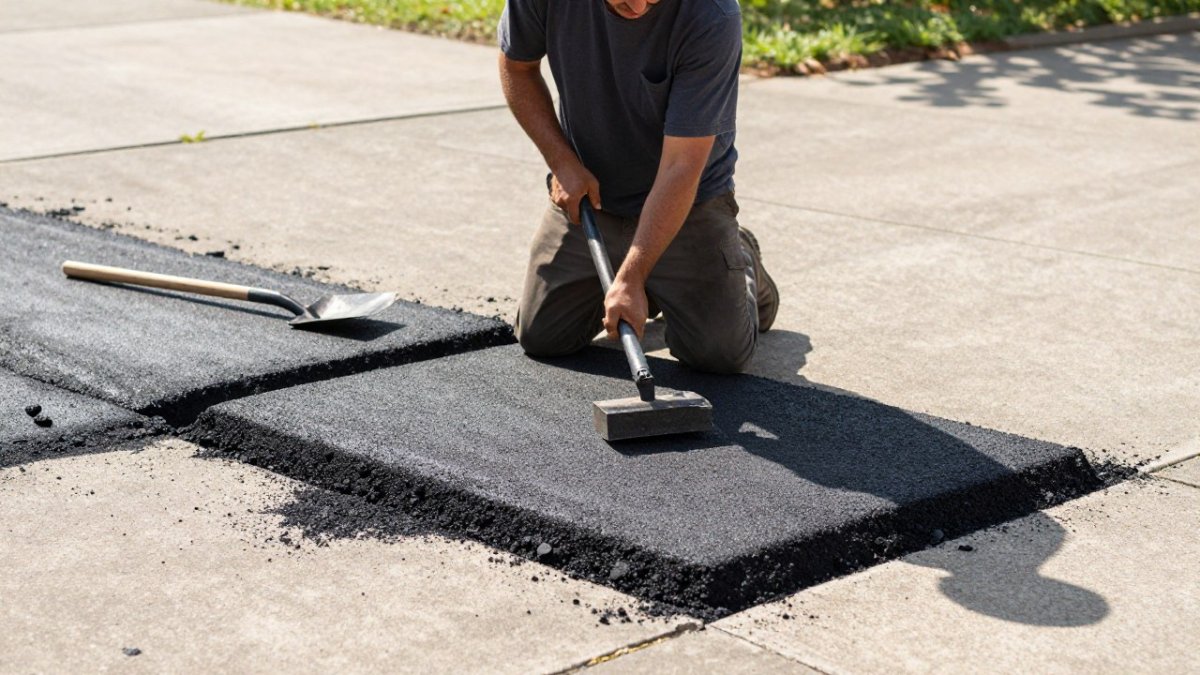
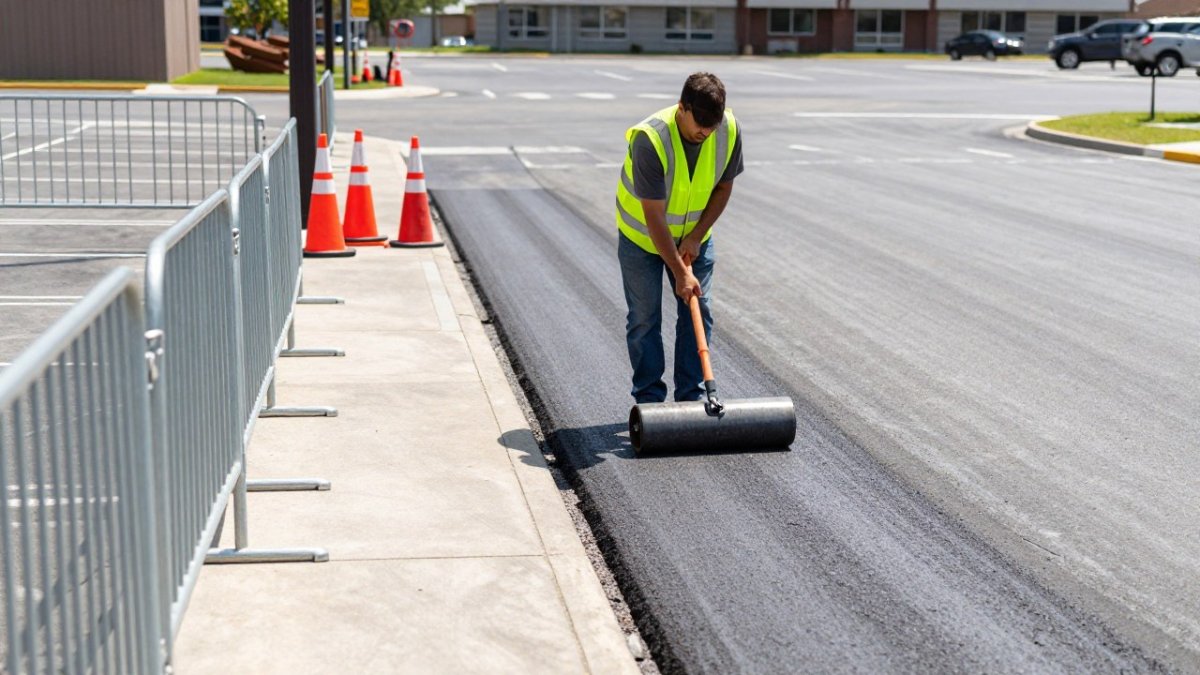
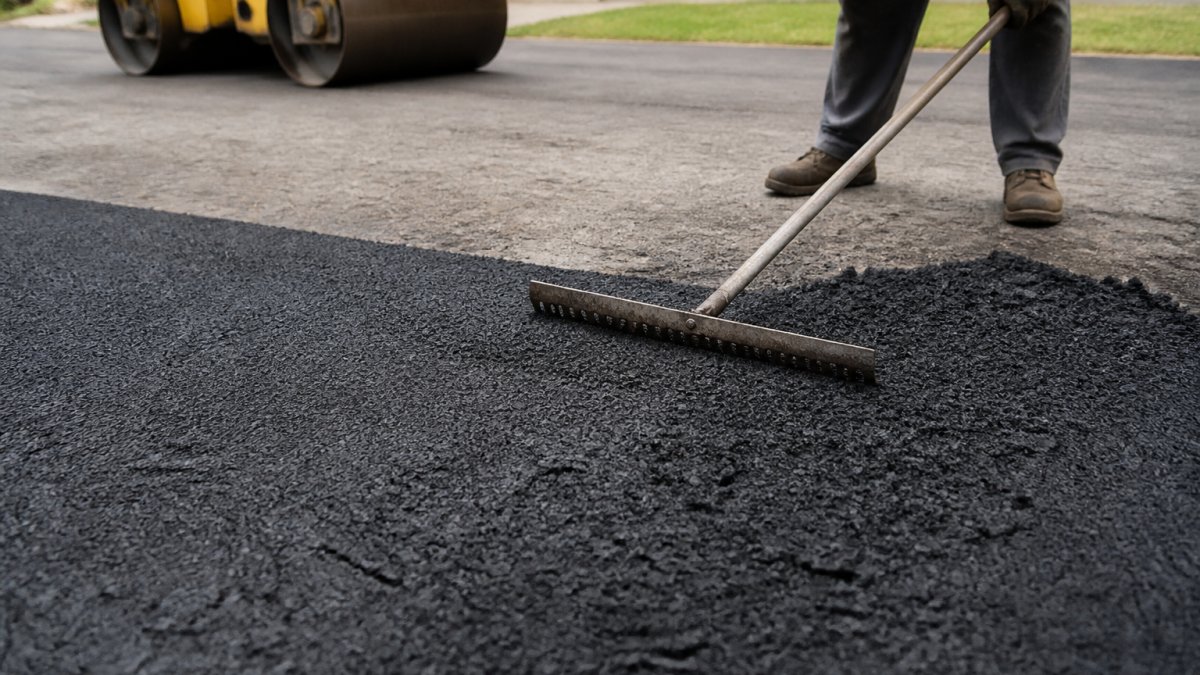
An overlay is a new asphalt layer, usually about 1.5 to 2 inches thick, laid over existing pavement after cleaning and a tack coat. Contractors call the process milling when they grind the top inch or so first to restore grade and remove surface defects. The existing base stays in place. That makes an overlay faster and less disruptive than a rebuild, but it only works when the pavement below can still carry traffic.
How Full Replacement Works
Full replacement, sometimes called rip and replace, means demolition: tearing out the old asphalt, excavating failed base material, repairing the subgrade, compacting a new base layer, and paving fresh asphalt on top. It costs more and takes longer, but it fixes the actual cause of the failure. When the base has lost its structural integrity, this is the only option that holds up.
Signs Your Asphalt Driveway Needs Replacement
Certain damage patterns mean the pavement below has failed, and no surface treatment will fix them. Watch for:
- Alligator cracking: interconnected cracks forming a reptile-skin pattern, a classic sign of base failure
- Potholes that keep returning in the same spot after patching
- Rutting and settlement: depressions where traffic has pushed the base down
- Soft spots that feel spongy or pump water when a vehicle rolls over them
- Pavement more than 20 years old with widespread, connected cracking
A common mistake is treating these as cosmetic. They aren't. Widespread damage of this kind often means replacement is the better answer.
How to Inspect Your Pavement Before You Decide
A 20-minute walkover tells you more than any sales pitch, if you know what to record and how to interpret it. The goal is not to diagnose the pavement yourself; it is to gather enough evidence to ask better questions and to recognize when a contractor's recommendation does not match what you see.
The inspection checklist
Walk the pavement in daylight, after a rain if possible, and record each item. Photograph anything you flag and note its location.
- Crack map, mark each crack as hairline, block, longitudinal, or alligator. Note whether cracks are isolated or connected into a network.
- Potholes, count them, note size and depth, and flag any that have been patched before (repeat failures point to the base).
- Rutting and depressions, look along the wheel paths; a straightedge laid across the rut shows depth.
- Settlement and heaving, note areas that sit lower or higher than surrounding pavement, especially near garage aprons and curbs.
- Soft spots, press a screwdriver or awl into suspect areas; spongy resistance or water pumping when a vehicle rolls over indicates a saturated base.
Decision thresholds: when the evidence points one way
Percentage rules are screening guides, not engineering standards, a contractor still needs to evaluate the base. But they help you frame the conversation:
- Isolated cracks, firm base, no standing water → an overlay is worth pricing.
- Alligator cracking covering a large share of the surface → replacement is often the better answer, because the pattern traces to base failure.
- Repeat potholes in the same location after patching → the base beneath is failing; an overlay will not fix it.
- Soft spots or water pumping → base or subgrade problem; get a replacement quote and ask how the contractor will verify the extent.
- Standing water or grade conflicts with structures → an overlay may worsen the problem; ask how drainage and elevation will be corrected.
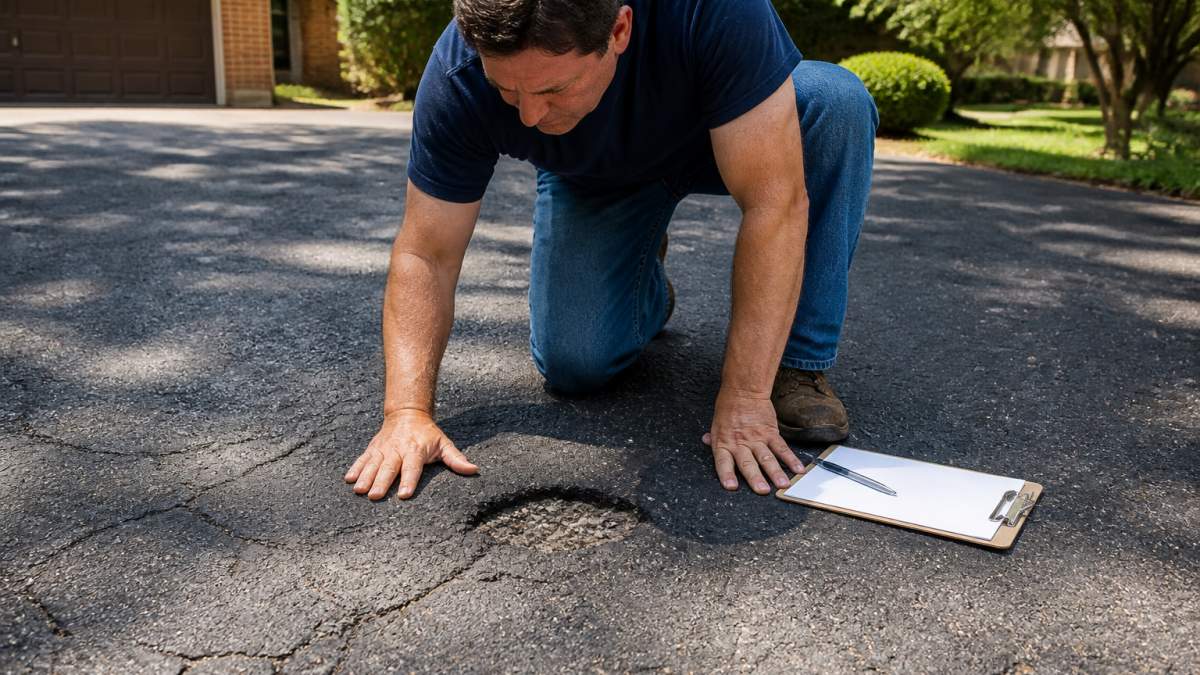
What to Look For Beneath the Surface
What most guides miss is that the surface is only a symptom. Alligator cracking almost always traces back to a weak subgrade, poor drainage, or a base layer that was never thick enough for the traffic load. During a site inspection, a contractor can probe soft spots, check for deflection under load, and look at edge conditions, but the definitive answer often requires a test cut. If you spot alligator cracking, read our breakdown of what causes alligator cracking in asphalt before you accept any overlay quote.
Asphalt Overlay Thickness: How Thin Is Too Thin?
An asphalt overlay thickness below 1.5 inches is too thin for a driveway carrying regular vehicles. Most residential overlays run 1.5 to 2 inches; commercial pavement handling trucks often needs 2 inches or more. Thinner layers cost less upfront but crack and ravel faster, especially under heavy traffic. Thickness should also match the base condition: a surface with minor defects can take a thinner overlay, while one with moderate cracking needs more.
How Long Does Asphalt Resurfacing Last?
A properly installed asphalt overlay typically lasts 8 to 15 years, depending on climate, traffic, and base condition. Replacement pavement, with a rebuilt base, generally lasts longer, often 20 years or more. Houston heat and heavy rain shorten both figures, and drainage problems shorten them further. Our guide to maintaining an asphalt driveway after resurfacing covers the upkeep schedule that protects your investment.
Asphalt Driveway Overlay Cost vs. Replacement Cost
Cost is usually the deciding factor, but the headline number is the least useful way to compare the two options. An overlay almost always quotes lower upfront; replacement almost always wins on lifecycle cost when the base has failed. The right comparison is cost per year of service, not cost per square foot on bid day.
Call now to schedule your free estimate →
Typical cost ranges
Asphalt work is typically priced per square foot, but pricing depends on quantity, access, removal depth, base repair, and material costs. For current prices or a quote, contact Houston Pavement Repair LLC through our website.
| Work | Typical installed cost per sq ft | What drives the number |
|---|---|---|
| Asphalt overlay (1.5-2 in.) | $2.00-$4.50 | Milling depth, tack coat, crack sealing, edge work |
| Full replacement (remove, rebuild base, pave) | $5.00-$12.00 | Demolition, hauling, base thickness, subgrade repair, disposal fees |
| Crack sealing (maintenance) | $0.50-$2.00 per linear ft | Crack width and count |
| Sealcoating (maintenance) | $0.15-$0.35 per sq ft | Surface prep and number of coats |
The overlay may look like the lower-cost choice at first, but it is worth factoring in how long each option actually lasts. For a deeper breakdown, see our driveway resurfacing vs full replacement cost comparison.
Lifecycle cost: the number that actually matters
Run the math over a 20-year window, using your own contractors' itemized quotes. An overlay on sound pavement may need periodic reseals and a second overlay later in its life, while replacement costs more upfront but may cost less per year of service.
Now run the same math on failed pavement. An overlay over a failing base often cracks within a few seasons, and you may end up paying for both the overlay and the replacement you needed all along.
Apples-to-apples quote comparison
Two bids for "overlay" or "replacement" can differ by thousands of dollars because they include different scopes. Before you compare totals, confirm each quote specifies:
- Milling depth (overlay) or removal depth (replacement)
- Base repair allowance, is soft-spot repair included or billed as an extra?
- Compaction method and lift thickness for any new base
- Asphalt thickness in inches, not "standard" or "heavy-duty"
- Drainage work, regrading, catch basin adjustments, edge drains
- Disposal and hauling fees for removed material
A quote that omits base repair is not cheaper; it is incomplete. Ask each contractor to itemize the same line items so the comparison is real. Our guide to what to ask a paving contractor walks through the questions that expose a thin bid.
Drainage, Grading, and Elevation: The Hidden Deal Breakers
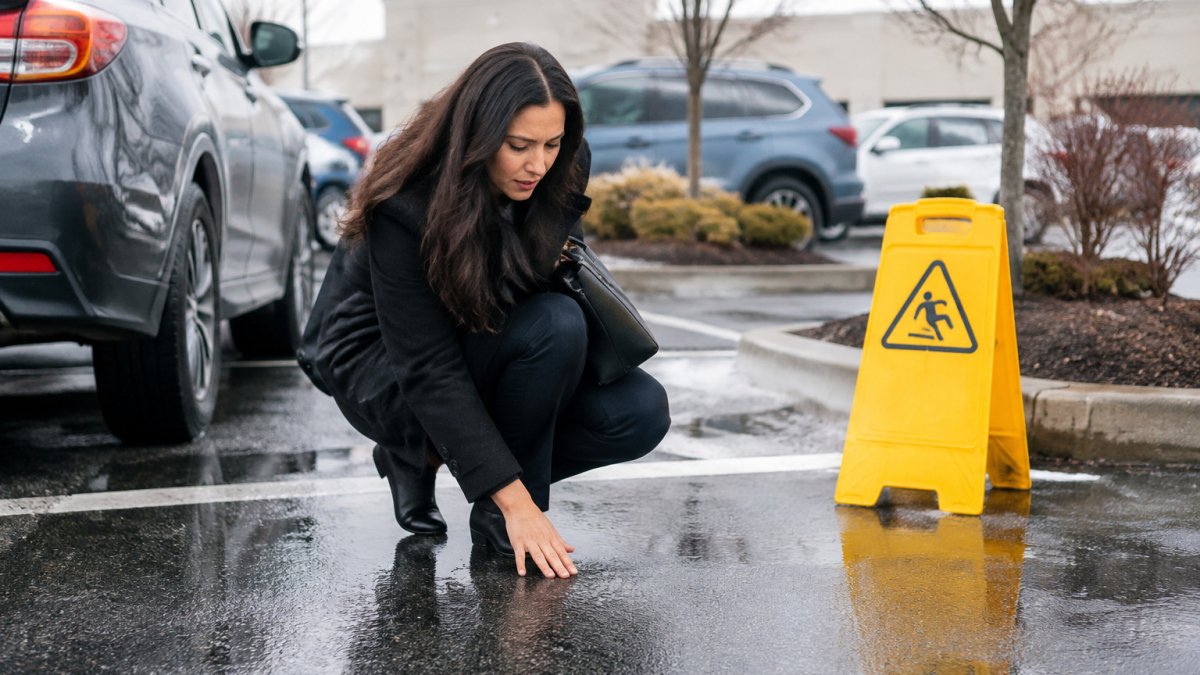
Water destroys more pavement than traffic does. An overlay adds thickness, which can change how water sheds off the surface and where it pools against your garage or lot lines. If your driveway floods every time it rains, an overlay may make it worse by raising the grade. Our overview of drainage problems that destroy pavement explains the failures poor grading causes.
Get a Free Estimate from Houston Pavement Repair LLC
The right call between overlay and replacement comes down to what's under the surface, and that takes eyes on the pavement. Houston Pavement Repair LLC provides asphalt and concrete paving and repair for residential and commercial properties, and offers a free estimate. Before you hire anyone, read what to ask a paving contractor, then contact Houston Pavement Repair LLC to schedule your free estimate.
Frequently Asked Questions
How do you know if asphalt can be overlaid?
An asphalt overlay is usually viable when the existing pavement is structurally sound: no more than about 30% of the surface shows damage, the base layer is intact, and there are no widespread soft spots or drainage problems. A contractor should inspect the pavement, check for alligator cracking and rutting, and confirm the subgrade is stable. If the damage is limited to surface cracking and the foundation is solid, an overlay can restore a smooth driving surface without full removal.
Is an asphalt overlay cheaper than full replacement?
Yes, an asphalt overlay typically costs less upfront because it skips demolition, excavation, and base reconstruction. However, the lower initial price only pays off if the existing base is sound. If the foundation has failed, an overlay will crack along the same lines within a few years, and you will pay twice. Get a quote that separates surface work from base repair so you can compare the true asphalt driveway overlay cost against a full remove-and-replace scope.
How long does an asphalt overlay last compared with replacement?
A properly installed asphalt overlay on a sound base typically lasts 8 to 15 years, depending on traffic load, climate, and maintenance. Full replacement with a new base layer and compacted subgrade can last 20 to 30 years. The gap narrows if the overlay is thick enough, usually 2 inches or more, and if drainage is corrected. Ask your contractor how long does asphalt resurfacing last on projects like yours, and get the answer in writing.
Can you overlay asphalt with cracks or potholes?
Small, isolated cracks and potholes can be cleaned, filled, and patched before an overlay goes down. Widespread cracking, alligator cracking, rutting, or settlement means the base layer has failed, and covering it with new asphalt will not fix the problem. A contractor should mill or repair the damaged areas, compact the base, and then apply the new asphalt layer. If a crew offers to overlay directly over failed pavement without base repair, walk away.
Most contractors will sell you an overlay because it's the easy quote. We'd rather tell you the truth about your base and drainage before you spend a dollar. Houston Pavement Repair LLC offers expert asphalt paving, specialized pavement repair, and free estimates for homeowners and property managers alike. Get started with Houston Pavement Repair LLC and get a pavement solution built to last.