 how-to
Remove Oil Stains From Asphalt Parking Lots: Step-by-Step
Table of Contents
- Identify the Oil Stain Age and Severity
- Absorb Fresh Oil Before It Sets
- How to Remove Old Oil Stains From Asphalt
- Best Cleaner for Oil Stains on Asphalt
- How to Clean Oil Spills From a Parking Lot
- Pressure Washing Oil Stains From Asphalt
- When Cleaning Isn't Enough: Repair and Prevention
- Frequently Asked Questions
Last Updated: October 12, 2026
Identify the Oil Stain Age and Severity
The first step to remove oil stains asphalt parking lots is understanding what you're dealing with. Fresh oil stains look dark and glossy. Old stains appear faded, lighter in color, and have soaked deeper into the asphalt surface. This distinction matters because your cleaning method depends on it.
Fresh oil sits on top of the asphalt. It hasn't penetrated the binder yet. Old oil has bonded with the asphalt material itself, making removal much harder. Knowing the difference saves time and prevents wasted effort on methods that won't work.
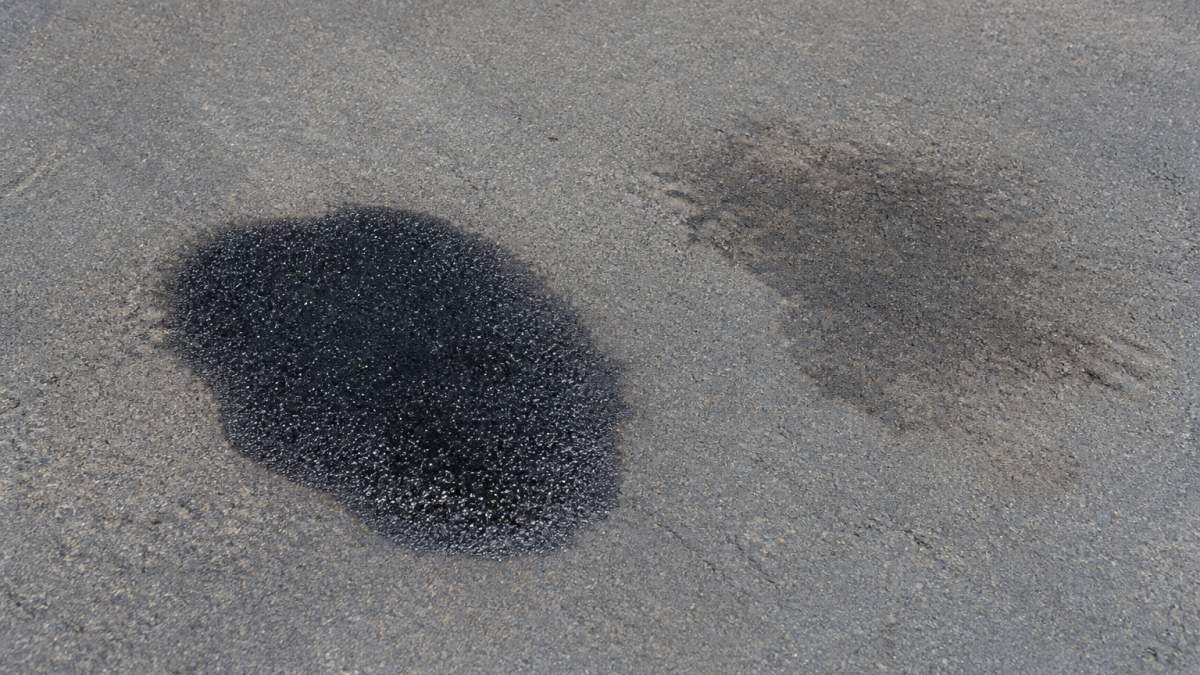
How can you tell the difference? Fresh spills feel wet or slick to the touch. They typically occurred within hours or days. Set-in stains are dry to the touch and have been there for weeks or months. The color tells the story: dark equals fresh, faded equals old.
Severity also matters. A small spot the size of a quarter needs different treatment than a large spill covering several parking spaces. For commercial parking lots, consider the stain's location too. High-traffic areas may need faster cleanup to prevent safety hazards and further damage to the asphalt.
Absorb Fresh Oil Before It Sets
Speed matters with fresh oil. The moment you spot a spill, absorption is your best tool. Fresh oil hasn't bonded with the asphalt yet, so pulling it up before it sets prevents permanent staining.
Common absorbents include diatomaceous earth, oil dry, sand, and kitty litter. These materials soak up the oil before it penetrates deeper. Spread the absorbent generously over the entire spill. Let it sit for several hours or overnight. The longer it sits, the more oil it pulls from the surface.
After the absorbent has done its job, sweep it up completely. Use a stiff-bristle broom to get into the asphalt's texture. Don't leave any residue behind. Once you've removed the absorbent, the stain should be significantly lighter or gone entirely.
Why does this work? Absorbent materials have porous structures that trap oil molecules. They prevent the oil from flowing deeper into the asphalt binder. This is why timing is critical. The first few hours after a spill are your window for this simple, effective method.
For commercial parking lots, keep absorbent materials on hand. Stock them in an accessible location so crews can respond immediately to spills. A quick response prevents what could become a stubborn, permanent stain.
How to Remove Old Oil Stains From Asphalt
To remove oil stains asphalt that are old requires a different approach. They've bonded with the asphalt surface, so simple absorption won't work. You need a cleaning agent that breaks down the oil's connection to the asphalt material.
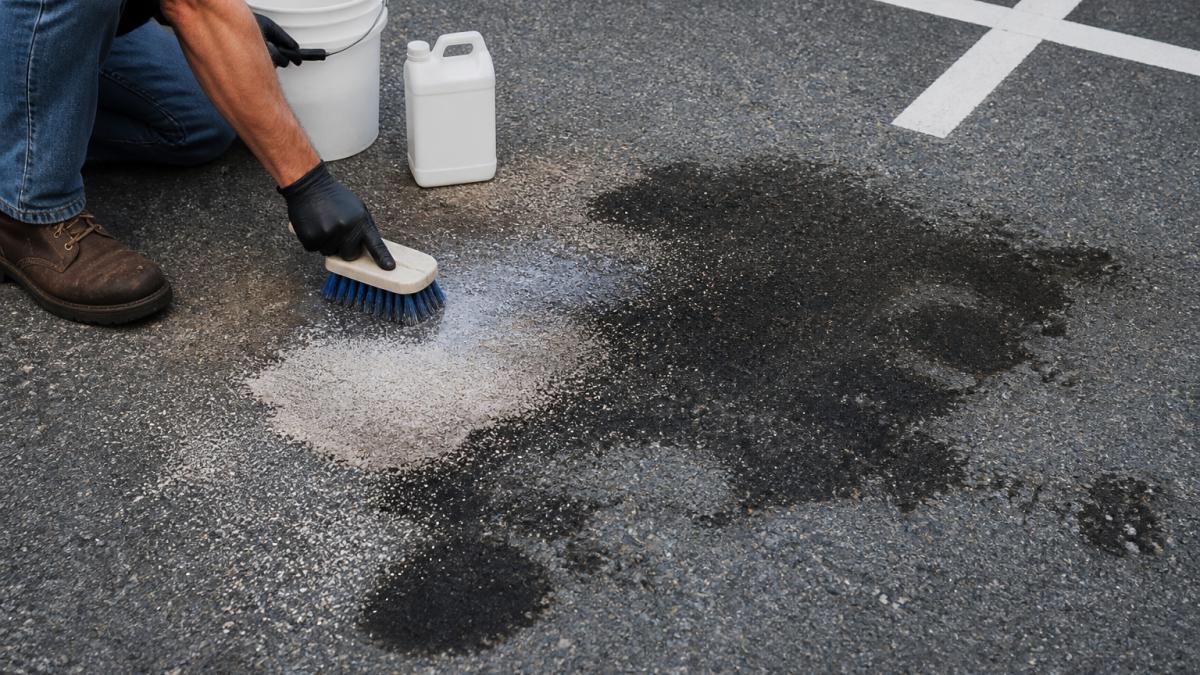
The process starts with pre-treatment. Apply your chosen cleaner directly to the stain. Spray it on or pour it on generously. The cleaner needs to contact the entire stained area. Let it soak for the time recommended by the product. This dwell time allows the chemical to break down the oil-asphalt bond.
After soaking, scrub the area with a stiff-bristle brush. Use firm, circular motions. The scrubbing action helps the cleaner penetrate and lift the oil. Don't be gentle here. The asphalt can handle aggressive scrubbing. The goal is to break the stain loose.
Rinse thoroughly with water. Use a pressure washer if available, or a hose with strong water pressure. Rinse until the water runs clear and no cleaner residue remains. Incomplete rinsing leaves soap film that attracts dirt and makes the area look worse.
For stubborn stains that resist the first attempt, repeat the process. Apply cleaner again, let it soak longer, scrub harder, and rinse thoroughly. Some old stains need multiple treatments. Patience and persistence work better than aggressive force on the first try.
Best Cleaner for Oil Stains on Asphalt
Choosing the right cleaner makes the difference between success and frustration. Several options work well for removing oil stains from asphalt parking lots. Your choice depends on stain severity, budget, and environmental concerns. While asphalt requires these specific chemical considerations, the process of removing concrete stains often involves different absorbent materials and scrubbing techniques.
Degreasers are formulated specifically to break down oil and grease. They're stronger than general-purpose cleaners. Commercial degreasers work faster and require less scrubbing. They're ideal for heavy, stubborn stains. Follow the product instructions carefully. Some require dilution, others are ready to use.
Dish soap and water works for light to moderate stains. Mix a concentrated solution and apply it to the stain. This is the most economical option and gentler on the environment. It takes longer and requires more scrubbing than commercial degreasers, but it's effective for fresh or lightly set stains.
Oil-stain removers are specialty products designed specifically for parking lots and driveways. These formulations combine surfactants and solvents optimized for asphalt surfaces. They typically work faster than dish soap but cost more than basic degreasers.
Enzyme-based cleaners break down oil through biological action. They're environmentally friendly and safe for most asphalt surfaces. They work more slowly than chemical degreasers but are effective for moderate stains when given adequate dwell time.
Test any cleaner on a small, inconspicuous area first. Some products can discolor asphalt or cause surface damage if used incorrectly. A test patch prevents costly mistakes on visible parking lot areas.
How to Clean Oil Spills From a Parking Lot
Parking lot spills differ from driveway stains. You're managing a larger area, often with multiple spills, and you need systematic workflows. Safety and efficiency matter more.
Start with immediate response. When a spill occurs, cordon off the area to prevent traffic over the fresh oil. This keeps the spill contained and prevents it from spreading. Post warning signs so drivers avoid the contaminated area.
Apply absorbent immediately if the oil is still fresh. For a large spill, you may need significant quantities of absorbent material. Spread it evenly over the entire affected area. Let it work for several hours. In a busy parking lot, you might do this overnight when traffic is minimal.
Call now to schedule your free estimate →
Once you've absorbed the fresh oil, proceed with cleaner application. Use a sprayer or pump applicator to distribute the cleaner evenly. Ensure complete coverage of the stained area. Let it soak according to product instructions. For a large area, you might divide it into sections and work systematically.
Scrub each section with a stiff brush or pressure washer attachment. Work methodically. Don't rush. Thorough scrubbing ensures the cleaner contacts all the stained asphalt. Rinse each section as you complete it. Keep rinsing until water runs clear.
For parking lots, consider the runoff. Oil-contaminated water flows toward storm drains. Many jurisdictions regulate this runoff (the EPA). Contain the water if possible, or direct it to an appropriate disposal area. Never allow oil-laden rinse water to flow directly into storm systems.
Document the cleanup. Take photos before, during, and after. This record helps track problem areas and identifies vehicles that may be leaking. Repeat spills in the same spot indicate a maintenance issue that needs attention.
Pressure Washing Oil Stains From Asphalt
Pressure washing accelerates the removal of oil stains from asphalt parking lots. The high-pressure water stream breaks up the stain and rinses away loosened oil particles. It's faster than manual scrubbing for large areas.
Preparation matters. Always apply cleaner first. Don't pressure wash an unadhered stain without pre-treatment. The water alone won't break the oil-asphalt bond. Apply your chosen degreaser or oil-stain remover and let it soak for the recommended time.
Use moderate pressure. Asphalt is durable, but excessive pressure can damage the surface. Start at 2,000 to 3,000 PSI. Adjust based on results. Too little pressure wastes time. Too much pressure erodes the asphalt. Maintain a consistent distance from the surface, typically 12 to 18 inches.
Work in overlapping passes. Move the spray nozzle steadily across the stained area. Overlap each pass by about 50 percent to ensure complete coverage. Don't concentrate the spray on one spot for too long. This prevents surface damage.
For stubborn stains, make multiple passes. Let the cleaner work between passes. A second or third application of degreaser followed by pressure washing often succeeds where a single attempt fails.
After pressure washing, inspect the area. If the stain persists, reapply cleaner and repeat the process. Some old, deeply set stains require multiple cycles. Document the results. If a stain doesn't fully disappear after reasonable effort, it may be time to consider resurfacing that section of asphalt.
When Cleaning Isn't Enough: Repair and Prevention
Some oil stains won't come out. Deep stains that have penetrated the asphalt binder, or stains that have damaged the surface, may require repair rather than cleaning alone.
Signs that cleaning alone won't work include visible pitting or surface damage around the stain, softened asphalt that feels tacky or sticky even after cleaning, or stains that return repeatedly in the same spot.
Asphalt patching or seal coating are the next steps. Patching removes the damaged section and replaces it with fresh asphalt. Seal coating applies a protective layer over the repaired area.
Prevention is more cost-effective than repair. Regular maintenance reduces the frequency and severity of oil stains. Inspect the parking lot regularly for spills. Address fresh spills immediately. Keep absorbent materials and cleaning supplies readily available.
Maintenance also includes addressing the source of leaks. Vehicles with oil leaks should be identified and their owners notified. Persistent leaks in the same spot indicate a vehicle that needs service.
Regular seal coating protects asphalt from oil penetration. A quality seal coat creates a barrier that prevents oil from bonding with the asphalt binder. This makes future stains easier to remove and extends the life of the parking lot surface.
At Houston Pavement Repair LLC, we understand that removing oil stains from asphalt parking lots is just one part of maintaining a professional appearance and protecting your investment. Some stains require professional attention, especially when they indicate deeper surface damage.
| Stain Condition | Recommended Method | Expected Difficulty | Timeline |
|---|---|---|---|
| Fresh spill (hours old) | Absorbent material | Easy | Same day |
| Light stain (days old) | Dish soap and water | Easy | 1-2 hours |
| Moderate stain (weeks old) | Commercial degreaser | Moderate | 2-4 hours |
| Heavy stain (months old) | Degreaser + pressure washing | Moderate to hard | 4-8 hours |
| Stain with surface damage | Professional patching | Hard | Professional service |
Oil stains don't have to be permanent. Fresh spills respond well to immediate absorption. Older stains require the right cleaner and patience. When stains have damaged the asphalt surface, professional repair becomes necessary.
Frequently Asked Questions
What's the fastest way to remove oil stains from asphalt parking lots?
Speed depends on stain age. For fresh spills, absorb immediately with diatomaceous earth or oil dry to prevent the stain from setting into the asphalt binder. For old stains, apply a commercial degreaser, allow it to soak for 24-48 hours, scrub with a stiff-bristle brush, and rinse thoroughly. Pressure washing accelerates rinsing but works best after chemical treatment.
Can you use dish soap to clean oil off asphalt?
Dish soap works for light, fresh spills when combined with water and scrubbing, but it's not strong enough for set-in stains or parking lot-scale cleanup. Commercial degreasers and oil-stain removers are formulated to break down petroleum compounds more effectively. For best results on established stains, use a product designed for asphalt oil removal and allow adequate dwell time before scrubbing.
Will pressure washing alone remove oil stains from asphalt?
Pressure washing alone rarely removes oil stains completely because water cannot dissolve petroleum. High pressure may spread the stain or drive it deeper into the asphalt. Pressure washing works best as the final rinse step after applying a degreaser or oil-stain remover and allowing it to soak. Always pre-treat with a chemical cleaner for best results.
Can oil stains damage asphalt pavement?
Yes. Oil seeps into the asphalt binder, weakening the bond between aggregate particles and causing softening, rutting, and premature cracking. Repeated exposure accelerates deterioration. Parking lots with chronic oil leaks develop surface damage, potholes, and structural failure faster than untreated surfaces. Prompt removal and addressing the source of the leak (vehicle maintenance) prevents long-term pavement damage and costly resurfacing.