 How-to
7 Steps to Prevent Asphalt Potholes in High-Traffic Areas
Quick Summary
To prevent asphalt potholes, keep water out and catch damage early. Set up drainage so water runs away from the pavement, seal cracks before water gets in, and inspect high-traffic zones on a regular schedule. Repair small failures promptly, because water softening the base is what turns cracks into potholes.
- Water soaking into cracks weakens the base layer that holds the pavement up.
- Seal any crack wider than 1/4 inch, about the width of a pencil.
- Water standing longer than 24 hours signals a drainage or grading problem.
- Inspect loading zones, entrances, and dumpster pads more often because they concentrate stress.
- Reopen repaired areas only after the patch is fully set, since surface hardness can hide softness underneath.
Table of Contents
- Why Potholes Form in High-Traffic Asphalt
- Step 1: Set Up Drainage Before Problems Start
- Step 2: Seal and Fill Cracks Before Water Gets In
- Step 3: Build an Inspection Schedule With Measurable Triggers
- Step 4: Plan Preventive Maintenance and Traffic Management
- Step 5: Patch Early Using Proper Surface Preparation
- Step 6: Keep Records and Verify Repairs
- Step 7: Know When Crack Sealing or Repair Is Not Enough
- Booking Your Pavement Assessment With Houston Pavement Repair
- Frequently Asked Questions
Why Potholes Form in High-Traffic Asphalt
Potholes form when the surface breaks down and loose material gets pushed out, and knowing why helps you prevent asphalt potholes before they start. Heavy vehicles speed up the process by flexing the pavement with every pass. Water, traffic weight, and weather work together, so one problem usually leads to another.
How water infiltration and freeze-thaw cycles weaken the base
Water is the biggest enemy of asphalt. Once it gets through a crack, it soaks into the base layer beneath the surface. That base is what holds the pavement up. When it turns soft, the surface loses support.
Freeze-thaw cycles make this worse. Water in a crack expands when it freezes, then contracts as it thaws. Over many cycles, that push and pull widens the crack and breaks apart the material around it. In Texas, the freeze-thaw damage is less severe than in colder states, but repeated heavy rain and standing water still cause the same kind of breakdown.
- Water soaks into cracks and weakens the base
- Standing water speeds up surface breakdown
- Repeated wet-dry cycles widen small cracks into potholes
Step 1: Set Up Drainage Before Problems Start
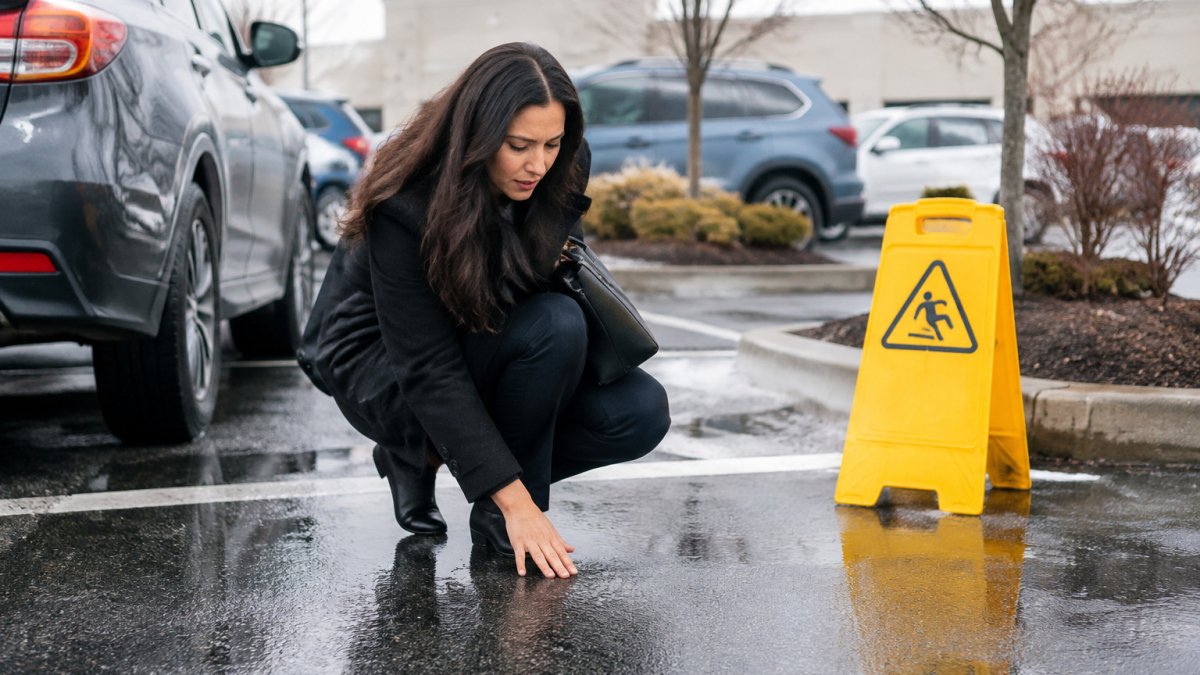
Look for low spots where water sits for hours. Learn which drainage failures destroy commercial pavement so you know what to correct first. Those spots need attention first. Make sure gutters, drains, and curb cuts direct water away from the pavement edge.
Watch out:
Step 2: Seal and Fill Cracks Before Water Gets In
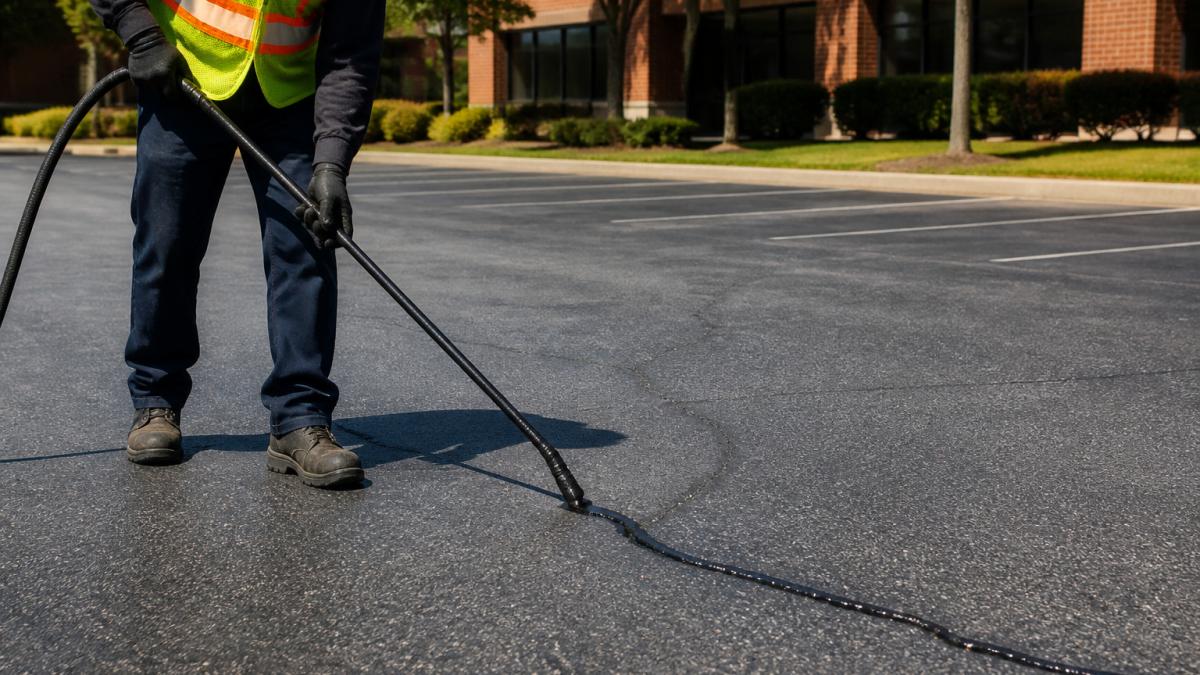
Crack sealing works best on small, active cracks. Wide or crumbling cracks may need more than sealant, so check them more closely before choosing a repair.
Step 3: Build an Inspection Schedule With Measurable Triggers
High-traffic surfaces need a inspection cadence tied to traffic volume and weather, not a generic monthly walk-through. A practical schedule many pavement managers use is: weekly visual checks in loading zones and drive lanes, monthly full-lot inspections, and a focused inspection within 48 hours after heavy rain or a freeze-thaw event. Keep a simple log with date, location, and observed condition so patterns emerge.
Use measurable triggers to decide when to act before a pothole forms:
- Crack width: Any crack wider than 1/4 inch (about the width of a pencil) should be sealed; cracks approaching 1/2 inch or with crumbling edges need a fuller repair evaluation.
- Ponding: Water standing longer than 24 hours after rain signals a drainage or grading problem that will soften the base.
- Rutting: A rut depth of 1/2 inch or more in wheel paths indicates base instability or inadequate pavement for the load.
- Patch failure: A patch that ravels, depresses, or cracks within one season points to underlying moisture or base damage, not a bad patch mix.
- Edge cracking: Longitudinal cracks within 12 inches of the pavement edge often mean poor shoulder support or drainage.
For high-traffic areas, add a trigger for load-related distress: any area where heavy vehicles brake, turn, or queue (entrances, loading docks, dumpster pads) should be inspected more often because those zones concentrate stress and water. If you see shoving or rippling at these locations, the pavement structure or base may be inadequate for the traffic, surface treatments alone will not fix it.
The article sets clear measurable triggers that signal when to act before a pothole forms.
Call now to schedule your free estimate →
| Trigger | Threshold | Action signal |
|---|---|---|
| Crack width | Wider than 1/4 inch | Seal the crack |
| Crack width | Approaching 1/2 inch or crumbling | Fuller repair evaluation |
| Ponding | Water standing longer than 24 hours | Drainage or grading problem |
| Rutting | 1/2 inch or more in wheel paths | Base instability or inadequate pavement |
| Edge cracking | Within 12 inches of pavement edge | Poor shoulder support or drainage |
Step 4: Plan Preventive Maintenance and Traffic Management
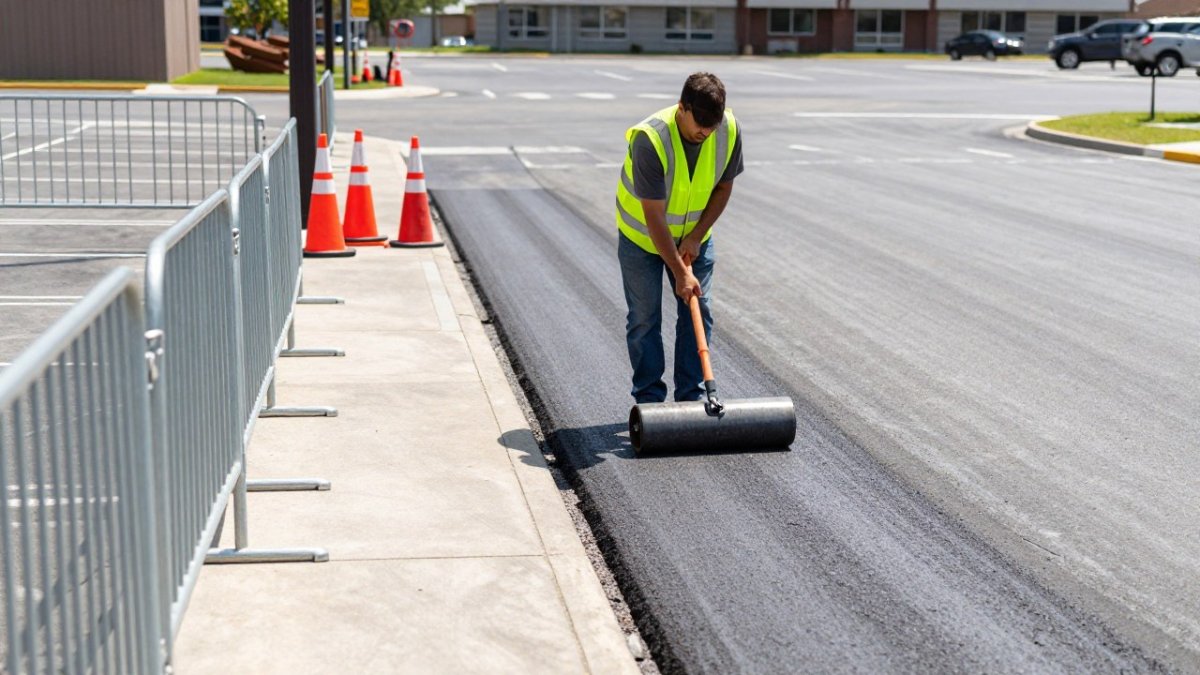
Traffic management during repairs should include:
For more on setting up a schedule, see FHWA pavement preservation guidance for federal recommendations on timing and treatment choices. A practical plan for commercial lots is also covered in Preventive maintenance planning for commercial pavement. For extending pavement life under heavy use, read How to Extend the Lifespan of Asphalt Pavement.
Step 5: Patch Early Using Proper Surface Preparation
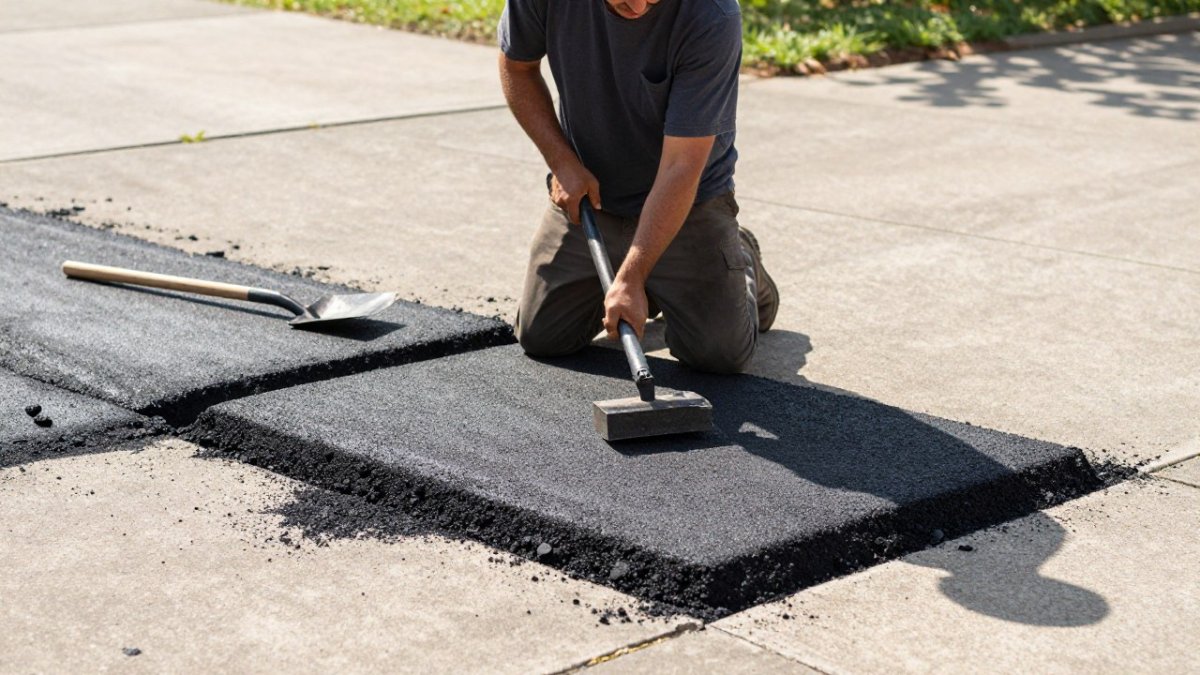
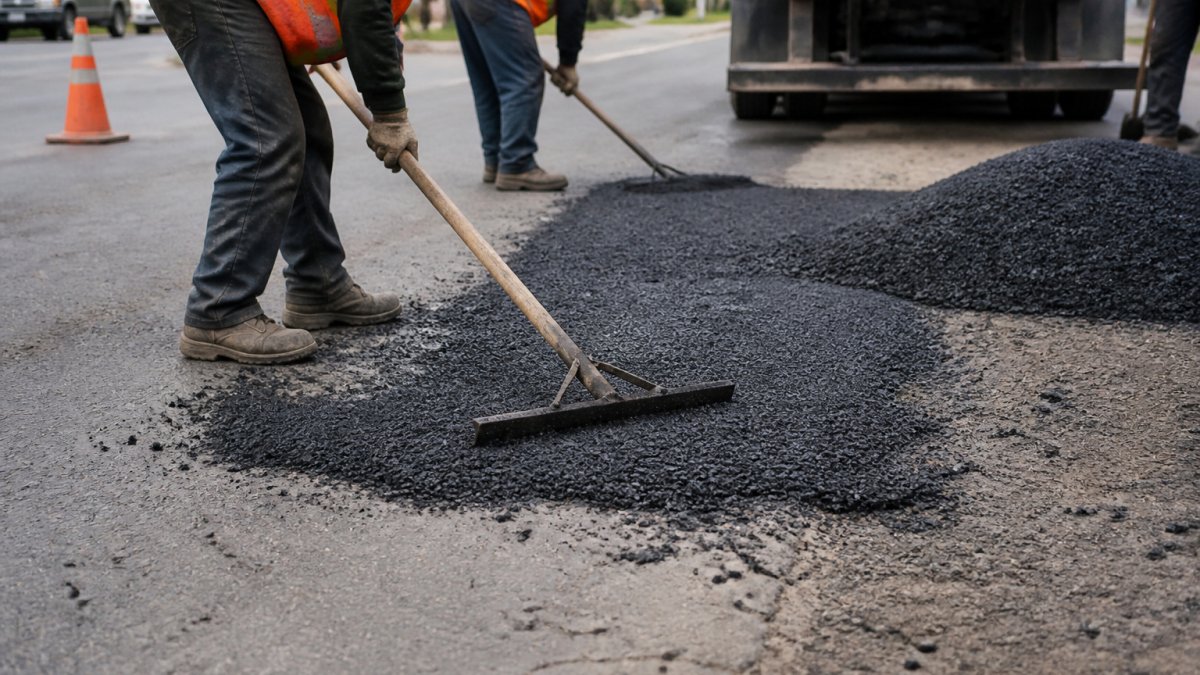
Patching details vary with the material and the size of the hole. Learn more about asphalt pothole repair steps before you start.
Step 6: Keep Records and Verify Repairs
If the same spot keeps failing, the cause may be drainage, base damage, or heavy loads. Review the site instead of repeating the same fix. Small changes at this stage prevent larger repairs later.
Step 7: Know When Crack Sealing or Repair Is Not Enough
Some damage goes beyond surface work. Sagging areas, wide alligator cracks, or repeated failures in one spot usually point to base problems. In those cases, sealing alone will not hold.
Booking Your Pavement Assessment With Houston Pavement Repair
Call now to schedule your free estimate with Houston Pavement Repair LLC.
Frequently Asked Questions
How do you fix a pothole in asphalt?
Contact Houston Pavement Repair LLC for a free estimate.
How often should high-traffic asphalt be inspected?
Most high-traffic lots and drive lanes benefit from a visual inspection at least twice a year, typically in spring and fall, plus a check after heavy rain or a freeze-thaw period. Set measurable triggers: any crack wider than about a quarter inch, standing water that remains more than a few hours after rain, or edges beginning to crumble. Logging each finding with its location and date makes it easier to see which areas keep failing and need a different fix.
Does sealcoating prevent potholes?
Sealcoating protects the surface from UV exposure, oxidation and water penetration, which slows the breakdown that leads to potholes. It does not repair existing cracks or structural damage, and it will not stop a pothole from forming over a failed base. Seal coating works best after cracks have been sealed or filled and the surface is in reasonable condition. Ask your paving contractor whether the timing and product suit your lot's traffic load and climate.
How can you prevent potholes in a busy parking lot?
Combine good drainage, timely crack sealing, routine inspections and early patching. Keep water moving off the surface so it cannot pool over the base. Schedule maintenance during low-traffic hours and close lanes long enough for patches to cure, usually a few hours for hot-mix in mild weather, longer in cold conditions. Track recurring failure spots, since repeated potholes in the same place often point to a drainage or subgrade problem rather than surface wear alone.